A cat that is losing weight while acting normal should still be examined by a veterinarian. Cats often conceal early illness, and chronic disease may cause a slow decline in body condition before lethargy, hiding, or other obvious behavior changes appear.
The likely explanations include hyperthyroidism, diabetes, kidney disease, gastrointestinal or pancreatic problems, parasites, dental pain, cancer, and inadequate calorie intake. The most useful clues are whether appetite has increased, stayed the same, or decreased; whether thirst and urination have changed; and whether food is actually being digested and retained. Track the trend and arrange veterinary care rather than trying to correct unexplained weight loss with extra food or supplements.
As an Amazon Associate I earn from qualifying purchases.
Start with the pattern of weight loss
The first question is whether your cat is losing weight while eating more, eating the same amount, eating less, or appearing to eat normally but failing to digest or absorb nutrients. That pattern helps a veterinarian prioritize possibilities, but it cannot identify the cause by itself.
| What you notice | Possibilities a veterinarian may consider |
|---|---|
| Normal or increased appetite, often with more drinking and urination | Hyperthyroidism, diabetes mellitus, kidney disease, or less commonly another metabolic disorder |
| Interest in food but reluctance to chew, dropping food, drooling, or chewing on one side | Dental pain, oral disease, or difficulty swallowing |
| Weight loss with vomiting, diarrhea, unusually large stools, or changes in stool quality | Gastrointestinal, pancreatic, liver, absorptive, infectious, or parasitic disease |
| Food seems to disappear, but you do not know how much your cat actually eats | Competition from another pet, a calorie-dense or calorie-poor diet, food access problems, or an inaccurate estimate of intake |
| Reduced appetite, even if your cat still seems fairly bright | Pain, nausea, kidney disease, gastrointestinal disease, dental disease, cancer, or another systemic illness |
These categories overlap. A cat with hyperthyroidism, for example, may also have kidney disease, heart disease, or high blood pressure. A cat with dental pain may approach the bowl enthusiastically but consume much less than it appears to. A cat with intestinal disease may eat but lose nutrients through vomiting, diarrhea, poor digestion, or poor absorption.
#1 Best Overall

- Veterinarians Recommend IAMS: Feed your favorite feline IAMS Proactive Health dry cat food to support their whole-body health
- Discover the Proactive 5 Difference: The Proactive 5 health benefits for IAMS Proactive Health are scientifically designed to support five key areas of your cat’s health, keeping them full of life, for more of life
- #1 Ingredient is Real Chicken. This nutrient-rich adult cat food contains high-quality protein sources, is tasty, and supports a healthy body that loves to play
- Healthy Weight Management: This dry cat food, crafted with a blend of protein and fiber, is designed to help cats lose weight while keeping them full between meals
- Supports Healthy Energy: This IAMS Proactive Health dry cat food contains wholesome grains, which provide essential nutrients and carbohydrates for healthy energy
Why normal behavior does not rule out illness
Cats often conceal early illness. A chronic condition can progress while a cat continues to groom, play, greet family members, and follow its usual routine. Gradual weight loss may be noticed first when you can feel the ribs or spine more easily, the muscles over the back legs look smaller, or a harness becomes loose.
There is no single number of pounds or percentage that makes weight loss important for every cat. The significance depends on the cat’s starting size, age, body condition, muscle mass, how quickly the loss occurred, and whether it is continuing. Unplanned, unexplained loss should not be dismissed as normal aging or as reassuring simply because your cat still acts normal.
Common reasons a cat loses weight while seeming well
Hyperthyroidism
Hyperthyroidism is common in middle-aged and older cats. Excess thyroid hormone increases metabolic activity, so a cat may burn calories rapidly and lose weight despite a normal or increased appetite. Increased thirst and urination are common clues. Some cats also develop vomiting, diarrhea, restlessness, increased vocalization, unusual activity, or a greasy and unkempt coat.
What’s actually slowing this PC down?
Pick the symptom - the matching free tool is one click away.
A total T4 thyroid blood test is commonly used for screening, and most affected cats have an elevated result. A small percentage of cats with genuine hyperthyroidism can have a T4 within the laboratory reference range, particularly when illness makes the result harder to interpret. If the history and examination still suggest hyperthyroidism, the veterinarian may repeat or expand thyroid testing. The evaluation should also consider the heart, kidneys, and blood pressure because hyperthyroidism can coexist with or complicate disease in those systems.
Diabetes mellitus
In feline diabetes, glucose is not used normally by the body’s cells. The body then begins breaking down fat and protein, which can cause weight loss even when the cat has a good appetite. Increased drinking and urination are important accompanying signs, although they may be difficult to notice in a household with several cats.
Diagnosis usually requires persistent high blood glucose and glucose in the urine together with compatible signs. A single high blood-glucose result at a veterinary clinic can be misleading because stress may temporarily raise a cat’s glucose. When the result is uncertain, a fructosamine test can help show whether blood glucose has been elevated over a longer period. Do not start insulin or change a diabetic cat’s treatment without veterinary instructions.
Rank #2
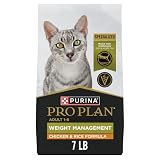
- Promotes muscle mass maintenance during weight loss
- High protein formula, with real chicken as the first ingredient
- Fortified with guaranteed live probiotics to support digestive and immune health
- Used to be known as FOCUS Weight Management Chicken and Rice Formula
- 20 percent less fat than Pro Plan COMPLETE ESSENTIALS Adult Chicken and Rice Formula
Chronic kidney disease
Chronic kidney disease is common in older cats and may begin with very subtle changes. Weight loss can result from altered metabolism, dehydration, reduced appetite, nausea, and changes in how the body handles nutrients. Increased thirst and larger or more frequent urine clumps may be present, but owners can miss them, especially when several cats share a litter box.
The Tool Desk
Outbyte PC Repair FREEClear out junk files and repair common Windows errorsFree Scan →Outbyte Driver Updater FREEScan for outdated or missing drivers - takes under a minuteDriver Scan →Blood chemistry and urinalysis are important parts of the assessment. Blood results may reveal changes associated with kidney function, electrolytes, albumin, or other organs. Urine testing helps evaluate urine concentration, glucose, inflammation, and protein loss. Depending on the findings, the veterinarian may recommend a urine protein-to-creatinine ratio or other follow-up testing.
Gastrointestinal, pancreatic, liver, or absorptive disease
Problems involving the stomach, intestines, pancreas, or liver can cause weight loss through poor digestion, impaired absorption, vomiting, diarrhea, protein loss, altered appetite, or increased nutrient requirements. Some cats have obvious gastrointestinal signs; others have only gradual loss of body condition and occasional changes in stool.
If the initial examination and laboratory tests do not explain the loss, further testing may include abdominal radiographs, ultrasound, specialized pancreatic or liver-function tests, fine-needle sampling, or biopsy. The appropriate test depends on the cat’s history, examination, blood and urine results, and overall stability.
Parasites or infectious disease
Intestinal parasites deserve particular attention in kittens, cats that hunt, and cats with outdoor access. Indoor living lowers exposure to some problems but does not automatically exclude every parasite or infectious cause. A fecal examination is a common screening step. The veterinarian may also recommend viral or region-specific infectious-disease testing when the exposure history and examination make it appropriate.
PC Slower Than It Used to Be?
A free scan shows the junk files, broken settings and background clutter dragging Windows down - then fixes them in one click.Free scan · Windows 10 & 11Crashes, No Sound, or Screen Glitches?
Random freezes, missing sound and display glitches usually trace back to one bad driver. Find and replace yours safely.Free scan · under a minuteDo not assume that an over-the-counter dewormer is the right treatment. Different parasites require different medications, and some products are unsafe for cats or unsuitable for a particular age or health condition.
Rank #3

- Breakthrough formula made to positively impact the unique cell function of overweight pets, and support healthy metabolism and body weight
- Safe and effective weight loss with visible results within 10 weeks
- Made with natural ingredients, plus added vitamins, minerals, and amino acids
- Made in the USA with global ingredients you can trust
- Hill's Pet Nutrition is the US Veterinarians' #1 recommended brand
Dental pain or difficulty chewing and swallowing
A cat can appear eager to eat while taking in too few calories because chewing hurts. Look for dropping food, chewing on one side, drooling, bad breath, pawing at the mouth, reluctance to eat hard food, or walking away after approaching the bowl. However, many cats show few obvious signs of oral pain at home, so a proper oral examination is important even when the mouth seems normal to you.
Cancer or another chronic disease
Cancer can cause weight loss, but weight loss alone cannot distinguish cancer from more common and treatable conditions such as dental disease, hyperthyroidism, diabetes, parasites, or kidney disease. Disorders of the heart, liver, kidneys, pancreas, and gastrointestinal tract can also produce a slow decline in body condition.
If routine screening does not provide an explanation, the veterinarian may discuss radiographs, ultrasound, fine-needle aspiration, biopsy, cardiac testing, or other specialized tests. The need for these tests is determined by the initial findings rather than by weight loss alone.
Do these 3 things before closing this tab:
1Clear out junk files and repair common Windows errors2Scan for outdated or missing drivers - takes under a minute3Repair Windows errors before they cause bigger problemsToo few calories or an inaccurate feeding situation
Not every case is caused by an internal disease. A cat may be offered too few calories, receive a food that contains fewer calories than expected, have unusually high energy needs, or lose access to the bowl because another pet is eating its food. In a multi-cat home, one cat may appear to be eating normally while another consumes part of the meal.
Measure what is offered and what remains, check the food label, and feed cats separately if necessary so you can observe actual intake. Even when inadequate intake seems plausible, ongoing unexplained weight loss still deserves a veterinary assessment rather than a trial of random supplements or unlimited extra food.
What a veterinarian will usually check
The evaluation starts with a detailed history and a complete physical examination. The veterinarian will consider the cat’s age, starting weight and body condition, rate of loss, appetite, thirst, urination, stool, vomiting, diet, oral comfort, medications, and exposure history. The examination may assess hydration, muscle loss, the mouth and teeth, abdomen, heart, coat, and other signs that are easy to miss at home.
Rank #4

- Breakthrough formula made to positively impact the unique cell function of overweight pets, and support healthy metabolism and body weight
- Safe and effective weight loss with visible results within 10 weeks
- Made with natural ingredients, plus added vitamins, minerals, and amino acids
- Made in the USA with global ingredients you can trust
- Hill's Pet Nutrition is the US Veterinarians' #1 recommended brand
Common initial screening tests for unexplained weight loss include:
- Complete blood count: looks for patterns associated with anemia, inflammation, infection, and other blood-cell abnormalities.
- Serum biochemistry: provides clues about glucose, kidney and liver function, albumin, electrolytes, and other systemic problems.
- Urinalysis: helps evaluate urine concentration, glucose loss, protein loss, inflammation, and urinary abnormalities.
- Fecal or parasite testing: screens for intestinal parasites and may be especially relevant for kittens and outdoor cats.
- Thyroid-hormone testing: commonly begins with total T4 in a middle-aged or older cat or when the signs fit hyperthyroidism.
Additional testing is guided by those results. Possibilities include fructosamine testing for uncertain diabetes cases, expanded thyroid testing, viral or regional infectious-disease testing, pancreatic-function testing, liver-function testing, a urine protein-to-creatinine ratio, radiographs, ultrasound, cardiac evaluation, fine-needle aspiration, or biopsy.
A normal first round of tests does not always explain every case. Thyroid results, for example, can be affected by other disease states, medications, and nutrition. If the laboratory results do not match the cat’s signs, ask what follow-up or repeat testing is appropriate instead of assuming the weight loss has no medical cause.
Independent reader supportYour contribution helps us test, update, and keep practical guides available for everyone.What to record before the appointment
Useful information can make the veterinary visit more productive. Record:
- Current weight, previous known weights, and the approximate date and rate of the change.
- Whether appetite is decreased, unchanged, or increased.
- The amount of food offered each day and, as accurately as possible, the amount actually eaten.
- The food’s brand, formulation, calorie information, treats, supplements, and any recent diet change.
- Water intake, urine volume or frequency, and changes in litter-box habits.
- Vomiting, diarrhea, constipation, unusually large stools, mucus, blood, or other stool changes.
- Drooling, bad breath, dropping food, chewing on one side, or reluctance to eat dry or hard food.
- Activity, vocalization, grooming and coat condition, breathing, and any change in social behavior.
- Age, indoor or outdoor access, hunting, parasite prevention, medications, and supplements.
When several animals share food or litter boxes, temporarily separating them for meals and observation can reveal information that is otherwise impossible to measure. Bring food packaging, medication names, and a written timeline to the appointment.
Free tools Windows power users keep installed
One-click scans. No signup required.
How to monitor weight at home
A home scale can help establish a trend, but it cannot diagnose the reason for weight loss. Weigh your cat under similar conditions each time, record the date and result, and focus on the trend rather than reacting to one inconsistent reading. Stop if the process causes significant fear or struggling.
Best Value

- Breakthrough formula made to positively impact the unique cell function of overweight pets, and support healthy metabolism and body weight
- Safe and effective weight loss with visible results within 10 weeks
- Made with natural ingredients, plus added vitamins, minerals, and amino acids
- Made in the USA with global ingredients you can trust
- Hill's Pet Nutrition is the US Veterinarians' #1 recommended brand
If your veterinarian wants you to monitor the trend, a digital pet scale for cats can make repeated measurements easier. Home readings are for tracking only; the veterinary examination, clinic scale, and laboratory tests remain authoritative. A veterinarian may also approve a baby scale or luggage scale for some supervised monitoring plans, but use an alternative method only when your veterinary team considers it safe and practical.
What not to do
- Do not assume that normal play or a good appetite means the cat is healthy.
- Do not wait indefinitely to see whether the weight loss stops, particularly if it is continuing or the cat is older.
- Do not give human medication. Many common human drugs are dangerous to cats.
- Do not force food or water unless a veterinarian has specifically instructed you how to do so.
- Do not start insulin, thyroid medication, prescription food, dewormers, appetite stimulants, or supplements without veterinary direction.
- Do not try to correct unexplained loss simply by adding food. Extra calories may not address hyperthyroidism, diabetes, kidney disease, dental pain, malabsorption, or another illness.
When weight loss is an emergency
Arrange a veterinary appointment for unexplained weight loss, but seek emergency care rather than waiting for a routine visit if it occurs with:
- Open-mouth breathing or any other breathing difficulty.
- Collapse, marked weakness, or reduced responsiveness.
- Inability to urinate or repeated unproductive trips to the litter box.
- Sudden blindness or widely dilated pupils.
- Severe or persistent vomiting or diarrhea.
If your cat stops eating, contact a veterinarian promptly. Urgent-care guidance recommends evaluation when a pet has not eaten for more than 12 hours; refusal of even one meal is especially urgent in a cat with diabetes. Do not wait for lethargy to appear before asking for advice.
Quick wins for a faster PC:
Clear out junk files and repair common Windows errorsFree Scan →Scan for outdated or missing drivers - takes under a minuteDriver Scan →Frequently Asked Questions
Can a cat be sick while still acting completely normal?
No. If the weight loss was not planned, continuing loss should be checked even if your cat is eating, playing, and grooming normally. Cats commonly hide early or chronic illness.
What tests are usually done for unexplained weight loss in cats?
The most useful first observations are appetite, water intake, urination, vomiting, diarrhea, stool changes, chewing comfort, and the amount of food actually eaten. A veterinarian commonly starts with a physical examination, complete blood count, serum biochemistry, urinalysis, parasite testing, and thyroid testing when appropriate.
How can my cat lose weight if it is eating normally?
Yes. Hyperthyroidism can raise metabolism, diabetes can prevent normal use of glucose, and gastrointestinal or pancreatic disease can interfere with digestion or absorption. A cat may also appear to eat normally when another pet is consuming part of its food.
How can I weigh my cat at home?
Use a consistent method and record the date and reading so your veterinarian can see the trend. A digital pet scale or another veterinarian-approved scale can help, but home weighing does not diagnose disease and should not replace an examination.
When is a cat losing weight an emergency?
Seek emergency care for breathing difficulty, collapse, marked weakness, inability to urinate, sudden blindness, or severe or persistent vomiting or diarrhea. Contact a veterinarian promptly if the cat stops eating; refusal of one meal is especially urgent in a diabetic cat.
The Bottom Line
Bottom line: A cat can lose weight while eating, playing, and behaving normally because cats often hide early illness. Hyperthyroidism, diabetes, kidney disease, gastrointestinal or pancreatic disease, parasites, dental pain, cancer, and inadequate calorie intake are all possible. Track the weight and actual food intake, arrange a veterinary examination, and treat sudden appetite loss or emergency signs as urgent.
Quick Recap
Product prices and availability are accurate as of the date/time indicated and are subject to change. Any price and availability information displayed on Amazon at the time of purchase will apply.




