What’s actually slowing this PC down?
Pick the symptom - the matching free tool is one click away.
A sudden increase in meowing is a sign that something has changed for your cat, not a diagnosis. In a female cat, the likely explanations fall into seven broad groups: heat if she is not spayed, pain or injury, lower urinary tract discomfort, systemic illness such as hyperthyroidism or kidney disease, a territorial trigger, stress after a change, and age-related sensory or cognitive decline. These are plausible categories, not a ranked list. Which one fits depends on her age, whether she is spayed, and what else you are noticing.
First, rule out an emergency
Repeated straining to urinate that produces little or no urine needs immediate veterinary care. Cornell University College of Veterinary Medicine’s guidance on feline lower urinary tract disease states: “Urethral obstruction is a true medical emergency, and any cat suspected of suffering from this condition must receive immediate veterinary attention.” Blockage is more common in male cats, but a female showing these signs still needs urgent advice. An obstructed cat can become increasingly distressed, so do not wait to see whether the problem resolves on its own.
The seven likely causes
The categories below are listed in the order most readers will find them useful to check, not by how often each one occurs.
1. Heat (estrus), if she is not spayed
VCA Animal Hospitals explains that female cats in heat make unusual noises to alert nearby males. Heat is a realistic explanation when she is intact and the calling comes with other heat-related behavior, such as rolling, rubbing, or raised rear posture. Meowing alone does not prove it. If she has been spayed, estrus is unlikely to be the cause, so move on to the other categories. For an intact cat, the underlying hormonal driver is addressed through spaying, which is a conversation to have with your veterinarian.
#1 Best Overall

- Complete Calming Solution: This cat calming diffuser kit includes diffusers and refills (48mL per bottle). Each refill delivers a 30-day supply of continuous support to help ease your cat’s anxiety. Ideal for addressing stress triggered by vet visits, traffic noise, fireworks, thunderstorms, or loneliness, this cat pheromone calming diffuser creates a safe and serene environment for felines of all ages and breeds
- Effective Stress & Behavior Support: Our cat pheromone diffuser works to reduce common signs of feline stress such as excessive scratching, urine spraying, hiding, and restlessness. By mimicking natural feline pheromones, this cat calming diffuser provides gentle, drug-free relief, making it a reliable choice for multi-cat households or cats experiencing tension during home changes or new pet introductions
- Long-Lasting & Wide Coverage: Each refill of the cat calming diffuser releases calming pheromones for up to 30 days, with coverage for areas up to 700 square feet. The diffuser features an automatic operation with a simple press of a button, and proper placement (vents facing up) ensures optimal performance and leak prevention, maximizing the effectiveness of your cat diffuser
- Safe & Non-Toxic Formula: The cat pheromone calming diffuser uses an odorless, non-toxic, and chemical-free formula that is safe for both humans and pets. Unlike harsh treatments, this cat calming diffuser does not cause drowsiness and poses no risk to your cat’s health, making it a trusted choice for daily use in any living space
- Easy to Use & Maintain: Setting up the cat calming diffuser is effortless—simply plug it into a standard outlet, keep the bottle upright, and press the button to activate. The heated diffuser and refill system operates quietly and continuously, requiring minimal maintenance; just replace the refill every 30 days to maintain consistent calming support for your feline friend
2. Pain or injury
Cats may vocalize with abdominal discomfort, arthritis, or an injury. VCA’s pain guidance lists meowing more than normal among the signs of pain, and notes that cats often hide pain well. Look for quieter changes rather than obvious limping: jumping less often, a hunched posture, reluctance to be picked up, avoiding stairs or a cat flap, grooming less, or eating differently. A cat who yowls when lifted or touched in one spot should be examined soon.
3. Lower urinary tract discomfort
Lower urinary tract signs include painful or frequent urination, crying while urinating, blood in the urine, urinating outside the litter box, and licking the genital area. These signs can have several causes, and they merit a veterinary evaluation even when the cat is still producing urine. If she is straining with little or no output, treat it as the emergency described above.
Rank #2
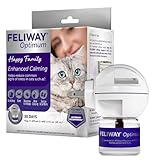
- HELPS REDUCE SIGNS OF STRESS USING A PATENTED PHEROMONE: FELIWAY Optimum is an advanced cat pheromone diffuser that helps reduce signs of stress in cats and helps ease tension between cats.*
- HELPS CATS FEEL CALM IN EVERYDAY SITUATIONS: FELIWAY Optimum is a cat calming diffuser that helps reduce stress‑related behaviors like urine spraying, scratching, hiding, and fearful reactions to change. Cat parents reported noticeable reductions in these behaviors, including a 77% reduction in urine spraying.
- SUPPORTS HARMONY IN MULTI‑CAT HOMES: Helps promote calmer interactions between cats. 72% of cat parents noticed reduced tension between their cats
- SAFE** AND NON-SEDATING: FELIWAY Optimum is not a sedative. It’s safe for use around cats, kittens, people and other pets.
- CONTINUOUS CALMING SUPPORT: This plug‑in cat pheromone diffuser provides 24/7 support when used as directed. To get started, plug into an open outlet with the vents pointed upward, allow at least 4 feet of clearance, and follow the label instructions.
4. Systemic illness, including hyperthyroidism and kidney disease
Hyperthyroidism is a possibility, particularly in middle-aged and older cats. It is not more common in one sex, so a female cat is affected on the same basis as a male. Accompanying signs can include weight loss despite a bigger appetite, increased thirst, restlessness or anxiety, vomiting, diarrhea, and vocalizing. Assessment involves a veterinary exam and thyroid hormone testing. Kidney health also needs consideration. Cornell’s discussion of cognitive dysfunction lists kidney disease and high blood pressure among possible contributors to night-time calling in older cats.
5. A territorial trigger
VCA notes that cats may caterwaul when another animal or person enters what they perceive as their territory, and that even an animal seen outside through a window can set it off. Think about what has changed nearby: a new neighborhood cat, wildlife in the garden, a houseguest, or a delivery person who now visits at a regular time. If the calling happens mostly near a particular window or door, that location is a useful clue to bring to your vet.
Rank #3

- HELPS REDUCE COMMON SIGNS OF TENSION BETWEEN CATS: FELIWAY MultiCat, developed by the #1 vet recommended brand, helps reduce common signs of tension between cats such as: conflict, fighting, chasing, and blocking
- ENHANCED CALM AT HOME FOR MULTICAT HOUSEHOLDS: FELIWAY MultiCat plug-in diffuser uses the science of pheromones to send calming messages that mimic a mother cat’s natural pheromones to help reduce tensions & conflicts. 84% of cat owners saw significant improvement in conflict between cats when using FELIWAY MultiCat
- DRUG FREE & SAFE TO USE: FELIWAY diffusers are drug-free, non-sedating, and while cat pheromone analogs may help your cat, they won't affect humans or other pets
- PROVIDES 4 WEEKS OF CALMING SUPPORT: With just one refill, the diffuser offers up to 30 days of continuous calming benefits, helping your cat feel calmer
- COVERS LARGE LIVING SPACES: Each diffuser covers an area up to 700sqft, ensuring widespread calming support throughout your home for cats of all ages. To get started, simply plug your diffuser into an open outlet with 4+ feet of space to diffuse, with the vents pointed upward
6. Stress or insecurity after a change
VCA mentions that cats can respond to change with caterwauling and links it to insecurity. Common triggers include moving house, a shift in your work schedule, new people or animals in the home, rearranged furniture, or a change in food, water, or litter box placement. Because the change here is sudden, a behavioral explanation should not be assumed until illness has been considered. A healthy cat whose routine has clearly shifted is the case where this category fits best.
7. Age-related sensory or cognitive change
Cornell describes cognitive dysfunction in cats as including altered sleep-wake cycles, disorientation, and loud vocalization that seems unprompted, often at night. These signs are often noticeable in cats ten years and older. Hearing or vision loss, along with medical conditions, can contribute to confusion or louder calling. Age does not make a new vocalization automatically harmless. Pain, thyroid disease, kidney disease, and high blood pressure can overlap with or imitate a behavioral change, so an older cat still needs a full veterinary exam.
Rank #4

- HELPS REDUCE CAT STRESS: FELIWAY Classic is a cat calming diffuser that helps individual cats feel calm and reduce stress behaviors like scratching, urine spraying, and hiding
- CREATES A CALMING HOME ENVIRONMENT: FELIWAY Classic uses calming pheromone messages that cats naturally understand to help them feel comfortable and safe during everyday changes in routine or environment. 9 out of 10 cat parents noticed reduced urine spraying and 8 out of 10 saw reduced scratching
- SAFE* AND NON-SEDATING: FELIWAY Classic is not a sedative. It’s safe for use around cats, kittens, people and other pets.
- CONTINUOUS CALMING SUPPORT FOR SHARED SPACES: Plug‑in cat pheromone diffuser provides 24/7 calming support. To get started, plug into an open outlet with vents pointed upward and allow 4+ ft of clearance, and follow the label instructions.
- #1 VET RECOMMENDED BRAND**: FELIWAY is the #1 vet recommended brand, and is backed by 30 years of feline stress expertise
Matching the clues to the next step
Symptoms overlap, and one row in the table below does not establish a cause. It is a way to decide how quickly to act.
| What you notice | Category to consider first | Suggested next step |
|---|---|---|
| Repeated straining with little or no urine | Urinary blockage (emergency) | Seek immediate veterinary care |
| Intact female, calling with rolling, rubbing, or raised rear posture | Heat (estrus) | Discuss spaying with your veterinarian |
| Hunched posture, hiding, less jumping or grooming | Pain or injury | Book a vet exam soon |
| Crying while urinating, frequent trips to the box, blood in urine | Lower urinary tract discomfort | Arrange a prompt vet visit |
| Weight loss with a bigger appetite or more thirst, especially in a middle-aged or older cat | Hyperthyroidism or kidney disease | Veterinary exam and thyroid testing |
| Calling at a window or door when an animal is nearby | Territorial trigger | Track the triggers; still have a sudden change checked |
| Recent household change, otherwise normal behavior and health | Stress or insecurity | Rule out illness first, then address the change |
| Older cat, night-time calling, confusion, changed sleep | Cognitive or sensory decline | Veterinary exam, including hearing and vision and medical contributors |
What to record before the vet visit
A few specific details help your veterinarian narrow the list faster than a general description does.
- When the meowing happens, including time of day, and whether it is mostly at night.
- How long each episode lasts and what the sound is like, such as a yowl, a chirp, or a low call. A short phone video of an episode is useful.
- Whether she is spayed, and any heat-like behavior.
- Recent changes at home or outdoors, including new animals, visitors, moves, or schedule shifts.
- Appetite, water intake, and any weight trend you have noticed.
- Litter box output, including how often she goes and whether anything looks different.
- Any signs of pain or reduced mobility, such as reluctance to jump or be handled.
What to avoid while you wait
- Do not give human pain relievers, and do not start supplements or prescription medication without your veterinarian’s direction.
- Do not scold or shut her away. The meowing is her signal that something is wrong or different, and punishment does not address the cause.
- Do not assume an anti-meowing product or calming aid will solve the problem. The cause has to be identified first, because the right response depends on it.
VCA’s advice on new or unusual vocalizations is direct: “If your cat begins making strange noises, start with a visit to your veterinarian to rule out medical problems.” Starting there is the most reliable way to find out which of the seven categories applies to your cat.
Quick Recap
Product prices and availability are accurate as of the date/time indicated and are subject to change. Any price and availability information displayed on Amazon at the time of purchase will apply.




