
PC Slower Than It Used to Be?
A free scan shows the junk files, broken settings and background clutter dragging Windows down - then fixes them in one click.Free scan · Windows 10 & 11Outdated Drivers Are Slowing You Down
One free scan finds every outdated or missing driver and matches the right update for your exact hardware.Free scan · exact hardware matchSome links on this page are affiliate links: if you buy through them we may earn a commission, at no extra cost to you.
Hiding or nervous behavior after adoption is usually a decompression response, not proof that your rescue pet dislikes you or that the adoption has failed. A new animal is processing unfamiliar smells, sounds, people, routines and handling while also coping with shelter stress, an unknown history and the loss of familiar cues. The ASPCA cautions that “Your adopted pet might feel nervous and overwhelmed.”
Give the pet a quiet retreat, predictable care and control over contact. Most animals gradually eat, explore and interact more as they learn that the home is safe. However, persistent withdrawal, changes in eating or toileting, illness signs or dangerous aggression require veterinary advice rather than a wait-and-see approach.
As an Amazon Associate I earn from qualifying purchases.
Free tools Windows power users keep installed
One-click scans. No signup required.
Why do rescue pets hide or act nervous after adoption?
Adoption changes nearly every environmental cue at once. A dog or cat may leave a noisy shelter, foster home or transport setting and enter a house with different flooring, echoes, appliances, scents, people and animals. Until the pet can predict what happens next, retreating or freezing is a sensible safety strategy.
Some animals also arrive with limited information about their past. They may not have experienced stairs, children, visitors, leashes, litter trays, crates or ordinary household sounds. A pet that seemed outgoing in a kennel can become quiet in a private home because the new setting presents unfamiliar choices and social pressure.
Popular on Amazon

- Removable squeaker for quiet time
- Inviting cute and cuddly plush
- Playful squeaker to entice play
Merck Veterinary Manual explains that minimizing stress in shelter animals supports welfare, safety and disease control. That stress does not necessarily end at the shelter door; moving again can temporarily suppress appetite, play and social behavior while the animal reassesses its surroundings.
Hiding by itself is not a diagnosis. Cats Protection notes that cats may hide for sleep, safety or play, while an increase in hiding can also signal stress, anxiety or illness. Look at the whole pattern: eating, drinking, toileting, posture, movement, grooming, sleep and responses to gentle interaction.
How long will a rescue pet hide?
There is no universal deadline. ASPCA’s 3-3-3 guideline describes a flexible adjustment pattern: the first three days may involve nervousness and overwhelm, the next three weeks often bring decompression and settling, and the first three months can involve continued trust-building and personality development. AAHA uses the same framework for rescue dogs. It is an expectation-setting tool, not a promise that every pet follows the calendar.
| Adjustment stage | What you may see | How to respond |
|---|---|---|
| First few days | Hiding, freezing, sleeping more, cautious movement, little appetite or limited drinking | Reduce noise and visitors; provide food, water, toileting access and a secure retreat without forcing interaction. |
| First few weeks | Brief exploration, inconsistent social contact, testing routines, gradual increases in eating or play | Keep schedules steady and expand access or introductions in small steps. |
| First few months | More recognizable personality, stronger attachment, new fears or skills emerging as confidence grows | Continue reward-based training, enrichment and calm boundaries; reassess any worsening or persistent signs with professionals. |
Individual histories matter. Cats Protection says many newly arrived cats hide for a few hours or longer and usually expects hiding for a few days at most, while recognizing that shelter experience and temperament vary. A cat that remains hidden beyond that period, eats less or stops using the litter tray should be assessed rather than judged against a rigid timetable.
Which behaviors suggest ordinary adjustment, and which suggest distress?
Observe trends instead of treating one quiet afternoon as evidence of a problem. AAHA’s behavior-management guidance lists hiding or attempted hiding, freezing, pacing, trembling, lowered posture, hypervigilance, appetite or thirst changes, social disengagement, grooming changes and increased reactivity among common anxiety signs in dogs and cats.
| Behavior | May fit decompression | Needs closer attention |
|---|---|---|
| Hiding | Pet emerges briefly for food, water, toileting or quiet exploration and gradually shows more activity. | Hiding is increasing, the pet never emerges, or it occurs with weakness, pain, breathing changes or other illness signs. |
| Eating and drinking | A short-lived reduction after the move, followed by a return toward normal intake. | No meaningful eating or drinking for more than a day or two in a dog, or reduced intake in a cat, especially with lethargy or vomiting. |
| Body language | Crouching, avoiding eye contact or startling that eases when the room is quiet. | Persistent trembling, frantic pacing, repeated escape attempts, escalating reactivity or inability to settle. |
| Grooming and toileting | Temporary changes while routines are established. | Overgrooming, poor grooming, house soiling, straining, inability to urinate or a sudden marked change. |
Cats Protection also lists withdrawal, sleeping more, reduced play, increased fear, restlessness and overgrooming as signs to monitor. A calm-looking cat can still be unwell, so a new pattern deserves attention even when there is no vocalizing or aggression.
Quick wins for a faster PC:
Fix the driver behind crashes, sound loss and screen glitchesFind Drivers →Repair Windows errors before they cause bigger problemsFix Now →Scan for outdated or missing drivers - takes under a minuteDriver Scan →What should I do during the first day?
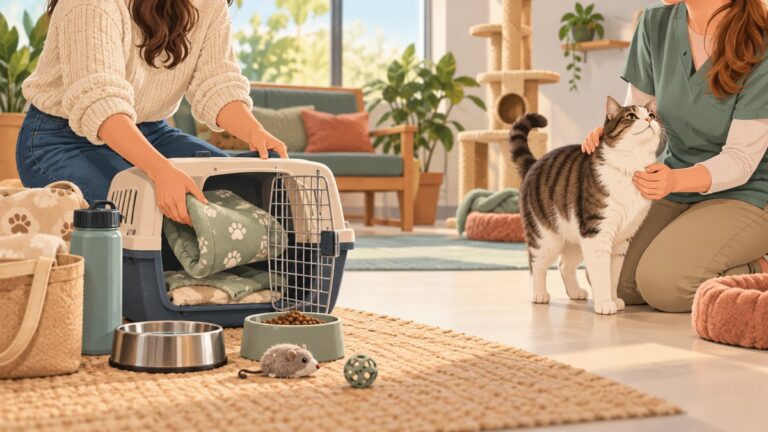
Make the first hours boring, quiet and controllable. Your goal is not to make the pet socialize immediately; it is to let the animal learn that basic needs are available and that retreat is respected.
- Prepare one low-traffic area. Use a room or gated section away from loud appliances and constant foot traffic. Place bedding, water, food and species-appropriate toileting supplies where the pet can reach them without crossing a busy room.
- Offer a genuine hiding option. A crate with the door secured open, a covered bed, a cardboard box or another safe retreat lets the animal choose distance. Do not block the entrance or reach inside to pull the pet out.
- Keep your movements predictable. Approach slowly, turn your body sideways and use a calm voice. Sit nearby and read or work quietly rather than staring, cornering or repeatedly touching the pet.
- Limit the audience. Postpone visitors, parties, introductions to children and nonessential handling. Tell everyone in the household that the pet’s retreat is off-limits.
- Record useful observations. Note approximate meals, drinking, urination, stool, sleep, hiding duration and any triggers. A simple log helps a veterinarian distinguish adjustment from a medical change.
How can I help a newly adopted dog feel safe?
Give the dog a secure retreat and a routine it can predict. AAHA notes that a dog may hide under tables, chairs or in a crate and may briefly refrain from eating or drinking after a major change.
Set up a dog-safe retreat
A crate, quiet room or gated area should contain comfortable bedding and allow the dog to enter and leave voluntarily. Keep children and other animals from crowding the entrance. You can invite the dog out or offer a treat, but AAHA’s guidance is explicit: “never force them out of their secure space until they are ready on their own.”
Also popular on Amazon
- Soft & Snuggly Comfort – This luxuriously plush toy is perfect for dogs who love to cuddle. Made with ultra-soft materials, it’s great for naptime, snuggle sessions, and gentle indoor play.
- Durable Construction for Light Chewers – Built with an extra layer of fabric, this KONG toy is designed to withstand softer chew sessions while maintaining its cuddly feel.
- Built-in Squeaker for Engaging Fun – The internal squeaker adds excitement and stimulation, encouraging your dog to stay active, alert, and mentally engaged during play.
- Minimal Stuffing Design – Created with a less stuffed body to reduce mess and make clean-up easy. Perfect for pet parents who value tidy playtime.
- Adorable Animal Characters – Available in charming animal designs like raccoons and alligators, this plush toy brings personality and variety to your dog’s toy collection.
Use a repeatable daily rhythm
Serve meals, take toilet breaks, walk, play and settle at roughly consistent times. Keep the first walks short and low-stimulation; avoid dog parks, busy sidewalks and ambitious training sessions until the dog can recover from ordinary sounds and movement.
What’s actually slowing this PC down?
Pick the symptom - the matching free tool is one click away.
Introduce people and dogs in stages
Ask visitors to ignore the dog at first and let the dog approach. For a resident dog, AAHA recommends meeting outside first, then progressing in small steps. Use separate feeding and resting areas, supervise all contact and provide an escape route. A growl is information that the dog needs distance, not a cue to punish it.
Know when reduced intake is too long
Contact a veterinarian if the dog is not eating or drinking for more than a day or two, is not beginning to settle, or develops vomiting, diarrhea, pain or marked lethargy. Persistent fear after medical issues are considered can justify help from a certified canine behavior consultant who uses reward-based, low-stress methods.
How can I help a newly adopted cat feel safe?
Start with a quiet acclimation room rather than giving immediate access to the whole house. Cats Protection advises placing food, water and litter nearby but not directly inside the hiding place, so the cat can meet essential needs without feeling trapped.
Provide several types of refuge
Offer a covered box or igloo-style bed and, where safe, an elevated perch. Quiet, covered and elevated options let the cat choose whether to hide low, observe from above or rest in the open. Keep each refuge stable and easy to clean, and make sure the cat cannot become trapped.
Let the cat control contact
Do not coax the cat out, drag it from a hiding place or repeatedly check by lifting the cover. Sit quietly in the room, speak softly and allow the cat to emerge on its own timetable. Cats Protection reassures adopters: “If you’ve brought home a new cat and they’re choosing to hide away, don’t worry.” That reassurance assumes the cat can eat, drink, toilet and receive medical attention when needed.
Expand territory gradually
Once the cat is eating, toileting and exploring the acclimation room, open access to another quiet area. Keep doors to unsafe spaces closed and maintain multiple litter, water and resting options as territory expands. Delay introductions to resident animals until the new cat is coping with the room itself; use scent exchange and brief, controlled visual contact before direct meetings.
Watch for medical clues
Call a veterinarian for prolonged hiding, reduced eating or drinking, poor grooming, house soiling, straining or other changes. Cats often conceal illness, and stress and disease can occur together. If medical causes are excluded but fear continues, ask for a qualified cat behaviorist.
How should I handle children, visitors and resident animals?
Social pressure can overwhelm a pet faster than the household realizes. Establish a “do not disturb” retreat and teach children to wait for the pet to approach, keep hands low and stop when the animal turns away. Never permit hugging, cornering, chasing or reaching into a crate or covered bed.
Recommended Free Tools
Also popular on Amazon

- 🐘【Quality Guarantee】Stuffed elephant is made of high-quality eco-friendly materials that are not only soft and comfortable but also durable and safe for children to play with.
- 🐘【Humanized Design】The shape of a large ear and head elephant plushies is cute and good-looking, light and easy to hold. The details of the little elephant's ears are very delicate and lifelike.
- 🐘【Safe Reliable】Through various quality tests and CPC child safety certification, ensure the safety and durability of toys, allowing you to use them with confidence.
- 🐘【Suitable Various Occasions】Suitable for children play with, sleep, room decor and other occasions, it is a warm companion when you are tired.
- 🐘【Perfect Gift】Inspired by the popular clever elephant, perfect elephant gift for children, lovers, friends, bring them warmth and touch.
Introduce one person or animal at a time, in short sessions, and end while the pet remains able to eat treats, sniff or disengage. For dogs, begin resident-dog meetings outdoors as AAHA recommends, then use parallel movement and separate indoor spaces. For cats, start with scent swapping and closed-door feeding before visual contact. Keep all interactions supervised until body language is consistently relaxed.
Independent reader supportYour contribution helps us test, update, and keep practical guides available for everyone.Which comfort items are useful, and how do I choose them?
Equipment can make choice and retreat easier, but no product substitutes for veterinary care, behavior support or gradual acclimation. Choose items that the pet can approach and leave freely, that are safe to clean and that do not create extra noise or pressure.
| Item | Useful role | Selection and safety checks |
|---|---|---|
| Dog crate or safe-haven bed | Provides a predictable retreat when access is voluntary. | Correct size, good ventilation, secure setup and no forced confinement during fear. |
| KONG Comfort Kiddos Elephant plush toy | AAHA names it as a potentially comforting item for a shy dog’s first days. | Inspect seams, remove damaged pieces and stop use if the dog shreds or guards it. |
| Covered cat hide or igloo bed | Creates a private, low-stimulation place to rest. | Use stable, washable materials with a wide exit; keep food, water and litter outside the hide. |
| Elevated cat perch | Lets a cat observe from a position that feels secure. | Anchor it safely and place it away from hazards, forced contact and competing pets. |
| Food-dispensing or puzzle feeder | Provides enrichment that may reduce stress once the pet is comfortable eating. | Introduce only when the animal can engage without pressure; remove it if frustration or arousal rises. |
When should I call a veterinarian or behavior professional?
Arrange routine veterinary care for every newly adopted pet, even when hiding appears behavioral. The examination can identify pain, parasites, infection, dental problems, urinary disease or other conditions that mimic anxiety and can establish a baseline for future changes.
For a dog, AAHA advises contacting a veterinarian when reduced eating or drinking or hiding persists beyond a day or two or the dog is not beginning to settle. For a cat, Cats Protection recommends assessment when hiding is prolonged or accompanied by changes in eating, drinking or toileting. Ask the veterinarian whether a qualified behavior professional is appropriate after medical causes are addressed.
Do these 3 things before closing this tab:
1Clear out junk files and repair common Windows errors2Scan for outdated or missing drivers - takes under a minute3Repair Windows errors before they cause bigger problemsSeek emergency veterinary help promptly for breathing difficulty, collapse, repeated vomiting, severe diarrhea, serious injury, inability to urinate, suspected toxin exposure or aggression that creates an immediate safety risk. These situations are not explained by a normal decompression timetable.
What common mistakes make nervous behavior worse?
- Pulling a pet from a crate, box or hiding place to “show” it the home.
- Allowing many visitors, children or animals to approach before the pet can retreat.
- Changing food, rooms, walking routes and schedules all at once.
- Punishing growls, hissing, accidents or defensive snapping instead of creating distance.
- Assuming a pet that eats one meal or accepts one touch is fully settled.
- Using enrichment, toys or training when the animal is too frightened to engage.
- Waiting through worsening appetite, thirst, toileting or illness signs because hiding is considered normal.
Progress is usually uneven. A pet may explore at night, retreat after a visitor or appear confident in one room and fearful in another. Judge improvement by recovery: shorter hiding periods, reliable eating and toileting, voluntary approach and an increasing ability to relax after ordinary events.
Frequently Asked Questions
Should I sleep in the same room as my hiding rescue pet?
Only if your presence is quiet and does not restrict the animal’s access to food, water, litter or a retreat. Some pets relax when they hear a calm person nearby; others need an undisturbed room. Follow the pet’s behavior rather than trying to maintain constant contact.
Can calming pheromone products replace a veterinary check?
No. Such products may be an optional environmental aid, but evidence and response vary by individual animal. They should never delay examination when appetite, drinking, toileting, breathing or energy changes.
How can I tell whether my rescue pet is beginning to trust me?
Look for voluntary behaviors such as resting while you are present, eating with you at a comfortable distance, choosing to approach, blinking or softening the body, and recovering more quickly after a mild startle. Trust is better measured by repeated choices and recovery than by one dramatic affectionate interaction.
Is it harmful to leave a newly adopted pet alone during the workday?
A safe, quiet setup can be preferable to continuous attention, provided the pet has water, appropriate food, toileting access and no hazards. Arrange a check-in for a pet that is very young, medically fragile, not eating or showing severe distress, and ask your veterinarian about an appropriate absence length.




Leave a Reply