
Some links on this page are affiliate links: if you buy through them we may earn a commission, at no extra cost to you.
Spicy, salty and fatty human foods can make dogs ill through different mechanisms. Capsaicin in hot peppers irritates the mouth and digestive tract; too much sodium can disrupt blood electrolytes and cause neurologic problems; and a rich, high-fat meal can trigger acute pancreatitis. Pizza, chips, wings and leftovers may combine all three risks and also contain onion or garlic. If your dog ate a substantial or unknown amount, or has symptoms, contact a veterinarian or animal poison-control service promptly rather than waiting for the problem to worsen.
Can dogs eat spicy food?
Dogs should not be given jalapeños, chili peppers, chili powder or spicy prepared foods. Capsaicin activates pain and heat receptors, creating a burning sensation in the mouth and stomach. PetMD reports that irritation can lead to vomiting, diarrhea and loss of appetite. VCA Animal Hospitals summarizes the practical risk: spicy food may not be a classic poison, but it is very likely to cause stomach upset.
As an Amazon Associate I earn from qualifying purchases.
Do these 3 things before closing this tab:
1Clear out junk files and repair common Windows errors2Scan for outdated or missing drivers - takes under a minute3Repair Windows errors before they cause bigger problemsWhat capsaicin does
Capsaicin is the compound that makes hot peppers feel hot. A dog’s reaction is usually local irritation rather than a whole-body toxic syndrome, but the digestive effects can still be significant. A dog may drool, paw at its mouth, vomit, develop loose stool or refuse food after eating a hot pepper or a dish seasoned with one. The amount that causes trouble varies with the dog, the recipe and how much was swallowed.
Is a bell pepper different?
Plain bell pepper is not the same as a hot pepper. The American Kennel Club says a small amount can be acceptable when it is served without salt, seasonings, onion or garlic. Do not use that guidance to justify giving a dog a pepper-based human dish: sauces, fillings and toppings can add capsaicin, sodium and fat even when the visible pepper looks mild.
Popular on Amazon
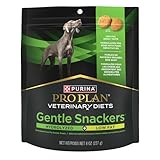
- Hydrolyzed dog treats formulated for dogs with food sensitivities
- Low fat Purina dog treats for dogs on a weight loss plan
- An excellent choice for dog owners searching for sensitive stomach dog treats
- Great-tasting weight management treats with an enticing, crunchy texture
- Purina Pro Plan Veterinary Diets treats made with a single hydrolyzed protein source
What happens if a dog eats salty chips or another high-sodium food?
Excess sodium draws water into the bloodstream and can disturb the body’s electrolyte balance. The ASPCA says excessive salt intake may cause increased thirst and urination and abnormal blood electrolytes; more serious exposures can progress to vomiting, diarrhea, depression, tremors, seizures and death. Pet Poison Helpline also describes stumbling, disorientation, tremors, seizures and collapse after sodium chloride overdose.
Symptoms to watch for
- Marked thirst or unusually frequent urination
- Vomiting or diarrhea
- Depression, weakness or unusual lethargy
- Stumbling, disorientation or other changes in coordination
- Tremors, seizures or collapse
A salty snack may look small, but the relevant exposure is the sodium in the entire serving and the dog’s body size and health. Chips, pretzels, salted meats, instant foods, gravies and seasoning packets can all contribute. There is no single safe-looking portion that applies to every dog, so an uncertain or large ingestion deserves a prompt veterinary call.
Why rock salt and de-icers need extra caution
Rock salt and other de-icing products can expose a dog to a concentrated sodium load. The Royal Society for the Prevention of Cruelty to Animals warns that high blood sodium can cause vomiting, lethargy, convulsions and kidney damage. Treat ingestion of these products as a poisoning concern, not as an ordinary dietary indiscretion.
Can fatty table scraps cause pancreatitis in dogs?
Yes. A high-fat meal, such as greasy table scraps or fatty meat, can trigger acute pancreatitis, an inflammation of the pancreas. The American Animal Hospital Association specifically warns that a single indulgence can trigger an episode, especially in a pet that has had pancreatitis before. The Food and Drug Administration also lists fatty foods among edible items that can be dangerous for pets.
Also popular on Amazon

- LOW FAT, FULL FLAVOR: Scientifically crafted with significantly less fat than standard treats; allows you to indulge your dog's desire for rewards without contributing to weight gain or breaking their diet.
- REAL CHICKEN LIVER #1: We don't rely on added fats or sugars to make our treats tasty; we use fresh, real chicken liver as the #1 ingredient to deliver the savory, high-value taste dogs crave naturally.
- GUILT-FREE REWARDING: The perfect solution for dogs on a weight management plan; now you can keep the bond strong and reward good behavior frequently without the calorie anxiety.
- SOFT & SATISFYING: Features a moist, chewy texture that feels like a "real" treat, not a dry diet biscuit; provides a satisfying mouthfeel that keeps your dog happy and engaged.
- AMERICAN HERITAGE SINCE 1947: Family-founded by a WWII veteran and proudly made in the USA with world’s finest ingredients; our proprietary slow-cooking method locks in the natural liver flavor so we don't have to spray on fat.
Signs of pancreatitis
- Repeated vomiting
- Diarrhea
- Loss of appetite or refusal to eat
- Abdominal pain
- Lethargy or marked weakness
Severe pancreatitis can be life-threatening. A dog does not need to eat a large plate of food for the risk to matter, and a previous uneventful reaction does not make the next exposure safe. Dogs with a pancreatitis history, obesity or another diagnosed condition need a feeding plan set by their veterinarian rather than informal table-food trials.
Why are pizza, wings, chips and leftovers especially risky?
Mixed dishes can deliver capsaicin, sodium and fat in the same bite, so assessing only one ingredient can underestimate the danger. A pizza crust may be less important than its oily cheese, salty meat and seasoned sauce; a wing may carry hot sauce and a fatty skin; and a chip may be both heavily salted and fried.
The Tool Desk
Outbyte Driver Updater FREEScan for outdated or missing drivers - takes under a minuteDriver Scan →Outbyte PC Repair FREEClear out junk files and repair common Windows errorsFree Scan →| Food or dish | Possible hazards | What to check |
|---|---|---|
| Pizza and rich pasta | Fat, salt, chili in sauce, and allium seasonings | Cheese and meat quantity; sauce and seasoning list |
| Hot wings or spicy fried food | Capsaicin, frying fat and sodium | Hot sauce, breading, skin and dipping sauces |
| Chips, pretzels and snack mixes | Concentrated salt and added fats | How much was eaten and whether the mix contains seasoned nuts or powders |
| Gravy, marinades and party dips | Fat, salt, chili, onion or garlic | Recipe, packet ingredients and serving size |
Onion, garlic, chives and leeks add a separate hazard. The ASPCA says these alliums can irritate the gastrointestinal tract and damage red blood cells. If a dish contains them, report that ingredient when you call, even if the portion of meat or bread seemed modest.
What should I do if my dog ate a jalapeño, pepperoni, pizza or salty snack?
Act on the actual ingredients, amount and the dog’s condition rather than guessing from the food’s name. Use this sequence:
Also popular on Amazon

- LOW-FAT FORMULA: These lean treats offer a low-calorie count, supporting a balanced diet for your dog's healthy lifestyle, especially beneficial for dogs that are overweight or in need of weight loss
- REAL CHICKEN FLAVOR: Crafted with genuine skinless chicken, providing a natural taste and quality nutritional ingredients
- SOFT & PALATABLE: Designed with a tender texture, making them easy for dogs of all sizes, large or small, to chew and digest
- PORTION-CONTROLLED BITES: Convenient bite-sized pieces assist in managing your dog's treat intake, perfect as a snack
- MADE IN THE USA: Manufactured under rigorous standards to guarantee quality in every treat, suitable even for dogs with pancreatitis
- Remove access. Take away the remaining food, wrappers and seasoning containers so the dog cannot eat more.
- Save identifying information. Keep the package, take a photograph of the label or write down the recipe. Include sauces, spice blends, onion, garlic and de-icers.
- Estimate the exposure. Note what was eaten, how much may be missing, when it happened, the dog’s weight and any medical history such as previous pancreatitis.
- Call for case-specific advice. Contact your veterinarian or an animal poison-control service promptly for a large, unknown or potentially toxic exposure. The RSPCA’s guidance is not to “watch and wait” when poisoning is suspected.
- Follow only professional instructions. Do not give salt water to induce vomiting, and do not give human medicines unless a veterinarian specifically directs you. Home treatment can add sodium or delay appropriate care.
Have the dog’s current symptoms and the product information in front of you during the call. A professional can decide whether home observation, an examination, testing or emergency treatment is appropriate for that particular exposure.
When is a spicy, salty or fatty-food exposure an emergency?
Seek urgent veterinary care for any severe or rapidly worsening sign, especially:
Free tools Windows power users keep installed
One-click scans. No signup required.
- Repeated vomiting or diarrhea
- Severe abdominal pain, a tense abdomen or inability to settle
- Marked thirst accompanied by weakness, depression or confusion
- Tremors, seizures, stumbling, collapse or extreme lethargy
- Refusal to eat after a fatty-food exposure
- Breathing difficulty or any sudden deterioration
Do not wait for every symptom to appear. Sodium disturbances and pancreatitis can become dangerous, and the absence of immediate signs does not identify how much was absorbed or which ingredients were present.
How much salt is dangerous for a dog?
Authoritative veterinary sources do not establish one universal toxic dose that can be safely applied to every dog. Risk depends on the sodium concentration, the amount swallowed, the dog’s size, access to fresh water, health history and whether other ingredients are involved. That is why a veterinarian or poison-control service should calculate the concern from the specific product and exposure instead of relying on a rule of thumb.
Also popular on Amazon

- Nutritional Value: Sweet potatoes offer a rich array of essential nutrients, including vitamins, minerals, and fiber, which support your dog's overall health and well-being
- Digestibility: Sweet potato dog chews strips are easily digested by most dogs, making them a suitable option even for those with sensitive stomachs or digestive issues
- Low Fat and Low Calorie Dog Treats: Sweet potato chews strips are low in fat compared to many commercial dog treats, making them a healthier choice, particularly for dogs prone to weight gain or obesity
- Dental Health: Chewing sweet potato chews strips helps reduce plaque and tartar buildup, promoting better oral hygiene and fresher breath for your dog
- Hypoallergenic Nature: Sweet potatoes are hypoallergenic, making them ideal for dogs with food allergies or sensitivities to common proteins like chicken or beef
Never use salt water as a do-it-yourself vomiting method. Pet Poison Helpline identifies salt-water induction as unsafe, and the extra sodium can worsen the very problem you are trying to treat.
How can I prevent these food-related illnesses?
Control access
- Keep snack bowls, takeout containers, leftovers and seasoning jars behind a closed door or in a secured bin.
- Clean dropped food promptly during parties and cooking.
- Store rock salt and de-icers where a dog cannot chew the container or lick spills from paws.
- Tell every household member and guest not to share spicy peppers, salty snacks, greasy meat, fried foods or sauces.
Choose rewards deliberately
Use measured, dog-appropriate treats instead of table scraps. When a veterinarian recommends fat restriction, a low-fat dog-treat category is a more relevant alternative than human leftovers; the label still needs to be checked for fat, sodium and ingredient complexity. Treats should complement, not replace, a complete diet.
Quick wins for a faster PC:
Clear out junk files and repair common Windows errorsFree Scan →Fix the driver behind crashes, sound loss and screen glitchesFind Drivers →| Reward choice | Fat and sodium considerations | Best use |
|---|---|---|
| Measured dog-appropriate treat | Check the guaranteed analysis and ingredient list; portion matters | Routine training when compatible with the dog’s diet |
| Veterinarian-approved low-fat treat | Selected for a diagnosed need, not simply a “light” marketing claim | Dogs with pancreatitis risk or a prescribed fat limit |
| Plain bell pepper, unseasoned | No added salt, oil, onion, garlic or hot pepper; offer only a small amount | Occasional produce reward if the dog tolerates it |
| Human spicy, salty or fatty leftovers | Unpredictable sodium, fat, capsaicin and hidden seasonings | Avoid |
For a dog with pancreatitis, obesity or another medical condition, ask the veterinarian to set the acceptable treat type and daily portion. A product label cannot replace that individualized advice.
Independent reader supportYour contribution helps us test, update, and keep practical guides available for everyone.What is established about these exposures—and what is not?
The mechanisms and warning signs are well described by veterinary and animal-welfare organizations, but there is no reliable population-wide percentage showing how often dogs become ill after eating these foods. A tiny taste, a large serving, a concentrated seasoning or a de-icer spill are not equivalent exposures. The safest interpretation is case-specific: identify every ingredient, estimate the amount and obtain professional guidance when the exposure is substantial, uncertain or symptomatic.
Also popular on Amazon

- USA-Sourced Turkey Tendons: These turkey tendon dog treats feature turkey tendon raw material sourced from the USA, delivering a satisfying chew and naturally savory character.
- Naturally Low Fat: For pet parents comparing low fat dog treats, this lean turkey option offers a satisfying chew that fits naturally into everyday treats and rewards.
- All-Natural Quality: Made with premium ingredients, these all natural dog treats give pet parents a dependable turkey option with a satisfying tendon chew for the treat jar.
- Rich Turkey Taste: A naturally savory profile and satisfying chew make these turkey dog treats an appealing change of pace, while AFreschi adds meaty variety to everyday treat time.
- Satisfying Dog Chews: Their substantial format turns an ordinary reward into an enjoyable chew, giving pet parents a distinctive choice among turkey treats for dogs.
Frequently Asked Questions
Can one bite of pizza make a dog sick?
It can, but the outcome cannot be predicted from the word “pizza” alone. The relevant variables are the dog’s size and health, the amount actually swallowed, and whether the slice carried hot sauce, heavy fat, substantial salt, onion or garlic. If any of those details are unknown, call a veterinarian for an exposure assessment.
How common is illness after dogs eat spicy, salty or fatty foods?
There is no dependable population-level incidence percentage from the available veterinary guidance. Reports focus on how capsaicin irritates, how sodium disrupts electrolytes and how fat can precipitate pancreatitis, so risk is individualized rather than expressed as one universal probability.
Can a dog that previously had pancreatitis ever receive a table-food treat?
Do not make that decision from a general treat list. The American Animal Hospital Association warns that one fatty indulgence can trigger another episode, so the dog’s veterinarian should specify acceptable ingredients, fat limits and portions for that individual.
What details should I have ready when I call about an ingestion?
Provide the dog’s approximate weight, age and relevant diagnoses, the product or recipe, every seasoning or sauce, the estimated amount missing, the time of ingestion and current symptoms. A photo of the package or ingredient panel can help the clinician distinguish sodium, capsaicin, fat and allium exposure.





Leave a Reply