Free tools Windows power users keep installed
One-click scans. No signup required.
A mild, rhythmic vibration that happens only while your cat purrs may simply be the purr resonating through the body. But purring does not prove a cat feels comfortable: cold, fear, pain, and medical problems can also cause shaking. The key clues are whether the movement stops when purring stops, how intense or sudden it is, and whether your cat has other symptoms.
First, tell a purr vibration from shaking that needs attention
Watch the episode without trying to restrain your cat. A gentle, even vibration closely synchronized with purring is different from pronounced, irregular, or uncontrolled movement. Note whether the shaking stops when the purring stops, whether it occurs while your cat is resting or moving at other times, and whether your cat is otherwise behaving normally. These clues can guide urgency, but they cannot diagnose the cause at home.
As an Amazon Associate I earn from qualifying purchases.
- More consistent with ordinary purr vibration: mild, rhythmic movement only during purring, with no change in breathing, alertness, walking, appetite, or behavior.
- More concerning: shaking that is new, persistent, repeated, worsening, intense, or present when your cat is not purring; or shaking accompanied by weakness, pain, vomiting, poor coordination, or unusual behavior.
- Potential exposure: access to medication, chemicals, plants, rodenticide, or a flea or tick product intended for dogs makes prompt veterinary contact important.
A veterinary-authored overview notes that purring itself can create chest and body vibration, while veterinary guidance also cautions that cats may purr when stressed or in pain. See Chewy Health’s guide to shaking in cats and PetMD’s overview of feline tremors.
Do these 3 things before closing this tab:
1Clear out junk files and repair common Windows errors2Fix the driver behind crashes, sound loss and screen glitches3Repair Windows errors before they cause bigger problemsFour possible reasons a cat may shake while purring
1. The purr creates a visible vibration
Some cats’ purrs are strong enough to make the chest or body visibly vibrate. This is more plausible when the motion is mild and rhythmic, occurs only during purring, and your cat otherwise seems normal. It is not a safe explanation for every episode: a new, pronounced, persistent, or independent tremor deserves veterinary advice.
#1 Best Overall
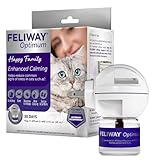
- HELPS REDUCE SIGNS OF STRESS USING A PATENTED PHEROMONE: FELIWAY Optimum is an advanced cat pheromone diffuser that helps reduce signs of stress in cats and helps ease tension between cats.*
- HELPS CATS FEEL CALM IN EVERYDAY SITUATIONS: FELIWAY Optimum is a cat calming diffuser that helps reduce stress‑related behaviors like urine spraying, scratching, hiding, and fearful reactions to change. Cat parents reported noticeable reductions in these behaviors, including a 77% reduction in urine spraying.
- SUPPORTS HARMONY IN MULTI‑CAT HOMES: Helps promote calmer interactions between cats. 72% of cat parents noticed reduced tension between their cats
- SAFE** AND NON-SEDATING: FELIWAY Optimum is not a sedative. It’s safe for use around cats, kittens, people and other pets.
- CONTINUOUS CALMING SUPPORT: This plug‑in cat pheromone diffuser provides 24/7 support when used as directed. To get started, plug into an open outlet with the vents pointed upward, allow at least 4 feet of clearance, and follow the label instructions.
2. Your cat is cold
Cats may shiver when cold, and a cat seeking a warm place may provide useful context. Move your cat to a comfortable, warm indoor spot and observe, but do not assume temperature is the cause if shaking is pronounced, continues, returns, or comes with other symptoms. A veterinarian can help determine whether there is another cause.
3. Your cat is stressed or afraid
Fear or emotional stress can cause trembling, and a cat may purr while stressed rather than content. If an identifiable environmental disturbance is present, give your cat access to a quiet, familiar place and avoid forcing contact. If shaking persists or recurs, discuss it with a veterinarian instead of treating it as stress by default.
4. Your cat may be in pain
Purring does not rule out discomfort. Look for accompanying changes such as hiding, limping, reluctance to move or be touched, or unusual vocalizing. If you suspect pain, contact a veterinarian; do not press or manipulate a painful area to test it.
Rank #2

- Help Your Cat Feel Safe Again: Create a calmer, more comfortable home with advanced calming pheromone technology that helps reduce common signs of stress including hiding, scratching, urine spraying, conflicts between cats, and nervous behavior. Ideal for everyday emotional support
- Continuous 120-Days Comfort: Each refill delivers calming support for up to 30 days when used continuously, package include: 2 diffusers, 4 refills. Designed to cover rooms up to approximately 750 sq ft, making it perfect for bedrooms, living rooms, and multi-cat households
- Supports Positive Everyday Behavior: Whether introducing a new pet, moving into a new home, welcoming visitors, or dealing with loud noises such as fireworks or thunderstorms, the diffuser helps cats feel more secure and adapt to changes more comfortably
- Easy Plug-In, No Daily Effort: Simply plug the diffuser into an open wall outlet and let it work around the clock. No sprays, no pills, no complicated routines—continuous calming support with minimal maintenance
- Trusted Care for Cats of Every Age: Suitable for kittens, adult cats, senior cats, and multi-cat families. Designed to support a peaceful home environment while helping strengthen the bond between cats and their owners
Other medical causes are possible
The four explanations above are not a complete medical differential. Involuntary tremors may be associated with toxin exposure, low blood sugar, liver or kidney disease, infection, electrolyte imbalance, temperature extremes, injury, pain, or neurological conditions. Seizures and tremors can be difficult for an owner to distinguish, so a description or video can help a veterinary team assess what happened. Treatment depends on the underlying cause.
Independent reader supportYour contribution helps us test, update, and keep practical guides available for everyone.When to contact a veterinarian
Call promptly for sudden, repeated, or symptomatic shaking
Contact your veterinarian promptly if shaking begins suddenly, recurs, is intense, or occurs with weakness, trouble walking, vomiting, diarrhea, drooling, appetite changes, or abnormal behavior. Possible access to medication, dog flea or tick products, plants, household chemicals, or rodenticide also warrants urgent veterinary contact. Tell the clinic what your cat may have encountered and when; do not wait for symptoms to worsen before calling about a suspected exposure.
Seek emergency care for severe signs
Go to an emergency veterinary service for difficulty breathing, collapse, seizure-like activity, uncontrolled shaking, loss of awareness, or serious trauma. If poisoning is possible, contact a veterinarian immediately. Cats Protection advises against inducing vomiting at home; follow a veterinary professional’s instructions instead. See Cats Protection’s 2025 guide to keeping cats safe and Hill’s Pet US guidance on shaking and shivering.
Rank #3

- HELPS REDUCE COMMON SIGNS OF TENSION BETWEEN CATS: FELIWAY MultiCat, developed by the #1 vet recommended brand, helps reduce common signs of tension between cats such as: conflict, fighting, chasing, and blocking
- ENHANCED CALM AT HOME FOR MULTICAT HOUSEHOLDS: FELIWAY MultiCat plug-in diffuser uses the science of pheromones to send calming messages that mimic a mother cat’s natural pheromones to help reduce tensions & conflicts. 84% of cat owners saw significant improvement in conflict between cats when using FELIWAY MultiCat
- DRUG FREE & SAFE TO USE: FELIWAY diffusers are drug-free, non-sedating, and while cat pheromone analogs may help your cat, they won't affect humans or other pets
- PROVIDES 4 WEEKS OF CALMING SUPPORT: With just one refill, the diffuser offers up to 30 days of continuous calming benefits, helping your cat feel calmer
- COVERS LARGE LIVING SPACES: Each diffuser covers an area up to 700sqft, ensuring widespread calming support throughout your home for cats of all ages. To get started, simply plug your diffuser into an open outlet with 4+ feet of space to diffuse, with the vents pointed upward
What to record before the veterinary call
If it is safe and does not delay urgent care, take a short video of the movement. Make a brief note of:
- When the episode began, how long it lasted, and how often it has happened.
- Whether your cat was awake and purring, and whether the movement stopped when purring stopped.
- Whether the shaking was mild and rhythmic or irregular, intense, or uncontrolled.
- Any possible access to toxins, medication, plants, chemicals, or flea and tick products.
- Changes in appetite, drinking, walking, behavior, breathing, vomiting, or diarrhea.
Depending on the history and examination, a veterinarian may recommend a physical or neurological examination, blood work, urinalysis, or imaging. As PetMD’s tremor overview explains, the appropriate assessment and management depend on the suspected cause.
Quick Recap
Product prices and availability are accurate as of the date/time indicated and are subject to change. Any price and availability information displayed on Amazon at the time of purchase will apply.




