The United States had not authorized an HPAI vaccine for commercial poultry as of APHIS’s May 31, 2026 update; APHIS noted only case-by-case use for certain endangered or zoo species. USDA is exploring poultry vaccination and funding vaccine research, but those steps are not approval or a rollout decision. Before publication, check APHIS for any status change after that update.
What is the current U.S. policy?
USDA said on March 20, 2025, that it would explore the viability of vaccinating poultry against highly pathogenic avian influenza (HPAI), commonly called bird flu. At that time, USDA stated that vaccine use had not been authorized and said it would seek input from state and federal partners, veterinarians, farmers, public-health stakeholders, and the public before making a determination.
APHIS’s HPAI Poultry Innovation Grand Challenge supports work on prevention, therapeutics, vaccine development, and research. Its program page, last updated May 31, 2026, says no HPAI vaccine had been authorized for use, apart from case-by-case use in certain endangered or zoo species. Funding projects and evaluating vaccine candidates do not make a vaccine available for commercial chicken flocks.
USDA’s February 2026 poultry response page describes a five-pronged approach that includes biosecurity and exploring vaccines, therapeutics, and other strategies to protect egg-laying chickens. USDA reports investing $100 million in related projects and soliciting public input while holding discussions with state and industry stakeholders. That work is policy development, not a nationwide vaccination announcement.
What’s actually slowing this PC down?
Pick the symptom - the matching free tool is one click away.
#1 Best Overall

- Precision-Engineered for Animal Comfort: Tri-beveled stainless steel cannula with anti-coring tips and silicone coating ensures smooth, low-resistance insertion to reduce discomfort in livestock.
- Durable, Break-Resistant Design: Constructed with a regular wall stainless steel cannula for maximum strength and reliability during injections or medical procedures.
- Color-Coded by Gauge Size: Follows ISO standards for quick and easy identification—perfect for fast-paced farm or veterinary environments.
- Polypropylene Hub for Visibility: Clear hub design enables flashback viewing for accurate and efficient administration of medication or vaccines.
- Sterile & Long-Lasting: Each needle is individually sterile with a 5-year sterility guarantee—ideal for stocking up without concern for expiration.
What would a poultry vaccine need to do?
USDA and APHIS describe desired qualities for candidate vaccines, not an approved product. A candidate would need to match circulating virus clades, demonstrate safety and effectiveness, and provide protection that lasts. Ideally, it would also be compatible with surveillance that can distinguish vaccinated animals from infected ones.
This distinction is called DIVA: differentiating infected from vaccinated animals. In plain language, vaccination must be compatible with testing and monitoring that can identify infection in a vaccinated flock. USDA also lists practical, low-cost mass or automated administration, suitability across avian species and ages, and the potential for licensing by USDA’s Center for Veterinary Biologics among its goals.
Rank #2

- Precision-Engineered for Animal Comfort: Tri-beveled stainless steel cannula with anti-coring tips and silicone coating ensures smooth, low-resistance insertion to reduce discomfort in livestock.
- Durable, Break-Resistant Design: Constructed with a regular wall stainless steel cannula for maximum strength and reliability during injections or medical procedures.
- Color-Coded by Gauge Size: Follows ISO standards for quick and easy identification—perfect for fast-paced farm or veterinary environments.
- Polypropylene Hub for Visibility: Clear hub design enables flashback viewing for accurate and efficient administration of medication or vaccines.
- Sterile & Long-Lasting: Each needle is individually sterile with a 5-year sterility guarantee—ideal for stocking up without concern for expiration.
Why not vaccinate every chicken now?
Vaccine performance and surveillance must work together
A vaccine would need to match the viruses circulating in the United States and provide effective, durable protection. Surveillance also needs to find infection in vaccinated birds. USDA’s stated priorities include compatibility with DIVA and serologic testing; these are requirements for evaluating candidates, not evidence that a candidate is ready for general use.
Commercial-scale delivery is a practical challenge
A poultry program would need a workable way to administer vaccine across commercial flocks and keep accurate records. USDA’s candidate criteria include practical, low-cost mass or automated administration. The research dossier does not establish that a finalized U.S. vaccination program or delivery plan has been selected.
Rank #3

- Precision-Engineered for Animal Comfort: Tri-beveled stainless steel cannula with anti-coring tips and silicone coating ensures smooth, low-resistance insertion to reduce discomfort in livestock.
- Durable, Break-Resistant Design: Constructed with a regular wall stainless steel cannula for maximum strength and reliability during injections or medical procedures.
- Color-Coded by Gauge Size: Follows ISO standards for quick and easy identification—perfect for fast-paced farm or veterinary environments.
- Polypropylene Hub for Visibility: Clear hub design enables flashback viewing for accurate and efficient administration of medication or vaccines.
- Sterile & Long-Lasting: Each needle is individually sterile with a 5-year sterility guarantee—ideal for stocking up without concern for expiration.
Vaccination can affect trade and monitoring
APHIS’s account of France offers an example of the trade considerations. France vaccinated commercial meat ducks and some breeding ducks, and U.S. restrictions on certain poultry imports took effect October 1, 2023. In January 2025, APHIS announced reductions to some restrictions after a risk evaluation. The example shows that vaccination can affect trade assessments and surveillance; it does not mean the United States will adopt France’s approach.
Vaccination would not replace biosecurity
APHIS identifies wild birds as a primary source of HPAI transmission and notes that people can carry contamination on boots, clothing, equipment, and vehicles. Keeping wild birds away from domestic poultry and controlling contamination remain important regardless of vaccine research or any future policy decision.
Rank #4
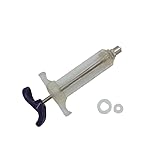
- Available in 4 Sizes: Choose from 10cc, 20cc, 30cc, and 50cc syringes to suit different animal sizes and dosing needs on the farm or in the clinic.
- Durable & Long-Lasting: Constructed from unbreakable, high-strength plastic designed for frequent use in tough agricultural and veterinary environments.
- Versatile Usage: Compatible with both needles and drencher cannulas—perfect for injections or oral fluid delivery in livestock, equine, and other animals.
- Secure Needle Fit: Designed to work with both Luer-lock and Luer-slip needles, ensuring a tight, leak-proof seal for safe and accurate treatment.
- Easy to Clean & Reuse: Quickly disassemble and boil the syringe for complete sterilization and hygiene. Each unit is blister packed for immediate use.
What should chicken owners do now?
- Do not assume a vaccine is approved or available for routine flock use. As of APHIS’s May 31, 2026 update, there was no general authorization for poultry vaccination. Ask your state animal-health authority or veterinarian for current guidance.
- Reduce contact between domestic poultry and wild birds. Take practical steps to prevent direct and indirect contact, including exposure to shared water sources.
- Control footwear, clothing, equipment, and vehicles. APHIS warns that people can inadvertently carry contamination. Use appropriate cleaning and disinfection practices and follow product labels and official instructions.
- Limit unnecessary visitors and movement between poultry areas. Reduce opportunities for contaminated materials to reach birds.
- Seek veterinary and official guidance if birds appear sick. Follow instructions from animal-health authorities about isolation, reporting, and movement.
How many birds have been affected?
APHIS reported that more than 166 million birds had been affected, including chickens, turkeys, ducks, pheasants, and geese. This is the cumulative figure on its page last modified May 31, 2026, not a live count.
Independent reader supportYour contribution helps us test, update, and keep practical guides available for everyone.FAQ
Has the United States started vaccinating commercial chickens against bird flu?
APHIS’s latest direct status located for this article, dated May 31, 2026, says no HPAI vaccine had been authorized for poultry except case-by-case use in certain endangered or zoo species. Check APHIS for any later change.
Do these 3 things before closing this tab:
1Repair Windows errors before they cause bigger problems2Scan for outdated or missing drivers - takes under a minute3Clear out junk files and repair common Windows errorsBest Value

- Precision-Engineered for Animal Comfort: Tri-beveled stainless steel cannula with anti-coring tips and silicone coating ensures smooth, low-resistance insertion to reduce discomfort in livestock.
- Durable, Break-Resistant Design: Constructed with a regular wall stainless steel cannula for maximum strength and reliability during injections or medical procedures.
- Color-Coded by Gauge Size: Follows ISO standards for quick and easy identification—perfect for fast-paced farm or veterinary environments.
- Polypropylene Hub for Visibility: Clear hub design enables flashback viewing for accurate and efficient administration of medication or vaccines.
- Sterile & Long-Lasting: Each needle is individually sterile with a 5-year sterility guarantee—ideal for stocking up without concern for expiration.
Is a bird-flu vaccine approved for chickens in the United States?
As of the cited APHIS update, there was no general authorization for HPAI vaccination of poultry. USDA was exploring vaccination and supporting candidate research, which is not the same as approval.
Why isn’t the U.S. vaccinating poultry against bird flu?
USDA’s stated priorities include matching circulating viruses, safety and efficacy, durable protection, surveillance that can distinguish vaccinated from infected birds, and practical mass administration. Trade and monitoring implications also matter.
Does funding vaccine research mean farmers can vaccinate their flocks?
No. Research funding supports development and evaluation; it does not authorize vaccine use or announce a commercial-flock rollout.
What should backyard chicken owners do?
Follow current advice from a veterinarian and state animal-health authority. Reduce contact with wild birds, control contamination carried on footwear and equipment, and follow official cleaning, disinfection, isolation, and reporting instructions.
Quick Recap
Product prices and availability are accurate as of the date/time indicated and are subject to change. Any price and availability information displayed on Amazon at the time of purchase will apply.




