If you think your cat has worms, contact a veterinarian and, if possible, bring a fresh stool sample or a clear photo of anything worm-like. Do not choose a dewormer based only on appearance: different parasites require different tests and treatments, and symptoms such as vomiting or diarrhea cannot identify the cause by themselves.
Seek prompt veterinary advice for a kitten or a weak cat, or if your cat has pale gums, ongoing vomiting or diarrhea, marked weight loss, or black, tarry stool. Kittens and debilitated cats can become seriously ill from some infections.
What kinds of worms affect cats?
Worms are not one disease. Roundworms, hookworms, whipworms, tapeworms, and heartworms affect cats, but they differ in where they live, how cats acquire them, and how veterinarians diagnose and treat them. Heartworm disease is mosquito-transmitted and is not the same as an intestinal worm infection.
| Worm | Possible clue | Common route of exposure |
|---|---|---|
| Roundworms | Sometimes visible in stool or vomit; infection can also cause poor growth or a pot-bellied appearance, especially in kittens | Infective eggs or infected prey |
| Hookworms | Often not visible; possible signs include pale gums, weakness, weight loss, or dark, tarry stool | Contaminated environments, skin exposure, ingestion, or infected prey |
| Tapeworms | Segments may look like grains of rice or cucumber seeds near the anus or on feces | Swallowing an infected flea or eating infected prey |
| Whipworms | May require fecal testing; signs vary | Exposure to infective stages in the environment |
| Heartworms | May cause respiratory or other illness; signs alone cannot confirm it | Bites from infected mosquitoes |
Some cats show no obvious signs. Vomiting, diarrhea, weight loss, coughing, or a poor coat can have causes other than worms, so an owner’s observations should be shared with a veterinarian rather than treated as a diagnosis.
Quick wins for a faster PC:
Repair Windows errors before they cause bigger problemsFix Now →Scan for outdated or missing drivers - takes under a minuteDriver Scan →Clear out junk files and repair common Windows errorsFree Scan →#1 Best Overall

- Fresh scented
- Kills and repels fleas and ticks, plus prevents flea eggs from hatching for 7 months. Can be worn simultaneously with your cat's regular collar
- Water-resistant design won't cause loss of effectiveness if your favorite feline takes a stroll in the rain
- Features a breakaway, safety release snap
- For use on adult cats and kittens 12 weeks of age and older
How do I know if my cat has worms?
Visible evidence can raise suspicion, but it cannot identify every parasite. Fresh tapeworm segments may resemble grains of rice or cucumber seeds on feces or around the anus. Many other worms are not visible to the owner. A veterinarian may examine a stool sample and recommend additional tests based on the cat’s signs and suspected parasite.
Routine fecal testing may miss tapeworms. A negative result does not always rule out infection, so tell the veterinarian if you saw segments and show a photo or sample if you have one.
What should I do if I see worms in my cat’s poop?
- Check for concerning signs. Contact a veterinarian promptly for a kitten, a weak or debilitated cat, pale gums, ongoing vomiting or diarrhea, marked weight loss, or black, tarry stool.
- Call your veterinarian. Describe your cat’s age, symptoms, outdoor access, hunting, flea exposure, and any previous parasite medication.
- Save useful evidence. If possible, take a clear photo and bring a fresh stool sample. Ask the clinic how to collect and store the sample.
- Do not guess at treatment. Ask the veterinarian to select a product and schedule based on the suspected parasite, the cat’s age and weight, and the product label.
- Clean up promptly. Remove feces from the litter box and wash your hands after handling litter or feces.
How cats get worms
Roundworms and hookworms
Cats can acquire roundworms or hookworms through exposure to infective stages in the environment or by eating infected prey. Roundworm infection can be unnoticed or associated with vomiting, soft stool, coughing, poor growth, or a pot-bellied appearance, especially in kittens. Hookworms feed at the intestinal wall and can cause blood loss and anemia. Young kittens can become seriously ill.
Rank #2
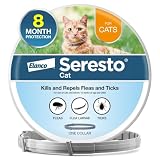
- Vet-recommended, premium flea & tick protection for cats & kittens without the price tag
- Long-lasting flea and tick collar kills & repels fleas for 8 continuous months
- Seresto is the #1 veterinarian recommended flea & tick collar*
- Starts working within 24 hours to kill & repel fleas and ticks by contact so pests don’t have to bite your cat to die
- Hassle-free, non-greasy, easy-to-use flea & tick protection
Tapeworms
The common Dipylidium tapeworm is acquired when a cat swallows an infected flea, often while grooming. Other tapeworms may be associated with eating infected prey. Flea control helps prevent flea-transmitted tapeworm infection, while reducing hunting or scavenging can reduce exposure to prey-associated parasites.
Outdated Drivers Are Slowing You Down
One free scan finds every outdated or missing driver and matches the right update for your exact hardware.Free scan · exact hardware matchWindows Errors? Fix Them Before They Spread
Repair common Windows errors and clear accumulated junk for a smoother, more stable PC - no reinstall needed.Free scan · no reinstallHeartworms
Heartworms are transmitted by infected mosquitoes. They affect a different part of the body from intestinal worms, and feline heartworm disease may require several tests to assess. Ask your veterinarian about prevention suited to your cat and local risks.
How veterinarians diagnose and treat worms
Veterinarians may use fecal testing to look for intestinal parasites and choose other tests when indicated. The appropriate test depends on the suspected parasite; a stool test is not a universal screen for every worm. A veterinarian may recommend repeat testing or treatment because some infections and life stages are difficult to detect or treat with a single step.
Rank #3
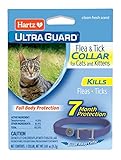
- Fresh scented
- Kills and repels fleas and ticks for 7 months. Can be worn simultaneously with your cat's regular collar
- Water-resistant design won't cause loss of effectiveness if your favorite feline takes a stroll in the rain
- Features a breakaway, safety release snap
- For use on adult cats and kittens 12 weeks of age and older
Treatment and repeat dosing depend on the parasite, life stage, cat’s age and health, and the product’s approved uses. A product that treats one type of worm does not necessarily treat others. Follow the veterinarian’s directions and the product label, including age and weight restrictions.
For example, a U.S. DailyMed label for praziquantel tablets identifies removal of common tapeworms Dipylidium caninum and Taenia taeniaeformis in cats and kittens. This is an example of a labeled product, not a universal worm medicine or a recommendation for a particular cat. See the DailyMed label information.
What’s actually slowing this PC down?
Pick the symptom - the matching free tool is one click away.
How do I prevent worms in my cat?
Prevention works best when it addresses the cat’s actual exposure route and follows veterinary advice. CAPC recommends feline intestinal parasite testing at least four times during the first year and at least twice yearly for adults, with the plan adjusted for health and lifestyle. CAPC also recommends kitten deworming beginning early and ongoing broad-spectrum control; the exact age and product should follow veterinary advice and product labeling.
Rank #4

- Kills and prevents up to 14 months: kills fleas, ticks, flea eggs, and flea larvae, and prevents flea eggs from hatching; includes two collars providing up to 14 months of continuous protection
- Full body protection: active ingredients are slowly released from the collar, moving over your cat’s skin to provide up to seven months of full body protection per collar
- Soft, flexible, comfortable: this specialized, non stiff collar is designed to deliver odorless, non greasy, water resistant flea and tick control while keeping your cat comfortable and protected with an easy-to-use design
- Breakaway collar: this collar features a pre determined breakaway point to allow your cat to escape if snagged
- One size fits all: the adjustable collar accommodates cats of all sizes
| Exposure or concern | Prevention to discuss with your veterinarian |
|---|---|
| Fleas and flea-transmitted tapeworm | Use effective flea control appropriate for every pet in the household; flea treatment helps prevent new infections but may not treat an existing tapeworm. |
| Hunting or scavenging | Reduce opportunities to catch or eat rodents and other prey. |
| Feces and environmental contamination | Remove feces promptly, clean litter boxes regularly, and wash hands after handling litter or feces. |
| Ongoing parasite risk | Ask the veterinarian to choose a cat-specific control plan based on lifestyle, location, age, weight, health, and product coverage. |
| Kittens or newly adopted cats | Arrange veterinary guidance on testing, deworming, and prevention rather than assuming a healthy appearance rules out parasites. |
Check the product label for the species, age, weight, and parasites covered. The U.S. FDA advises involving a veterinarian when choosing flea and tick products and following label-specific age and minimum-weight restrictions. Never apply a product to a kitten unless its label permits that life stage. Read the FDA’s guidance on safe use of flea and tick products.
Can people catch worms from cats?
Some cat parasites can affect people, but the exposure route varies. Roundworm infection can follow accidental ingestion of infective eggs, some hookworm larvae can penetrate skin, and people can acquire Dipylidium by swallowing an infected flea. Prompt feces removal, handwashing, flea control, and avoiding contaminated soil reduce exposure. Ask a healthcare professional about personal concerns, especially during pregnancy or immunosuppression.
Independent reader supportYour contribution helps us test, update, and keep practical guides available for everyone.Frequently Asked Questions
Can indoor cats get worms?
Yes. Indoor living can reduce exposure to prey and contaminated soil, but it does not rule out parasites. Ask a veterinarian about prevention and testing for your cat’s circumstances.
The Tool Desk
Outbyte PC Repair FREEClear out junk files and repair common Windows errorsFree Scan →Outbyte Driver Updater FREEFix the driver behind crashes, sound loss and screen glitchesFind Drivers →Best Value
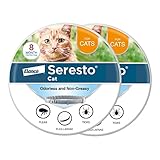
- Vet-recommended, premium flea and tick protection for cats and kittens without the price tag
- Long-lasting flea and tick collar kills and repels fleas for 8 continuous months
- Seresto is veterinarian recommended flea and tick collar
- Starts working within 24 hours to kill and repel fleas and ticks by contact so pests don’t have to bite your cat to die
- Hassle-free, non-greasy, easy-to-use flea and tick protection
How do cats get tapeworms?
Cats commonly acquire Dipylidium tapeworms by swallowing an infected flea while grooming. Other tapeworms may be associated with eating infected prey.
Can a fecal test miss worms?
Yes. Routine fecal testing may miss tapeworms, and different parasites may require different tests. Tell your veterinarian about any segments or other evidence you observed, even if a test was negative.
Are over-the-counter dewormers safe for cats?
A product’s safety and coverage depend on its label and the individual cat. Do not choose a product solely from a guessed worm type; ask a veterinarian to help select a product and schedule.
Does flea treatment get rid of tapeworms?
Flea control helps prevent new flea-transmitted infections but does not necessarily treat an existing tapeworm. Ask your veterinarian about both parasite treatment and flea control.
Recommended Free Tools
How often should kittens be dewormed?
CAPC recommends kitten deworming beginning early and ongoing broad-spectrum control, but the exact age, product, and schedule must follow veterinary advice and the product label.
The Bottom Line
If you suspect worms, contact a veterinarian, share a photo or stool sample if possible, and do not select a dewormer by appearance alone. Prevent reinfection by addressing the relevant route—especially fleas, prey exposure, and feces—and following a veterinarian-guided testing and parasite-control plan.
Quick Recap
Product prices and availability are accurate as of the date/time indicated and are subject to change. Any price and availability information displayed on Amazon at the time of purchase will apply.




