
The Tool Desk
Outbyte Driver Updater FREEFix the driver behind crashes, sound loss and screen glitchesFind Drivers →Outbyte PC Repair FREERepair Windows errors before they cause bigger problemsFix Now →Some links on this page are affiliate links: if you buy through them we may earn a commission, at no extra cost to you.
Yes—fleas can survive and reproduce through winter inside a heated home. Outdoor cold may slow or kill exposed insects, but eggs, larvae, and pupae tucked into carpet, bedding, furniture crevices, and floor edges are protected by indoor conditions. The “nursery” wording is a vivid metaphor, not a formal veterinary diagnosis: warmth, humidity, an available host, and sheltered hiding places can let a flea population persist in any season. The Companion Animal Parasite Council (CAPC) recommends year-round, lifelong flea prevention for dogs and cats, adjusted for local conditions and each animal’s health.
How can a heated house keep fleas alive in winter?
Indoor microhabitats shield immature fleas from outdoor weather. CAPC says larvae develop in protected, low-light areas such as carpets, under furniture, and along baseboards, with temperature and humidity controlling how quickly they develop. A heated room can therefore maintain conditions that an exposed yard in winter cannot.
As an Amazon Associate I earn from qualifying purchases.
Quick wins for a faster PC:
Clear out junk files and repair common Windows errorsFree Scan →Fix the driver behind crashes, sound loss and screen glitchesFind Drivers →Repair Windows errors before they cause bigger problemsFix Now →Adult fleas are only the stage you usually see. Eggs fall from the pet into the environment within hours. Larvae feed on organic debris and flea feces, then spin cocoons as pupae. Adults can remain inside those cocoons until vibrations, carbon dioxide from a nearby host, pressure, or increased temperature signal that food is available.
CAPC reports that adult cat fleas can remain quiescent for up to 30 weeks at 11°C (51.8°F) and 75% relative humidity. Merck Veterinary Manual says the complete cycle usually takes 3–8 weeks but can range from 12–14 days to 350 days, depending on temperature and humidity; an adult may remain in a cocoon for several weeks and sometimes up to a year.
Popular on Amazon
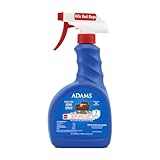
- EFFECTIVE FLEA & TICK HOME TREATMENT: Kills fleas, ticks, bed bugs, spiders cockroaches, mosquitoes and other listed insects; Helps control uninvited pests in your home; Begins killing fleas within 5 minutes
- DUAL-ACTION FORMULA: A highly effective combination of ingredients that kills existing insects and keeps working to prevent new flea infestations by eliminating eggs and larvae
- LONG-LASTING PROTECTION: Provides up to 7 months of protection, preventing reinfestation so you can enjoy peace of mind
- 50 YEARS OF RESULTS: Since 1975, the people who bring you ADAMS have helped owners confidently care for their pets, ensuring they live happy and healthy lives; Complete your flea and tick control system with ADAMS pet, home and yard products
- EASY-TO-USE : Simply spray across carpets, rugs, upholstery, pet bedding and all surfaces of upholstered furniture inside your home; Treats up to 350 square feet; Fragrance-free and non-staining formula
How quickly can fleas multiply indoors?
Reproduction can begin almost immediately after a flea finds a host. CAPC says a female starts producing eggs 20–24 hours after her first blood meal and can lay 40–50 eggs per day. Merck reports up to 50 eggs daily and about 2,000 eggs over a female’s lifetime. Most of those eggs do not stay on the animal; they drop into the places where the pet rests.
That is why finding one adult flea does not mean there is only one flea. The visible adult represents one point in a hidden cycle that may include eggs, larvae, and pupae throughout the home.
Do indoor-only dogs and cats need flea prevention all year?
Usually, yes. CAPC’s guidance says all dogs and all cats should receive year-round, lifelong flea control to limit infestations on the pet and prevent flea populations from becoming established indoors. The exact plan should be tailored to geography, seasonal flea pressure, species, age, weight, health history, and the product label.
An indoor lifestyle lowers exposure to some outdoor sources but does not eliminate risk. Fleas can enter on other animals, clothing, visitors, or previously infested furniture, and a pupa already inside can wait for a host. Do not stop a prevention schedule solely because outdoor temperatures have fallen.
Also popular on Amazon

- Kills Fleas for Up to 7 Months: PetArmor Home & Carpet Spray eliminates fleas, flea eggs, flea larvae, and ticks; residual protection lasts up to 7 months
- Reaches Fleas Where They Hide: Penetrates carpets, rugs, drapes, baseboards, upholstered furniture, closets, and pet bedding without leaving residue or odor
- Breaks the Flea Life Cycle: Prevents development of adult fleas by targeting eggs and larvae, stopping reinfestation before it starts
- Multi-Pest Control: Also kills bedbugs, lice, and dust mites; covers up to 500 sq ft per application for comprehensive home protection
- Eliminates Pet Odor: Deodorizing formula neutralizes pet odors in treated areas; safe for use around indoor cats and dogs when used as directed
Why am I still seeing fleas after treating my pet?
New adults may continue emerging from protected cocoons after treatment begins. Merck says household control commonly takes 6 weeks to 3 months, while CAPC notes that established infestations may require several months. Occasional fleas during that interval do not, by themselves, prove that a product has failed.
Common reasons for persistence include treating only the pet with visible fleas, missing another dog or cat, skipping environmental cleaning, applying a product incorrectly, or using a formulation that is not labeled for that species, age, weight, or health status. A veterinarian can determine whether the prevention choice, application, or diagnosis needs to change.
Recommended Free Tools
What should I do if I find fleas?
- Check the pet. Use a fine-toothed flea comb, especially around the neck, back, belly, and base of the tail. CAPC says flea dirt placed on a wet towel dissolves and turns red because it contains digested blood.
- Ask a veterinarian to select treatment. Flea products come as topical, oral, injected, collar, and environmental formulations. Selection depends on species, age, weight, medical history, bathing or water exposure, local flea pressure, and label directions. Never substitute a dog-labeled product for a cat or combine products unless a veterinarian says it is safe.
- Treat every dog and cat in the household. CAPC specifically advises treating all pets in an infested home. Leaving one untreated animal can maintain the household reservoir.
- Clean the environment. Wash pet blankets, throws, carriers, and washable bedding. Vacuum sleeping areas, carpets, furniture crevices, and spaces beneath furniture; promptly empty the vacuum according to its instructions.
- Keep prevention on schedule. Continue the labeled interval while emerging adults are being removed and environmental stages complete development. Do not increase the dose or shorten the interval without veterinary direction.
Which flea-control approach fits a household?
No single format is right for every animal, and no product should be assumed to kill every life stage immediately. Compare the options with a veterinarian using the label and the pet’s medical history.
| Approach | Questions to check before use | Environmental role |
|---|---|---|
| Oral | Is it labeled for this species, age, and weight? Are there neurologic or other health considerations? | Some formulations affect newly feeding adults; eggs and larvae already in the home still require time and cleaning. |
| Topical | How should it be applied, and how do bathing or swimming affect the label directions? | Read whether the formulation includes activity against eggs or larvae through an insect growth regulator. |
| Collar | Is the fit, age range, species labeling, and safety information appropriate? | It does not replace laundering and vacuuming when an infestation is established. |
| Environmental treatment | Which rooms, surfaces, people, and animals must be kept away during application? | Targets protected stages in the home; use only according to the product label or professional instructions. |
Can fleas harm pets or people?
Flea bites cause itching, and flea-saliva hypersensitivity can produce flea allergy dermatitis with intense pruritus, hair loss, and scabbing. Heavy infestations can contribute to iron-deficiency anemia, particularly in young animals. CAPC also lists fleas as potential transmitters of Bartonella, Rickettsia, tapeworms, and other zoonotic agents; newly emerging fleas may bite people in an infested home.
Also popular on Amazon

- READY-TO-USE APPLICATOR: Apply this bed bug spray for homes using the included Comfort Wand to target tight and hard-to-reach places where bed bugs hide
- BED BUG KILLER: Kill bed bugs, bed bug eggs, fleas and ticks with Ortho Home Defense Max Bed Bug, Flea & Tick Killer
- BED BUG SOLUTION SYSTEM: This indoor bug spray is a Step 2 product in the Ortho Bed Bug Solution System; use with Step 1: Detect and Trap and Step 3: Cracks and Crevices products for best results
- KILLS TOUGHEST BED BUGS: This bed bug killer spray kills even the toughest bed bugs (pyrethroid-resistant bed bugs)
- WHERE TO USE INDOORS: Use this indoor bug killer as a spot treatment around bed frames, baseboards and mattress seams, tufts, and folds
Seek veterinary help promptly for a very young or weak animal, pale gums, marked lethargy, severe scratching, open sores, or suspected flea allergy dermatitis. Other skin diseases can look similar, so persistent itching needs a diagnosis rather than repeated, unsupervised pesticide applications.
How long will it take to clear a flea infestation?
Plan for weeks, not days. Merck’s typical estimate is 6 weeks to 3 months, and a larger or long-standing infestation can take several months. The timeline reflects pupae emerging at different times, not necessarily a failure of the pet’s preventive treatment.
Keep every household pet on the veterinarian-directed schedule, maintain vacuuming and laundering, and record application dates. If live fleas remain beyond the expected interval, or numbers are increasing, have the veterinarian review product storage, dosing, application technique, household coverage, and possible reinfestation sources.
Independent reader supportYour contribution helps us test, update, and keep practical guides available for everyone.Frequently Asked Questions
Can fleas live in a cold, unheated room?
Cold slows development, but survival depends on the actual temperature, humidity, and shelter. Pupae in protected cocoons can remain dormant and emerge later when a host and warmer conditions return.
Also popular on Amazon

- Flea spray for home kills fleas and ticks on contact
- Effective flea spray for furniture that keeps killing hatching eggs for up to 4 months
- Flea and tick spray for home is suitable for carpets and upholstery in your home
- Wide-angle aerosol flea spray for house treatments to defend against infestations
- Flea spray for carpet and furniture also works upside down, making thorough spraying easy
How can I tell flea dirt from ordinary dust?
Place the dark specks on a damp white towel or paper. Flea dirt typically dissolves into a reddish or rust-colored smear because it contains digested blood; ordinary dirt does not show that reaction.
Should I use a household fogger when my pet has fleas?
A fogger is only appropriate if its label covers the situation and you can follow all evacuation, ventilation, and re-entry instructions. Ask a veterinarian or pest-control professional first, because foggers do not remove the need to treat pets and clean resting areas.
What’s actually slowing this PC down?
Pick the symptom - the matching free tool is one click away.
When is flea-related anemia an emergency?
Pale or white gums, weakness, rapid breathing, collapse, or unusual sleepiness—especially in a puppy, kitten, or very small animal—warrant urgent veterinary care. Heavy flea feeding can remove enough blood to cause iron-deficiency anemia in vulnerable animals.





Leave a Reply