
Quick wins for a faster PC:
Scan for outdated or missing drivers - takes under a minuteDriver Scan →Clear out junk files and repair common Windows errorsFree Scan →Fix the driver behind crashes, sound loss and screen glitchesFind Drivers →No single product or treatment can guarantee that bed bugs are gone permanently. Lasting control comes from integrated pest management (IPM): contain the infestation, treat belongings and hiding places with methods suited to each material, monitor repeatedly, and repeat or escalate treatment when evidence remains. The U.S. Environmental Protection Agency (EPA) cautions that “there is no quick fix for eradication” and that control takes time and patience.
The ten measures below are complementary tools, not ten independent guarantees. Use the temperature, exposure time, preparation, label directions and follow-up appropriate to the target. This guidance is U.S.-specific because pesticide registration and labels are EPA matters.
As an Amazon Associate I earn from qualifying purchases.
What “permanently” means in bed bug control
Bed bugs can hide in seams, cracks, furniture joints and adjacent rooms. Eggs may survive an incomplete treatment and hatch later, while untreated belongings or neighboring units can reintroduce bugs. For that reason, “permanent” should mean sustained control confirmed by inspections and monitoring, not a promise that one spray, device or visit will eradicate every life stage.
EPA describes IPM as the most effective approach and says it depends on diligent participation by residents. The agency does not publish a universal success rate comparing methods, so no honest source can rank one option as a guaranteed winner. More than 300 EPA-registered products are listed for bed bugs as of the EPA page updated March 30, 2026, but that number is a product count, not a success statistic.
#1 Best Overall

- HIGHLY EFFECTIVE, PLANT-POWERED BED BUG KILLER: EcoVenger Bed Bug Killer uses a patented blend of botanical insecticidal compounds to combat tough insects. A published university study ranks it as the #1 most effective natural product against bed bugs among 12 products tested, outperforming traditional pesticides.
- USDA FIELD-TESTED & PROVEN: Vetted through the USDA IR4 PHP Program and field-tested by research entomologists. Recommended for sensitive environments, it's a trusted solution for eliminating bed bugs in public housing and other vulnerable settings.
- KILLS ALL STAGES, INCLUDING RESISTANT BED BUGS: This formula kills bed bug adults and nymphs on contact with 100% efficacy. It's also proven to eliminate bed bugs resistant to traditional pesticides and has the highest performance in destroying bed bug eggs.
- EXTENDED DRY RESIDUAL PROTECTION: A university study demonstrates that EcoVenger's residual formula provides two weeks of extended protection against bed bugs, even after it has dried, offering long-term peace of mind.
- NON-TOXIC, SAFE & ECO-FRIENDLY: Certified as a USDA BioBased insecticide and dermatologically safe. This product is child and pet-friendly, making it safe to use directly on mattresses and box springs without worry.
Before treatment, read EPA’s preparation guidance. Keep the bed at least 6 inches from the wall, keep bedding off the floor, remove items from beneath the bed, use fully closing encasements on the mattress and box spring, and place an interceptor under every bed leg. Bag items before moving them so bugs are not carried into clean areas.
10 solutions that work together
1. High-temperature drying for washable items
Put bedding, clothing and other dryer-safe articles in a high-temperature dryer for 30 minutes. EPA notes that washing alone generally will not kill bed bugs; the dryer’s heat is the critical part of this step. Check care labels and separate items that could be damaged by high heat.
Place articles in bags before carrying them to the laundry area, then transfer treated items directly into clean, sealed bags or containers. Do not return them to an untreated bed, hamper or closet. Drying is highly useful for laundry but does not treat a mattress, room or items that cannot safely enter a dryer.
Do these 3 things before closing this tab:
1Scan for outdated or missing drivers - takes under a minute2Clear out junk files and repair common Windows errors3Fix the driver behind crashes, sound loss and screen glitches2. Professionally controlled heat treatment for articles or areas
For infested articles or areas, EPA describes maintaining at least 120°F (about 49°C) for 90 minutes to ensure eggs are killed in the contexts it specifies. Reaching that condition throughout an object or room requires specialized equipment and temperature monitoring.
Do not try to heat a room with a thermostat, space heater, fireplace or other improvised method. Uneven temperatures can leave live bugs and create fire, electrical or structural hazards. A qualified provider should explain how temperatures will be measured, which materials must be removed, and how follow-up inspection will be handled. Heat can damage heat-sensitive plastics, electronics, medicines, plants or other belongings, so obtain a treatment-specific assessment.
3. Careful steam treatment
Steam can kill bugs and eggs at contact on suitable cracks, fabrics, baseboards, bed frames and furniture. EPA advises using steam that reaches at least 130°F, with airflow that is not forceful enough to scatter bugs. A diffuser helps distribute heat more gently.
Rank #2

- READY-TO-USE APPLICATOR: Apply this bed bug spray for homes using the included Comfort Wand to target tight and hard-to-reach places where bed bugs hide
- BED BUG KILLER: Kill bed bugs, bed bug eggs, fleas and ticks with Ortho Home Defense Max Bed Bug, Flea & Tick Killer
- BED BUG SOLUTION SYSTEM: This indoor bug spray is a Step 2 product in the Ortho Bed Bug Solution System; use with Step 1: Detect and Trap and Step 3: Cracks and Crevices products for best results
- KILLS TOUGHEST BED BUGS: This bed bug killer spray kills even the toughest bed bugs (pyrethroid-resistant bed bugs)
- WHERE TO USE INDOORS: Use this indoor bug killer as a spot treatment around bed frames, baseboards and mattress seams, tufts, and folds
Move the nozzle slowly along seams and joints so heat reaches harborages, while avoiding electrical components and moisture-sensitive materials. Steam is a targeted population-reduction measure, not proof that an entire infestation has been eradicated. It also cannot reach every concealed void, wall cavity or neighboring unit.
What’s actually slowing this PC down?
Pick the symptom - the matching free tool is one click away.
4. Thorough vacuuming
Vacuum mattress seams, bed frames, carpets, upholstered furniture, baseboards and visible cracks. Concentrate on edges and joints where eggs, shed skins and live bugs collect. Use a crevice tool carefully; aggressive brushing can spread insects.
Afterward, seal and dispose of the vacuum bag outside the home. If the vacuum is bagless, empty its contents into a sealed bag outdoors and clean the container according to the manufacturer’s instructions. Vacuuming removes bugs and debris that the nozzle reaches, but hidden eggs and insects can remain, so pair it with barriers, heat, monitoring or another appropriate treatment.
5. Mattress and box-spring encasements
A durable, fully closing bed-bug encasement traps insects inside the mattress or box spring and removes many seams from use as hiding places. It also makes future inspections easier. Choose a cover designed for bed bugs, with a secure closure and fabric that will not tear during normal use.
Inspect the encasement regularly for holes and leave it in place for at least a year, following EPA’s durability guidance. An encasement does not kill bugs elsewhere in the room and is not a substitute for treating the bed frame, floor, furniture or adjacent areas.
6. Bed-leg interceptor monitors
Place an interceptor beneath each leg of the bed or other sleeping furniture. Its recessed surfaces trap bugs attempting to climb up or down, helping isolate the sleeper and provide visible evidence of activity. Keep the bed separated from walls and ensure sheets and blankets do not touch the floor or bypass the interceptors.
Rank #3
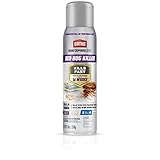
- BED BUG SOLUTION SYSTEM: Use with Step 1 Ortho Home Defense Max Bed Bug trap to detect bed bugs, and Step 3 Ortho Home Defense Max Bed Bug & Flea Killer Powder to kill bed bugs by contact (sold separately)
- LASTING INDOOR PROTECTION: This indoor bug spray kills quickly and keeps killing for up to 16 weeks on ceramic (non-porous) surfaces
- KILLS TOUGHEST BED BUGS: Kill even the toughest (pyrethroid-resistant) bed bugs and their eggs with Ortho Home Defense Max Bed Bug Killer Spray
- CONTROLS LISTED BUGS: This bed bugs spray works on the toughest (pyrethroid-resistant) bed bugs and their eggs as well as fleas, brown dog ticks, stink bugs, earwigs, clothes moths, carpet beetles and other listed bugs
- EASY TO USE SPOT TREATMENT: Once bed bugs are detected, spray this indoor bug killer around bed frames, headboards, floors, and carpeting as a spot treatment
Check the cups on a regular schedule and record what you find. Interceptors are monitoring and isolation devices; they do not eliminate bugs hiding in walls, furniture or belongings. Continue using them as part of long-term surveillance even after activity appears to stop.
7. Decluttering and sealing harborages
Reduce clutter around the bed and furniture so inspection and treatment can reach cracks and seams. Do not move loose items into another room without bagging them first. After treatment, seal accessible cracks and crevices around baseboards, bed frames and furniture joints when the material and building condition allow.
Decluttering removes hiding opportunities and improves access; it does not kill insects by itself. Avoid discarding furniture automatically. If an item must be discarded, wrap or mark it so nobody retrieves it and carry it out without passing through clean areas.
Outdated Drivers Are Slowing You Down
One free scan finds every outdated or missing driver and matches the right update for your exact hardware.Free scan · exact hardware matchWindows Errors? Fix Them Before They Spread
Repair common Windows errors and clear accumulated junk for a smoother, more stable PC - no reinstall needed.Free scan · no reinstall8. Sealed-bag handling and isolation
Use sturdy, sealable plastic bags or containers to transport laundry and belongings. Keep treated items sealed until the surrounding area has been inspected and controlled. Separate clean, treated articles from untreated piles, hampers and luggage.
Sealed bags prevent spread during handling, but they are not a kill method. An item remains a potential source unless it has been treated with a method appropriate to its material or kept isolated for a period and process specified by a qualified professional.
9. An EPA-registered pesticide used exactly as labeled
Select a product whose U.S. EPA registration and label specifically include bed bugs. Read every direction, precaution, permitted site and re-entry instruction; the label is legally binding. Use pesticide as one element of IPM, not as a replacement for preparation, physical removal and monitoring.
Rank #4

- BED BUG TREATMENT: Hot Shot Bed Bug Killer With Egg Kill kills bed bugs and bed bug eggs, adult and pre-adult (larvae) fleas and dust mites.
- USE INDOORS: Spot treat mattress tufts, folds, vent holes, buttons, creases, indentations and seams – do not use on pets.
- WATER-BASED FORMULA: This non-staining formula leaves no odor.
- APPLICATION: Spray intended use areas until damp, but do not saturate – inspect the area and apply every two weeks while bed bugs are present.
- TREAT BED BUGS AS PART OF A CYCLE: For best results, use this product as part of a comprehensive bed bug treatment plan — treating bed bugs as part of a cycle is key to gaining control.
Never apply a product to a mattress, furniture, clothing or a person unless the label explicitly permits that use. Do not use unregistered rubbing alcohol, outdoor pesticides indoors, multiple foggers, or pool-grade or food-grade diatomaceous earth. Desiccant products can take months to work and should be EPA-registered products used according to their labels. Keep people and pets away as the label requires, ventilate as directed, and store products in their original containers.
Recommended Free Tools
If spraying appears not to work, resistance is only one possible explanation. Missed harborages, untreated belongings, poor preparation, reinfestation or an incorrect diagnosis can also be responsible. Repeatedly applying more pesticide without inspection can increase exposure without solving the source. EPA’s safety information is available at Stay Legal and Safe in Treating for Bed Bugs.
10. Experienced IPM professional inspection and follow-up
Hire an experienced bed-bug provider when the infestation is extensive, persists after careful work, affects multiple rooms or units, or is difficult to locate. Look for a company that performs a detailed inspection, explains an IPM plan, uses legally labeled methods, provides preparation instructions and schedules a follow-up inspection. Ask in writing whether repeat treatment is included if live bugs or fresh evidence remain.
In apartments, dormitories, hotels or other multi-family buildings, notify management and coordinate inspections. Neighboring units, common areas and building maintenance can determine whether control lasts. A professional cannot guarantee permanent eradication, but coordinated inspection and follow-up address sources that a single-room treatment may miss.
Independent reader supportYour contribution helps us test, update, and keep practical guides available for everyone.How to combine the methods into a practical plan
- Confirm and contain. Look for live bugs, dark fecal spotting, shed skins or eggs, and avoid moving unbagged possessions. Keep sleeping arrangements consistent rather than spreading activity to another room.
- Prepare the bed area. Apply the EPA arrangement: bed 6 inches from the wall, bedding off the floor, under-bed items removed, encasements fitted, and interceptors under every leg.
- Separate and treat belongings. Bag items before transport. Run dryer-safe laundry through the high-temperature cycle; use steam, vacuuming, professional heat or another label-compliant method only where the material and target are suitable.
- Treat harborages and surfaces. Vacuum accessible seams and cracks, steam suitable areas, and use an EPA-registered pesticide only on sites the label allows. Follow all ventilation, re-entry and disposal directions.
- Monitor instead of declaring victory. Inspect at least every seven days during DIY control because eggs may remain or hatch. Check interceptors, encasements and sleeping areas for live bugs or new evidence, and document dates and locations.
- Repeat or escalate. If evidence persists, reassess preparation, untreated items, neighboring units and the diagnosis. Arrange professional inspection and treatment rather than increasing pesticide applications on your own.
Which method fits which target?
| Measure | Primary target | Mechanism | Key requirement | Main limitation |
|---|---|---|---|---|
| High-temperature dryer | Dryer-safe laundry | Heat | High-temperature cycle for 30 minutes, per EPA guidance | Cannot treat rooms or heat-sensitive items |
| Controlled professional heat | Articles or rooms | Whole-object or area heating | At least 120°F for 90 minutes in EPA’s described context; specialized equipment | Improvised heating is ineffective and hazardous; material compatibility matters |
| Steam | Cracks, fabrics, frames and furniture | Contact heat | Steam at least 130°F with non-forceful airflow | Limited reach into concealed voids; moisture and scattering risks |
| Vacuuming | Accessible bugs, eggs and debris | Physical removal | Careful work on seams and cracks; outdoor bag disposal | Missed harborages remain viable |
| Encasements | Mattresses and box springs | Barrier and containment | Bed-bug design, secure closure and durable condition | Does not treat the room or other furniture |
| Interceptors | Bed and furniture legs | Isolation and monitoring | Every leg, with bedding unable to bypass the cups | Traps and detects; does not eradicate hidden populations |
| Decluttering and sealing | Rooms and harborages | Access improvement and exclusion | Bag items before moving; seal suitable cracks | Does not kill bugs alone |
| Sealed bags | Transport and storage | Containment | Sturdy, closed bags or containers | Prevents spread but does not kill insects |
| Registered pesticide | Label-approved sites | Chemical control or desiccation | EPA registration and exact label compliance | Exposure, resistance and missed-harborages risks; repeat work may be needed |
| IPM professional | Complex, persistent or multi-unit infestations | Coordinated inspection and treatment | Bed-bug experience, follow-up and resident cooperation | Outcome depends on preparation, access and reinfestation control |
Common mistakes that prolong an infestation
- Relying on washing alone: laundering may leave live bugs; use the specified dryer treatment for dryer-safe items.
- Heating a room with household equipment: thermostats and space heaters do not provide verified, even exposure and can start fires.
- Using foggers or informal chemicals: foggers can miss harborages and increase exposure; alcohol and outdoor pesticides are unsafe indoor substitutes.
- Applying dust indiscriminately: only use an EPA-registered desiccant product and follow its label; pool or food-grade material is not an approved replacement.
- Throwing items into clean rooms: bag before moving anything, including clothing, luggage and bedding.
- Stopping after one quiet week: eggs can hatch after an initial treatment; keep the seven-day inspection routine and monitor interceptors.
- Ignoring connected units: in multi-family housing, untreated neighboring spaces can reintroduce bugs.
When to seek help
Contact a qualified professional if you cannot identify the source, activity continues after a carefully prepared treatment cycle, the infestation covers several rooms, vulnerable occupants make pesticide use difficult, or more than one housing unit may be involved. Ask for an inspection-based IPM plan, clear preparation requirements, legal product use, written safety instructions and follow-up visits. EPA’s consumer overview, Getting Rid of Bed Bugs, emphasizes patience and continued control rather than a one-visit promise.
For step-by-step DIY details, consult EPA’s Do-it-yourself Bed Bug Control, and use the agency’s registered bed bug product search to verify products and labels. Product registrations, labels, availability and service practices can change, so check the current label before every application.
Quick Recap
Product prices and availability are accurate as of the date/time indicated and are subject to change. Any price and availability information displayed on Amazon at the time of purchase will apply.





Leave a Reply