Winter does not have to mean a bored dog and a cancelled routine. The best cold-weather activity is the one that matches your dog’s age, coat, fitness, health, training, and tolerance for cold-weather gear. On manageable days, choose snow play, a winter walk, or a suitable winter sport; when ice, sleet, wind, or dangerous cold make outdoor exercise unwise, switch to scent work, puzzle feeding, or indoor training.
Winter does not have to mean a bored dog and a cancelled routine. The best cold-weather activity is the one that matches your dog’s age, coat, fitness, health, training, and tolerance for cold-weather gear. On a dry, manageable day, that might be snow play, snowshoeing, or a winter walk. When wind, ice, sleet, or dangerously low temperatures make outdoor exercise a poor choice, scent work, puzzle feeding, and indoor training can still give your dog meaningful physical and mental activity.
As an Amazon Associate I earn from qualifying purchases.
Here are 10 flexible winter activities for dogs and their humans, along with the equipment and safety checks that make them more enjoyable.
Recommended Free Tools
1. Have a supervised snow-play session
A fenced yard or another secure area can become a simple winter playground. Let your dog explore fresh snow, make gentle snow angels, toss a toy for a few short retrieves, or follow you through an easy game of chase. Snow play is particularly useful when you want to provide a burst of exercise without committing to a long walk.
#1 Best Overall
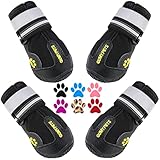
- Please be sure to measure the width of your dog's paws carefully, it is key to choosing the correct size for your dog, weight can only be used as an additional reference; Size 1: 1.8''x2.3''(W*L) for 11-23 lbs; size 2: 1.9''x2.4''(W*L) for 18-27 lbs; size 3: 2.0''x2.5''(W*L) for 23-33 lb; size 4: 2.2''x2.6''(W*L) for 31-40 lbs; size 5: 2.4''x2.8''(W*L) for 40-55 lbs; size 6: 2.6''x3.0''(W*L) for 52-65 lbs; size 7: 2.8''x3.2"(W*L) for 63-75 lbs; size 8: 3.0''x3.3"(W*L) for 74-88 lbs
- SECURE and ADJUSTABLE: Easy to put on / off. These dog shoes expands with a wide split seam opening and two adjustable and reflective straps to ensure a tight fit, also make your dog safe at night
- RUGGED: Tough slip-proof sole of dog boots provides stability and traction, protection from rough terrain
- QUALITY: The dog boots have a rugged sole and high quality fabrics that are then sewn together to ensure they are ready for your adventure
- FASHIONABLE: QUMY dog boots are with cute pet paw embroidery, paws side is the outside, soft and hand washable
Keep the session short enough for your dog to stay comfortable. Small dogs, thin-coated dogs, puppies, seniors, and dogs with health problems may tire or chill quickly even when an enthusiastic dog appears eager to continue. End the game if your dog shivers, cries, yelps, repeatedly lifts its paws, tugs toward the house, or otherwise seems uncomfortable.
Do not let your dog eat large amounts of snow, especially snow that is slushy, dirty, salted, or treated with deicer. Snow near roads, driveways, and walkways may contain salt or ice-melt products that can irritate paws or cause illness if swallowed. Provide fresh water indoors instead; snow is not a dependable substitute for drinking water.
2. Take a winter walk with a safety setup
A normal walk can remain one of the best winter activities when the route and conditions are appropriate. Before leaving, consider more than the thermometer: wind chill, dampness, rain, sleet, wet snow, ice, daylight, and the condition of the walking surface all affect how hard the outing will be on your dog.
Quick wins for a faster PC:
Repair Windows errors before they cause bigger problemsFix Now →Scan for outdated or missing drivers - takes under a minuteDriver Scan →Clear out junk files and repair common Windows errorsFree Scan →- Shorten the route during severe weather rather than trying to preserve the usual distance.
- Choose cleared, familiar paths and avoid routes where hidden ice or poor visibility creates a fall or traffic risk.
- Use a standard, non-retractable leash when visibility is poor or you need precise control.
- Bring water for longer outings. Cold weather does not remove the need to drink.
- Check paws during the walk for ice balls, cracks, salt, or signs that the surface is painful.
- Wipe or rinse paws afterward, then dry them thoroughly, including between the toes.
Watch your dog rather than relying on a fixed temperature cutoff. A healthy, conditioned, thick-coated dog may tolerate conditions that are unsuitable for a short-haired senior. If your dog shows discomfort, turn around.
3. Build a snow maze or backyard scent hunt
Shovel a simple maze through shallow snow, or hide a few toys and treats in safe snow mounds for your dog to find. This activity combines walking with sniffing and problem-solving, so it can be satisfying even when the space is small.
Start with easy hiding places and let your dog watch you hide the first few items. As your dog understands the game, make the search gradually more challenging. Use only familiar, safe toys and a measured portion of your dog’s normal treats or meal. Never hide food near salted areas, roads, frozen water, or snow that may contain chemicals.
You can also create a scavenger hunt indoors if the snow is wet, dirty, or heavily treated. The goal is not to make the search exhausting; it is to give your dog an opportunity to use its nose and make choices.
Rank #2

- Large fits paws 2.5" - 2.8". Measure while dog is standing with weight on paw. Includes 4 dog grip socks. Snug fit is normal—extra grip makes them stiffer than other socks but provides better traction
- 3x More Grip: Performance grip is engineered to provide reliable traction even if the sock twists while dog is using them, making them the ideal anti slip dog socks for both senior dogs and active dogs alike.
- Senior Dogs: Specifically created with senior pet owners in mind. Maximum traction on hardwood floors and other slippery surfaces make them the perfect socks for dogs with joint and mobility issues.
- Patented Grip Design: Revolutionary product designed in USA to provide comfort, stability, and mobility support. Buttonless strap design prevents dog sores and allows for a comfortable fit.
- Multi-Functional: Suitable for large dogs, small dogs, and senior dogs, these socks provide paw protection for summer keeping your dog's paws safe from hot pavement, heat, and other potential hazards.
4. Try sledding-adjacent play—not uncontrolled sledding
A dog that enjoys people and activity may have fun walking alongside the family near a sledding hill or chasing a toy in a separate, controlled area. This can add variety to a winter outing without asking the dog to perform a specialized sport.
Keep your dog well away from sledding traffic, the bottom of the hill, crowded paths, and steep slopes. Do not assume that a dog should ride on a sled or run downhill beside one. A collision, tangled leash, or sudden chase can injure the dog or another person. If the area cannot provide clear separation and reliable control, choose a quieter activity instead.
5. Go snowshoeing
Snowshoeing can be a rewarding shared workout and may feel more manageable than faster pulling sports. It still requires a fit, healthy dog, suitable terrain, a secure harness, and preparation for the conditions. Start on a familiar, short route rather than planning a full-day adventure.
Depending on the terrain and your dog’s training, a belt or towline may allow the dog to move ahead safely, but the equipment must be fitted and used correctly. Practice on easier ground before entering deep snow or a busy trail. Carry water, check paws regularly, and plan a turnaround point before your dog becomes tired.
The Tool Desk
Outbyte PC Repair FREERepair Windows errors before they cause bigger problemsFix Now →Outbyte Driver Updater FREEFix the driver behind crashes, sound loss and screen glitchesFind Drivers →Stay away from frozen lakes, ponds, rivers, and streams unless the ice has been officially cleared and approved for human travel. Snow can conceal thin ice, open water, and unstable edges.
6. Try canicross or a winter run
Canicross involves a dog running in front of a person while connected through a properly fitted pulling harness, a waist belt, and usually a bungee line. It can be an excellent activity for a healthy, responsive dog that already enjoys running, but it is not a sensible first winter exercise for every dog.
Before trying it, your dog should be comfortable running, able to respond reliably to voice cues, and gradually conditioned for the workload. Begin with short intervals and easy terrain. Varying harder and softer surfaces may help avoid repetitive strain, but it does not guarantee that injury will be prevented. Stop if your dog changes gait, appears painful, struggles to keep up, or loses focus.
Rank #3
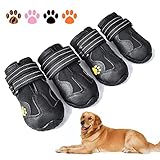
- 【Size】Size 6:(2.9''x2.5'')(L*W) for 52-70 lbs for 52-70lbs.Great for Medium Samoyed;Husky;Labrador;Airedale Terrier;Medium and large Chow Chow etc.Please refer to the picture size chart,You can choose the right size for your dog for the most comfortable fit.
- 【High-quality materials:】 High quality fabrics,wear resistant,to bear or endure dirty, Have cute pet paw embroidery, soft and hand washable, fashionable yet durable.Durable soles,tough anti-slip sole provides stability and traction,Helps dogs with mobility and stability on tile and the sand .
- 【Comfortable:】Soft and breathable to paws,so allows the boots to be used indoors or outdoors, hot and cold in wet and dry conditions.Protection from sharp thorns and hot pavement.Effectively protect dog claws from heat, stones, glass, etc. It protect the weak paw from snow, ice, salt during winter.
- 【Safe and Adjustable:】Easy to put on / off ,the dog shoes are fastened firmly by 2 straps, which are long and adjustable , capable to prevent slipping off and supply a customized tightness for secure closure and have reflective straps,reflective lines enhance visibility all the night ,also make your love dog safe .Please try to tighten the straps after wearing,which can effectively prevent the shoes from falling off the dog's claws.
- Our size is based on the inner diameter of the shoe and is measured by hand,Please allow a little size error.You are welcomed to contact us for any questions about the products and services at any time.
A standard collar and leash are not a substitute for running equipment. A pulling harness should fit without restricting breathing or rubbing behind the legs, and the line should be appropriate for the environment. Avoid roads, crowded trails, and areas where a sudden distraction could pull either of you into danger.
7. Learn skijoring or kicksledding
Skijoring and kicksledding are advanced winter sports for capable, prepared teams. In skijoring, the dog helps pull a person on skis. Kicksledding uses a lightweight sled that the person propels and the dog may help pull. Both require a pulling harness, belt, towline, and dependable verbal cues; skis or a sled are additional requirements.
Introduce the sport gradually. First teach directional and stop cues in a low-distraction setting, then practice short sessions on appropriate terrain. Professional instruction is worthwhile if you are new to the sport, and veterinary advice is sensible when your dog’s fitness or orthopedic health is uncertain.
Kicksledding is generally better suited to flat, slick, or packed surfaces than deep, loose snow. Do not use a dog that is too young, unconditioned, medically affected, frightened by equipment, or unable to control its excitement around other trail users. Equipment cannot make an unprepared dog ready for a pulling sport.
8. Do indoor scent work or hide-and-seek
On freezing, icy, or stormy days, turn your home into a scent-work course. Hide a toy or a few treats in one room and invite your dog to search. Begin with visible or easy-to-find items, then increase the difficulty by using furniture, boxes, or several rooms—provided the dog can move through the space safely.
Free tools Windows power users keep installed
One-click scans. No signup required.
Scent work is guided by the dog’s nose rather than speed, which makes it adaptable to many dogs. You can learn basic exercises at home or look for a structured class in your community. Use non-toxic materials, keep food-motivated dogs supervised, and prevent access to household products, small objects, and anything your dog might chew or swallow.
Hide-and-seek with a person can work too. Have one family member hold the dog while another hides, then give a release cue and celebrate the find. Keep the game calm enough that the dog does not crash into furniture or race down stairs.
Rank #4
- Please be sure to measure the width of your dog's paws carefully, it is key to choosing the correct size for your dog, weight can only be used as an additional reference; Size 1: 1.8''x2.3''(W*L) for 11-23 lbs; size 2: 1.9''x2.4''(W*L) for 18-27 lbs; size 3: 2.0''x2.5''(W*L) for 23-33 lb; size 4: 2.2''x2.6''(W*L) for 31-40 lbs; size 5: 2.4''x2.8''(W*L) for 40-55 lbs; size 6: 2.6''x3.0''(W*L) for 52-65 lbs; size 7: 2.8''x3.2"(W*L) for 63-75 lbs; size 8: 3.0''x3.3"(W*L) for 74-88 lbs
- SECURE and ADJUSTABLE: Easy to put on / off. These dog shoes expands with a wide split seam opening and two adjustable and reflective straps to ensure a tight fit, also make your dog safe at night
- RUGGED: Tough slip-proof sole of dog boots provides stability and traction, protection from rough terrain
- QUALITY: The dog boots have a rugged sole and high quality fabrics that are then sewn together to ensure they are ready for your adventure
- FASHIONABLE: QUMY dog boots are with cute pet paw embroidery, paws side is the outside, soft and hand washable
9. Use interactive feeding and puzzle play
Replace part of a normal meal with an appropriately difficult slow feeder, food puzzle, snuffle-style mat, or supervised treat hunt. Making a dog work for food can provide both mental and physical engagement when outdoor exercise is limited.
Choose the puzzle according to your dog’s size, persistence, chewing style, and experience. Start with an easy design so the dog learns how it works. A toy that is too difficult can cause frustration, while one that is too fragile can become a swallowing hazard. Inspect it regularly and do not leave a destructive chewer alone with an unfamiliar toy.
What’s actually slowing this PC down?
Pick the symptom - the matching free tool is one click away.
Account for puzzle food as part of the day’s ration rather than adding unlimited treats. For dogs that guard food or become upset when people approach a toy, use a safer setup and consult a qualified behavior professional if needed.
10. Train indoors or create a low-impact obstacle course
Winter is a useful time to teach tricks, refresh obedience, practice mat work, or build practical skills such as waiting at doors and coming when called. Short sessions—often just a few minutes at a time—can be more productive than one long lesson.
You can also arrange a simple indoor course using sturdy household objects: walk around cones or chairs, step over a low broom resting securely on the floor, target a mat, or weave through a clear space. Keep the surface non-slip and remove anything that could fall or splinter.
Avoid repeated jumping, sharp turns, and stair games for dogs with arthritis, orthopedic problems, poor balance, or uncertain fitness. Carpeted surfaces are safer than slippery floors for gentle movement, but carpet does not make high-impact exercises appropriate. VCA also identifies online obedience, nosework, dog dancing, agility classes, hydrotherapy, and daycare as possible cold-weather alternatives; choose a provider that assesses your individual dog rather than placing every dog into the same program.
How to choose the right winter activity
| Situation | Good starting choices | Use extra caution with |
|---|---|---|
| Cold but dry, clear, and comfortable | Winter walk, snow play, scent hunt | Long outings without water or paw checks |
| Deep snow or a quiet maintained trail | Short snowshoe outing with a fit dog | Unconditioned dogs, hidden ice, and overlong routes |
| Dog already runs and responds reliably | Gradual canicross training | Sudden distance increases and unsuitable surfaces |
| Experienced team with proper instruction | Skijoring or kicksledding | Untrained dogs, crowded trails, deep loose snow |
| Wet, icy, stormy, or dangerously cold | Scent work, puzzle feeding, training, hide-and-seek | Forcing an outdoor workout to maintain a routine |
| Senior, very young, small, short-coated, or medically affected dog | Short controlled outings and indoor enrichment | High-impact sports or prolonged cold exposure |
Winter safety checklist for dogs
Assess the dog, not just the weather
Age, size, coat, body condition, conditioning, general health, and previous winter experience all matter. A thick coat is not a complete guarantee of cold tolerance, and a coat does not protect paws from salt or ice. Ask your veterinarian for individualized guidance before starting strenuous winter sports, especially if your dog is older, inactive, overweight, recovering from an injury, or has heart, respiratory, joint, or other medical concerns.
Best Value

- Designed for ALL-SEASON Protection:Dimicoo dog shoes protect Your Pup’s Paws from Summer Hot Pavement,Winter Cold Pavement,salt,snow,ice,sharp rocks,debris,and Many More. Ideal for Indoor and Outdoor Activities,Including Walking,Running,Hiking,Hunting,And Swimming.Keeping paws clean,dry,and safe!Suitable for Medium and Large breed dogs. (We do not recommend this product for small breeds.)
- Comfortable and Breathable:Made with air mesh fabric that keeps debris out while staying comfortable and ventilated all day long.Lightweight, flexible design support natural movement
- Anti-Slip and Durable: New and Improved soft Rubber Sole with puncture resistant tread that aid in traction. More durable, more slip resistant,more lightweight and softer
- Easy to Wear & Safe:Easy to wear with wide openings.The adjustable straps Ensuring that the dog booties will not fall off during walks.The Reflective Strips provides safety and night time visibility.Hand Washable/Machine Washable.Each Set Includes all 4 Booties
Know when to end the outing
Shivering, crying, yelping, paw lifting, repeatedly stopping, tucking the tail, trying to turn back, or pulling toward home are reasons to stop and warm up. Do not wait for dramatic symptoms. Wet fur, sleet, rain, and wind can make a moderate temperature much more hazardous than a dry, calm day.
Keep away from unsafe ice
Treat every unapproved frozen body of water as dangerous. Ice thickness can vary across a single pond, and snow can hide weak areas. A dog that runs after wildlife or a toy may reach unsafe ice before you can intervene. Use a leash or long line only where it can be managed safely, and choose land-based activities instead.
Prevent salt, deicer, and antifreeze exposure
Salt and deicing chemicals can irritate paw pads and may cause stomach upset or more serious illness if a dog licks them from its feet or eats treated snow. Rinse or wipe paws after walks, dry them carefully, and prevent your dog from licking contaminated fur. If your dog eats a substantial amount of ice melt or develops vomiting, diarrhea, weakness, tremors, seizures, mouth irritation, or other concerning signs, contact a veterinarian or animal poison service promptly.
Crashes, No Sound, or Screen Glitches?
Random freezes, missing sound and display glitches usually trace back to one bad driver. Find and replace yours safely.Free scan · under a minutePC Slower Than It Used to Be?
A free scan shows the junk files, broken settings and background clutter dragging Windows down - then fixes them in one click.Free scan · Windows 10 & 11Keep antifreeze completely out of reach and clean spills immediately. Ethylene glycol can cause permanent and fatal kidney damage. Do not wait for symptoms after a possible exposure; seek urgent veterinary advice.
Winter gear that may help
- Dog boots: These may protect paws from salt, ice balls, cold, and abrasive surfaces. Fit them carefully and introduce them indoors for brief periods before attempting a long walk. If you are shopping for winter dog boots, prioritize secure fit, paw comfort, and your dog’s ability to walk naturally—not a universal claim that every dog needs boots.
- Paw balm or wax: This may help dogs with dry or sensitive pads, particularly when boots are not tolerated. It does not replace paw wiping, and bleeding, swelling, or painful cracks deserve veterinary attention.
- Weatherproof coat: A coat can be especially useful for small, short-haired, young, senior, or cold-sensitive dogs and during wet or snowy weather. It should fit without restricting movement, breathing, or toileting.
- Interactive puzzle toy or slow feeder: Match the toy’s durability and difficulty to the dog, and supervise initial use.
- Running or pulling harness, belt, and towline: These are appropriate equipment for canicross, skijoring, snowshoeing, and similar activities when the dog is trained and conditioned. They do not make an unprepared dog ready for sport.
- Collapsible water bowl: A practical addition to longer walks, hikes, and snowshoe outings.
Introduce new gear before the day of the adventure. A dog that has never worn boots, a coat, or a pulling harness may need several short, positive practice sessions. Check for rubbing and remove gear if your dog shows distress.
A simple pre-outing plan
- Check conditions: Look at wind, precipitation, surface ice, daylight, and the route—not only air temperature.
- Match the activity: Choose a short walk, snow play, sport, or indoor game based on your dog’s current ability.
- Pack the basics: Water, bowl, leash, waste bags, towel, and any properly fitted protective gear.
- Set a turnaround rule: Decide in advance that you will stop at the first sign of discomfort, not after the planned distance is complete.
- Clean up afterward: Wipe or rinse paws, dry the coat and feet, inspect pads, and offer fresh water.
The best winter routine is flexible
There is no single ideal winter activity for every dog. An energetic, conditioned dog may enjoy snowshoeing or carefully introduced canicross, while a senior dog may benefit more from a brief sniffing walk followed by indoor scent work. A playful backyard session can replace a trail on one day, and a puzzle feeder or training lesson can replace outdoor exercise during dangerous weather.
Choose the safest activity your dog can genuinely enjoy, protect paws and exposed skin, avoid treated snow and unsafe ice, and let your dog’s behavior determine when the session ends. That approach keeps winter active without turning cold-weather fun into an avoidable risk.
Do these 3 things before closing this tab:
1Scan for outdated or missing drivers - takes under a minute2Repair Windows errors before they cause bigger problems3Fix the driver behind crashes, sound loss and screen glitchesFrequently Asked Questions
There is no single temperature that is safe for every dog. Wind, wetness, coat, size, age, health, and conditioning all matter. Shorten or cancel outdoor activity when conditions are severe, and end the outing if your dog shivers, lifts its paws, cries, tugs toward home, or shows other discomfort.
How cold is too cold for a dog?
Not every dog needs boots, but they may help protect paws from salt, ice balls, cold, and irritating surfaces. Fit them carefully, introduce them gradually, and continue wiping or rinsing paws after walks.
Do dogs need boots in winter?
A small amount of clean, untreated snow is generally different from slushy or treated snow, but snow is not a substitute for fresh water. Prevent dogs from eating snow near roads, driveways, sidewalks, or other areas treated with salt or ice melt.
Can dogs eat snow?
Try scent work, hide-and-seek, a supervised puzzle feeder or slow feeder, trick training, obedience practice, or a low-impact obstacle course. Keep surfaces non-slip and avoid jumping or stairs for dogs with orthopedic problems.
What can I do with my dog indoors when it is too cold outside?
No. Skijoring is an advanced pulling sport requiring a healthy, conditioned dog, proper equipment, reliable verbal cues, suitable terrain, and gradual training. Veterinary advice or professional instruction is appropriate when fitness or technique is uncertain.
Is skijoring suitable for every dog?
The Bottom Line
Bottom line: The best winter plan combines conditions-appropriate outdoor activity with reliable indoor backups. Start with your dog’s individual limits, use protective gear only when it fits the situation, avoid deicer and unsafe ice, and stop at the first sign of discomfort.
Quick Recap
Product prices and availability are accurate as of the date/time indicated and are subject to change. Any price and availability information displayed on Amazon at the time of purchase will apply.




