The best German Shepherd mix for your family is the individual dog whose exercise needs, energy level, sociability, coat, size, and training requirements fit your household. These 10 popular combinations can be affectionate and devoted companions, but none is automatically easy, child-safe, low-shedding, or predictable.
German Shepherds are intelligent working dogs that generally need daily physical exercise, mental stimulation, early socialization, and consistent training. A mixed-breed dog can inherit traits unevenly from either parent, so evaluate behavior and history—not just a popular nickname.
As an Amazon Associate I earn from qualifying purchases.
What makes a German Shepherd mix a good family dog?
The best German Shepherd mix for your family is not necessarily the friendliest-looking, smallest, or most popular cross. It is the individual dog whose exercise needs, energy level, sociability, coat, size, and training requirements fit your household.
German Shepherd Dogs are intelligent, loyal working dogs. Most need daily physical exercise, mental stimulation, early socialization, and consistent, reward-based training. They can be devoted family companions, but some are reserved with strangers and may develop unwanted behaviors when they have no appropriate outlet for their energy and instincts.
#1 Best Overall

- DUAL-SIDED DESIGN: Our Undercoat Rake Dog brush is perfect for deshedding your pet's coat. Designed with a dual-sided design, start with a 9-teeth side to tackle stubborn mats and tangles, and finish with a 17-teeth side to thin out and deshed after.
- HEALTHY COAT AND REDUCED SHEDDING: Our deshedding brush for dogs is designed with sharpened but finely rounded teeth that allow you to easily and safely remove mats, tangles, knots, and loose hair without irritation or scratching.
- EFFECTIVE DESHEDDING TOOL: This dematting and deshedding brush gently removes loose hair and eliminates tangles, knots, dander, and trapped dirt. The perfect cat grooming tool solution for pets with thick fur or dense double coats.
- COMFORTABLE TO USE: Keep your pet clean and healthy with our dog and cat brush for grooming. Designed with a lightweight, comfortable handle and a non-slip rubber base to keep the brush from moving around as you brush your pet.
- PERFECT GIFT FOR PET LOVERS: Our dog comb brush is a must-have grooming products for dogs and cats. A great gift undercoat rake dog for pet lovers who want to keep their fur buddies clean, healthy, and well-groomed!
A mixed-breed puppy can inherit traits unevenly from either parent. A dog described as a “Golden Shepherd” may be more vigilant than a Golden Retriever, while a “Shepador” may be more reserved or intense than a Labrador Retriever. Breed labels and popular nicknames are useful starting points, not guarantees of temperament, adult size, shedding, or child-friendliness.
Children should always be supervised around dogs, including dogs described as family-friendly. Before adopting, evaluate the individual dog’s behavior and history around children, adults, visitors, dogs, cats, handling, food, toys, and ordinary household activity.
1. German Shepherd-Labrador Retriever mix: Sheprador
A German Shepherd-Labrador Retriever mix may suit an active family looking for an affectionate, trainable, versatile companion. Labrador Retrievers are generally friendly, outgoing, active dogs that often bond with the whole family. The German Shepherd parent may add alertness, working drive, trainability, and a more reserved attitude toward unfamiliar people.
Crashes, No Sound, or Screen Glitches?
Random freezes, missing sound and display glitches usually trace back to one bad driver. Find and replace yours safely.Free scan · under a minutePC Slower Than It Used to Be?
A free scan shows the junk files, broken settings and background clutter dragging Windows down - then fixes them in one click.Free scan · Windows 10 & 11Many individuals could enjoy retrieving games, long walks, swimming, hiking, obedience exercises, and learning household manners. That combination can be appealing for a family that wants a dog involved in daily activities rather than a pet content with a short walk and little else.
However, “Labrador mix” does not guarantee an easygoing temperament. A Sheprador may be exuberant, mouthy, strong, protective, or easily bored. Daily exercise should be paired with mental work such as scent games, food puzzles, retrieving drills, and short training sessions. Early socialization can help a puppy learn to respond calmly to visitors, children, other animals, handling, traffic, and new environments.
- Potential strengths: affectionate, athletic, responsive, and adaptable.
- Possible challenges: shedding, adolescent energy, jumping, chewing, and stranger reserve.
- Best fit: an active household prepared to train and exercise a large dog every day.
2. German Shepherd-Golden Retriever mix: Golden Shepherd
The Golden Shepherd is one of the most intuitive family-oriented combinations on this list. Golden Retrievers are typically described as friendly, intelligent, adaptable, affectionate, and active. Combined with a German Shepherd, those traits may produce a sociable, athletic dog with strong trainability and a close attachment to its family.
This mix may be a good match for people who enjoy walks, fetch, hikes, outdoor adventures, and structured training. The Golden Retriever side may contribute an outgoing social style, while the German Shepherd side may contribute vigilance, focus, and reserve around strangers.
The Tool Desk
Outbyte PC Repair FREERepair Windows errors before they cause bigger problemsFix Now →Outbyte Driver Updater FREEScan for outdated or missing drivers - takes under a minuteDriver Scan →Do not assume that every Golden Shepherd will have a Golden Retriever’s temperament or a predictable golden coat. Puppies in the same litter can differ in color, coat length, sociability, energy, and sensitivity. Some may be highly people-oriented; others may need more careful introductions to visitors and unfamiliar dogs.
Families should also prepare for hair. Both parent breeds can shed, and a dense coat may require regular brushing and extra attention during seasonal shedding periods.
- Potential strengths: affectionate, active, trainable, and engaged with family life.
- Possible challenges: substantial shedding, mouthiness, guarding or alerting behavior, and high exercise needs.
- Best fit: an outdoorsy family that wants to include its dog in exercise and training.
3. German Shepherd-Siberian Husky mix: Gerberian Shepsky
A German Shepherd-Siberian Husky mix may be athletic, playful, intelligent, and visually striking. Siberian Huskies were developed for endurance work and are energetic, social, thick-coated dogs. A mix may inherit the stamina and independence of a Husky along with the German Shepherd’s working focus and alertness.
This is usually a better match for an active household with time for substantial exercise, secure fencing, regular grooming, and patient training. Running, hiking, structured play, scent work, obedience, and controlled pulling activities may provide useful outlets, depending on the individual dog’s health and behavior.
Free tools Windows power users keep installed
One-click scans. No signup required.
Rank #2
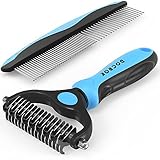
- 【Easy Dematting and Deshedding Tools】: Our Grooming brush and comb combo help effortlessly dematting and reduces shedding. A must have dog brush for shedding, pet supplies, cat supplies, dog supplies metal comb for dogs shedding.
- 【Safe Design】: Soft and protective edge brush and comb creating a comfortable feeling while detangling matted hair and deshedding without hurting your pet. Perfect metal comb for dogs, dematting comb for cats, undercoat rake for dogs double coat.
- 【2-in-1 Rake】: Our undercoat rake is perfect for medium and long-haired dogs and cats and other double coat pets. Wide side for easy dematting, dense side for deshedding. Well made deshedding tool, grooming brush and deshedder brush for dogs.
- 【2-in-1 Comb】: Wide sided for comb knot, smoothing and modeling your pet's hair, dense side for removal of loosen hair, you can use it on the legs, head or tail of your pets where the brush can’t. Perfect metal comb for dogs, dematting comb for cats deshedding tool for dogs.
- 【Sturdy and Comfortable Design】: Premium Stainless steel metal teeth and compact design make our product sturdy and durable. High-quality & lightweight TPR handle make your grooming effortlessly. High-quality undercoat rake for dogs double coat, metal comb for dogs, dematting comb for cats, dog comb for matted hair.
Potential difficulties include vocalizing, escape attempts, strong prey drive, independence, and a tendency to become destructive when under-exercised. A Shepsky should not be trusted off-leash in an unsecured area simply because it is well trained at home. Secure doors, fencing, identification, and careful management matter.
Blue eyes, wolf-like markings, erect ears, and a specific adult size are not guaranteed. Coat density and shedding can also be considerable.
- Potential strengths: energetic, playful, athletic, and engaging.
- Possible challenges: escape behavior, vocalness, shedding, independence, and high stamina.
- Best fit: an experienced, active family with secure exercise space and time for daily training.
4. German Shepherd-Australian Shepherd mix: German Australian Shepherd
Australian Shepherds are highly intelligent, work-oriented herding dogs with considerable exercise and training needs. A German Shepherd-Australian Shepherd mix may be exceptionally trainable, responsive, and focused on its handler.
For a sporty family, this combination could be a rewarding partner for hiking, obedience, agility, scent work, or other structured activities. It may also be quick to notice movement and attempt to control it. Herding behavior can include chasing, circling, barking, or nipping at the heels of children, pets, bicycles, or running family members.
Intelligence should not be confused with ease. Very bright working dogs often need more management because they learn unwanted habits quickly and can invent their own activities when bored. A large yard alone will not meet this dog’s needs if it has no guidance, training, or meaningful work.
Merle coloring is not guaranteed, and coat color should never be treated as evidence of temperament. Select for behavior, health, and compatibility rather than appearance.
- Potential strengths: responsive, athletic, highly trainable, and enthusiastic about structured activities.
- Possible challenges: herding behavior, over-arousal, sensitivity, barking, and boredom-related destruction.
- Best fit: an active household that genuinely enjoys training and canine activities.
5. German Shepherd-Border Collie mix
A German Shepherd-Border Collie mix may be highly responsive and capable. Border Collies are exceptionally bright, athletic working dogs that often need a job and vigorous daily exercise. The German Shepherd side may add strength, guarding tendencies, and another layer of working intensity.
This combination can be an excellent project for experienced owners who enjoy training, canine sports, advanced obedience, trick work, scent games, or long outdoor activities. It may thrive when given clear rules and appropriate outlets for both its body and brain.
It can be a poor fit for a sedentary family or a home expecting a dog to entertain itself. Frustration may show up as chasing, barking, obsessive movement, nipping, pacing, chewing, or destructive behavior. Exercise should be balanced with rest and impulse-control training; endlessly escalating physical activity can create an even fitter dog without teaching it how to settle.
- Potential strengths: quick learning, athleticism, handler focus, and enthusiasm for training.
- Possible challenges: intense herding, sensitivity, compulsive behavior, and demanding mental needs.
- Best fit: experienced, active owners who want a working-dog training partner.
6. German Shepherd-Rottweiler mix: Shepweiler
A German Shepherd-Rottweiler mix may grow into a large, powerful, loyal, and protective dog. Rottweilers can be loving and playful with their families while remaining reserved toward outsiders. The German Shepherd parent may reinforce alertness, trainability, and a tendency to take household boundaries seriously.
This combination may suit an experienced family that wants a substantial companion and is prepared for responsible handling. Early socialization, reward-based training, calm visitor routines, reliable leash skills, and impulse control are essential. Adults must supervise interactions with children, visitors, and other animals rather than assuming that loyalty equals safe behavior in every situation.
Rank #3

- One of the best dog brushes on the market, It has a double row of stainless steel pins/teeth to reduce pulling the coat without damaging it or hurting your pet. It is a very gentle experience for your dog, cat, rabbit, or any other furry friend that needs brushing.
- Our undercoat Rake dramatically reduces shedding by up to 90% after just 1 short session. This is compared to only 30% with the average Brush or comb. Perfect for matted, heavy shedding undercoats and fur.
- Our professional grooming brushes can be used on both dogs, cats, rabbits, or equestrian horses that have short, Medium or long hair. This professional, high quality brush is priced well, so you can buy one to keep in the house and one for the car.
- Recommended and used by veterinarians, groomers, and pet professionals. The perfect brush for removing unwanted shedding hair. Scientifically designed to promote healthy skin and a shiny top coat. Protects you and your pet from skin allergies, and minimizes irritation from build up, which reduces allergic airborne elements.
- The innovative design allows air to your pet's skin and stimulates the hair follicles, allowing the release of healthy oils. The contouring handle is strong and durable, made of a non-slip, non-toxic silicone. The stainless pins take the unnecessary ’hurt’ out of grooming your pet.
A Shepweiler should not be marketed as an automatic guard dog. Protective behavior varies between individuals and can become difficult or unsafe if fear, reactivity, poor socialization, or inconsistent handling is allowed to develop. The goal should be a stable, controllable dog—not one encouraged to decide who is a threat.
Do these 3 things before closing this tab:
1Scan for outdated or missing drivers - takes under a minute2Clear out junk files and repair common Windows errors3Fix the driver behind crashes, sound loss and screen glitches- Potential strengths: loyal, intelligent, confident, and family-oriented with appropriate training.
- Possible challenges: size, strength, stranger reserve, guarding behavior, and management around visitors.
- Best fit: an experienced household committed to socialization and professional guidance when needed.
7. German Shepherd-Pembroke Welsh Corgi mix: Corman Shepherd
The German Shepherd-Corgi mix is sometimes called a Corman Shepherd. Pembroke Welsh Corgis are lively, athletic, affectionate herding dogs. A mix may be smaller than some other German Shepherd combinations, but the nickname does not establish adult size or body shape.
The dog could inherit a German Shepherd-like build, a Corgi-like shorter-legged body, or an intermediate form. A short-legged body does not automatically mean low exercise needs. This mix may still be energetic, vocal, alert, and eager to control movement.
Herding behavior can include chasing and nipping, particularly when children run or squeal. Families should teach an appropriate response to movement, provide enrichment, and avoid allowing heel-nipping to become a game. Because body structure can vary, adopters should also ask a veterinarian about safe exercise and weight management for the individual dog.
- Potential strengths: lively, affectionate, clever, and engaging.
- Possible challenges: unpredictable size and structure, barking, chasing, and heel-nipping.
- Best fit: a family choosing for the individual dog’s behavior rather than the novelty of the cross.
8. German Shepherd-Standard Poodle mix: Shepadoodle
A German Shepherd-Standard Poodle mix may be bright, athletic, versatile, and highly trainable. Standard Poodles are active dogs with curly coats and substantial intelligence. Some individuals may shed less than a typical German Shepherd, but coat inheritance in mixed-breed dogs is variable.
This is not a guaranteed hypoallergenic or non-shedding dog. Allergens come from more than visible hair, and no mixed-breed coat can promise an allergy-free home. Anyone with significant allergies should spend time with the specific dog before committing and should discuss realistic expectations with a medical professional.
Coat texture may range from straighter and shedding to curly and mat-prone, with many possibilities between those extremes. Grooming frequency, professional trimming, ear care, and daily coat inspection may all be part of ownership. Choose this mix for the individual dog and your willingness to maintain its coat—not as a guaranteed allergy solution.
- Potential strengths: intelligent, athletic, versatile, and eager to learn.
- Possible challenges: variable coat care, matting, shedding, sensitivity, and high activity needs.
- Best fit: an active family prepared for training and regular grooming regardless of coat type.
9. German Shepherd-Great Pyrenees mix: Germanees
A German Shepherd-Great Pyrenees mix may become a very large, protective, independent dog. Great Pyrenees are large, thick-coated livestock guardians that can be calm with family while remaining vigilant and self-directed. The German Shepherd parent may add trainability, athleticism, and additional alertness.
This mix can appeal to households that have room, secure fencing, and realistic expectations about guardian-dog behavior. Barking or alerting, shedding, independence, and a slow-to-change opinion about unfamiliar people may all be part of the picture.
Quick wins for a faster PC:
Scan for outdated or missing drivers - takes under a minuteDriver Scan →Repair Windows errors before they cause bigger problemsFix Now →Fix the driver behind crashes, sound loss and screen glitchesFind Drivers →A calm puppy can still mature into a powerful adult. Families should establish boundaries early, introduce visitors thoughtfully, and teach the dog that the adults—not the dog—manage access to the home. Its size also affects practical decisions: transportation, veterinary care, leash equipment, sleeping space, and the ability of each adult to safely control the dog.
- Potential strengths: devoted, steady with family, watchful, and substantial.
- Possible challenges: very large size, heavy shedding, barking, independence, and guardian instincts.
- Best fit: a prepared household with secure property and experience managing large dogs.
10. German Shepherd-Belgian Malinois mix: German Malinois
A German Shepherd-Belgian Malinois mix can be intensely trainable, athletic, sensitive, and closely attached to its handler. Belgian Malinois are demanding working dogs used in high-level service roles, but that background should not be mistaken for a guarantee that a mix will be suitable for ordinary family life.
Rank #4
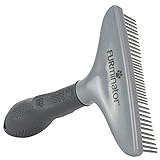
- Removes loose hair, tangles and prevents mats
- The rotating metal teeth help to remove loose hair from undercoat in dense fur
- Best for dogs and cats with thick fur or dense double coats
- Convenient daily solution for undercoat care
- The ergonomic non-slip handle gives you maximum control
This may be an excellent choice for an experienced, highly active household prepared to provide structured training, meaningful work, impulse control, and careful management of arousal. Obedience, scent work, tracking, advanced tricks, and other purposeful activities may be appropriate outlets for some individuals.
It may be too demanding for an inexperienced or inactive family. A dog that is fast to learn can also be fast to develop chasing, nipping, reactivity, barking, or frantic play if its needs and boundaries are unclear. Evaluate the individual dog’s ability to settle, recover from excitement, accept handling, and respond around people and animals—not only its athletic potential.
What’s actually slowing this PC down?
Pick the symptom - the matching free tool is one click away.
- Potential strengths: focused, athletic, affectionate with its people, and highly responsive.
- Possible challenges: intense work drive, over-arousal, sensitivity, reactivity, and demanding training needs.
- Best fit: experienced active owners who understand working-dog behavior and want a structured training partner.
How to decide whether a German Shepherd mix fits your family
Before choosing a puppy or adult dog, work through this checklist:
- Exercise: Can the household provide daily physical activity, not just occasional weekend outings?
- Mental work: Is there time for training, scent games, food puzzles, retrieving, chew activities, and calm-settling practice?
- Socialization: Can adults provide gradual, positive exposure to people, children, animals, handling, surfaces, sounds, and places?
- Supervision: Can an adult actively supervise every interaction between the dog and children?
- Coat care: Is the family prepared for shedding, muddy outdoor activity, brushing, nail care, and possible professional grooming?
- Containment: Is fencing secure enough for an athletic, independent, or escape-prone dog?
- Strength and size: Could every adult in the home safely manage the dog if it becomes larger or stronger than expected?
- Individual behavior: Does this particular dog’s behavior match the household better than its breed label does?
For an adult rescue dog, ask specifically about behavior around children, dogs, cats, strangers, handling, food, toys, resource guarding, leash walking, being left alone, car travel, and recovery after startling events. A shelter’s guessed visual breed label is less useful than observed behavior and a documented history.
Independent reader supportYour contribution helps us test, update, and keep practical guides available for everyone.Training a German Shepherd mix for family life
Start with reward-based training, clear routines, and management that prevents rehearsal of unwanted behavior. Useful early skills include responding to its name, coming when called, walking without dragging the handler, dropping objects, waiting at doors, settling on a mat, accepting grooming, and politely greeting people.
Puppies also need carefully paced socialization rather than uncontrolled exposure. Pair new experiences with food, play, or calm praise, and allow the puppy to retreat when overwhelmed. Housetraining, crate training, handling practice, exercise planning, and appropriate training equipment should be introduced gradually.
Recommended Free Tools
Consider puppy socialization classes or a qualified positive-reinforcement dog trainer if you need help designing safe exposures or managing jumping, nipping, fear, leash reactivity, guarding, or over-arousal. Choose a professional who explains methods clearly and avoids intimidation-based techniques. A trainer should assess the individual dog rather than applying a one-size-fits-all plan.
Working-dog ancestry means “family dog” should not be confused with “low maintenance.” The right mix can be a wonderful companion, but most German Shepherd crosses benefit from daily structure, boundaries, enrichment, and ongoing training beyond puppyhood.
Shedding, grooming, and preparing your home
German Shepherds have medium-length double coats and can shed heavily, especially during seasonal coat changes. Labrador Retrievers, Golden Retrievers, Siberian Huskies, Australian Shepherds, Border Collies, and Great Pyrenees ancestry may also contribute substantial shedding or grooming needs.
Brush according to the dog’s actual coat and shedding pattern. A dense double coat may benefit from a dog undercoat rake or de-shedding brush used carefully and according to its instructions. Stop if the skin becomes irritated, and ask a groomer or veterinarian for advice if you are unsure which tool is appropriate.
Do these 3 things before closing this tab:
1Repair Windows errors before they cause bigger problems2Fix the driver behind crashes, sound loss and screen glitches3Clear out junk files and repair common Windows errorsRegular grooming is more than hair removal. Check the skin for irritation or parasites, inspect ears and paws, keep nails at a safe length, and introduce handling gradually. Do not routinely shave a German Shepherd-type double coat as a cooling strategy. Focus instead on brushing, shade, hydration, avoiding dangerous heat, and veterinary advice when the dog shows signs of overheating.
Best Value

- COMPLETE GROOMING COMBO: Includes our dual-sided deshedding brush and a premium metal comb to effortlessly remove stubborn mats, tangles, and loose hair.
- 2-IN-1 METAL COMB: The included stainless steel comb features dual-density teeth perfect for detailed detangling on sensitive areas like the face, paws, and tail.
- DUAL-SIDED DEMATTING BRUSH: Start with the 9-teeth side for stubborn mats and tangles, then finish with the 17-teeth side for thinning and deshedding to reduce shedding by up to 95%.
- SKIN-FRIENDLY DESIGN: Both tools feature rounded, scratch-free teeth that gently massage your pet's skin, ensuring a pain-free and comfortable grooming experience.
- COMFORTABLE & DURABLE: Designed with a soft, ergonomic anti-slip grip for comfortable, long grooming sessions for both cats and dogs of all hair types.
A Poodle cross may have a curlier, lower-shedding coat, but this is not guaranteed. Curly or wavy coats can mat close to the skin, making regular brushing and trimming important. Meet the individual dog before assuming either a low-maintenance coat or a solution for allergies.
Health and DNA testing: what owners should know
Mixed-breed status does not guarantee better health or eliminate inherited disease. German Shepherd mixes can still develop common canine health problems, and the risks depend on the individual dog, its parents, breeding practices, environment, and chance.
Ask breeders or rescues for available veterinary records and relevant health information. A veterinarian can help plan preventive care, weight management, exercise, vaccinations, parasite control, and screening appropriate to the dog’s age, size, and background.
A mixed-breed dog DNA ancestry test can be an optional curiosity or planning tool. Results estimate genetic ancestry; they do not prove official breed purity, guarantee temperament, or establish that a dog will or will not develop a disease. Genetic tests identify variants or predispositions, not a diagnosis by themselves. If a result raises a medical concern, discuss it with a veterinarian rather than treating the report as a clinical conclusion.
When adopting a dog whose background is unknown, choose based on its observed behavior, health, and compatibility. DNA ancestry can be interesting, but it should not overrule what the dog consistently shows you.
Which German Shepherd mix is best for your household?
| Household preference | Combinations to consider | Important caution |
|---|---|---|
| Active family companion for walks, fetch, and hikes | Sheprador or Golden Shepherd | Neither temperament nor shedding is guaranteed. |
| Endurance sports and secure outdoor exercise | Gerberian Shepsky | Escape behavior, vocalness, and coat care may be substantial. |
| Agility, obedience, or intensive training | German Australian Shepherd or German Shepherd-Border Collie | High intelligence often means high management needs. |
| Large, devoted, protective companion | Shepweiler or Germanees | Strength, visitor management, socialization, and size matter. |
| Experienced working-dog household | German Malinois | May be too intense for an inactive or inexperienced family. |
| Interest in a different coat or body type | Shepadoodle or Corman Shepherd | Coat, structure, adult size, and exercise needs remain variable. |
Bottom line
German Shepherd mixes can be affectionate, loyal, athletic family companions, but none is automatically easy, child-safe, low-shedding, hypoallergenic, small, or protective. The strongest match is the individual dog whose needs your family can meet every day.
Look beyond the nickname. Assess temperament, history, health, size, coat, response to children and other animals, ability to settle, and willingness to learn. With realistic expectations, careful supervision, early socialization, consistent reward-based training, and enough physical and mental activity, the right German Shepherd mix can become a deeply involved member of family life.
Frequently Asked Questions
Some can be excellent family companions, but no mix is automatically safe or child-friendly. Evaluate the individual dog’s temperament, history, socialization, and behavior around children, and always supervise interactions.
Are German Shepherd mixes good with children?
There is no guaranteed low-shedding German Shepherd mix. A Standard Poodle cross may shed less, but coat inheritance varies widely and curly coats can require substantial grooming. No mix is guaranteed hypoallergenic.
Which German Shepherd mix sheds the least?
Not automatically. Mixed-breed status does not eliminate inherited or common canine health problems. Veterinary records, responsible breeding, preventive care, and the individual dog’s health matter more than the label alone.
Are German Shepherd mixes healthier than purebred dogs?
A DNA ancestry test estimates genetic ancestry, but it does not establish official breed purity or guarantee temperament. Results should be treated as informational and should not replace behavioral observation or veterinary advice.
Can a DNA test confirm that my rescue dog is a German Shepherd mix?
The Bottom Line
The right German Shepherd mix is the one whose individual temperament and daily needs fit your family—not simply the one with the most appealing breed label. Meet the dog, investigate its history, plan for training and shedding, and make supervision around children non-negotiable.
Quick Recap
Product prices and availability are accurate as of the date/time indicated and are subject to change. Any price and availability information displayed on Amazon at the time of purchase will apply.




