
Some links on this page are affiliate links: if you buy through them we may earn a commission, at no extra cost to you.
The safest and most dependable way to keep squirrels from eating pumpkins is to block access. Cover individual pumpkins with a secure wire cage, enclose the entire patch with sturdy mesh, or move decorative pumpkins indoors when they are not being watched. Sprays, scents, and scare devices may help temporarily, but they are not substitutes for a barrier.
The right solution depends on whether the pumpkin is still growing in your garden or is being used as outdoor fall décor. A mature garden pumpkin can be harvested and cured; a porch pumpkin can be enclosed or brought inside. The methods below avoid poison, mothballs, household cleaners, unsafe traps, and unapproved pesticide applications.
As an Amazon Associate I earn from qualifying purchases.
First, make sure squirrels are the problem
Before treating your pumpkins, identify which animal is causing the damage. Tree squirrels are generally active during the day, climb trees and structures, and leave small gnaw marks or missing chunks. But pumpkins may also attract raccoons, rats, opossums, mice, deer, and other wildlife.
- Likely squirrels: damage appears during daylight, the pumpkin has small tooth marks, and you see squirrels traveling through trees, fences, wires, or roofs.
- Possible raccoons or other mammals: damage appears overnight, the pumpkin has been moved, ripped open, or heavily disturbed.
- Possible rodents: look for small tooth marks, droppings, burrows, or damage close to the ground.
A trail camera or a few short periods of monitoring can prevent you from using a squirrel solution for a raccoon or rat problem. The University of California’s tree-squirrel guidance also recommends considering the animal’s behavior and access route before choosing a control method.
Popular on Amazon

- Keep Squirrels & Chipmunks from Digging, Chewing, & Nesting: Shake vigorously for 30 seconds before each use to prevent clogging. Reapply after heavy rain for continued effectiveness. Do not apply to plants, as burning may occur. This squirrel repellent spray protects gardens, bird feeders, attics, garages, and vehicles from destructive small animals by creating a sensory barrier through smell, taste, and touch that they instinctively avoid.
- Long-Lasting, Weatherproof Protection: Each application of our indoor and outdoor squirrel repellent spray delivers reliable, extended protection, whether it rains, you’re watering, or there’s regular activity in the area. The liquid formula stays active after exposure to the elements, maintaining a consistent barrier that effectively repels squirrels. However, weather conditions, rainfall, and local squirrel population density may require more frequent application.
- Family, Pet, & Garden-Friendly Formula When Used as Directed: Designed for indoor and outdoor use, this repellent for squirrels and chipmunks provides a practical alternative to harsh chemical treatments and helps control damaging activity without relying on complicated deterrent systems. It is safe to use around children, pets, and plants when applied as directed.
- Easy Spray Application and Flexible Coverage: To repel squirrels and chipmunks effectively, mist the Squirrel Stopper spray onto bird feeders, attic vents, garden beds, garages, roofs, or vehicles. The ready-to-use squirrel repellent spray covers up to 1,000 sq. ft. per quart, with larger gallon sizes covering up to 4,000 sq. ft. No dilution or mixing is required, making it simple to protect your property indoors or outdoors.
- Trusted Animal Control Solutions: Animal Stopper Repellent offers a full range of liquid and granular formulas for various unwanted animals, from mice to moose, and squirrels to snakes. No matter the intruder, we offer professional-grade animal repellents to help you protect your property confidently.
Choose the fix that fits your pumpkin
| Situation | Best first choice | Why it works |
|---|---|---|
| Pumpkin still growing in the garden | Individual wire cage or full patch enclosure | Stops squirrels from reaching the fruit while it matures |
| One or two valuable pumpkins | Secure cage with a covered top | Uses less material than fencing the entire patch |
| Mature pumpkin awaiting harvest | Harvest, cure, and store it indoors | Removes the fruit from the squirrel-accessible area |
| Whole porch pumpkin | Enclosed display or indoor storage | Physical separation is more reliable than scent deterrents |
| Carved jack-o’-lantern | Bring it inside when unattended and remove it promptly after Halloween | Carved pumpkins quickly become a food cue for wildlife |
| Damage continues despite a squirrel deterrent | Inspect the barrier and reassess the animal | A gap or misidentified pest makes repellents ineffective |
1. Cover each pumpkin with a secure wire cage
Best for: One or a few pumpkins in a garden or on a porch.
An individual cage is usually the most practical answer when you want to protect only a few fruits. Use a rigid wire basket, welded-wire enclosure, hardware-cloth cylinder, or commercial fruit cage. For persistent squirrel pressure, a sturdy 1/2-inch hardware-cloth enclosure is a conservative practical recommendation; it is not a pumpkin-specific standard tested in every situation. Some extension guidance also discusses one-inch hexagonal chicken wire for covering crop rows, but larger or flexible mesh may leave more opportunities for an animal to push, climb, or chew through.
- Make the cage large enough for the pumpkin to expand without pressing against the mesh.
- Cover the top as well as the sides. An open-topped cage is not complete exclusion because squirrels climb.
- Close or stake the bottom so the animal cannot push underneath.
- Secure seams, corners, lids, and doors with strong clips, wire, or fasteners.
- Eliminate gaps large enough for a squirrel to enter or become stuck.
- Check the cage after wind, rain, watering, and gardening work.
- Fold back or cover sharp wire ends to protect children, pets, and wildlife.
Oregon State University Extension recommends wire cages for excluding squirrels from vegetables, fruit, and flowers. The important detail is not merely using wire; it is making the enclosure gap-free and resistant to pushing, climbing, and chewing.
If it fails: Look first for an opening at the bottom, lid, door, or corners. Repair the exclusion failure before adding a scent product.
2. Enclose the entire pumpkin patch
Best for: Multiple plants, large pumpkins, or recurring wildlife pressure.
For a larger garden, build a sturdy enclosure from wire mesh or fencing. Because tree squirrels can climb and jump, a low fence alone may not be enough. Add a mesh roof or overhead netting when practical, and secure every seam, gate, corner, and bottom edge.
Choose tight, durable material and inspect it regularly. Loose plastic netting can be chewed and may entangle birds or other wildlife. The University of Minnesota’s garden guidance places physical barriers above repellents, while the U.S. Fish and Wildlife Service warns about wildlife entanglement from improperly used netting.
If you use temporary netting, keep it taut and well secured, check it frequently, and remove it as soon as it is no longer needed. Do not leave loose mesh draped over plants where a bird, pet, or wild animal can become caught.
3. Raise the pumpkin and cover it
Best for: Fruit resting directly on soil and vulnerable to rodents, voles, rabbits, or squirrels approaching from below.
Place the pumpkin on a dry board, pallet, paver, or another stable support. Elevation reduces contact with damp soil, improves airflow, and makes it easier to inspect the fruit for damage. It also makes it easier to place a cage around the pumpkin.
The Tool Desk
Outbyte Driver Updater FREEScan for outdated or missing drivers - takes under a minuteDriver Scan →Outbyte PC Repair FREEClear out junk files and repair common Windows errorsFree Scan →Also popular on Amazon
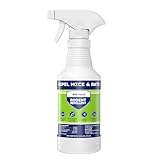
- Safe for People and Pets: Formulated with natural ingredients for use around children and pets when used as directed, providing a solution without harsh chemicals
- Long-Lasting Coverage: Extra-strength formula provides coverage for up to 90 days with one application, offering extended protection against unwanted rodents
- High-Quality Ingredients: Features high-grade peppermint essential oil, locally sourced from quality farms, known for its strong scent that rodents find unpleasant
- Versatile Indoor and Outdoor Use: Suitable for use in homes, garages, gardens, and vehicles, providing coverage for approximately 1,000 square feet per application
- Easy Application: Comes with a user-friendly trigger sprayer that prevents clogging, simply shake the bottle and spray desired areas to create a dry-spray barrier with a fresh peppermint scent
Elevation alone is not squirrel-proof. Tree squirrels climb tables, supports, fences, and nearby structures. Pair the raised support with a securely fastened wire cover. An Ask Extension response similarly recommends raising pumpkins and combining that step with bird netting or another form of coverage.
Use a support that cannot tip when a pet, child, wind, or animal bumps it. Keep the pumpkin dry, but do not seal it in a way that traps moisture against the rind.
4. Harvest mature pumpkins promptly
Best for: Pumpkins that are mature or nearly mature and being repeatedly attacked in the garden.
Harvesting is often more reliable than trying to defend a mature fruit indefinitely. A pumpkin is generally ready when:
Quick wins for a faster PC:
Clear out junk files and repair common Windows errorsFree Scan →Scan for outdated or missing drivers - takes under a minuteDriver Scan →- it has reached its normal mature color;
- the rind cannot be easily scratched with a fingernail;
- the vine and stem are beginning to harden or decline; and
- a hard freeze is approaching.
Cut the stem rather than pulling or twisting the pumpkin from the vine, and leave several inches of stem attached. Immature pumpkins may not store well, so do not harvest very early unless ongoing damage or weather makes it necessary.
For more specific maturity and handling guidance, see Utah State University Extension’s harvest recommendations. If you are growing giant pumpkins or another unusual variety, maturity signs can differ slightly.
5. Cure and store pumpkins indoors when outdoor conditions are risky
If squirrels are actively damaging mature pumpkins, cure them in a garage, shed, barn, or other protected, ventilated space instead of leaving them exposed in the field.
Cure sound pumpkins for roughly one to two weeks in warm, dry, well-ventilated conditions. After curing, store them in a cool, dry location; extension guidance commonly gives about 50–55°F as a useful storage range, although the ideal conditions vary by variety and storage duration.
Recommended Free Tools
- Handle pumpkins carefully to avoid bruises and broken stems.
- Store them on a dry surface rather than directly on a damp floor.
- Check them regularly for soft spots, leaking, mold, or decay.
- Do not store damaged, soft, or frost-injured fruit with sound pumpkins.
The University of Minnesota’s pumpkin storage guidance provides additional information about maturity, curing, frost, and storage.
6. Keep porch pumpkins indoors or behind a physical enclosure
Best for: Whole decorative pumpkins and jack-o’-lanterns.
Also popular on Amazon

- STOPS DAMAGE FAST – Contains powerful ingredients that prevent squirrels from chewing & gnawing on wires, plants, outdoor furniture, and more
- NATURAL INGREDIENTS & PET SAFE – Safe for people, pets, and the environment. Contains NO harmful chemicals or poisons, and has NO foul odors. While this repellent is safe for wild birds, it is NOT intended to keep squirrels off of bird feeders.
- PREVENTS CAR & TRUCK DAMAGE – Stops squirrels from chewing on wires and nesting under the hood of your vehicle
- SAFE FOR PLANTS – Safe to spray directly on plants that are being damaged by squirrels. Perfect for protecting Tomatoes, Bulbs, Hibiscus, Rhododendron, Camellia, Tulips, Succulents, Pumpkins, and Fruit Trees
- PROTECTS FURNITURE & DECKING – Prevents costly damage to outdoor furniture, cushions, planters, decking, trashcans, and any other surface squirrels are chewing on.
For a porch display, the lowest-risk “repellent” is physical separation. Place pumpkins inside a screened porch, enclosed entryway, garage, or sturdy wire enclosure. If the display allows it, bring them indoors overnight or whenever nobody is watching.
A table, stand, or raised planter can make the display attractive, but it is not a squirrel barrier. Tree squirrels can climb structures and use fences, branches, wires, roofs, and railings as travel routes. Keep the pumpkin away from those launch points and use a cage or enclosed display when the fruit must remain outside.
This matters especially for carved pumpkins. The exposed flesh, moisture, and scent can attract squirrels, raccoons, deer, mice, insects, and other wildlife. The U.S. Fish and Wildlife Service recommends protecting outdoor pumpkins from wildlife and removing them once they begin to decompose.
7. Remove food cues around the display
Reducing other food sources will not make a yard squirrel-proof, but it can make your pumpkins less attractive and reduce repeated visits. Temporarily remove bird feeders or use a genuinely squirrel-resistant feeder, and clean up spilled seed promptly.
Also:
- Bring pet food indoors.
- Secure garbage, compost, and recycling.
- Remove fallen nuts, fruit, and rotting produce.
- Clean up pumpkin seeds and pulp immediately after carving.
- Do not leave scraps beside the porch or garden.
Bird feeders can attract squirrels and other rodents even when they are several feet from the pumpkin. Oregon State Extension’s squirrel guidance discusses removing food attractants as part of nuisance-wildlife management.
Some sources suggest putting out a separate squirrel feeder as a diversion. That may redirect a few squirrels in some low-pressure situations, but it can also attract more squirrels, mice, rats, and other wildlife and teach animals to remain close to people. Treat diversion feeding as an optional trade-off, not the safest default.
Free tools Windows power users keep installed
One-click scans. No signup required.
8. Make the display harder to approach
Move porch pumpkins away from easy launch points, including:
- tree trunks and low branches;
- fences, railings, and stacked firewood;
- garden structures and trellises;
- utility lines and overhead travel routes; and
- bird feeders or established squirrel runways.
Prune branches that provide access to buildings only when it is safe and legal to do so. Do not remove a mature tree solely because squirrels visit the yard. Tree squirrels are highly mobile, so changing the display location will not stop a determined animal. This method works best as a supplement to a cage, enclosure, or indoor display.
Use a daytime camera if you are unsure how the squirrel reaches the pumpkin. Blocking the actual approach route is more useful than placing a random scent or visual object nearby.
9. Use a motion-activated sprinkler or rotate scare tactics
Best for: A small garden or porch approach route where a temporary, humane deterrent is practical.
What’s actually slowing this PC down?
Pick the symptom - the matching free tool is one click away.
Also popular on Amazon

- Keep Squirrels & Chipmunks from Digging, Chewing, & Nesting: Protect gardens, bird feeders, attics, garages, and vehicles from destructive small animals. This squirrel repellent spray creates a sensory barrier through smell, taste, and touch that squirrels and chipmunks instinctively avoid. Do not apply to plants, as burning may occur. Apply to surrounding areas only.
- Long-Lasting, Weatherproof Protection: Each application of our indoor and outdoor squirrel repellent spray delivers reliable, extended protection, whether it rains, you’re watering, or there’s regular activity in the area. The liquid formula stays active after exposure to the elements, maintaining a consistent barrier that effectively repels squirrels.
- Family, Pet, & Garden-Friendly Formula When Used as Directed: Designed for indoor and outdoor use, this repellent for squirrels and chipmunks provides a practical alternative to harsh chemical treatments and helps control damaging activity without relying on complicated deterrent systems. It is safe to use around children, pets, and plants when applied as directed.
- Easy Spray Application and Flexible Coverage: To repel squirrels and chipmunks effectively, mist the Squirrel Stopper spray onto bird feeders, attic vents, garden beds, garages, roofs, or vehicles. The ready-to-use squirrel repellent spray covers up to 1,000 sq. ft. per quart, with larger gallon sizes covering up to 4,000 sq. ft. No dilution or mixing is required, making it simple to protect your property indoors or outdoors.
- Trusted Animal Control Solutions: Animal Stopper Repellent offers a full range of liquid and granular formulas for various unwanted animals, from mice to moose, and squirrels to snakes. No matter the intruder, we offer professional-grade animal repellents to help you protect your property confidently.
A motion-activated sprinkler may startle squirrels away from a limited area. Aim it at the approach route, not at a walkway, neighboring property, electrical equipment, or fragile decorations. Adjust its sensitivity to reduce false triggers from pets, children, delivery workers, and visitors.
Because squirrels can habituate, use the sprinkler with a physical barrier and change its position occasionally. Account for water use and drain or remove the unit before freezing weather. The UF/IFAS wildlife-deterrent guidance discusses motion-activated water and other deterrents as temporary tools rather than guaranteed exclusion.
Reflective tape, pinwheels, moving decoys, scarecrow-style objects, and similar visual devices may help briefly. Static objects are easy for squirrels to learn to ignore, so they are low-reliability supplements rather than a primary solution.
10. Use a properly labeled squirrel repellent—only where the label permits
Commercial wildlife repellents may contain capsaicin, putrescent whole-egg solids, dried blood, garlic, castor oil, cinnamon oil, or other plant oils. They may provide short-term help, but rain, irrigation, sunlight, and animal habituation can reduce their effect. Many products also have limited evidence for how long they remain effective.
Do these 3 things before closing this tab:
1Repair Windows errors before they cause bigger problems2Scan for outdated or missing drivers - takes under a minute3Clear out junk files and repair common Windows errorsBefore using any repellent, follow this procedure:
- Confirm that the product label names squirrels as a target.
- Confirm that the label permits application to the intended site, such as soil, ornamental plants, garden crops, fruit, pumpkin, porch décor, or another surface.
- Do not apply a product to an edible pumpkin unless the label expressly permits that use.
- Follow the labeled application rate, protective-equipment instructions, reentry period, and reapplication interval.
- Keep children and pets away until the label says the area is safe.
- Wash your hands after handling the product.
- Never mix products or add dish soap, detergent, or another ingredient unless the label specifically directs it.
In the United States, a pesticide label is legally enforceable. The EPA explains that the label controls where, how, and how often a pesticide may be used. A product labeled for shrubs or ornamental plants is not automatically approved for an edible pumpkin.
Capsaicin is used as an active ingredient in some registered repellents, but it can irritate skin, eyes, and mucous membranes. Its safety depends on the formulation, application site, and label directions; “natural,” “organic,” or “pet-safe” marketing language does not replace reading the complete label. The National Pesticide Information Center’s capsaicin fact sheet explains these exposure concerns.
If the repellent fails: Rain and irrigation may have reduced its performance, or the animal may have habituated. Reapply only when the label permits it, and add or repair a physical barrier instead of increasing the concentration or spraying more frequently.
Independent reader supportYour contribution helps us test, update, and keep practical guides available for everyone.What not to use around pumpkins, pets, or wildlife
Never use these as outdoor squirrel control
- Mothballs: They are pesticides intended for clothes moths in airtight containers, not open-air wildlife repellents. The National Pesticide Information Center says mothballs generally have little or no effect as animal repellents and can expose people, pets, and wildlife to harmful vapors outdoors.
- Poison or rodenticide: These can harm pets, children, squirrels, birds, and other animals, including animals that consume poisoned bait or poisoned wildlife.
- Bleach, ammonia, Windex, hairspray, lacquer, or household cleaners: They can damage pumpkin skin, create fumes, contaminate a food crop, and expose pets and wildlife to unsafe chemicals.
- Unapproved pesticide mixtures: A homemade spray is not automatically legal or safe for an edible crop, decorative surface, pet, or wild animal.
- Loose plastic netting: Unsecured mesh may entangle birds, pets, and wildlife.
- Casual trapping and relocation: Laws vary by state, and relocation may be illegal without authorization. It can also cause disease transmission, territorial conflict, starvation, predation, and road mortality. Use exclusion or contact a licensed wildlife-control professional instead.
What about vinegar, coffee grounds, peppermint oil, garlic, pet hair, or petroleum jelly?
These ideas appear frequently in lifestyle advice, but stronger extension guidance does not establish them as dependable squirrel controls. Consider them anecdotal or unverified rather than proven methods. Vinegar may damage pumpkin skin, and essential oils can irritate pets or wildlife depending on concentration and exposure.
Crashes, No Sound, or Screen Glitches?
Random freezes, missing sound and display glitches usually trace back to one bad driver. Find and replace yours safely.Free scan · under a minutePC Slower Than It Used to Be?
A free scan shows the junk files, broken settings and background clutter dragging Windows down - then fixes them in one click.Free scan · Windows 10 & 11What about homemade hot-pepper spray?
Capsaicin is a legitimate ingredient in some registered wildlife repellents, but a kitchen mixture is not automatically labeled for pumpkins, food crops, children, pets, or wildlife exposure. Do not make a homemade hot-pepper spray the default solution, and never apply an unapproved mixture to an edible pumpkin.
Why squirrels eat pumpkins in the fall
Pumpkins provide accessible moisture, carbohydrates, seeds, and soft flesh, so they can become an easy seasonal food source. However, pumpkin preference is not well studied. Neighborhood conditions, weather, natural food availability, and individual animal behavior may all matter.
Also popular on Amazon
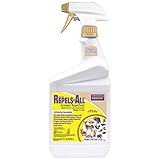
- Keep animals out of your yard and garden with Repels-All Animal Repellent from Bonide! This special formula naturally deters a wide variety of garden pests including deer, mice, chipmunks, squirrels and more!
- Natural ingredients act as a deterrent that will not cause harm to critters. The strong scent will cause animals to naturally avoid your garden and go elsewhere.
- When used as directed, this product is safe for use around people and pets. Biodegradable ingredients will not harm ornamentals, edibles or other desirable plants in your yard and garden.
- Apply animal repellent concentrate wherever you need protection. This product can be safely applied to structures, plants and more. Use as a perimeter around your yard to prevent new pests from arriving.
- This product arrives conveniently ready-to-use in a spray nozzle bottle! Apply directly to foliage, bulbs, seeds or hard surfaces of structures to protect and control. For best results, follow the detailed instructions on the product label.
A 2025 UNH Extension response notes that there is limited scientific evidence explaining why squirrels prefer particular gourds, pumpkin colors, or varieties. It is therefore not reliable to claim that squirrels universally hate or prefer a particular color, scent, herb, or household ingredient.
When a pumpkin has already been damaged
- Remove soft, leaking, or badly damaged fruit promptly.
- Do not use damaged pumpkins for food.
- Keep damaged fruit away from sound pumpkins because exposed flesh and odor can attract more animals.
- If a pumpkin was treated with an unapproved repellent, cleaner, paint, or pesticide, do not present it as food without authoritative, product-specific guidance.
- Compost or dispose of chemically treated pumpkins according to local rules.
After Halloween, remove carved pumpkins rather than allowing them to become a wildlife feeding station. This is particularly important in areas with bears or other large wildlife. The U.S. Fish and Wildlife Service warns that painted or chemically treated pumpkins can be hazardous if wildlife eats them.
What actually works best?
For most homeowners, the best safety-to-reliability balance is:
- Individual wire cage or full patch enclosure.
- Indoor storage or an enclosed porch display.
- Remove birdseed, pet food, garbage, compost, and other food attractants.
- Harvest mature pumpkins promptly.
- Use a motion sprinkler or rotating scare tactic as a temporary supplement.
- Use a labeled repellent only on an approved surface and according to the label.
A barrier is not automatically safe just because it is made of mesh: it must be sturdy, secured, visible, and free of entangling gaps. Likewise, a repellent is not automatically pet-safe or food-safe because its label uses words such as “natural” or “organic.” When in doubt, choose exclusion, move the pumpkin indoors, or ask your state extension service or a licensed wildlife professional for help.
Frequently Asked Questions
Will cayenne pepper keep squirrels from eating pumpkins?
Capsaicin may help temporarily when it is part of a properly labeled commercial wildlife repellent, but homemade cayenne mixtures are not automatically approved for pumpkins or safe around pets and children. A secure cage or enclosed display is more dependable. Never apply a repellent to an edible pumpkin unless its label expressly permits that use.
Can I put a pumpkin on a table to keep squirrels away?
Not by itself. Tree squirrels climb tables, railings, fences, branches, wires, and roofs. Use the table only as part of a secure enclosure, or bring the pumpkin indoors when it is unattended.
How can I tell whether a squirrel or raccoon damaged my pumpkin?
Squirrels commonly cause daytime damage with small gnaw marks or missing pieces. Raccoons and other animals are more likely when damage occurs overnight, the pumpkin has been moved, or it has been ripped open. A trail camera or overnight monitoring can identify the culprit before you choose a deterrent.
Should I feed squirrels somewhere else to save my pumpkins?
Diversion feeding may redirect some squirrels, but it can also attract more squirrels, rats, mice, and other wildlife and make animals more accustomed to people. It is a low-confidence trade-off, not the safest default. Removing food attractants and blocking access are better first steps.
The Bottom Line
Block access first. Use a gap-free wire cage for an individual pumpkin, a roofed mesh enclosure for a patch, or an indoor display for porch pumpkins. Harvest and store mature garden pumpkins, remove food cues around the display, and treat sprinklers or labeled repellents as temporary supplements. Never use mothballs, poison, household cleaners, or unapproved sprays around pumpkins, pets, children, or wildlife.





Leave a Reply