Common signs of pregnancy in cats include changes to heat behavior, enlarged or darker nipples, weight or appetite changes, vomiting, and altered behavior such as increased affection, pacing, or nesting. None of these signs proves pregnancy: a veterinarian can confirm it and advise on care and timing.
Ten possible signs of pregnancy in a cat
Signs differ between cats, and some overlap with illness or other normal changes. A cat may show only a few—or no obvious signs—so use these observations as reasons to contact a veterinarian, not as a home diagnosis.
| # | Preview | Product | Price | |
|---|---|---|---|---|
| 1 |
|
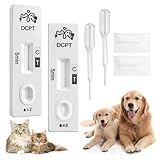
2 Pack Dog Cat Pregnancy Test Kit Pet Urine Screening Test for Dogs Cats | $13.99 | Buy on Amazon |
| 2 |
|
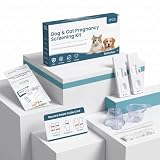
Dog & Cat Pregnancy Test Kit, 2-Test Urine-Based Screening | $22.99 | Buy on Amazon |
- Heat-related calling stops. If a cat that was calling or showing other signs of heat suddenly stops, pregnancy is one possibility.
- Nipples become darker. The nipples may look pinker or redder, a change often called “pinking.” Cats Protection says this may be noticeable around three to four weeks into pregnancy.
- Nipples become larger. Swelling or enlargement may accompany the color change.
- Weight increases. A gradual increase can occur as pregnancy advances, though weight gain alone has many possible causes.
- Appetite increases. Some pregnant cats eat more.
- Appetite decreases. Others may be fussy or temporarily eat less. Call a veterinarian if your cat is not eating.
- Vomiting occurs. Occasional vomiting can be reported in pregnancy, but it is not specific to pregnancy. Contact a veterinarian if vomiting is frequent.
- She seeks more attention. Some cats become more affectionate; others may become less tolerant or show little change.
- She paces or seems restless. Pacing may occur close to birth.
- She looks for a nesting place. A cat may seek a quiet, sheltered spot, particularly near the end of pregnancy.
How a veterinarian confirms pregnancy
Contact your veterinarian if pregnancy is possible. The best method and timing depend on when mating may have occurred and what the veterinarian needs to assess. Do not press or feel your cat’s abdomen to try to diagnose pregnancy; palpation is part of a veterinary examination.
| Method | Timing or use | What to know |
|---|---|---|
| Abdominal palpation | Merck’s owner guidance says palpation may be used around 21–30 days after breeding. | This is a veterinary examination, and usefulness depends on timing and the exam. Do not attempt it at home. |
| Ultrasound | Merck says it is most useful at 25–35 days; its owner guidance also describes use around 21–30 days after breeding. | It can assess pregnancy and fetal viability. A scan before 21 days may be falsely negative. |
| Relaxin test | Merck says relaxin may first be detectable in plasma around 20–25 days after fertilization. | This veterinary test detects a pregnancy-related hormone; it may not be informative before the hormone is detectable. |
| Radiographs (X-rays) | Used later in pregnancy when the veterinarian considers imaging useful. | They can help count kittens once fetal skeletons are visible. Merck’s owner guidance specifies more than 55 days after breeding; the appropriate timing should be decided with your veterinarian. |
Because breeding dates do not establish the exact conception date, an early negative result may not settle the question. Your veterinarian can recommend whether and when to recheck.
#1 Best Overall
- Pet At-Home Pregnancy Screening Tool – Designed to help pet owners check possible pregnancy indicators using a simple urine sample. A convenient first step before veterinary confirmation, offering peace of mind at home.
- Non-Invasive : No blood draw, no discomfort. This urine-based test is gentle for both dogs and cats, reducing stress during the checking process.
- Fast & Clear Visual Results:Results develop in just 5 minutes with easy-to-read indicators. Quickly see whether further observation or a vet visit may be needed – no guesswork.
- 2-Pack For Flexible Use:Includes two individually packaged tests. Perfect for repeat checks, confirming results, or households with more than one pet. Great for added reassurance.
- Simple Home Operation – Straightforward instructions make it easy for everyday pet owners, breeders, and caregivers. No professional equipment or training required.
How long cat pregnancy lasts
Pregnancy lasts about nine weeks, but the range varies by source: Merck Veterinary Manual gives 60–65 days, while VCA Animal Hospitals gives 60–67 days, averaging 63–65 days. These are approximate durations, especially when the breeding date is uncertain.
How to prepare and care for a pregnant cat
Discuss food with your veterinarian
Ask your veterinarian for a feeding plan appropriate to your cat. Merck says kitten food is likely to be recommended during pregnancy and nursing. Do not add calcium or vitamin supplements unless your veterinarian advises it.
Set up a suitable kittening area
Cats Protection recommends preparing a clean, quiet, warm area at least two weeks before the expected birth. Washable blankets or sheets make it easier to replace bedding. A quiet nesting box or other sheltered area can give your cat a place to settle.
Rank #2
- UP TO 98.8% ACCURACY FOR PEACE OF MIND: Designed to detect relaxin, a key pregnancy marker, from your pet’s urine. This dog pregnancy test kit and cat pregnancy test kit helps pet parents and breeders feel more confident when checking for a planned or surprise litter at home.
- ONE KIT FOR DOGS AND CATS: Made for both canine and feline pregnancy screening, this pet pregnancy test kit is ideal for multi-pet homes, breeders, foster homes, and pet owners who want one simple kit for either a dog or cat instead of buying separate tests.
- URINE-BASED, NO BLOOD DRAW NEEDED: Unlike blood-sample pregnancy tests, this urine-based kit uses a fresh urine sample with no needles, no pricks, and no stressful blood collection. A gentler option for shy pets, senior pets, anxious pets, or fur babies who hate clinic-style handling.
- MORE COMPLETE THAN A BASIC 2-PACK TEST: Includes 2 pregnancy test cards, urine collection liners, sample cups, disposable droppers, a Quick Screening Guide, and a Result & Retest Card — giving pet parents more than test cards alone.
- EASIER HOME SCREENING FROM SAMPLE TO RESULT: Liners help collect urine before it gets soaked into puppy pads, cat litter, bedding, or tissue, while the guide card helps explain positive, negative, invalid, or faint results and when to use the second test for a follow-up check.
When to call a veterinarian urgently
Contact your veterinarian promptly about frequent vomiting or a cat that is not eating. During labor, VCA advises immediate veterinary help for any of these signs:
- Twenty minutes of intense straining without a kitten.
- A kitten visible at the vulva that has not been delivered after 10 minutes of intense labor.
- The mother appears depressed or lethargic, has a fever, or seems ill.
- Fresh bleeding from the vulva continues for more than 10 minutes.
If a kitten appears stuck or your cat becomes unwell, call an emergency veterinary service rather than attempting to manage the problem at home.
Quick Recap
Sources
- Cats Protection: Pregnancy (Gestation) and care of the pregnant queen
- Cats Protection: Pregnancy
- Merck Veterinary Manual: Management of Reproduction of Cats
- Merck Veterinary Manual: Pregnancy Determination in Cats
- VCA Animal Hospitals: Pregnancy and Parturition in Cats
Product prices and availability are accurate as of the date/time indicated and are subject to change. Any price and availability information displayed on Amazon at the time of purchase will apply.




