
Do these 3 things before closing this tab:
1Fix the driver behind crashes, sound loss and screen glitches2Clear out junk files and repair common Windows errors3Scan for outdated or missing drivers - takes under a minuteIf you need a dog for cold, snowy or wet conditions, these 11 double-coated breeds are strong candidates: Alaskan Malamute, Siberian Husky, Samoyed, Newfoundland, Bernese Mountain Dog, Great Pyrenees, Saint Bernard, Keeshond, Norwegian Elkhound, Tibetan Mastiff and Finnish Lapphund. This is an editorial selection based on documented coat structure, northern or alpine work and cold-climate origins—not a ranking or a promise that any breed can tolerate every temperature.
A double coat improves insulation, but it does not make an individual dog invulnerable. Age, health, body condition, acclimation, wind, wetness and how long the dog is outside determine risk. The American Kennel Club (AKC) identifies these breeds as cold-weather or double-coated examples, while noting that there is no single safe temperature for every dog.
As an Amazon Associate I earn from qualifying purchases.
How a double coat protects a dog
A double coat has two functional layers. The outer coat consists of longer, tougher guard hairs that shield the skin and help repel moisture. The undercoat is softer and denser; its fine hairs trap warmed air next to the body. Alexandra Bassett, CPDT-KA, describes the arrangement this way: “The long guard hairs that form the outer layer of fur protect against snow or ice and can even shed water. The soft undercoat lies close to the skin and keeps a dog warm and dry.” (AKC)
Recommended Free Tools
Double coats are not all alike. The AKC groups them broadly as short, medium, long, and triple or arctic coats. A Labrador Retriever has a short double coat; Border Collies and Australian Shepherds are medium-coated; Newfoundlands, Bernese Mountain Dogs, Great Pyrenees and Saint Bernards have long coats; Samoyeds and Alaskan Malamutes illustrate especially dense triple or arctic coats. Coat length and density affect shedding, drying time, matting and the tools a groomer should use. (AKC)
#1 Best Overall

- Durable Protection For Active Dogs: Durable dog coat with iconic roots for the hardest working dogs. Fully insulated firm-hand duck canvas perfect for dogs who need a tough, reliable dog winter jacket in cold, windy conditions
- Built For Tough Conditions: Built with heavy duty firm-hand duck canvas the 12-Ounce exterior shell is crafted to handle the toughest outdoor conditions, offering durability and protection against wind and cold weather. The triple needle stitch on main seams ensures a long lasting product
- Insulated Interior For Cold Weather| Designed as a dog winter coat, this insulated dog jacket features a quilted liner and corduroy-lined collar for added warmth, keeping your dog comfortable even in cold temperatures. Warmer than a traitonal dog puffer jacket
- Easy To Adjust And Wear: The improved neck and chest tabs, along with loop-lined straps for chest and waist, ensure a secure, adjustable fit for small, medium, and large dogs
- Sizing: Offering dog jackets for small dogs(Chest Girth: 16"- 21"), dog jackets for medium dogs (Chest Girth 22"- 28"), dog jackets for large dogs (Chest Girth 25"- 38"), and dog jackets for extra large dogs (Chest Girth 30"- 45") See sizing chart in images
Cold adaptation can also involve body shape, work history or other features. Those traits improve performance in snow or icy water, but they do not eliminate frostbite or hypothermia risk. A thick coat is insulation, not a substitute for shelter, hydration, supervision and sensible exposure limits.
11 double-coated breeds for severe weather
The table is a quick comparison. “Harsh weather” describes the environments and jobs for which a breed was developed, not a guaranteed temperature tolerance.
| Breed | Coat profile | Cold-climate origin or work | Practical household consideration |
|---|---|---|---|
| Alaskan Malamute | Very dense, coarse arctic double coat | Arctic freight and sled work | Needs consistent coat maintenance and substantial daily activity |
| Siberian Husky | Dense undercoat with coarse outer layer | Pulling loads across frozen expanses | Athletic, energetic and best with outlets for running and problem-solving |
| Samoyed | Triple/arctic coat with very dense undercoat | Cold-climate working heritage | Frequent brushing and careful drying are essential |
| Newfoundland | Long, water-resistant double coat | Work in icy water | Large, gentle working dog with significant wet-coat grooming needs |
| Bernese Mountain Dog | Long outer coat and woolly undercoat | Hardy mountain farm work | Cold-capable companion that sheds heavily and needs regular brushing |
| Great Pyrenees | Long, flat water-resistant topcoat over thick undercoat | Mountain livestock guardian work | Independent guardian instincts and a coat that mats if neglected |
| Saint Bernard | Long double coat | Alpine rescue work in snow | Very large body, drool and coat volume require space and upkeep |
| Keeshond | Thick double coat | Arctic/northern ancestry | Companion-oriented but needs routine brushing through seasonal shedding |
| Norwegian Elkhound | Dense Nordic double coat | Cold-weather hunting | Hardy, alert and equipped with cold-adapted footpads |
| Tibetan Mastiff | Immense insulating double coat | Cold Himalayan region | Powerful, independent guardian requiring experienced handling |
| Finnish Lapphund | Water-resistant guard hairs over dense insulation | Northern herding and outdoor work | Trainable, social and still a serious seasonal shedder |
Breed profiles
Alaskan Malamute
The Alaskan Malamute was developed for Arctic freight and sled work, where pulling power and endurance mattered more than speed. Its thick, coarse coat is adapted to Arctic life, with a dense insulating layer beneath protective guard hairs. The AKC breed profile and cold-weather guidance describe the coat as requiring regular upkeep. (AKC breed profile; AKC cold-weather guide)
Quick wins for a faster PC:
Fix the driver behind crashes, sound loss and screen glitchesFind Drivers →Clear out junk files and repair common Windows errorsFree Scan →At home, this is a substantial, active dog rather than a backyard ornament. Plan for daily physical work, secure fencing and brushing that reaches the undercoat. A Malamute may enjoy snow, but supervision remains necessary whenever wind, wetness or exhaustion raises exposure risk.
Siberian Husky
Siberian Huskies were developed to pull loads over frozen expanses. Their medium-sized frame carries a dense undercoat and coarser outer layer, a combination identified in the AKC breed information as characteristic of the breed’s thick protection. (AKC breed profile)
Huskies suit households prepared for sustained exercise, escape-proof containment and mental work. Their coat is not a license for unattended outdoor living; an individual dog can still become dangerously cold, particularly if young, elderly, ill or unacclimated.
Samoyed
The Samoyed is a classic triple or arctic-coated breed: a very dense undercoat lies beneath longer outer hairs. That structure provides insulation in its cold-climate working heritage and makes the breed useful for explaining why undercoat density matters more than hair length alone. (AKC coat guide)
Expect conspicuous seasonal shedding and a coat that must be maintained in sections. Brush down to the skin without scraping it, dry thoroughly after bathing and address tangles before they tighten into mats. Samoyeds are social working dogs; cold tolerance does not replace companionship or training.
Newfoundland
Newfoundlands have a long double coat with a water-resistant outer layer and thick undercoat. That heavy protection helped them work in icy water, where insulation and buoyancy were essential. (AKC coat guide)
The same coat that protects a water-working dog can stay wet for a long time. Provide a way to towel and dry the dog after swimming or snow play, and check dense areas for packed debris. Their size, strength and gentle working temperament make them rewarding companions only when the household can provide space and substantial grooming.
Bernese Mountain Dog
The Bernese Mountain Dog has a long double coat: a longer outer layer over a woolly undercoat. The AKC describes the breed as hardy in cold weather, reflecting its mountain farm background. (AKC breed profile)
Free tools Windows power users keep installed
One-click scans. No signup required.
Rank #2
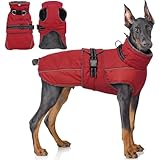
- SNOW & WATER RESISTANT DOG COAT: The dog winter coat is made of premium water-resistant fabric with fleece lining. The windproof dog jacket turtleneck design can keep the dog warm even in cold weather. Ideal for indoor and outdoor activities
- EASY TO WEAR: Quick release buckle and adjustable strap on back make the large dog coat easy to put on and take off. There are adjustable elastic straps on collar that can adjust the tightness and prevent wind and snow. QBLEEV dog clothes can machine washable
- REFLECTIVE DOG COAT WITH HARNESS BUILT IN: This dog winter jacket is designed with reflective strips, which ensuring your dog's safety in low-light conditions. There are two D-rings on the neck, which can be attached to a leash, making outdoor walking more convenient
- WATERPROOF THERMAL DOG JACKET FOR COLD DAYS: Our dog cold weather coats are great for walking, hiking, running, climbing, snow skiing, jogging, camping. Also provides optimal warmth and dryness in foggy, lightly rainy, and snowy conditions. QBLEEV warm dog coat is ideal for winter daily wear
- 6 SIZES AVAILABLE FOR SMALL MEDIUM LARGE DOGS: S, M, L, XL, XXL, XXXL. The fleece dog coat fits for nearly all kinds of breed furry friend. Such as Chihuahua, Beagle, Poodle, Bulldog, Schnauzer, Labrador, Golden Retriever, Teddy, Yorkshire Terrier, Maltese, Pekingese, Pomeranian, Cocker Spaniel, Jack Russel, Pug, Husky, Samoyed, Boston Terriers, etc
Its coat benefits from regular brushing, especially behind the ears, around the legs and wherever harnesses create friction. Berners often prefer being near their people, so a winter-capable companion still needs an indoor home, measured exercise and protection from prolonged exposure.
Great Pyrenees
Great Pyrenees are long-coated working dogs with a flat, water-resistant topcoat and thick undercoat. Those layers are suited to mountain livestock-guardian duties, when a dog may spend long periods outdoors in changing weather. (AKC coat guide)
Guarding instincts are a major household consideration. Early socialization, secure boundaries and tolerance for nighttime alerting matter as much as coat care. Never assume that an outdoor guardian should be left without a warm, dry retreat; the coat reduces heat loss but cannot prevent cold injury in every circumstance.
Saint Bernard
Saint Bernards have a long double coat, and the AKC connects their Alpine history with finding travelers during snowstorms. Their large frame and working background helped them function in deep snow, but the breed still requires individual monitoring in winter. (AKC cold-weather guide)
The Tool Desk
Outbyte PC Repair FREERepair Windows errors before they cause bigger problemsFix Now →Outbyte Driver Updater FREEFix the driver behind crashes, sound loss and screen glitchesFind Drivers →Prepare for a very large dog, heavy shedding and substantial drying after wet outings. Slower, older or overweight individuals may cope differently from fit adults, so use the dog’s condition and behavior—not the breed name—to decide when to come inside.
Keeshond
The Keeshond is a northern, cold-weather breed with a thick coat. Its insulation suits chilly conditions, while its companion-oriented nature makes it more naturally integrated into family life than a strictly utilitarian sled or guardian dog. (AKC cold-weather guide)
Routine brushing is important because a plush coat can hide loose undercoat and early tangles. Keep sessions calm and frequent rather than waiting for a large seasonal shed to become unmanageable. Provide exercise and social contact indoors as well as outdoor walks.
Norwegian Elkhound
The Norwegian Elkhound is a Nordic hunting breed accustomed to cold conditions. The AKC also notes cold-adapted footpads, an example of how paws and coat can work together in a winter environment. (AKC northern-breed guide)
This is an alert, hardy dog that benefits from purposeful activity and training. Inspect paws after outings for ice, salt or packed snow, and keep the dense coat brushed so moisture does not remain trapped against the skin.
Tibetan Mastiff
Developed in the cold Himalayan region, the Tibetan Mastiff has an immense insulating double coat. Its history reflects adaptation to high, cold environments rather than a guarantee that every modern individual can remain outside safely. (AKC cold-weather guide)
The breed’s independent, powerful guardian temperament requires experienced management, secure fencing and careful socialization. Dense fur can conceal mats or dampness, so part the coat during grooming instead of brushing only the visible surface.
Rank #3

- 【Triple-Shield Protection】This dog coat features a windproof, waterproof, and dirt-resistant softshell, keeping your dog warm and dry in harsh winter weather.
- 【3-Layer Fabric】Built with durable 150D 4-way stretch outer layer, TPU waterproof breathable membrane, and soft thermal fleece lining for comfort and warmth.
- 【Functional Fit for All Dogs】Adjustable neck buckle, elastic belly band, rear leg straps, and tail-end buckle provide a secure fit for small, medium, and large dogs.
- 【Pet-Friendly Design】High collar blocks cold wind, U-shaped belly cut ensures no interference for male or female dogs, while dual zipper leash opening makes walks easier.
- 【Safety in Low Light】Reflective strips increase visibility during evening walks, ensuring your dog stays safe outdoors. Available in multiple sizes from S to 2XL for breeds like Pomeranian, Corgi, Labrador, and Golden Retriever.
Finnish Lapphund
The Finnish Lapphund demonstrates the classic northern arrangement of water-resistant guard hairs over dense insulation. That combination helped a breed developed for northern outdoor work cope with snow and wet conditions. (AKC northern-breed guide)
What’s actually slowing this PC down?
Pick the symptom - the matching free tool is one click away.
Lapphunds are generally people-focused and trainable, but their seasonal shedding is serious. A household should be ready for regular brushing, vacuuming and outdoor activity that is adjusted for the individual dog’s age and health.
Independent reader supportYour contribution helps us test, update, and keep practical guides available for everyone.Grooming a double coat without damaging it
Weekly brushing is a useful baseline for many double-coated dogs, with more frequent sessions during heavy shedding. Jennifer Bishop-Jenkins, a certified master groomer, emphasizes: “Recognizing your dog’s coat type is so important when grooming your dog.” (AKC grooming guide)
- Identify the coat. Short, medium, long and arctic coats need different brush sizes, tooth spacing and session lengths. Ask a professional groomer to demonstrate the correct technique for your dog.
- Remove loose undercoat gently. A grooming rake or quality steel comb can lift shedding undercoat; use light pressure and stop if the skin becomes irritated. A slicker brush helps work through denser areas.
- Line-comb dense coats. Separate the fur into sections and comb from the skin outward. This is more reliable than brushing only the top layer, where mats can remain hidden.
- Prevent and treat mats early. Pay special attention to friction points, feathering and damp areas. Persistent or tight mats should be handled by a professional rather than cut out at home.
- Dry completely after bathing. Thick coats hold water. Groomers may use high-velocity drying as a technique after bathing and brushing, but equipment and handling should match the dog’s comfort and the operator’s skill.
Routine shaving is generally discouraged. The AKC explains that the two layers can regrow at different rates, leaving an uneven coat and potentially impairing its protective function. Exceptions include veterinary procedures or severe matting, when a professional decides clipping is necessary. For warm weather, use shade, water and activity during cooler periods instead of removing the insulating coat. (AKC grooming guide)
Cold-weather limits and safer outdoor time
There is no universal temperature at which every dog becomes unsafe. The AKC advises considering coat, body condition, health problems, age and outdoor experience. Puppies, senior dogs and dogs with chronic conditions are more vulnerable, even when they belong to a northern breed. (AKC winter-coat guidance)
Wind and wetness can make conditions more dangerous than the thermometer suggests. A dog that is acclimated and healthy may manage chilly weather better than a dog moved suddenly from a heated home, but acclimation does not justify leaving any dog unattended for extended periods. Every dog needs access to a warm, dry place and fresh water.
Dr. Jolee Stegemoller, DVM, offers a practical rule for severe windchill: “if windchill is below 20°F,” keep playtime short in 15–20-minute sessions and bring the dog inside to warm up between sessions. This is her general recommendation, not a guarantee or a threshold that applies identically to every animal. (AKC winter-coat guidance)
Use the dog’s behavior and physical condition to decide when an outing ends. If your veterinarian has given instructions for arthritis, heart disease, respiratory disease, weight problems or another condition, follow that individualized plan over breed reputation. As Stegemoller also puts it, “For the most part, if we, as their humans, can be outside and enjoy the weather with the right outerwear, most dogs can be out there, too.” The quote describes shared, supervised activity—not indefinite outdoor confinement.
Choosing among the 11 breeds
Start with lifestyle rather than the coldest climate you can imagine. A sled dog may need far more exercise than a family expects; a livestock guardian may be independent and vocal; a giant water-working breed may demand extensive drying; and a plush companion may shed heavily without requiring the same work ethic.
PC Slower Than It Used to Be?
A free scan shows the junk files, broken settings and background clutter dragging Windows down - then fixes them in one click.Free scan · Windows 10 & 11Outdated Drivers Are Slowing You Down
One free scan finds every outdated or missing driver and matches the right update for your exact hardware.Free scan · exact hardware match- For pulling and endurance: consider the Alaskan Malamute or Siberian Husky only if you can provide sustained exercise, training and secure containment.
- For a people-oriented, plush companion: Samoyed, Keeshond or Finnish Lapphund can fit active households prepared for brushing and shedding.
- For giant working companions: Newfoundland, Bernese Mountain Dog or Saint Bernard require space, careful weight management and substantial coat upkeep.
- For guardian instincts: Great Pyrenees or Tibetan Mastiff demand experienced handling, socialization and secure boundaries.
- For rugged northern versatility: Norwegian Elkhound combines a dense coat and cold-adapted feet with an alert hunting temperament.
Meet adult dogs where possible, ask breeders or rescue organizations about the individual’s health and behavior, and plan grooming costs before committing. Breed history can explain why a coat works in snow; it cannot predict one dog’s tolerance, medical needs or willingness to live in your household.
Quick Recap
Product prices and availability are accurate as of the date/time indicated and are subject to change. Any price and availability information displayed on Amazon at the time of purchase will apply.





Leave a Reply