
Crashes, No Sound, or Screen Glitches?
Random freezes, missing sound and display glitches usually trace back to one bad driver. Find and replace yours safely.Free scan · under a minutePC Slower Than It Used to Be?
A free scan shows the junk files, broken settings and background clutter dragging Windows down - then fixes them in one click.Free scan · Windows 10 & 11Some links on this page are affiliate links: if you buy through them we may earn a commission, at no extra cost to you.
The Australian Cattle Dog is the classic Blue Heeler—but “heeler” is not a name for all herding dogs. The Lancashire Heeler is a separate British breed, and the Australian Stumpy Tail Cattle Dog is a distinct naturally bob-tailed cattle worker. The other breeds below are comparable herding dogs with different histories, sizes, coats, working styles, and household demands.
What counts as a “heeler”?
In everyday U.S. usage, heeler usually means the Australian Cattle Dog—the breed commonly called the Blue Heeler, Red Heeler, or Queensland Heeler. Blue Heeler and Red Heeler are not separate breeds, and the color name does not predict a different temperament.
As an Amazon Associate I earn from qualifying purchases.
Two other breeds deserve specific attention: the Lancashire Heeler, a separate small British breed whose official name includes “Heeler,” and the Australian Stumpy Tail Cattle Dog, a naturally bob-tailed Australian cattle-working breed that is not simply an Australian Cattle Dog with a docked tail.
The remaining dogs on this list are not types of Blue Heeler. They are comparable herding breeds. The American Kennel Club broadly describes herding breeds as dogs developed to gather, move, control, or protect livestock. That shared history helps explain their intelligence, athleticism, responsiveness, and need for purposeful activity—but it does not make them interchangeable.
Popular on Amazon
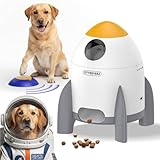
- Interactive Dog Training Toy:This smart dog treat dispenser transforms training into a fun challenge! Encourage your dog to press the button to release treats — a perfect way to build focus, reduce boredom, and develop intelligence. Ideal for dogs of all sizes, it seamlessly blends brain games with feeding fun, acting both as a feeder and a puzzle game.
- Remote Play & Slow Feeding: With a remote range of up to 80 feet, this interactive dog feeder elevates feeding time to an exciting game of remote interaction. Perfect for both indoor and outdoor use, it encourages paw coordination and focus, keeping your dog happily engaged in active learning. It can also be used as a slow feeder, with an adjustable food panel that controls portion size and promotes healthy eating habits.
- Interactive Feeding Experience:This automatic dog feeder features 4 preset tones and a voice-recording mode, allowing you to record a personalized 30-second command. You can use it to call your pet to play, eat, or engage in training, making mealtime more interactive and enjoyable.
- For Indoor & Outdoor Play: Designed for versatile use, this dog treat dispenser toy offers two fun play modes. Attach the remote control using the suction cup to smooth surfaces like glass doors or refrigerators, encouraging your dog to press it out of curiosity. For outdoor fun, place the remote control into the tray base for stable use outdoors on the lawn, so your dog can enjoy chasing treats under the sun.
- Perfect for Dog Lovers: USB rechargeable and effortless to use, this dog food feeder is designed for independent play. It allows your pet to enjoy treats and mental stimulation even when you’re away or busy, keeping them happy, active, and stress-free. Thoughtfully designed, it makes a perfect gift for dog owners who want to keep their furry friends entertained and healthy.
12 heeler and herding breeds compared
| Breed | Original or common work | Typical working style | Care and household considerations |
|---|---|---|---|
| Australian Cattle Dog | Driving and controlling cattle | Direct, persistent, athletic | Short double coat; substantial exercise, training, and mental work |
| Lancashire Heeler | Cattle driving and ratting | Small, alert, versatile farm worker | Small body but potentially high drive; short coat |
| Australian Stumpy Tail Cattle Dog | Cattle work | Rugged, watchful, courageous | Short coat; needs an active, structured home |
| Australian Shepherd | Ranch work and livestock herding | Responsive, energetic, adaptable | Medium-length coat; daily activity and training are important |
| Border Collie | Gathering and controlling sheep | Focused, precise, movement-oriented | Very high mental and physical demands; coat varies |
| Pembroke Welsh Corgi | Low-set cattle herding and farm utility work | Bold, energetic, movement-controlling | Short double coat; sheds and needs more activity than its size suggests |
| Cardigan Welsh Corgi | Welsh cattle and farm work | Versatile, alert, steady | Long tail and sturdy body; shedding and training needs remain significant |
| Shetland Sheepdog | Small-farm livestock management and alerting | Responsive, vocal, movement-sensitive | Long coat; barking and chasing require thoughtful management |
| Collie | Scottish sheep herding | Cooperative, athletic, trainable | Rough and smooth coat varieties; grooming depends on coat type |
| German Shepherd Dog | Herding and broad working roles | Versatile, purposeful, people-focused | Structured training, socialization, activity, and engagement are essential |
| Old English Sheepdog | Livestock work and farm utility | Strong, capable, adaptable | Heavy coat and demanding grooming; needs regular engagement |
| Swedish Vallhund | Small-farm herding and utility work | Alert, compact, spitz-like, energetic | Short double coat; active despite its small stature |
1. Australian Cattle Dog
The Australian Cattle Dog is the classic heeler. It is a compact, muscular Australian working breed developed to handle the difficult demands of cattle work. Its common names include Blue Heeler, Red Heeler, and Queensland Heeler.
“Blue” and “red” describe coat color patterns, not separate breeds. There is no inherent temperament difference between blue and red Australian Cattle Dogs based on color alone. The individual dog’s genetics, socialization, training, and experiences matter far more.
Free tools Windows power users keep installed
One-click scans. No signup required.
This breed is intelligent, resilient, athletic, and persistent. Those qualities can be impressive in a prepared home and challenging in an unprepared one. An Australian Cattle Dog may invent its own activities if it lacks exercise, training, problem-solving opportunities, and appropriate interaction. Chasing, nipping at movement, herding children or other animals, escaping, and destructive behavior can all reflect an under-employed working dog rather than simple stubbornness.
Best fit: an active owner who enjoys ongoing training and can provide safe outlets for a dog bred to make decisions around livestock. A short coat does not mean low maintenance in the behavioral sense.
2. Lancashire Heeler
The Lancashire Heeler is a distinct British breed, not a small Australian Cattle Dog. It historically worked as a cattle driver and ratter on farms in Lancashire and nearby areas. It is also the only American Kennel Club breed whose official name includes the word “Heeler.”
Its small size can mislead people who assume it will be quiet, passive, or easy. The Lancashire Heeler was developed as a practical farm dog and may be alert, clever, energetic, and highly interested in movement. Training, socialization, and appropriate daily activity are still important.
Best fit: someone looking for a smaller companion with working-dog traits, rather than someone seeking a low-drive lapdog simply because of its size.
3. Australian Stumpy Tail Cattle Dog
The Australian Stumpy Tail Cattle Dog is another distinct Australian cattle-working breed. Its defining short tail is naturally bobbed; it should not be described as an Australian Cattle Dog whose tail has been docked.
The breed standard describes a rugged dog with aptitude for working and controlling cattle. Its expected working qualities include loyalty, courage, alertness, and watchfulness. Like other cattle dogs, it may be a poor match for a home that cannot provide structure, activity, and clear boundaries.
Best fit: an experienced, active household that understands the difference between appreciating a distinctive appearance and being prepared for a serious working temperament.
Also popular on Amazon

- Dog Friendly Materials: Not Suitable for Aggressive Chewers. Treat dispensing dog toys are made of ABS and nylon material. It is a sturdy, safe food container that resists pet damage, provides a long-lasting and safe play experience. You can give your dog confidently use interactive dog toys. At the same time, in order to make the dog puzzles for smart dogs quieter when rolling, the material of the dog enrichment toys for large dogs roller is made of rubber, less noise
- Food Adjustment Distribution: Mental enrichment toys for dogs have two adjustable switches, you can control the amount of food by adjusting the size of the dog puzzles for large dogs switch to extend the feeding time. Dog toys to keep them busy are also designed with a special spiral structure to make the dog puzzle feeder more challenging. If you want to give a birthday gift to your furry friend, these large dog puzzle toy are good choice, it will like this dog treat dispenser toy
- Improve Intelligence & IQ Training: Dog treat toy is an interactive chase toy that combines puzzles and treat dispensing, pets learn the process of rolling the dog treat puzzle to make treats fall and get treats, which helps to improve intelligence and stimulate the brain, Mental stimulation for dogs will relieve anxiety and reduce boredom, best dog toys to keep them busy for hours. Our dog food puzzle feeders, like other interactive dog toys for boredom are best played under supervision
- Slower Feeding: BoYoYo dog stimulation toys to keep them busy and food puzzles for dogs that reduces your dog's eating speed, cultivate slow eating habits in dogs to promote digestion, allowing your dog to enjoy a more enjoyable mealtime. It is a great alternative to dog slow feeder toy, lick pad for dog, and snuffle mat for dog. These are multi-functional dog puzzles for large dogs
- Attracting Dog Attention: Put your dog's favorite dog food or snacks inside the dog mental stimulation toys to better attract your dog's attention! Keep your dog engaged and active, puzzle treat toys for dogs can divert attention from destructive behavior to positive play, one of the best interactive dog toys for large dogs to keep your dog busy. This interactive dog toy is suitable for medium and large pet, can also be used as a cat puzzle toy and cat treat puzzle
4. Australian Shepherd
Despite its name, the Australian Shepherd was developed in the United States and became strongly associated with California, Western ranches, and rodeo culture. It is a ranch and herding dog, not an Australian breed in the same sense as the Australian Cattle Dog.
Australian Shepherds are intelligent, work-oriented, and energetic. Their herding instinct may be directed toward livestock, but it can also be aimed at objects, other dogs, or children. Daily physical exercise is only part of the equation: early socialization, obedience training, problem solving, and a meaningful job help this breed use its abilities appropriately.
Compared with an Australian Cattle Dog, an Australian Shepherd is generally recognized by its different body type and fuller coat, but appearance is not the most important distinction. The Aussie’s ranch-herding background and adaptable working style differ from the Cattle Dog’s particularly direct cattle-control heritage.
Best fit: an active owner who wants a trainable partner for activities such as obedience, agility, hiking, or appropriate herding work.
Quick wins for a faster PC:
Scan for outdated or missing drivers - takes under a minuteDriver Scan →Repair Windows errors before they cause bigger problemsFix Now →Fix the driver behind crashes, sound loss and screen glitchesFind Drivers →5. Border Collie
The Border Collie is a specialist sheepdog famous for intense focus, athleticism, trainability, and the characteristic “herding eye”—a concentrated way of controlling livestock through posture and attention. Its traditional work emphasizes gathering and controlling sheep rather than driving cattle forward with the direct physical pressure associated with heelers.
This is not simply a high-energy family dog that will automatically be satisfied by a walk around the block. Many Border Collies need a job that engages decision-making and sustained concentration. Herding, agility, obedience, scent work, and carefully designed training exercises can be useful outlets.
Best fit: a person prepared to make training and purposeful activity part of the dog’s routine. A bored Border Collie may create movement-based games of its own, including chasing, staring, and controlling household activity.
6. Pembroke Welsh Corgi
The Pembroke Welsh Corgi is a genuine herding breed despite its short legs. It historically drove cattle and also served as an all-purpose farm dog, helping with tasks such as rodent control, livestock guarding, and household protection.
Recommended Free Tools
Its low-set build was functional: staying close to the ground could help the dog work around cattle while reducing the risk of a kick. Modern Pembrokes are more often companions than working farm dogs, but the original intelligence, energy, alertness, and interest in movement remain relevant.
Best fit: a household that wants a small dog but is willing to provide training, exercise, and barking management. Small does not mean effortless.
Also popular on Amazon

- 2 Levels in 1 Toy: start your pups off with a level 1 puzzle, add some treats in the base compartments and watch your dogs get their tasty reward by nudging the lids. For dogs who have mastered level 1, for added challenge in level 2, just put some treats in the top compartments, teach your dogs to press the top cover to dispense treats down into the base compartments and finally enjoy their reward
- Slow Feeder: The large capacity top transparent granary saves you the hassle to refill dog food frequently. The product can also be used as a slow feeder utensil for your dogs, which promotes healthy ingestion by slowing down eating speed by over 10x. Great for large and small dogs
- Not Easy to Tip Over: 4 non-slip rubber mats and weighted base hold the dog puzzle toy firmly in place when dogs eat and nudge and prevent the toy from tipping over
- We Prioritize Safety: the dog puzzle toys are designed with your pet’s health in mind, made of durable food-grade PP materials. Non-removeable parts make it safe and easy to clean. And you can give puzzles toy to your dog or directly out of the box, just no assembly!!
- Trains Dog’s Intelligence: interactive treat puzzle game challenges your puppies to get their reward of treats, works your dog's mind while reducing boredom and destructive behavior like chewing, digging and excessive barking. Size: 4.2 inch height
7. Cardigan Welsh Corgi
The Cardigan Welsh Corgi is separate from the Pembroke and is the older of the two American Kennel Club-recognized Corgi breeds. It was developed as a low-set Welsh farm and cattle dog, making it relevant to this list even though it is not called a heeler.
Both Corgis were associated with Welsh farm work, but they are different breeds with different histories and appearances. The Cardigan is commonly distinguished by its long tail and more rounded, substantial body, while the Pembroke is typically associated with a shorter tail and a somewhat more compact outline. Individual dogs can vary, so prospective owners should learn the breed standard and meet dogs from responsible breeders or rescues rather than relying on online photographs alone.
The Tool Desk
Outbyte Driver Updater FREEFix the driver behind crashes, sound loss and screen glitchesFind Drivers →Outbyte PC Repair FREEClear out junk files and repair common Windows errorsFree Scan →Best fit: an owner who appreciates a compact farm dog and is ready for an intelligent, active companion rather than a decorative house pet.
Pembroke Welsh Corgi vs. Cardigan Welsh Corgi
- Identity: They are separate breeds, not varieties of one Corgi.
- History: Both have Welsh farm and cattle-working roots; the Cardigan is the older breed.
- Tail: Cardigans are associated with a long tail, while Pembrokes are commonly recognized by a naturally short or docked-looking tail depending on the dog and local practices.
- Body: Cardigans generally have a more rounded, heavier-boned appearance; Pembrokes are often more compact and foxlike.
- Shared reality: Both can be energetic, vocal, clever, and movement-focused.
8. Shetland Sheepdog
The Shetland Sheepdog is a small Scottish herding breed with a long history of farm utility work. It helped manage livestock and could alert people to intruders. Its compact size should not obscure its working heritage.
Shetland Sheepdogs are often responsive and eager to learn, but their sensitivity and alertness can also appear as barking, chasing, or attempts to control movement. Consistent, reward-based training and early, thoughtful socialization are especially useful. Their long coat also requires more grooming attention than the short coat of an Australian Cattle Dog.
Best fit: a home that can provide companionship, training, regular activity, and a plan for managing vocal behavior.
What’s actually slowing this PC down?
Pick the symptom - the matching free tool is one click away.
9. Collie
Collies are classic Scottish sheepdogs represented in the American Kennel Club Herding Group. Their familiar silhouette and flowing coat can make them seem ornamental, but their origins are practical: they were developed to work with sheep and people.
Collies can participate in obedience, agility, herding activities, and other cooperative pursuits. They offer a useful contrast with the shorter-coated, more rugged cattle-working heelers. Depending on the variety, coat care may be moderate or substantial, and prospective owners should distinguish between rough-coated and smooth-coated Collies before choosing grooming equipment or estimating shedding.
Best fit: someone seeking a trainable, people-oriented herding companion and willing to consider both the dog’s activity needs and its coat-care requirements.
10. German Shepherd Dog
The German Shepherd Dog is a herding breed whose modern working roles have expanded far beyond livestock. Its intelligence, trainability, physical ability, and responsiveness have supported police, protection, service, search, and other forms of work.
Also popular on Amazon

- 【Product Size】10 inch*10 inch*1.2 inch.
- 【Interactive Dog Puzzle Toys 】This is a fun interactive puzzle toy,which can encourage and train your dogs or cats to seek foods by sliding the slider, helping pets to increase IQ by learning sequential steps and the challenging play.
- 【Squeaky Dog Toys】This dog puzzle toys is designed with a sounding device in the middle of the toy,which is to attract the pet's attention.Also,you would enjoy the fun of dog squeak puzzle toy with your pets, greatly improve relations with your pets and get fun during interactive dog games.
- 【Mental Excecise&Boredom Buster】Our memory training puzzle toy can keep smart dogs busy and engaged in more thinking and activities.Therefore,clot stimulation toys are great for reducing dogs’boredom,anxiety and destructive behaviors.
- 【Food-Safe PP Material】This dog treat puzzle is made with toxic-free, food-grade PP material. It is durable for interactive play and mental enrichment but not designed as a chew toy. Always supervise your pet during use.Easily washable with water or in the dishwasher.Note: No toy is indestructible. Remove and replace the toy if damaged.
That broader working profile does not mean every German Shepherd will herd, nor does “herding breed” guarantee a particular temperament in an individual dog. German Shepherds still need structured training, early and ongoing socialization, physical activity, and mental engagement. Poorly matched exercise or inconsistent handling can allow guarding, reactivity, anxiety, or other difficult behaviors to grow.
Best fit: an owner prepared to invest in training and to choose an individual dog whose temperament and history fit the household.
11. Old English Sheepdog
The Old English Sheepdog provides one of the strongest visual contrasts in this group. Its shaggy coat is immediately recognizable, but beneath that coat is an established herding and farm-working breed.
The biggest ownership difference from a short-coated heeler is often grooming. A long, dense coat can mat, collect debris, and require regular brushing and professional help depending on its condition and the owner’s goals. Coat maintenance does not replace exercise or engagement: a well-groomed Old English Sheepdog still needs appropriate activity, training, and social interaction.
Do these 3 things before closing this tab:
1Fix the driver behind crashes, sound loss and screen glitches2Clear out junk files and repair common Windows errors3Scan for outdated or missing drivers - takes under a minuteBest fit: a household that genuinely accepts the time, expense, shedding, and maintenance associated with a substantial coat as well as the needs of a working breed.
12. Swedish Vallhund
The Swedish Vallhund is a small Nordic herding breed with a compact, spitz-like appearance. It shows how widely herding dogs vary geographically and visually: it is neither an Australian cattle dog nor a British sheepdog, yet it was developed for useful farm work.
Swedish Vallhunds are alert and energetic despite their size. Their short double coat is generally less demanding than the long coats of a Shetland Sheepdog, Collie, or Old English Sheepdog, but shedding and routine care still matter. Training and activity are important because a small body can contain a very capable working mind.
Best fit: an active owner who wants a compact, distinctive farm dog and does not equate small size with low exercise or training needs.
What herding instincts look like at home
Herding is not one uniform behavior. A cattle dog may drive by moving in close and applying physical pressure. A Border Collie may gather and control movement through intense focus and positioning. A Corgi may nip at heels or chase motion. A Shetland Sheepdog may bark to alert and influence activity. Another individual may show little interest in livestock at all.
In a household, the same instincts can appear as:
- chasing bicycles, cars, running children, or other animals;
- circling, blocking, staring, or repeatedly repositioning people and pets;
- heel-nipping or grabbing at moving clothing;
- barking at activity, noises, or perceived intruders;
- rapid learning of both desirable behaviors and household habits you did not intend to teach.
These behaviors should not automatically be treated as proof that a dog is “bad.” They do require management and training, especially where children, cats, livestock, traffic, or other vulnerable animals are involved. Breed tendencies are useful for planning, but the individual dog’s history, health, socialization, and temperament must guide decisions.
Also popular on Amazon

- Smart Toy for Every Breed: This interactive dog puzzle is a stimulating essential for your pet's development. Perfect for every breed, from small puppies to large dogs, it doubles as a brain game and feeder, keeping them mentally stimulated and physically active. Ideal for those festive day gifts, it promises to enrich your pet’s intelligence and relieve boredom.
- Remote Play for Fun & Training: Featuring a remote range up to 80 feet, this automatic feeder also serves as a training tool. Engage your pet in outdoor play or indoor fun, with a large capacity container that keeps the game going. It's a smart way to train your dog's paw coordination, ensuring they stay busy and stimulated while mastering new skills.
- Customizable for Engagement: Record your voice to call them to play or eat, creating a personal touch. You can switch between the 9 preset sounds and the 1 recorded sound on the remote controller. With DIY stickers to customize the look, this feeder becomes a funny, interactive part of your pet's day. It’s the perfect activity set to keep your dog or cat entertained, offering a unique mix of feeding, training, and intellectual challenge.
- Adjustable Feeding to Suit Any Size: With an adjustable dispensing amount, our feeder fits most dry kibbles or treats, caters to all pets, big or small. The large kibble container ensures your pet’s fun never runs out. Whether it's for a medium-sized buddy or a big, energetic furry friend, our feeder adapts to their appetite, making mealtime an engaging, enriching experience.
- User-Friendly for Independent Play: This user-friendly puzzle toy is designed for your pet's independent play. USB chargeable for convenience, it allows pets to self-feed even when you’re not around. It's a buddy system that entertains, feeds, and provides mental stimulation, ensuring your pet stays engaged, even when playing alone.
Exercise, training, and enrichment for heelers and herding breeds
A long walk alone may not meet the needs of an intelligent working dog. The goal is a balanced routine that combines physical activity, learning, rest, social contact, and safe outlets for breed-typical behavior.
- Teach practical skills: recall, loose-leash walking, settling on a mat, leave-it, cooperative handling, and calm greetings.
- Use the dog’s brain: short obedience sessions, scent games, shaping exercises, trick training, and problem-solving tasks can be valuable.
- Choose suitable sports: agility, obedience, herding, treibball, scent work, and similar activities may channel energy and responsiveness constructively.
- Manage movement: use gates, leashes, long lines, secure fencing, and supervision when a dog is inclined to chase or control people and animals.
- Build in rest: constantly increasing exercise can create a fitter, more demanding dog. Teach relaxation rather than trying to exhaust the dog indefinitely.
For structured help, owners can investigate herding dog training classes, positive-reinforcement obedience, agility instruction, or a reputable treibball program. Availability and quality vary by location, so check instructor methods, safety practices, dog-to-handler ratios, and whether the class suits the individual dog.
Food-based enrichment can add useful mental work. An interactive dog puzzle feeder or treat-dispensing toy can make part of a meal more engaging, particularly for dogs that enjoy searching and manipulating objects. It is not a substitute for exercise, training, social interaction, or breed-appropriate sport. Choose a size-appropriate, durable product, introduce it gradually, and supervise the first uses—especially if the dog chews, guards food, or tries to destroy enrichment toys.
Grooming differences matter
There is no single grooming routine for all 12 breeds. Australian Cattle Dogs, Australian Stumpy Tail Cattle Dogs, Lancashire Heelers, and Swedish Vallhunds generally present a shorter-coat care profile than Old English Sheepdogs, rough Collies, or Shetland Sheepdogs. Pembroke and Cardigan Welsh Corgis also have shedding double coats, while Australian Shepherds and German Shepherds require owners to plan for regular shedding and coat maintenance.
Choose tools according to coat structure rather than breed-group label. A slicker brush for double-coated dogs may be useful for some Aussies, Corgis, Shelties, Collies, German Shepherds, or other dogs with suitable coat structure, while an undercoat rake may be appropriate for certain shedding double coats. Neither tool is automatically right for every dog, and a slicker brush should not be used aggressively over irritated or damaged skin.
- Check the coat regularly for mats, burrs, parasites, skin changes, and trapped moisture.
- Introduce brushing with rewards so grooming does not become a struggle.
- Ask a qualified groomer or veterinarian for help with severe matting, unusual shedding, painful skin, or a dog that cannot tolerate handling.
- Do not shave a double-coated dog simply to eliminate shedding without professional advice; coat type and skin protection matter.
How to choose among these breeds
Start with the work, not the nickname or appearance. Ask what the dog was developed to do and whether that work resembles what you can provide.
Free tools Windows power users keep installed
One-click scans. No signup required.
- Assess your activity realistically. Consider your ordinary week, not an ideal vacation week. Can you provide daily movement and regular training?
- Consider your tolerance for behavior management. Chasing, barking, heel-nipping, guarding, and sensitivity may require active planning.
- Match the coat to your schedule and budget. Short coat does not eliminate shedding, and long coat can require considerable time and professional grooming.
- Evaluate the individual dog. Ask a responsible breeder or rescue about temperament, health, training history, behavior around children and animals, and ability to settle indoors.
- Plan for change. A puppy’s needs, an adolescent’s intensity, and an adult dog’s exercise tolerance may differ. Health can also change the appropriate activity level.
No breed name can guarantee that a dog will be calm, easy, child-safe, apartment-suitable, or interested in herding. A well-matched individual and a prepared owner matter more than a fashionable label.
The bottom line on heelers and herding breeds
The Australian Cattle Dog is the classic Blue Heeler, Red Heeler, or Queensland Heeler. The Lancashire Heeler is a separate small British breed, and the Australian Stumpy Tail Cattle Dog is a separate naturally bob-tailed Australian cattle worker. The other nine breeds are not heelers in the strict naming sense, but they help show the remarkable range of herding dogs—from tiny Welsh cattle dogs and Swedish farm dogs to Border Collies, German Shepherds, and heavily coated sheepdogs.
What unites these breeds is not a shared appearance. It is a history of working closely with people and influencing the movement of livestock or managing farm tasks. Choose on the basis of working style, individual temperament, training needs, exercise, coat care, and your actual household—not simply because a dog is called a heeler.
Frequently Asked Questions
No. Blue Heeler and Red Heeler are common names for coat color patterns of the same breed: the Australian Cattle Dog. Coat color alone does not indicate a different temperament.
Are Blue Heelers and Red Heelers different breeds?
The Australian Cattle Dog, commonly called a Blue Heeler, is an Australian cattle-working breed. The Lancashire Heeler is a separate, much smaller British breed historically used for cattle driving and ratting.
What is the difference between a Blue Heeler and a Lancashire Heeler?
Recommended Free Tools
No. It is a distinct Australian breed known for a naturally bobbed tail. It should not be described as an Australian Cattle Dog with its tail docked.
Is the Australian Stumpy Tail Cattle Dog a docked Blue Heeler?
Some individuals can thrive in family homes, but no breed label guarantees calmness, child safety, or easy behavior. Families should assess the individual dog and be prepared to manage chasing, barking, heel-nipping, and movement-control instincts.
Are herding breeds good family dogs?
Not necessarily. Training, scent work, agility, obedience, treibball, interactive enrichment, and other purposeful activities can provide outlets. These activities supplement rather than replace appropriate exercise, rest, and social interaction.
Do herding dogs need livestock to be happy?
The Bottom Line
In short: “Heeler” most commonly means the Australian Cattle Dog, while the Lancashire Heeler and Australian Stumpy Tail Cattle Dog are distinct breeds. The other dogs are herding-breed comparisons, not Blue Heeler varieties. Every one needs realistic lifestyle matching, ongoing training, appropriate enrichment, and care suited to its coat and working history.





Leave a Reply