No breed is automatically an emotional support animal (ESA), and there is no universally best emotional support dog. The right choice is an individual dog whose temperament, health, activity, grooming, and care needs fit your life; in the United States, ESA status is tied to a person’s disability-related need, not breed, registration, a vest, or an online certificate.
These 13 breeds and types are worth considering, not guaranteed treatments or universally suitable choices. Meet the dog and assess its behavior and needs before deciding.
What makes a good emotional support dog?
An ESA provides support through its presence and companionship. Unlike a psychiatric service dog, it does not need to perform a trained task to qualify as a service animal. Useful qualities in a companion dog include:
- a calm temperament and ability to settle at home;
- comfort with ordinary handling, visitors, household noises, and veterinary care;
- an energy level and grooming needs you can manage;
- social behavior without uncontrollable attention-seeking;
- reliable house-training or realistic trainability; and
- a size and strength you can safely manage.
Breed traits offer general expectations, not guarantees. Individual temperament, socialization, training, health, and living situation matter more than breed reputation. An adult dog’s observed behavior may tell you more than a puppy’s breed label.
#1 Best Overall

- Emotional Support Dog Leash – 4-foot long, 1-inch wide leash designed for emotional support animals, offering strong control and reliable everyday performance.
- High Visibility & Identification – Reflective stitching with embroidered EMOTIONAL SUPPORT lettering improves visibility and clearly identifies your ESA in low-light conditions.
- Comfort Neoprene Handle – Padded neoprene handle provides a soft, non-slip grip to reduce hand strain during walks, training, or running.
- Heavy-Duty & Secure – Made from tough woven nylon with a rust-resistant metal bolt clip for safe attachment to collars, harnesses, or vests.
- Multi-Purpose Daily Use – Ideal for walking, training, running, hiking, and working with your emotional support dog in any environment.
13 emotional support dog breeds to consider
1. Cavalier King Charles Spaniel
Cavaliers are small, affectionate, adaptable companion dogs that are generally eager to please and relatively easy to train. They can suit active owners and homebodies, but need walks and secure opportunities to explore. They may struggle if routinely left alone for long periods.
2. Golden Retriever
Golden Retrievers are friendly, affectionate, intelligent, adaptable, and highly trainable. They can suit someone seeking a larger, social dog who can provide daily exercise. They shed moderately year-round and more heavily during seasonal changes, so they are not a low-maintenance choice.
3. Labrador Retriever
Labradors are people-oriented, trainable, and generally adaptable. They are active retrievers rather than naturally sedentary dogs, so daily exercise and mental stimulation are important. Without enough activity, unwanted behavior may develop.
4. Poodle
Standard, Miniature, and Toy Poodles offer different size options. They are intelligent, people-oriented, and trainable, with relatively low-shedding coats. Their coats still need regular maintenance, and their activity and mental stimulation needs mean they are not a low-effort choice.
Outdated Drivers Are Slowing You Down
One free scan finds every outdated or missing driver and matches the right update for your exact hardware.Free scan · exact hardware matchPC Slower Than It Used to Be?
A free scan shows the junk files, broken settings and background clutter dragging Windows down - then fixes them in one click.Free scan · Windows 10 & 115. Havanese
Havanese are small, cheerful, social companion dogs that can adapt to apartments or houses. They generally need moderate exercise and respond well to positive training. Their long coat needs daily brushing unless kept in a shorter trim, and they may struggle when left alone for long periods.
Rank #2
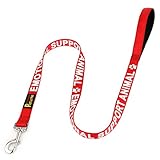
- REDUCE CONFLICTS BEFORE THEY START: Large letters "EMOTIONAL SUPPORT ANIMAL" printed on both sides of the leash clearly identifying your dog as a working animal.
- HIGHLY VISIBLE: High visibility colors in Red or Blue, with white wording to PREVENT accidents or incidents in public, A Safer Place For All.
- COMFORT PADDED HANDLES: Features soft neoprene padded handles for amazing comfortable shock grip, just enjoy the feeling walks with your dog and protects your hand from friction burns.
- SUITABLE FOR ALL BREEDS:XS size,4ft long,5/8” wide,lightweight for puppies; S size, 4ft long,3/4” wide, heavy-duty for medium dogs; M size,4ft long,1” wide, heavy-duty for large dogs
- BUILT TO LAST:Woven of tough heavy-duty nylon, durable metal clip hook for control and durability.
6. Bichon Frise
Bichons are compact, social, playful dogs that can suit a range of households. They shed very little, but their coat needs frequent brushing and regular clipping. Low shedding does not mean allergen-free. Bichons need daily play and can be difficult to housebreak.
7. Maltese
Maltese are small companion dogs often considered by people seeking a portable, affectionate dog. Their long coat needs substantial grooming, and they still need consistent socialization, house-training, and exercise suited to their size.
8. Shih Tzu
Shih Tzus are companion-oriented toy dogs that may suit people seeking a smaller indoor dog. Their coat requires regular grooming, and their small size does not remove the need for training, veterinary care, daily interaction, and appropriate exercise.
9. French Bulldog
French Bulldogs can appeal to people seeking a compact companion dog with relatively modest exercise needs. However, their flat faces make breathing, heat tolerance, exercise tolerance, and veterinary care important considerations. Discuss breed-specific risks with a veterinarian and assess the individual dog rather than assuming it will be effortless to care for.
10. Greyhound
A retired Greyhound may suit someone looking for a calm adult dog, but individual history and behavior matter. Ask a rescue organization about the dog’s prey drive, leash behavior, and adjustment to home life. Do not assume every Greyhound will have the same temperament.
Rank #3

- Reflective lettering print: "SERVICE DOG", the reflective lettering print on both side can clearly show your service dog is working and on duty and much safer at night
- Practical handle: design of waterproof neoprene handle with comfortable padded mesh, more comfortable to hold, easy to use, protecting your hand from friction burns
- Reliable material: made with tough nylon and rust-proof, plated metal leash buckle, the service dog leash can served as secure attachment on an emotional support dog vest, harness or a collar
- Product size: the emotional support dog leash measures about 47 inch/ 120 cm in length, 1 inch/ 2.5 cm in width, suits for medium to large dogs, you can train, walk or run with your service dog with this lightweight leash
- Suitable application: nice accessories for service dog vest, ESA vest or ESA harness, you can get this for a service dog or emotional service animal, meeting for your different needs
11. Great Dane
Great Danes can be affectionate, people-oriented companions, but their size creates practical constraints involving housing, transportation, food, veterinary care, and the ability to manage the dog safely. A large breed is not automatically calmer or easier to handle.
12. Newfoundland
Newfoundlands are large dogs known for a generally gentle companion profile. They need substantial space, grooming, exercise management, and financial resources. Their size, heavy coat, and drooling may make them unsuitable for some homes even when their temperament is appealing.
Free tools Windows power users keep installed
One-click scans. No signup required.
13. A mixed-breed dog with a suitable temperament
Mixed-breed dogs deserve consideration too. An adult rescue may offer more observable information about temperament, energy, behavior around people, and ability to settle than a young puppy. Assess the individual dog’s characteristics against your lifestyle rather than relying on a breed label.
How to choose between breeds and individual dogs
- Start with your daily limits. Consider how much walking, training, brushing, cleaning, and companionship you can realistically provide.
- Decide whether a puppy is practical. Puppies need frequent toilet breaks, supervision, socialization, and training. An adult dog with an observable temperament may be a better fit.
- Meet the dog and observe it. Look for comfort with ordinary handling and the ability to settle. Ask a rescue organization or breed expert what the dog is like in a home environment.
- Ask about behavior and care. Discuss the dog’s energy level, grooming, house-training, behavior around people, and experience living in a home.
- Check whether you can meet its needs. Consider your housing, finances, allergies, grooming capacity, and ability to manage the dog safely.
- Consult a veterinarian. Ask about the individual dog’s health and any breed-specific care considerations.
- Build everyday skills. Teach household routines, settling, polite greetings, and calm behavior through consistent training.
A dog’s breed does not guarantee that it will provide support or suit a particular person. A dog that is fearful, unable to settle, or a poor match for its home may not be a good companion choice.
ESA, service dog, and pet: the legal difference
In the United States, an emotional support animal is not the same as a psychiatric service dog. An ESA’s presence provides support related to a person’s disability. A psychiatric service dog is individually trained to perform a specific task directly related to a disability. Breed, vest, registration card, or online certificate does not create service-dog status.
Rank #4

- Package includes a Red Dogs Leash Sleeve with same saying: "Emotional Support Animal-Sleeve ". funny dog Accessories for your lovely dog cat puppy.
- Material: polyester fibre. All products are made in a smoke free environment and easy to wash.
- Size: Folding is 22cm (8.7inches) * 6cm (2.4inches). Suitable For Most Dog Leashes.
- The greatest joy a dog brings to people is that when you pretend to be crazy at it, it doesn't make fun of you, it goes crazy with you.dogs are not only our best friends, more like family, accompany with us around. Get this Leash Sleeve for your pets to make him or her pretty.
- The Pet Leash Sleeve will come to you nicely packed in a bag, which is strictly protected from any damage during transportation.
Under the Americans with Disabilities Act, a dog whose only function is comfort is not a service animal and does not receive general public-access rights. Businesses generally may ask whether the dog is a service animal required because of a disability and what work or task it has been trained to perform. They may not require certification, registration, documentation, or a task demonstration.
Housing is different. Under the Fair Housing Act, an ESA may qualify as an assistance animal and may be approved as a reasonable accommodation, including in housing with a no-pets policy. A housing provider may request reliable disability-related information when the disability-related need is not apparent. An approved assistance animal generally is not subject to pet fees or deposits, though the resident remains responsible for actual damage.
There is no automatic right to bring an ESA to work. An employee may request a disability-related reasonable accommodation, which the employer evaluates under applicable law, including whether the accommodation is effective and would cause undue hardship. Airlines must recognize trained service dogs, not ESAs solely because they provide emotional support; airlines may apply their own pet-transport rules to other animals. Check current rules before travel.
Rules and requirements vary by situation. A qualified health professional can discuss whether an ESA is relevant to your treatment and documentation needs.
Independent reader supportYour contribution helps us test, update, and keep practical guides available for everyone.FAQ
What is the best emotional support dog breed?
There is no universally best breed. The right choice depends on the individual dog’s temperament and whether its needs fit your home and lifestyle.
Do these 3 things before closing this tab:
1Repair Windows errors before they cause bigger problems2Scan for outdated or missing drivers - takes under a minute3Clear out junk files and repair common Windows errorsBest Value

- Emotional Support Dog Leash – 4-foot long, 1-inch wide leash designed for emotional support animals, offering strong control and reliable everyday performance.
- High Visibility & Identification – Reflective stitching with embroidered EMOTIONAL SUPPORT lettering improves visibility and clearly identifies your ESA in low-light conditions.
- Comfort Neoprene Handle – Padded neoprene handle provides a soft, non-slip grip to reduce hand strain during walks, training, or running.
- Heavy-Duty & Secure – Made from tough woven nylon with a rust-resistant metal bolt clip for safe attachment to collars, harnesses, or vests.
- Multi-Purpose Daily Use – Ideal for walking, training, running, hiking, and working with your emotional support dog in any environment.
Can any dog be an emotional support animal?
A dog is not automatically an ESA simply because it is comforting. In the United States, ESA status relates to a disability-related need; breed, a vest, registration, and online certificates do not create ESA rights.
Can an emotional support dog go everywhere a service dog can?
No. Under the ADA, a dog that only provides comfort does not have a service dog’s general public-access rights. Restaurants, stores, workplaces, and airlines may follow different rules.
Are hypoallergenic emotional support dogs allergy-free?
No. Low-shedding breeds may still produce allergens. Spend time with the individual dog and discuss allergy management with a medical professional before adopting.
The Bottom Line
Choose an individual dog whose temperament, health, and care needs fit your life, rather than relying on breed reputation. ESA status does not give a dog the same public-access rights as a trained service dog, and a vest or certificate does not change that.
Recommended Free Tools
Quick Recap
Product prices and availability are accurate as of the date/time indicated and are subject to change. Any price and availability information displayed on Amazon at the time of purchase will apply.




