
For most freshwater aquariums, Salvinia minima is the best starting floater: its leaves stay relatively compact, its roots are short, it tolerates lower light than many alternatives, and it is easier to thin than duckweed. Amazon frogbit is a better choice when you want round leaves and long trailing roots, while red root floaters suit aquarists who want the possibility of red color. Dwarf water lettuce is useful when you have a shallow or nano tank and can verify that you are buying the smaller cultivar.
“No hassle” does not mean maintenance-free. Every floating plant multiplies, needs periodic thinning and can shade submerged plants. Choose by root length, surface coverage, light preference, tolerance of surface movement and how easily excess growth can be removed.
As an Amazon Associate I earn from qualifying purchases.
What floating plants do in an aquarium
Floating plants sit at the water surface rather than rooting in the substrate. Their leaves can diffuse strong light, provide cover for fish and invertebrates among the roots, and absorb nitrogen and phosphate as they grow. Those functions can improve habitat and help compete with algae for nutrients, but floaters do not replace a filter, water changes or other routine maintenance.
Recommended Free Tools
The surface is also where many problems begin. Strong agitation, splashing and condensation that repeatedly wets the upper leaf surfaces can cause yellowing and decay in susceptible species. A floater that looks healthy in still water may deteriorate when it is pushed under a filter outlet or trapped against a lid.
#1 Best Overall
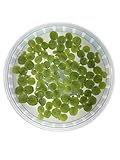
- Unique Floating Plants: Salvinia Minima, commonly known as Water Spangles, are fascinating live aquarium plants that float on the water surface.
- Compact Size: These tiny plants form a dense mat, creating a lush green carpet on the water's surface.
- Easy Care: Low maintenance, these plants thrive in medium to high lighting conditions.
- Natural Habitat: Ideal for adding a touch of nature to fish tanks, terrariums, or water gardens.
- Versatile: Suitable for both freshwater and brackish water environments, making them adaptable to various aquatic setups.
Dense mats create a second trade-off: they block light from plants below and can make feeding difficult. Keep an open area for feeding and gas exchange, and remove excess growth before the surface becomes a solid cover.
Local rules differ for aquatic plants. Some floating species are restricted in some regions because escaped plants can spread in natural waterways. Never release aquarium plants into ponds, streams or storm drains; dispose of unwanted material according to local guidance.
At-a-glance comparison of 13 floating or float-capable plants
The first seven entries have the clearest species-level guidance in the cited aquarium references. The final six are additional options that can be grown at the surface but have less complete, species-specific care information in those references.
| Plant | Growth and thinning | Roots and footprint | Light or color notes | Shade and flow considerations |
|---|---|---|---|---|
| Salvinia minima | Manageable; easier to thin than duckweed | Compact leaves; relatively short roots | Tolerates lower light | Moderate, controllable surface cover; protect from persistent splashing |
| Amazon frogbit Limnobium laevigatum |
Fast growing; needs regular removal in small tanks | Round leaves; long trailing roots | Medium light is described by ECAAC; no CO2 is required in that guide | Long roots and rapid spread can shade a small aquarium |
| Red root floater Phyllanthus fluitans |
Thin as rosettes multiply | Surface rosettes with dangling roots | May develop red leaves and roots; ECAAC lists high light | Keep leaves from being constantly wetted; dense groups shade below |
| Dwarf water lettuce Pistia stratiotes ‘Nana’ |
Remove offsets as the colony expands | Smaller rosette than standard water lettuce | Cultivar identity matters | Better suited to nano or shallow tanks than the standard form |
| Standard water lettuce Pistia stratiotes |
Large plants require regular spacing and removal | Large rosettes; long roots | Not stated in the cited references | Best where there is room; can cast substantial shade |
| Salvinia natans | Fast growth; excess is described as easy to remove | Floating fronds with fuzzy, water-repelling leaves | Not stated in the cited references | Keep the fuzzy leaves from being held under splashing water |
| Duckweed Lemna minor |
Very fast; difficult to eradicate once established | Tiny individual plants; broad surface coverage | Not stated in the cited references | Can invade every corner and shade submerged plants |
| Azolla Azolla filiculoides |
Fast growing; regular thinning should be expected | Small floating fern; mature footprint not stated | Not stated in the cited references | Check local restrictions and suitability before purchase |
| Water sprite Ceratopteris thalictroides |
Can be grown floating; thinning details not stated | Float-capable stem/fern plant; dimensions not stated | Not stated in the cited references | Use as a float-capable plant rather than a dedicated floater |
| Hornwort Ceratophyllum demersum |
Can be left floating; maintenance details not stated | Unrooted, float-capable stems; dimensions not stated | Not stated in the cited references | May move with current; species-specific flow guidance is not stated |
| Giant duckweed Spirodela polyrhiza |
Lower-confidence option; confirm care before buying | Larger duckweed form; aquarium footprint not stated | Not stated in the cited references | Do not assume it behaves like a manageable floater |
| Riccia Riccia fluitans |
Float-capable; thinning guidance not stated | Floating liverwort; mature footprint not stated | Not stated in the cited references | Confirm current aquarium care and containment needs |
| Floating pennywort Hydrocotyle leucocephala |
Float-capable stem plant; growth rate not stated | Can trail at the surface; dimensions not stated | Not stated in the cited references | Use only after verifying species-level requirements |
The four easiest choices for most keepers
1. Salvinia minima (water spangles)
Salvinia minima is the strongest all-round choice when you want a floater that can be controlled without constant rescue work. Practical Fishkeeping describes its leaves as larger than duckweed and its roots as relatively short. That combination gives you a compact surface plant that is easier to see, grab and remove than tiny duckweed fragments.
It also tolerates lower light than many floating plants, making it useful in tanks where the submerged plants do not need intense illumination. Keep a section of the surface open and remove surplus mats by hand or with a small net. If the plant is repeatedly splashed or held under a turbulent outlet, yellowing and decay can still occur.
2. Amazon frogbit (Limnobium laevigatum)
Choose Amazon frogbit for a softer, more dramatic look: its leaves are round and its roots trail deeply into the water column. ECAAC describes it as fast growing, suitable without added CO2 and suited to medium light. The long roots provide shelter, but they also occupy more vertical space than Salvinia minima.
Frogbit can cover a small aquarium quickly. Start with a modest amount, keep it away from filter outflow and thin it whenever the roots or leaves begin crowding fish, blocking feeding or shading rooted plants. It suits aquarists who enjoy regular harvesting and want visible roots rather than a tightly packed mat.
Rank #2
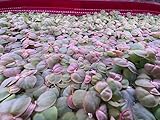
- QUANTITY: Contains at least 70+ healthy Red Root Floater leaves packed in a 4oz cup for immediate use in your aquarium
- APPEARANCE: Features distinctive red-purple undersides and green top leaves that create an attractive floating carpet
- CARE REQUIREMENTS: Thrives in moderate to high light conditions, prefer gentle water flow and do not do well in environments with a lot of water surface agitation. This plant hates water on top of the leaves.
- COMPATIBILITY: Perfect for tropical freshwater aquariums, providing shelter for small fish and fry
- GROWTH PATTERN: Spreads naturally through runners, creating a beautiful floating network of plants that helps reduce algae
3. Red root floater (Phyllanthus fluitans)
Red root floaters are the color-oriented option. Under suitable conditions, leaves and roots can develop red tones, but coloration is not guaranteed. The references differ in how simply they describe the light requirement; ECAAC lists high light, so do not buy this plant expecting reliable red color in a dim aquarium.
Keep the leaves on the surface rather than under a wet lid or in a splash zone. Thin rosettes before they form a continuous canopy. Select this plant when potential color matters more than the easiest possible maintenance, and treat green growth as a normal outcome rather than a failure.
4. Dwarf water lettuce (Pistia stratiotes ‘Nana’)
Dwarf water lettuce is the smaller cultivar intended for nano and shallow aquariums. Its reduced size makes it more practical than standard water lettuce when the tank has limited surface area, but sellers do not always label cultivars consistently. Confirm that the plant is actually the dwarf form before buying.
Use it where you can leave clear lanes for feeding and lighting. Remove daughter rosettes as they expand, and keep the crown from being repeatedly splashed. If a seller cannot identify the cultivar, standard water lettuce may eventually outgrow a small tank.
Seven more choices, with different trade-offs
5. Standard water lettuce (Pistia stratiotes)
Standard water lettuce forms larger rosettes with long roots. It is better suited to a roomy aquarium or a pond-style setup than to a crowded nano tank. The long roots create useful cover for fish near the surface, while the broad rosettes can cast heavy shade over plants below.
Leave enough open water for feeding and remove large rosettes before they press against one another. Choose this plant when you have space for its mature scale and are willing to manage a more prominent canopy.
6. Salvinia natans
ECAAC describes Salvinia natans as fast growing, with fuzzy, water-repelling leaves and excess that is easy to remove. The water-repelling surface is helpful only if the leaves remain above the water; persistent splashing defeats that advantage and can leave foliage wet and deteriorating.
Rank #3

- The perfect gift for any occasion: birthday, housewarming, or holidays. These unique floating plants are a perfect fit for any occasion.
- Grow a natural water filter: duckweed is one of the most efficient bio filters. It is capable of processing 40 gallons of water per hour, making it an ideal filter for small to medium-sized aquariums.
- Easy to care for: requires no soil and can thrive with only a sun lamp. It does not require fertilizer and will reproduce easily.
- Variety of plants: this collection includes 1 four oz cup of red root floaters and 1 four oz of duckweed and 1 four oz cup of salvinia. Red root floaters are known for their bright red roots and will add a splash of color to your aquarium. Duckweed is a tiny plant that floats on the surface of the water and provides surface area for beneficial bacteria to grow.
Its easy removal makes it a practical alternative for keepers who want a fast-growing floater but do not want duckweed-sized pieces. Plan for frequent harvesting whenever the surface begins to close.
What’s actually slowing this PC down?
Pick the symptom - the matching free tool is one click away.
7. Duckweed (Lemna minor)
Duckweed is included as a warning as much as a recommendation. It grows very quickly and can spread through tiny pieces that remain after ordinary netting. Once established, it can be difficult to eradicate, which conflicts with a genuinely low-hassle approach.
Choose duckweed only if rapid nutrient uptake and complete surface coverage are more important to you than easy removal. A surface skimmer can help collect small plants, but it does not eliminate the need to inspect corners, filter intakes and floating equipment for survivors.
8. Azolla (Azolla filiculoides)
Azolla is listed as a fast-growing floating plant. That growth habit means regular thinning should be expected even though a detailed aquarium maintenance schedule is not established in the cited care guide. Before purchasing, verify that it is permitted where you live and that the seller has identified the species correctly.
Use it only when you are prepared to remove surplus growth promptly and dispose of it responsibly. Never transfer excess Azolla to outdoor waterways.
Do these 3 things before closing this tab:
1Fix the driver behind crashes, sound loss and screen glitches2Repair Windows errors before they cause bigger problems3Scan for outdated or missing drivers - takes under a minute9. Water sprite (Ceratopteris thalictroides)
Water sprite appears in aquarium plant lists and can be grown floating, but it is not a dedicated surface floater in the same sense as frogbit or Salvinia. Treat it as a flexible stem-and-fern plant that may be allowed to drift rather than as a predictable floating mat.
Because the cited material does not establish detailed floating-care specifications, confirm its expected size and trimming needs before using it in a small tank. It is most appropriate for keepers who are comfortable adapting placement as it grows.
Rank #4

- 30+ LEAVES - You will receive plants with a combined total of 30 leaves or more (see 2nd pic for approximate size).
- INCLUDES MYSTERY BONUS PLANT - You will get 1-2 Pieces of a mystery bonus plant we think you will like.
- PROMOTES A HEALTHY, BALANCED AQUARIUM - Removes toxic chemicals like ammonia, nitrates and heavy metals from your aquarium.
- LIVE-ARRIVAL GUARANTEE - Backed by our live-arrival guarantee.
- DO NOT ORDER IF - it is over 100° F or under 35° F in your area (these are live plants).
10. Hornwort (Ceratophyllum demersum)
Hornwort is another aquarium plant that can be left floating. The cited plant list does not establish detailed species-specific floating maintenance, so avoid assuming that its behavior will match Salvinia or frogbit.
Use it as a float-capable option when you are willing to observe how its stems move in your particular current and remove excess material as needed. Keep it from obstructing filter intakes or forming an unintended solid roof.
Free tools Windows power users keep installed
One-click scans. No signup required.
11. Giant duckweed (Spirodela polyrhiza)
Giant duckweed is a larger relative of common duckweed. It surfaced as an additional floating option, but the available aquarium care references do not verify a detailed maintenance profile. Do not infer that the larger size automatically makes it easy to control.
Buy only when the seller can provide a reliable species identification and clear aquarium instructions. If your priority is simple thinning, Salvinia minima has stronger support.
12. Riccia (Riccia fluitans)
Riccia can be used floating, but the available references do not provide enough authoritative aquarium-care detail to rank it alongside the four strongest choices. Its suitability depends on how you intend to contain and thin the floating mass.
Ask for current species-level care information before purchase, especially if the aquarium has a small surface area or strong circulation. Consider it an additional option, not a proven no-hassle default.
The Tool Desk
Outbyte PC Repair FREERepair Windows errors before they cause bigger problemsFix Now →Outbyte Driver Updater FREEScan for outdated or missing drivers - takes under a minuteDriver Scan →13. Floating pennywort (Hydrocotyle leucocephala)
Floating pennywort is commonly sold as a stem plant that can trail across the surface. Detailed growth, light and thinning guidance is not established in the cited material, so it belongs in the float-capable alternatives category rather than the core recommendations.
Best Value

- 60+ LEAVES - You will receive plants with a combined total of 60 leaves or more (see 2nd pic for approximate size).
- PROMOTES A HEALTHY, BALANCED AQUARIUM - Removes toxic chemicals like ammonia, nitrates and heavy metals from your aquarium.
- LIVE-ARRIVAL GUARANTEE - Backed by our live-arrival guarantee.
- DO NOT ORDER IF - it is over 100° F or under 35° F in your area (these are live plants).
Verify how the seller expects it to be grown and how large it may become. Choose it only if you are comfortable monitoring an adaptable stem plant rather than installing a predictable floating rosette.
Independent reader supportYour contribution helps us test, update, and keep practical guides available for everyone.How to keep floating plants genuinely low-maintenance
1. Match the plant to the surface area
Estimate how much open water your fish need for feeding and how much light your rooted plants require. Small tanks are quickly covered by frogbit, standard water lettuce or duckweed; compact Salvinia minima or the dwarf water lettuce cultivar is easier to proportion.
2. Control the surface current
Position the floater away from filter outlets and air-driven turbulence when possible. Splashed or submerged leaves are more likely to yellow and decay. If the entire surface is moving strongly, use a floating plant ring or corral to create a calmer area; neither accessory is necessary in every aquarium.
3. Add a small starting quantity
Begin with enough plants to observe how they respond to your light and flow, rather than covering the entire surface on day one. A small starting colony gives you room to identify yellowing, wet leaf tops or rapid spread before the tank becomes crowded.
4. Keep an open feeding window
Remove plants from at least one section of the surface so food can reach fish and you can see whether it is being eaten. Do not allow a continuous mat to press against the lid, overflow or filter intake.
5. Thin before the canopy blocks submerged plants
Lift excess plants with your fingers or a fine net. Diana Walstad reports thinning her floating plants every week or two so they cover no more than half the surface. That is her operating practice, not a universal rule: your tank may require more or less frequent removal depending on plant growth and the light needs below.
6. Use extra care with tiny species
Duckweed can remain in corners, on equipment and among other plants after a normal harvest. Inspect the whole surface after removal. A surface skimmer may collect small fragments, but expect repeated checks if you choose duckweed.
Crashes, No Sound, or Screen Glitches?
Random freezes, missing sound and display glitches usually trace back to one bad driver. Find and replace yours safely.Free scan · under a minutePC Slower Than It Used to Be?
A free scan shows the junk files, broken settings and background clutter dragging Windows down - then fixes them in one click.Free scan · Windows 10 & 117. Watch the plants beneath
When submerged plants become pale or stop growing, check whether a floater canopy is reducing their light. Remove enough surface growth to restore the light those plants need rather than assuming the problem is fertilizer or filtration.
8. Continue normal aquarium care
Floating plants absorb nutrients while they grow, but they are not a substitute for filtration, water changes or testing appropriate to your aquarium. Harvested plants remove some nutrients only when you actually take them out of the system.
Quick Recap
Which floater fits your tank?
- You want the easiest general-purpose option: start with Salvinia minima.
- You want long roots and round leaves: choose Amazon frogbit, provided you can thin it as it spreads.
- You want possible red coloration: try red root floater with suitable light, while accepting that it may remain green.
- You have a nano or shallow aquarium: look for correctly identified dwarf water lettuce rather than standard water lettuce.
- You have a large surface and want bold rosettes: standard water lettuce can work if you manage its shade.
- You want fast growth but easy handful removal: Salvinia natans is a better fit than duckweed.
- You want the least ongoing work: avoid duckweed and be cautious with any fast-growing species whose mature size is unknown.
- You are considering Azolla or another restricted species: check local regulations and never release surplus plants outdoors.
Buying and disposal checklist
- Search by the scientific name as well as the common name, especially for dwarf water lettuce and the two Salvinia species.
- Ask the seller to confirm the cultivar or species when plant size determines whether it will fit your aquarium.
- Inspect the package for leaves that are already yellow, waterlogged or trapped under condensation.
- Plan where harvested plants will go before adding them to the tank; never dump them into natural water.
- Buy only the amount your surface can accommodate while leaving an open feeding area.
Product prices and availability are accurate as of the date/time indicated and are subject to change. Any price and availability information displayed on Amazon at the time of purchase will apply.





Leave a Reply