
Some links on this page are affiliate links: if you buy through them we may earn a commission, at no extra cost to you.
Some breeds are commonly associated with patience, affection, sociability, and a soft approach to people. Here are 13 widely regarded as gentle candidates, along with the size, exercise, grooming, and training realities that determine whether one is right for your home.
There is no scientifically validated list of the single “gentlest” dog breed. But some breeds are commonly associated with patience, affection, sociability, composure, and a cooperative attitude toward people. The 13 breeds below are strong candidates for households seeking those qualities—provided the individual dog, its upbringing, and your lifestyle are a good match.
As an Amazon Associate I earn from qualifying purchases.
What’s actually slowing this PC down?
Pick the symptom - the matching free tool is one click away.
“Gentle” does not mean automatically safe, child-proof, quiet, easy to train, or suitable for every home. Breed tendencies can offer useful clues, but a dog’s actual temperament is also shaped by genetics, early socialization, training, health, previous experiences, and environment.
At a glance: 13 gentle dog breeds
| Breed | Typical size | Why it is often considered gentle | Activity and grooming | Good match for | Important caution |
|---|---|---|---|---|---|
| Newfoundland | Giant | Patient, devoted, sweet-natured | Moderate activity; heavy coat and shedding | Families with space and time | Large body, drool, grooming, and accidental knockdowns |
| Bernese Mountain Dog | Large | Affectionate, placid, gentle with children | Moderate activity; substantial coat care | People wanting a devoted family companion | Needs companionship, training, and room to move |
| Saint Bernard | Giant | Patient, watchful, genial | Moderate activity; sheds and may drool | Experienced owners with space | Jumping, pulling, and collisions can injure people |
| Great Dane | Giant | Easygoing, sociable, eager to please | Moderate activity; easy coat care | Households able to manage a very tall dog | Early obedience is essential because of size and strength |
| Golden Retriever | Large | Friendly, reliable, trustworthy, trainable | High activity; regular brushing and shedding | Active families and service-oriented homes | Not a low-exercise companion |
| Labrador Retriever | Large | Outgoing, affectionate, family-friendly | High activity; sheds and needs daily exercise | Active households that enjoy training | Under-stimulation can produce hyperactivity or destructive behavior |
| Cavalier King Charles Spaniel | Small | Sweet, adaptable, affectionate, sociable | Moderate activity; regular coat care | People wanting a close indoor companion | Needs social contact, activity, and secure areas outdoors |
| Whippet | Medium | People-oriented, friendly, often relaxed indoors | Short coat; energetic exercise and chase instinct | Homes wanting a quiet indoor dog with outdoor exercise | Do not assume a calm house dog is safe off leash |
| Basset Hound | Medium | Often calm and easygoing | Moderate activity; shedding and ear care | Patient households seeking a laid-back companion | Independent and not always eager to obey |
| Shih Tzu | Small | Lively, friendly, companion-oriented | Low-to-moderate activity; demanding coat care | Close household companionship | Requires respectful handling, socialization, and grooming |
| Collie | Medium to large | Responsive, sociable, people-oriented | Moderate-to-high activity; regular grooming | Families willing to provide mental engagement | Herding instincts can bring sensitivity, alertness, or barking |
| Pug | Small | Amiable, companion-focused household presence | Low-to-moderate activity; shedding and routine skin care | People seeking a close companion | Individual tolerance and health still determine suitability |
| Irish Wolfhound | Giant | Often soft-natured and companion-oriented | Moderate activity; regular coat care | Experienced owners with space and resources | Giant size demands careful management and supervision |
This is a curated guide, not a ranking. A numerical gentleness score would suggest a precision that breed descriptions cannot provide.
Popular on Amazon

- ENJOY CALM WALKS – The Harness Lead dog leash and harness set was designed with ultra comfortable materials to safely prevent your dog from escaping and pulling. Dogs are immediately encouraged to slow their pace by using their own resistance against the leash. Our dog harnesses gently tighten around the chest only, not around the neck or armpits.
- SAFELY PREVENTS PULLING – The Harness Lead no pull harness fits all body types. When properly adjusted, the unique design doesn’t rub underneath the arms, unlike other dog leashes that prevent pulling. Our dog walking harness naturally calms down dogs, allowing a more enjoyable walk for both you and your pup. As with all dog harnesses, please do not use it to tie out, jerk, yank or correct your dog.
- ESCAPE RESISTANT DESIGN – The one-piece escape proof dog harness makes it impossible for dogs to get out of the harness. If your dog attempts to back out of the harness, the leash will tighten like a slip lead. Harness Lead makes the perfect escape proof harness for dogs with high energy and dogs in training. Do not leave dogs unattended as they are not chew-proof.
- FITS ALL BREEDS & SIZES – It is very important to properly fit the anti pull dog harness to your dog so it gently tightens at the proper points and not around the neck. Adjust the movable black stopsto align with the front leg for a perfect fit. Small/Medium fits 14-40 pound dogs, Medium/Large fits 40-120 pound dogs, and Extra Large fits 120-200 pound dogs. For all sizes, the lead extends between 4-6 feet depending on the size of the dog. Detailed instructions are included. Rope diameter: SM 3/8"; ML 7/16"; XL 1/2". NOT RECOMMENDED FOR DOGS UNDER 6 MONTHS OF AGE.
- HANDCRAFTED IN THE USA – The Harness Lead dog harness was founded by a shelter volunteer who saw the need for a dog harness to prevent pulling and escaping in a safe way for both her and the different sized dogs in the shelter. Discover why our no escape dog harness is loved by dog shelters, volunteers, dog trainers and kennels across the world.
1. Newfoundland
The Newfoundland is the classic gentle giant. The breed is widely described as devoted, sweet, and patient, and its breed standard places exceptional importance on a sweet temperament. Newfoundlands can be affectionate family dogs and are often notably tolerant around children.
That reputation should be considered alongside the practical reality of living with a very large dog. A Newfoundland needs early manners training so that leaning, jumping, pulling, and excited greetings do not become dangerous. Its thick coat requires regular grooming, and shedding and drooling can be significant. Families also need enough space, a manageable exercise routine, and constant supervision when a large dog and young children share a home.
2. Bernese Mountain Dog
Bernese Mountain Dogs are often sweet, affectionate, and generally placid. Their family orientation and reported gentleness with children make them appealing to people looking for a large companion with a soft presence.
They usually want to be close to their people rather than left alone for long periods. Their size and thick coat bring real commitments: regular brushing, training, and daily companionship are not optional extras. A Bernese may be gentle in attitude while still being strong enough to knock over a small child or pull an unprepared handler.
3. Saint Bernard
The Saint Bernard is known for a patient, watchful, genial-companion image and a reported fondness for children. A well-socialized individual can be calm and affectionate with its household.
Early socialization and puppy training are particularly important for this giant breed. Friendly jumping, leash pulling, crowding, or exuberant play can cause injuries simply because of the dog’s mass. Prospective owners should also plan for shedding, drool, substantial food and veterinary costs, and the space needed to accommodate a very large adult dog.
Do these 3 things before closing this tab:
1Clear out junk files and repair common Windows errors2Fix the driver behind crashes, sound loss and screen glitches3Repair Windows errors before they cause bigger problems4. Great Dane
Great Danes are often described as easygoing, sociable, friendly, and eager to please. Their calm indoor presence can seem surprising when contrasted with their height, but gentle temperament does not remove the need for responsible handling.
Obedience training should begin early, using reward-based methods. A Great Dane must learn not to jump on people, drag a leash, rush through doorways, or crowd children. The breed’s short coat is relatively simple to maintain, but its size affects every part of ownership, including housing, transport, exercise planning, veterinary care, and the consequences of an accidental collision.
Also popular on Amazon
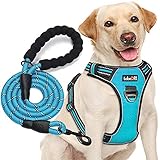
- 【 NO PULL & NO CHOKE 】tobeDRI dog harness featured with 2 strong metal delta shape-rings on front and back for leash attaching, front clip prevent pulling and back for relaxed walking. The 2 rings are sewn with durable thick nylon webbing and enforced box stitches and bartacks that preventing ripped off even pulling hardly. Pulling pressure is evenly distributed to the body to prevent choking
- 【 EASY TO USE AND LOCKING SECURITY 】The dog harness with simple design and quick snap buckles which make it easy to put on and take off. Locking feature on both snaps makes it more secure, 100% ensures no accidentally detachment. 4 easy size adjustors at neck and chest for easy adjusting to fit your dog perfectly, even with some room of growth. Perfect for daily walking, running, hiking, training, hunting, outdoor adventure and more!
- 【 DURABILITY 】Made of durable nylon webbing, enhanced high density nylon oxford, breathable mesh lining and strong accessories including buckle, size adjustors
- 【 EASY CLEANING 】Machine washable is easy for daily use. All metal accessories are rust-proof
- 【 REFLECTIVE 】Reflective stitching maintains high visibility at night for safety
5. Golden Retriever
Golden Retrievers fit the gentle-dog description through a combination of friendliness, reliability, trustworthiness, affection, adaptability, and trainability. Those qualities help explain their popularity as family dogs and their work in assistance and other service roles.
A Golden is usually better understood as a willing, athletic partner than as a quiet, low-maintenance pet. Daily physical exercise, retrieving games, training, and mental challenges help prevent boredom. The breed also sheds and benefits from regular brushing. A friendly Golden still needs boundaries, supervision with children, and gradual socialization rather than unlimited access to every person and dog.
Recommended Free Tools
6. Labrador Retriever
Labradors are widely associated with outgoing, affectionate family companionship. They are often enthusiastic, people-oriented, and highly willing to participate in training and activities.
The key qualification is energy. Labradors need substantial daily exercise and mental stimulation. An under-stimulated Lab may become hyperactive, mouthy, destructive, or difficult to manage, especially during adolescence. Their friendliness is therefore most successful in a household prepared for walks, retrieving, training, play, and the physical strength of a large dog. Regular brushing helps manage their shedding.
7. Cavalier King Charles Spaniel
The Cavalier King Charles Spaniel is one of the strongest small-breed choices for readers seeking an affectionate, adaptable companion. Cavaliers are commonly described as sweet, gentle, friendly with strangers and other animals, and eager to please. Their people-oriented nature can also suit therapy-dog work.
Small does not mean maintenance-free. Cavaliers retain spaniel instincts and benefit from regular activity, play, training, and social contact. They should not be treated as decorative dogs or left isolated for long periods. Outside a securely enclosed area, leash or other appropriate restraint is important because interest in scents and movement can overcome recall.
Free tools Windows power users keep installed
One-click scans. No signup required.
8. Whippet
Whippets can be an excellent contrast to the giant breeds on this list. Many are closely attached to their people, friendly with visitors, and content to relax indoors after appropriate exercise. They may suit a household that wants a quiet home companion but can provide energetic outdoor activity.
The phrase “couch dog” should not be mistaken for “no-exercise dog.” Whippets need opportunities to run safely and have a strong chase instinct. A secure fenced area is preferable for off-leash exercise, and recall should not be assumed around fast-moving animals. They may do well with well-trained children, but every interaction still needs supervision and respectful handling.
Also popular on Amazon

- No Pull, 2 Clips - With 2 sturdy metal hook loops for leash attachment. Use the front clip to create gentle redirection force, to reduce tugging during walks and training. While back clip is great for casual walks, jogging for well-behaved dogs
- Comfort, No Choke - Made from durable fabric with breathable mesh, this vest keeps them comfortable and cool during extended walks or active play. The pulling pressure is distributed evenly with soft padded —no rubbing, no irritation, just happy tails
- Easy to Wear & Adjust - Simply slip the harness over dog's head, snap the two quick-release buckles, and ready to go. 4 fully adjustable straps to create a perfect fit for your dog with room of growth. No worries about slipping out
- Built for Safety - Bright reflective strips ensure a safe walk both early morning walks or late night runs. The top handle helps to hold dog pulling immediatly, also can be used for car riding with safety
- Large Dog Harness - Chest: 17-33.4in. Recommended to Large Dogs, such as Labrador, German Shepherd, Siberian Husky, Schnauzer Giant, etc. Please measure your dog's neck and check girth carefully before purchasing
9. Basset Hound
Basset Hounds are included for their often calm and easygoing demeanor. They can make appealing companions for people who prefer a less intense household presence.
However, calm is not the same as obedient. Basset Hounds can be independent, scent-driven, and persistent about following an interesting trail. Training may require patience, consistency, and especially good motivation. Their long ears need regular attention, and owners should manage weight, exercise, and access to areas where a determined dog could follow its nose.
10. Shih Tzu
Shih Tzus are lively, friendly companion dogs that often want to stay close to their household. Their small size and sociable character can appeal to people seeking an indoor companion rather than a dog bred for demanding outdoor work.
Their coat is a significant responsibility. Long hair requires frequent brushing and professional or carefully managed trimming; a short pet trim reduces the burden but does not eliminate routine care. A Shih Tzu should be socialized to handling, grooming, visitors, and household activity. Children must be taught to interact gently, since a small dog can be frightened or injured by rough treatment even when it is generally friendly.
11. Collie
Collies are reasonable family-companion candidates when their temperament is described as responsive, sociable, and people-oriented—not as universally placid. Many enjoy working with their humans and can be attentive, trainable companions.
Their herding background matters. Collies may be sensitive to harsh treatment, alert to changes in their surroundings, vocal, or inclined to manage movement. They need mental engagement as well as physical activity. Positive training, appropriate outlets, and gradual exposure to household sounds and visitors can help a Collie become a confident companion. Coat care varies by variety, but grooming and shedding should be part of the decision.
Quick wins for a faster PC:
Repair Windows errors before they cause bigger problemsFix Now →Fix the driver behind crashes, sound loss and screen glitchesFind Drivers →12. Pug
Pugs fit the companion-dog interpretation of gentleness because they are often chosen for close human companionship and an amiable household presence. Many enjoy being involved in family life and prefer resting near their people.
Still, no Pug is automatically calm, tolerant, or suitable for children. Supervision and respectful handling are essential, particularly because a small dog may feel threatened by grabbing, hugging, or noisy play. Training and socialization remain important, and owners should pay close attention to the individual dog’s health, comfort, exercise tolerance, and ability to cope with heat or stress.
Also popular on Amazon

- Use with kindness, do not jerk, yank or correct your dog, very important to properly fit
- Escape resistant: use as walking tool only, do not use to tie dog out due to tightening aspect of harness, it is not chew proof
- Adjusts to any size or body type: align the movable black stops with front leg and it will fit any body perfectly
- Reduces chafing: soft texture with no hard edges or buckles to irritate skin
- Superior strength: hand spliced, tensile strength of 3,700 lbs, strong enough to hold a boat
13. Irish Wolfhound
The Irish Wolfhound offers another example of a giant dog that can be soft-natured and companion-oriented. Its size may be imposing, but size alone does not determine temperament.
It is also not a casual choice. Owners need space, secure management, early training, and the ability to supervise interactions with children and smaller animals. A friendly giant can cause harm without intending to through a leap, paw, chase, or collision. Grooming, exercise, transport, food, and veterinary expenses also require careful planning.
How to choose the right gentle dog for your household
Start with the life you can reliably provide, not the adjective that sounds most appealing. Use these questions to narrow the list:
- How much exercise can you provide every day? Golden Retrievers, Labradors, Whippets, and Collies may be gentle but still need meaningful physical and mental activity.
- Can you safely manage the dog’s adult size? Giant breeds need space, strong handling skills, suitable transport, and early manners training.
- How much grooming and shedding can you tolerate? Newfoundlands, Bernese Mountain Dogs, Shih Tzus, Collies, and other coated breeds need more maintenance than a short-haired dog.
- How much companionship does the dog need? Many companion breeds do best with regular human contact and may struggle when routinely left alone.
- Do you want a dog that is eager to train? A calm Basset Hound may be less immediately cooperative than a highly biddable Golden Retriever or Labrador.
- Are there children, elderly people, or vulnerable adults in the home? Consider not only the dog’s friendliness but also its strength, arousal level, mouthiness, movement, and ability to settle.
- What is the individual dog like? When possible, meet an adult dog in more than one setting and ask the breeder, rescue, or current caregiver specific questions about handling, visitors, children, other animals, resource guarding, recovery from startling events, and time alone.
A dog breed encyclopedia can be a useful supplementary reference when comparing adult size, exercise, grooming, and breed history. Treat any reference book as a starting point rather than a prediction of one dog’s behavior.
Independent reader supportYour contribution helps us test, update, and keep practical guides available for everyone.Gentle does not mean guaranteed safe
Children and dogs should always be supervised, including with breeds known for patience or family friendliness. Do not leave a young child alone with a dog, allow children to climb on or hug a dog, disturb a dog while eating or sleeping, or expect the dog to tolerate rough handling because of its breed reputation.
Learn to notice stress signals such as turning away, lip-licking, yawning, freezing, hiding, stiffening, growling, or attempting to leave. Give the dog an easy escape route and involve a qualified reward-based trainer or veterinary behavior professional if you see escalating fear, guarding, or aggression. Never punish a growl; it is valuable communication that the dog needs more distance or support.
PC Slower Than It Used to Be?
A free scan shows the junk files, broken settings and background clutter dragging Windows down - then fixes them in one click.Free scan · Windows 10 & 11Outdated Drivers Are Slowing You Down
One free scan finds every outdated or missing driver and matches the right update for your exact hardware.Free scan · exact hardware matchSocialization and training: the foundation of a gentle companion
Early socialization should be gradual, safe, and positive—not an overwhelming parade of unfamiliar people and situations. Puppies benefit from carefully managed exposure to people, places, sounds, surfaces, handling, grooming, car travel, and calm, healthy dogs. The aim is to build confidence and the ability to recover, not to force interaction.
Reward-based training helps teach practical behaviors such as settling on a mat, walking without pulling, coming when called, waiting at doors, accepting handling, and greeting people without jumping. Large breeds need these skills urgently because a behavior that is merely inconvenient in a small puppy can become hazardous in a giant adult. Energetic breeds need training and enrichment to help them use their drive appropriately.
Also popular on Amazon

- ≡ NECK WEARING DESIGN ≡ The medium dog harness is equipped with 3 buckles on both neck and body position, so you can easily put it on or take it off from the neck side. No more time and effort to put on the harness from the dog's head, and no more worries about hurting your restless dog during the process
- ≡ PERFECT HARNESS SET ≡ Our dog harness set includes 1 professional dog leash & 1 retractable seatbelt & 1 storage strap (easy to store the harness and the leash).The thoughtfully considered combination can meet various needs, and each carefully selected accessories protect the safety of the dog
- ≡ FRONT & BACK CLIPS ≡By limiting the dog's walking direction, using the front clip will stop the dog from pulling(of course, you can also hang the dog tag on it) . Both 2 clips are made of alloy material with one-piece molding process. The connection between the clips and the fabric has also been strengthened in multiple ways to ensure that the dog will not get out of control
- ≡ FIT / NO CHOKE ≡ The dog harness is designed with 4 adjustable webbings, which can be adjusted according to the size of the dog's body to get a perfect fit. It makes the dog's chest evenly stressed and prevents dogs from choking effectively
- ≡ SAFETY DETAILS ≡ High-bright reflective strips are embedded in both the dog harness and leash.It can help the dog be seen clearly even at night. The neck buckle is designed with a lockable button, which can prevent the dog from breaking away accidentally
Breed reputation is only one part of the decision
Every breed contains individuals with different temperaments, and mixed-breed dogs can also be exceptionally gentle companions. Health, age, social history, pain, fear, and the current environment can change how a dog responds. Puppies also cannot provide a guaranteed preview of their adult personality.
The best match is the individual dog whose temperament, energy, size, training needs, social preferences, and health fit your household. Research carefully, meet dogs responsibly, ask detailed behavior questions, and plan for positive training and ongoing socialization. A gentle reputation is a useful invitation to investigate—not a substitute for investigation.
The Tool Desk
Outbyte Driver Updater FREEScan for outdated or missing drivers - takes under a minuteDriver Scan →Outbyte PC Repair FREERepair Windows errors before they cause bigger problemsFix Now →Frequently Asked Questions
Are gentle dog breeds guaranteed to be safe with children?
No. Breed tendencies can offer clues, but individual temperament is shaped by genetics, socialization, training, health, experiences, and environment. Dogs of any breed need supervision and responsible handling.
Does gentle mean easy to train?
Not necessarily. A calm dog may be independent and difficult to motivate, while an energetic dog may be highly trainable. Basset Hounds are a useful example of a breed that can be easygoing but persistent and independent.
Which gentle breed is best for a small home?
Some small breeds on this list, such as the Cavalier King Charles Spaniel and Shih Tzu, may suit people seeking close companionship. Small dogs still need exercise, training, socialization, grooming, and respectful handling.
How can I choose a gentle individual dog?
Meet adult dogs when possible and ask breeders or rescues specific questions about the dog’s behavior around handling, children, visitors, other animals, food, startling events, and time alone. Then compare those needs with your schedule, space, experience, and exercise capacity.
The Bottom Line
The gentlest dog for your home is not necessarily the breed with the softest reputation. It is the individual dog whose temperament and needs fit your household—and whose people are prepared to provide supervision, training, exercise, socialization, and respectful care.





Leave a Reply