Preventing disease in a backyard chicken flock is mostly a matter of consistent biosecurity: reduce contact with wild birds, keep feed and water clean, control who and what enters the flock area, and act quickly when birds seem unwell. These habits lower the chance of pathogens entering or spreading, but no routine can guarantee a disease-free flock. The strongest guidance here addresses avian influenza and virulent Newcastle disease; follow local animal-health instructions because disease risks and reporting procedures vary by location.
13 practical ways to reduce disease risk
1. Keep wild birds away from your chickens
Wild birds, including waterfowl, can carry avian influenza without looking sick. Use a covered run or suitable netting, close gaps in buildings, and keep wild birds out of poultry areas as much as practical. Barriers reduce opportunities for contact; they are not a guarantee. See USDA APHIS guidance on protecting birds from wildlife and the University of Minnesota Extension backyard-flock guidance.
2. Protect feed and water
Place feeders and waterers where wild birds cannot readily reach them, and store feed in closed containers that also deter rodents. Clean up spilled feed, provide clean water and bedding, and avoid untreated pond or other surface water for drinking or cleaning. Contaminated feed or water can create an indirect route into the flock. USDA APHIS explains these steps in its avian influenza prevention guidance and Spring 2024 biosecurity bulletin.
3. Limit visitors and bird-related traffic
Allow only people who need to enter the chicken area. Visitors may carry contamination on shoes, clothing, hands, or equipment; take particular care with people who keep or handle other birds. USDA APHIS sets out visitor and traffic precautions in Control What Comes In.
#1 Best Overall

- NO ADDITIONAL WATER NEEDED, JUST SPRAY AND GO: Chicken Coop Cleaner is a unique natural solution that is easy to use for experienced & new chicken coop owners; Our strong formula is highly concentrated and requires no additional water to use
- REMOVES AMMONIA FROM WASTE: Includes a neutralizer that attacks the ammonia smell from the chicken poop and urine and breaks it down for quick, safe, and effective removal; This makes the coop a healthier home for chickens and people
- TURNS MANURE INTO FERTILIZER: Adds nitrogen to turn chicken manure into usable fertilizer; Save time by not having to clean or change the chicken bedding as often, and save money by not having to purchase fertilizer
- SAFE FOR USE AROUND CHICKEN FOOD AND WATER: Natural formula that is safe to use around chickens; It can be applied in the pen while the birds are present and will not affect feed or water; The nozzle has spray & stream options
- EASY TO APPLY: Simply spray all interior surfaces (including doors, nesting boxes, nesting pads, toys, and accessories), pine shavings, and litter and let it air dry; No rinsing is necessary; New chicken coop owners will love how easy it is to use
4. Wear dedicated clothes and boots
Use clean clothing and footwear reserved for poultry care, or protective gear that can be cleaned or discarded. Wash hands before and after handling birds. First remove visible dirt and manure: sanitizer or disinfectant is not a substitute for cleaning away debris. See USDA APHIS’s clothing, footwear, and handwashing guidance and its biosecurity bulletin.
5. Separate species and age groups when practical
Different poultry species, age groups, and birds from different sources may have different disease risks. Keep their feed, litter, and equipment separate where feasible so contamination is less likely to move between groups. The University of Minnesota Extension and USDA APHIS’s virulent Newcastle disease guidance discuss separation as part of flock biosecurity.
Rank #2

- NO ADDITIONAL WATER NEEDED, JUST SPRAY AND GO: Chicken Coop Cleaner is a unique natural solution that is easy to use for experienced & new chicken coop owners; Our strong formula is highly concentrated and requires no additional water to use
- REMOVES AMMONIA FROM WASTE: Includes a neutralizer that attacks the ammonia smell from the chicken poop and urine and breaks it down for quick, safe, and effective removal; This makes the coop a healthier home for chickens and people
- TURNS MANURE INTO FERTILIZER: Adds nitrogen to turn chicken manure into usable fertilizer; Save time by not having to clean or change the chicken bedding as often, and save money by not having to purchase fertilizer
- SAFE FOR USE AROUND CHICKEN FOOD AND WATER: Natural formula that is safe to use around chickens; It can be applied in the pen while the birds are present and will not affect feed or water
- EASY TO APPLY: Simply spray all interior surfaces (including doors, nesting boxes, nesting pads, toys, and accessories), pine shavings, and litter and let it air dry; No rinsing is necessary; New chicken coop owners will love how easy it is to use
6. Quarantine new birds
Keep newly acquired birds separate from the resident flock for at least 30 days, as advised by USDA APHIS and University of Minnesota Extension. Buy from reputable suppliers, and record purchases and movements so you can trace changes in the flock. Guidance: USDA APHIS on virulent Newcastle disease and University of Minnesota Extension on backyard poultry.
7. Quarantine birds returning from shows or swaps
Birds that have been around other flocks or shared show and swap environments should be kept apart from the home flock for 30 days before rejoining it, according to USDA APHIS. During an outbreak, consider stopping or limiting trips with birds in line with local animal-health advice. See the USDA APHIS Newcastle disease guidance and University of Minnesota Extension guidance.
Quick wins for a faster PC:
Fix the driver behind crashes, sound loss and screen glitchesFind Drivers →Clear out junk files and repair common Windows errorsFree Scan →Scan for outdated or missing drivers - takes under a minuteDriver Scan →Rank #3

- NATURAL AND NON-TOXIC FORMULA: Made from natural essential oils, Premo Poultry Spray is a safe alternative to harsh chemicals like permethrin and mite dusts. Veterinarian and farm approved. Apply directly on all poultry. Treat your entire flock, pens, roosts, coops, nest boxes, and yards. Enjoy peace of mind knowing that your chickens and other poultry is protected naturally and safely
- PROVEN TO WORK ON CONTACT: Our formula of natural oils is proven to kill on contact and treats mites, lice, fleas, and ticks. It is effective against all life cycles of bugs, including eggs, larvae, and adult stages
- SAFE FOR ALL POULTRY WITH NO EGG WITHDRAWAL: Gentle enough for chicks, hens, roosters, and other poultry. Spray as often as needed to eliminate pests on your birds as well as poultry houses and runs. Safe to use around the entire home and family. Protects chickens, turkeys, ducks, and geese against mites such as northern fowl mites, scaly leg mites, fleas, ticks, lice, and flies
- NATURAL INGREDIENTS WITHOUT HARSH CHEMICALS: Natural ingredients with no artificial colors and other harsh chemicals. No harmful side effects that come from other pest treatment products. Use with confidence knowing that your chickens, and other poultry are protected naturally
- QUALITY TESTED AND EFFECTIVE: Tested and proven to work. We ensure our products are supplied from Certified Natural Products Association (NPA) and Approved Good Manufacturing Practice (GMP) facilities. All our products are third party tested and approved. Made in the U.S.A
8. Avoid casually sharing equipment
Shovels, rakes, crates, egg flats, and similar items can carry contamination between locations or flocks. Keep equipment dedicated to one group when possible. If an item must be moved, clean and disinfect it appropriately before use with the other flock. See University of Minnesota Extension and USDA APHIS.
9. Clean before disinfecting
For a thorough coop or equipment clean, move birds out first. Scrape away manure, feathers, and other organic material; wash surfaces with water and detergent; rinse; apply an appropriate disinfectant according to its label; then let the area dry completely before birds return. Caked-on debris can prevent disinfectants from working as intended. Follow USDA APHIS’s step-by-step clean routine, including the product label’s preparation and application instructions.
Rank #4

- Used by Vets, Loved by Pets - Kill pathogens in as little as 60 seconds with Rescue. Prevents outbreaks and kills a broad-spectrum of pathogens - including canine parvovirus
10. Control rodents and other wildlife
Secure feed, repair holes and damaged screens, and inspect the coop and run for wildlife access. Exclusion works best alongside prompt cleanup and secure feed storage, since wild animals can contaminate housing, feed, or water. See USDA APHIS wildlife guidance and its avian influenza prevention steps.
11. Watch your birds and keep health records
Notice changes in behavior, appetite, egg production, breathing, activity, or mortality. A simple dated record of flock health and changes can help you spot a departure from normal and provide useful context to a veterinarian. USDA APHIS includes monitoring and recordkeeping in its flock protection guidance and biosecurity basics.
Recommended Free Tools
Best Value
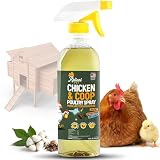
- SAFE & EFFECTIVE: Our plant-based chicken mite spray delivers powerful punch without the harsh chemicals found in traditional poultry sprays. Safe to use around your entire flock when used as directed, this gentle formula is tough on mites, lice, fleas, and flies - making it the smarter, safer choice for backyard chicken keepers, small farms, and homesteaders who want real results without the risks
- Made For All Poultry: This fast-acting poultry spray works as a complete chicken lice and mite spray, targeting mites, lice, fleas, and dust mites where they live and breed. Use it as your go-to dust mite spray for bedding and nest boxes, and as reliable chicken coop fly spray for runs, roosts, and yard areas - one bottle replaces multiple products and the old lime routine
- ZERO EGG WITHDRAWAL: Because our formula is plant-based, there's no egg withdrawal period. Treat your flock as often as needed during active infestations or on a regular schedule for prevention - and never lose a single day of egg collection. No waiting, no waste, no choosing between protecting your birds and gathering your eggs
- ONE BOTTLE, FULL COVERAGE: Spray directly on hens, roosters, and chicks - under the wings, around the vent, and along the chest - then use the same bottle on your coop, roosts, nest boxes, bedding, runs, and surrounding yard. This all-in-one poultry spray covers your entire flock environment, making it a true chicken coop essential that saves you time, money, and hassle
- PROUDLY MADE IN USA: Every bottle of our plant-based poultry spray is made right here in the USA. From first-time chicken keepers to experienced homesteaders, our chicken mite spray has earned its spot as a must-have chicken coop essential - giving you a dependable, plant-based way to keep your flock healthy, comfortable, and pest-free
12. Separate sick birds and get advice promptly
Isolate an apparently ill bird when feasible, and contact a veterinarian or animal-health authority promptly for sudden unexplained deaths, multiple sick birds, breathing difficulty, nasal discharge, diarrhea, neurologic signs, or a sharp drop in egg production. Suspected virulent Newcastle disease calls for immediate contact with an accredited veterinarian. Do not wait for a full set of symptoms before seeking advice. Follow local instructions for suspected disease and reporting; contacts and procedures vary by jurisdiction. See USDA APHIS avian influenza guidance, its Newcastle disease guidance, and University of Minnesota Extension.
13. Write down the routine and make it consistent
Post entry rules where caregivers will see them, explain the routine to anyone who looks after the flock, and review it when birds, facilities, or local disease risks change. A short, repeatable routine is more useful than rules people cannot follow consistently. USDA APHIS describes everyday biosecurity practices in its biosecurity basics and Poultry Industry Manual.
Independent reader supportYour contribution helps us test, update, and keep practical guides available for everyone.Build a routine that fits your flock
Start with the steps that address likely routes into your setup: wild-bird access, contaminated feed or water, people and equipment, and introductions of new or returning birds. Make the routine workable for everyone who cares for the chickens. For example, keep dedicated boots at the entrance, store feed in sealed containers, post a visitor rule, and maintain a separate quarantine space before acquiring birds.
Physical barriers should keep wild birds out while fitting the run and preserving the outdoor access you want; they should also be considered alongside local predator risks. Choose disinfectants by their label, intended use, and instructions for preparation and application rather than by brand claims. This guidance does not establish a universal backyard vaccination schedule, parasite-treatment protocol, ventilation target, or stocking-density rule. Ask an avian veterinarian or local extension service for advice tailored to your flock and location.
Crashes, No Sound, or Screen Glitches?
Random freezes, missing sound and display glitches usually trace back to one bad driver. Find and replace yours safely.Free scan · under a minuteWindows Errors? Fix Them Before They Spread
Repair common Windows errors and clear accumulated junk for a smoother, more stable PC - no reinstall needed.Free scan · no reinstallWhen signs of illness appear
Biosecurity is for prevention, not diagnosis. Changes in breathing, behavior, appetite, egg production, or activity—and especially sudden deaths or several affected birds—need prompt attention. Keep sick birds apart if feasible, minimize movement of birds and equipment, and contact a veterinarian or the appropriate local animal-health authority for instructions. USDA APHIS’s biosecurity basics and the University of Minnesota Extension guidance describe warning signs and the need to follow applicable reporting directions.
Quick Recap
Product prices and availability are accurate as of the date/time indicated and are subject to change. Any price and availability information displayed on Amazon at the time of purchase will apply.




