Do these 3 things before closing this tab:
1Clear out junk files and repair common Windows errors2Fix the driver behind crashes, sound loss and screen glitches3Repair Windows errors before they cause bigger problemsSilkie chickens can suit a home that wants distinctive ornamental birds and appreciates a hen’s tendency to brood—but they are a poor choice if the priority is a dependable supply of eggs. Their feathered feet and fluffy plumage also make dry, secure housing and attentive routine care important.
What makes Silkie chickens distinctive?
Oklahoma State University describes Silkies as an ornamental breed, considered bantams in the United States. Their soft, downy-looking plumage comes from feathers that lack the usual hooklets. Silkies also have a fifth toe and lay cream or tinted eggs. Oklahoma State University’s Silkie profile notes that they are known for going broody and laying few eggs.
That combination is central to the breed’s appeal: Silkies are often kept for their appearance and mothering behavior, not for egg volume. The cited breed profile does not give a numerical egg-production figure, so a precise yield should not be assumed.
Are Silkies good pets for a household?
They may be a rewarding choice for a household prepared to provide regular flock care and housing that stays dry and protects birds from predators. Their ornamental qualities and broody behavior can be appealing, but neither guarantees that an individual bird will have a particular temperament. Consider the practical fit for your household rather than assuming every Silkie will behave the same way.
The Tool Desk
Outbyte Driver Updater FREEScan for outdated or missing drivers - takes under a minuteDriver Scan →Outbyte PC Repair FREERepair Windows errors before they cause bigger problemsFix Now →#1 Best Overall

- This hatching set of 3 silkie chicken eggs will give you a beautiful variety of chicks in just 3 weeks of incubating.
- Chicken hatch on day 21, sometimes later if the incubator is running a degree lower than needed.
- Chicken start laying at 6-8 months of age.
- Please do research before purchasing to ensure best hatching results. Have the incubator ready and running. Allow for eggs to rest for 24 hours and to come to room temperature before setting them into you incubator for hatching. Youtube is a great channel of information for that. Check out "hatching shipped chicken eggs" and you'll find many tips and guidance for your hatching journey. We do not guarantee your hatching results, but we do pack them the best we can to ensure they have a safe trip to you. Eggs are no more than 2 days old when they leave our farm.
Before choosing Silkies, weigh the things you want most:
- Appearance and companion appeal: Their distinctive plumage makes them an ornamental choice.
- Eggs: Their profile says they lay few eggs, so they are not a strong pick when dependable egg volume is the main goal.
- Broodiness: A hen’s tendency to sit can be useful to someone planning to hatch eggs, but it requires monitoring and care.
- Daily upkeep: Feathered feet and bedding that must stay clean and dry add practical considerations to flock care.
What does a broody Silkie hen need?
University of Maine Cooperative Extension writes, “Most keepers will say that the Silkie and the Cochin Bantam are the two breeds above all others when it comes to motherhood.” The bulletin also cautions that no single breed is best at broodiness and notes that other breeds set well. The University of Maine Cooperative Extension bulletin on broody hens describes Silkies as notably motherly, but this should not be treated as a guarantee about every hen.
Rank #2
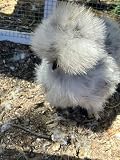
- Exhibition Quality Silkies: Premium hatching eggs from show-quality blue cream Silkie chickens bred to meet exhibition standards for superior characteristics and appearance
- Blue Cream Variety: Rare and beautiful blue cream color variation of Silkie breed, featuring distinctive fluffy plumage and gentle temperament ideal for backyard flocks
- Hatching Eggs: Fresh, fertile eggs carefully selected for hatching to produce high-quality Silkie chicks with excellent genetics and breed characteristics
- Superior Breeding Stock: Eggs sourced from carefully selected exhibition-grade parent birds that exceed typical Silkie standards for conformation, feathering, and breed traits
- Silkie Breed Features: Known for their fluffy feathers, black skin, five toes, and docile nature, making them excellent ornamental chickens and family-friendly pets
A broody hen may sit persistently. If you are considering hatching, provide a safe, quiet nest and check that she can reach feed and water. The University of Maine bulletin warns that some hens may sit so faithfully that they do not eat for two or three days, making regular checks important.
How should you house and care for Silkies?
General small-flock guidance is a starting point, not a Silkie-specific coop design. University of Connecticut Extension recommends a dry, draft-free environment with controlled ventilation, clean and dry litter, predator protection, and adequate space for feeding and roosting. Its 2018 recommendations are approximately 6–10 inches of roost space and 2–3 linear inches of feeder space per bird. University of Connecticut Extension’s small-flock guidance gives these figures for poultry generally, not specifically for Silkies.
Recommended Free Tools
Rank #3

- EXHIBITION QUALITY GENETICS: Fertile Silkie hatching eggs from show-quality breeding stock, ensuring superior genetics and characteristics for your flock
- COLOR VARIETY: Eggs will hatch into calico, blue cream, mottled, and possibly cuckoo Silkie chicks, offering a beautiful range of color patterns
- FERTILE HATCHING EGGS: Fresh, fertile eggs carefully collected from healthy breeding Silkies to maximize successful hatching rates
- SHOW BIRD LINEAGE: All parent birds are exhibition-quality show Silkies, bred to meet strict breed standards for conformation and appearance
- UNIQUE SILKIE CHARACTERISTICS: Chicks will display classic Silkie traits including fluffy plumage, black skin, five toes, and gentle temperament
Utah State University Extension also emphasizes ventilation, access to feed and water, and predator-resistant poultry wire. Its poultry guidance reinforces the need to adapt housing to your site, climate, flock size, and local poultry rules rather than relying on one universal coop plan.
Keep footing and bedding suitable
Feathered feet make secure footing worth particular attention. Virginia Cooperative Extension notes that slippery floors can cause leg problems, especially in feather-legged poultry. It recommends soft, absorbent litter with good traction; options for birds older than two weeks include pine shavings, chopped straw, or peanut hulls. Virginia Cooperative Extension’s poultry-litter guidance also warns that wet litter can contribute to tender footpads and lesions.
Rank #4

- 12" L x 12" H
- Bendable legs.
- Cute, soft and squeezable.
- High quality. Detailed realistic design.
- Designed in the USA by Adore Plush Company.
Keep bedding dry and turn or replace it when needed. Pine shavings are one practical litter option, not a treatment or a guarantee against health problems. The same Virginia guidance recommends a three-inch litter depth and describes a bedding transition for young poultry at two weeks; these are general poultry recommendations, not Silkie-specific standards.
Independent reader supportYour contribution helps us test, update, and keep practical guides available for everyone.What health changes should you watch for?
Regular observation helps you notice when a bird is not acting normally. University of New Hampshire Extension advises keepers to “Observe your flock regularly so that you know what is normal and abnormal, looking not only at appearance but behavior as well.” Its small-flock guidance lists lethargy, inactivity, reduced feed or water intake, weight loss, and reduced egg production as possible warning signs. Read the University of New Hampshire Extension’s small-flock health guidance for more on observing poultry. If you see concerning symptoms, contact a poultry veterinarian; these signs alone do not establish a diagnosis.
Quick Recap
Product prices and availability are accurate as of the date/time indicated and are subject to change. Any price and availability information displayed on Amazon at the time of purchase will apply.




