Free tools Windows power users keep installed
One-click scans. No signup required.
If you have a cat allergy, “hypoallergenic” does not mean allergy-free. The American College of Allergy, Asthma & Immunology (ACAAI) says that every cat produces allergens, and neither the breed nor the length of its coat reliably predicts how strongly you will react.
Cat allergies are caused mainly by proteins in a cat’s skin, saliva and urine—not by fur itself. Fel d 1 is the major cat allergen, but it is not the only one. A cat spreads saliva onto its coat while grooming, and dried skin flakes, hair and dust can carry allergen around the home.
The 15 breeds below are commonly marketed as “hypoallergenic” or considered by people with allergies. Some may shed less, have an unusual coat, or have a reputation for producing less allergen. None is scientifically proven to be safe for every allergic person. Individual cats, including cats of the same breed, can produce very different amounts of allergen.
15 cat breeds commonly considered by people with allergies
Think of this list as a starting point—not a ranking of allergy-safe cats. There is no validated evidence showing that these 15 breeds are consistently less allergenic than all other cats.
#1 Best Overall

- WHY CHOOSE AHAM VERIFIDE AIR PURIFIERS: AHAM (Association of Home Appliance Manufacturers) is an ANSI-accredited organization that sets strict standards for appliance performance. Air purifiers with the AHAM VERIFIDE seal have been independently tested for air cleaning performance and energy efficiency. When you choose an AHAM certified air purifier, you're choosing a product trusted for reliable and effective indoor air quality improvement
- HIGH-PERFORMANCE AIR PURIFICATION: A powerful 56W high-torque motor and 143 CFM CADR delivers fast, effective cleaning. The Levoit Original Filter is HEPA-grade while operating in Sleep Mode (Based on IEST RP C001.7). Ideal for home, bedroom, or office
- AHAM VERIFIDE, PROVEN PERFORMANCE: AHAM VERIFIDE with a CADR (Clean Air Delivery Rate) rating of 143 CFM for smoke, 153 CFM for dust, and 167 CFM for pollen—refreshing air in a 222 ft² room 4.8 times per hour and a 1,073 ft² room once per hour
- GENUINE REPLACEMENT FILTERS: For the best performance and longest lifespan, use official Levoit filters designed specifically for Levoit air purifiers. Levoit replacement filters ensure the best fit and high-efficiency filtration, while off-brand filters may be unreliable and may damage your Levoit air purifier
- FIND COMFORT: Our filter has strong filtration performance of fine particles. 99.97% filtration efficiency for 0.1 to 0.3μm airborne particulates, including pollen, dust, and animal dander allergens. Tested by an independent lab
1. Siberian
The Siberian is the breed most often associated with lower-allergen claims. Some research has found lower Fel d 1 levels in tested cats marketed as hypoallergenic, and Siberian-specific genetic findings deserve further study.
That evidence does not mean every Siberian produces little Fel d 1. Siberians have a dense triple coat, and their individual allergen levels can vary. Spend time with the particular cat before making a decision.
2. Balinese
Balinese cats are frequently included on hypoallergenic breed lists despite their medium-to-long coats. Their reputation is based on anecdotal reports and assumptions about lower allergen production, not proof that every Balinese produces less Fel d 1.
In other words, the Balinese’s longer coat does not automatically make it unsuitable, but neither does the breed’s reputation guarantee an easier experience for someone with allergies.
3. Javanese
Javanese cats are often listed separately from Balinese cats. Registry terminology matters here: the Cat Fanciers’ Association treats the Javanese as a division of the Balinese breed, rather than as an entirely separate CFA breed.
It is sometimes suggested for allergy sufferers because of its coat and Siamese-type ancestry. There is no evidence, however, that every Javanese is hypoallergenic or reliably low in Fel d 1.
4. Devon Rex
The Devon Rex has a short, sparse, wavy coat with unusually soft fur. Its reduced or unusual coat is the reason it is often described as allergy-friendly.
A Devon Rex may leave less loose hair around the home, but allergens are also present in saliva and skin. Less visible shedding is not the same as less allergen production.
Quick wins for a faster PC:
Fix the driver behind crashes, sound loss and screen glitchesFind Drivers →Clear out junk files and repair common Windows errorsFree Scan →Scan for outdated or missing drivers - takes under a minuteDriver Scan →Rank #2
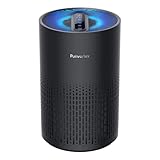
- Cleaner Air In Minutes: Purivortex is proven to filter common pollutants from your home’s air. This air purifier purifies rooms up to 880 ft² in one hour. It can purify a 215 ft² room in about 15 minutes, giving you noticeably fresher air in a short time. Breathe clean, crisp air and feel the difference in your space. (*Tested in an ISO 17025 certified laboratory under typical residential room ventilation conditions.)
- Breathe Easier with 99.97% Filtration: Purivortex HEPA air purifiers for home feature a powerful 3-layer filtration system — a pre-filter, HEPA filter, and activated carbon—that filter up to 99.97% of pollutants, including dust, smoke, pollen, pet dander, and VOCs. Purivortex air filters filter out particles as small as 0.1 microns, while the carbon filter helps reduce light household odors from smoke, pets, and cooking.**(**Independently tested in an ISO 17025 laboratory.)
- Bigger Filter, Better Purification: Purivortex goes beyond the standard—while most purifiers of this size use a 4 inch filter, Purivortex air filters stand tall at 6 inches. That’s nearly 1.5× larger, pulling in more air and delivering cleaner results, faster. Filter made of FSC-Certified paper, sourced from responsibly managed forests, ensuring both high performance and care for the environment.
- Backed by Science, Trusted by Standards: Purivortex air purifiers are rigorously tested to deliver powerful purification performance. Certified by ETL, FCC, and CARB for safety and energy efficiency, and verified through independent SGS laboratory testing to prove their effectiveness. With Purivortex, you get science-backed confidence in every breath.
- 2 Years of Guaranteed Confidence: Purivortex stands behind the quality and performance of every purifier, which is why Purivortex air purifiers come with a full 2-year warranty. More than 500,000 families have already chosen Purivortex for cleaner, fresher air. With added convenience features such as 3 timer settings (4H/8H/12H), 4 fan modes (Sleep/Low/Med/High), and 4 night light modes (Multicolor, Blue, Green, Purple), Purivortex delivers comfort tailored to your lifestyle.
5. Cornish Rex
Cornish Rex cats have a soft, wavy coat and lack the guard hairs found in most cats. The Cat Fanciers’ Association describes the breed as having minimal shedding, which can make cleanup easier.
Minimal shedding does not remove the proteins that trigger cat allergies. A Cornish Rex may suit one allergic person and cause significant symptoms in another.
6. Sphynx
The Sphynx is hairless or nearly hairless, but it is not allergen-free. It still produces allergenic proteins in its skin and saliva, and skin oils can accumulate because there is little hair to absorb them.
Sphynx cats may require regular skin care and should be evaluated for breed-related health concerns, including hypertrophic cardiomyopathy and hereditary myopathy. Do not choose one solely because it has little or no hair.
7. Russian Blue
Russian Blues are commonly advertised as low-allergen cats. Their short, dense coat may appeal to people who want less loose fur, but coat density is not a reliable measure of allergen production.
No breed-wide evidence establishes Russian Blues as consistently lower-allergen than other cats. The individual cat remains more important than the marketing label.
8. Bengal
Bengals are frequently included in hypoallergenic lists, partly because their short, relatively sleek coats may shed differently from some longer coats. Some allergy sufferers report tolerating individual Bengals.
There is no established breed-wide guarantee of lower Fel d 1, however. Bengals can still spread allergen through grooming, skin flakes and contact with surfaces.
Recommended Free Tools
Rank #3

- 𝐀𝐇𝐀𝐌 𝐕𝐞𝐫𝐢𝐟𝐢𝐞𝐝 & 𝐇𝐢𝐠𝐡 𝐂𝐀𝐃𝐑 𝐕𝐚𝐥𝐮𝐞: Certified by the Association of Home Appliance Manufacturers, this air purifier provides reliable performance with a Smoke/Dust/PM2.5 CADR of 226 CFM (384 m³/h) and a Pollen CADR of 244 CFM (415 m³/h). AHAM certification guarantees effective, high-speed air purification for your home.
- 𝐄𝐟𝐟𝐢𝐜𝐢𝐞𝐧𝐭 𝐀𝐢𝐫𝐟𝐥𝐨𝐰 𝐃𝐞𝐬𝐢𝐠𝐧: Engineered with dual front-and-back air intakes and dual side outlets, this purifier maximizes circulation for faster air exchange. It refreshes the air 4.8 times per hour in rooms up to 350 ft², reaching up to 80% purification efficiency, while still delivering 1 full air refresh per hour in larger spaces up to 1695 ft² with about 45% efficiency, helping maintain cleaner, fresher air throughout your home.
- 𝐃𝐮𝐚𝐥 𝐅𝐢𝐥𝐭𝐞𝐫𝐬 & 𝟑-𝐒𝐭𝐚𝐠𝐞 𝐃𝐞𝐬𝐢𝐠𝐧: Equipped with dual front-and-back cartridges, each featuring a three-stage filtration system: a washable pre-filter for larger particles, a High-Efficiency filter, and an activated carbon filter. 3-in-1 filter system traps everything from pet hair to microscopic particles, ensuring thorough purification. (Please remove the filter’s plastic packaging before installation.)
- 𝐏𝐄𝐓 & 𝐄𝐂𝐎 𝐌𝐨𝐝𝐞𝐬: PET Mode increases airflow to tackle pet hair, dander, and odors, refreshing the air in just 30 minutes. ECO Mode saves energy and extends filter lifespan by entering standby when air quality is excellent, then restarting automatically when purification is required.
- 𝐌𝐮𝐥𝐭𝐢𝐩𝐥𝐞 𝐌𝐨𝐝𝐞𝐬 & 𝐅𝐚𝐧 𝐒𝐩𝐞𝐞𝐝𝐬: Includes Sleep Mode with noise levels as low as 22-24 dB for ultra-quiet nights, Auto Mode for effortless adjustments, and four fan speeds for personalized comfort. Select the setting that suits your needs any time of day.
9. Oriental Shorthair
The Oriental Shorthair is often suggested because it has a short coat and is related to Siamese-type cats. Those features may affect grooming or the amount of loose hair you notice.
They do not prove reduced allergen production. Hair length is not a dependable way to predict how much a particular Oriental Shorthair will affect your symptoms.
10. Siamese
Siamese cats are sometimes described as hypoallergenic because of their short, close-lying coat. That description is misleading: a short coat can still carry saliva and skin-derived allergens.
Some people may tolerate a particular Siamese better than another cat, but there is no verified basis for calling the breed allergy-free.
11. Burmese
Burmese cats have a short coat and are often included in consumer lists of potentially easier cats for allergy sufferers. Their coat may produce less loose fur than a heavily coated breed.
Research does not establish Burmese cats as consistently lower-allergen than other cats. Meet the specific cat and monitor your symptoms rather than relying on the breed name.
12. Colorpoint Shorthair
The Colorpoint Shorthair is a Siamese-type breed with nontraditional point colors. Its short coat and Siamese ancestry are sometimes used to support hypoallergenic claims.
Neither characteristic proves that the breed produces less Fel d 1 or other cat allergens. It should be considered only as an individual cat, not as an allergy-safe category.
PC Slower Than It Used to Be?
A free scan shows the junk files, broken settings and background clutter dragging Windows down - then fixes them in one click.Free scan · Windows 10 & 11Outdated Drivers Are Slowing You Down
One free scan finds every outdated or missing driver and matches the right update for your exact hardware.Free scan · exact hardware matchRank #4
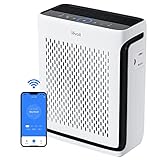
- 𝐖𝐇𝐘 𝐂𝐇𝐎𝐎𝐒𝐄 𝐀𝐇𝐀𝐌 𝐕𝐄𝐑𝐈𝐅𝐈𝐃𝐄 𝐀𝐈𝐑 𝐏𝐔𝐑𝐈𝐅𝐈𝐄𝐑𝐒: AHAM (Association of Home Appliance Manufacturers) is an ANSI-accredited organization that sets strict standards for appliance performance. Air purifiers with the AHAM VERIFIDE seal have been independently tested for air cleaning performance and energy efficiency. When you choose an AHAM certified air purifier, you're choosing a product trusted for reliable and effective indoor air quality improvement
- 𝐀𝐇𝐀𝐌 𝐕𝐄𝐑𝐈𝐅𝐈𝐃𝐄 𝐄𝐅𝐅𝐄𝐂𝐓𝐈𝐕𝐄 𝐏𝐔𝐑𝐈𝐅𝐈𝐂𝐀𝐓𝐈𝐎𝐍: The Vital 100S-P Air Purifier has undergone rigorous testing and can purify the air 4.8x per hour in rooms as large as 222 ft². In areas up to 1,073 ft², it cleans the air once per hour, making it an ideal choice for open-concept living spaces
- 𝐏𝐄𝐓 𝐎𝐖𝐍𝐄𝐑𝐒 𝐅𝐑𝐈𝐄𝐍𝐃𝐋𝐘: Pet Mode cleans the air, while the wide U-shaped air inlet effectively traps airborne pet fur and large particles
- 𝐇𝐈𝐆𝐇 𝐏𝐄𝐑𝐅𝐎𝐑𝐌𝐀𝐍𝐂𝐄: Vital 100S-P offers powerful filtration, with 99.97% filtration efficiency in capturing fine particles sized 0.1-0.3μm, such as pollen, dust, and pet dander
- 𝐇𝐄𝐏𝐀 𝐒𝐋𝐄𝐄𝐏 𝐌𝐎𝐃𝐄: Vital 100S-P uses light detection to automatically dim the display in dark environments and uses Sleep Mode to quiet fan speeds to as low as 25dB so it won't disturb your peaceful rest. Levoit Original Filter achieves HEPA-grade filtration during Sleep Mode, independently tested
13. LaPerm
LaPerm cats have a distinctive curly coat and are available in both longhaired and shorthaired varieties. The unusual texture is sometimes said to reduce shedding or trap loose hair.
Coat texture does not eliminate allergens. A LaPerm still produces proteins in its skin and saliva, and the amount can differ substantially from one cat to another.
14. Selkirk Rex
The Selkirk Rex has a curly coat and comes in both longhair and shorthair forms. Its curls may change how hair is shed and how often the coat needs grooming.
That does not make the breed hypoallergenic. The cat’s saliva, skin and urine can still contribute to indoor allergen levels.
What’s actually slowing this PC down?
Pick the symptom - the matching free tool is one click away.
15. Ocicat
Ocicats are sometimes included on hypoallergenic lists, although there is no breed-wide evidence that they produce reduced levels of cat allergen. Their short coat may make them seem like a practical choice for someone concerned about loose hair.
As with every breed on this list, the only meaningful test is your response to the individual cat in a realistic setting.
Independent reader supportYour contribution helps us test, update, and keep practical guides available for everyone.Why no cat breed is truly hypoallergenic
Cat allergens are not confined to fur. The most important exposure usually comes from proteins released in saliva and skin secretions. During grooming, a cat coats its fur with saliva; skin flakes and dried saliva can then become airborne or stick to furniture, clothing and bedding.
Fel d 1 is the best-known cat allergen, but cats produce multiple allergenic proteins. A person’s symptoms depend on which proteins they are sensitized to, how much allergen the individual cat produces and how much exposure occurs.
Do these 3 things before closing this tab:
1Clear out junk files and repair common Windows errors2Scan for outdated or missing drivers - takes under a minute3Repair Windows errors before they cause bigger problemsBest Value

- 𝐖𝐇𝐘 𝐂𝐇𝐎𝐎𝐒𝐄 𝐀𝐇𝐀𝐌 𝐕𝐄𝐑𝐈𝐅𝐈𝐃𝐄 𝐏𝐑𝐎𝐃𝐔𝐂𝐓𝐒: AHAM (Association of Home Appliance Manufacturers) is an ANSI-accredited organization that sets strict standards for appliance performance. Air purifiers with the AHAM VERIFIDE seal have been independently tested for air cleaning performance, safety, and energy efficiency. When you choose an AHAM certified air purifier, you're choosing a product trusted for reliable and effective indoor air quality improvement.
- 𝐀𝐇𝐀𝐌 𝐕𝐄𝐑𝐈𝐅𝐈𝐃𝐄 & 𝐓𝐑𝐔𝐒𝐓𝐄𝐃 𝐁𝐘 𝐄𝐗𝐏𝐄𝐑𝐓𝐒: Certified by the Association of Home Appliance Manufacturers (AHAM), the Vital 200S-P has been independently tested to meet strict air purification and safety standards. CADR ratings include: Smoke: 250 CFM Dust: 254 CFM Pollen: 289 CFM
- 𝐀𝐈𝐑 𝐏𝐔𝐑𝐈𝐅𝐈𝐄𝐑 𝐃𝐄𝐒𝐈𝐆𝐍𝐄𝐃 𝐅𝐎𝐑 𝐀𝐋𝐋𝐄𝐑𝐆𝐘 𝐆𝐑𝐎𝐔𝐏𝐒:The Vital 200S-P is designed specifically for allergy groups, effectively preventing allergens such as pollen, pet hair, dander, and dust from the air. Its efficient filtration system captures tiny particles, significantly improving indoor air quality and helping you and your family enjoy fresher air.
- 𝐏𝐎𝐖𝐄𝐑𝐅𝐔𝐋 𝐖𝐇𝐎𝐋𝐄-𝐑𝐎𝐎𝐌 𝐀𝐈𝐑 𝐂𝐋𝐄𝐀𝐍𝐈𝐍𝐆: The LEVOIT Vital 200S-P Air Purifier delivers advanced air purification for large rooms up to 1875 sq ft. Ideal for living rooms, bedrooms, basements, and open-concept homes, it’s built to handle high traffic spaces and pet households.
- 𝐇𝐈𝐆𝐇𝐄𝐑 𝐀𝐈𝐑 𝐈?𝐓𝐀𝐊𝐄: Purify your air quickly. With a traditional air inlet and the additional U-shaped air inlet, airborne pet hairs and odors can easily be trapped without causing clogs
Allergen production can vary considerably between individual cats and can change within the same cat over time. This is why a breed reputation cannot predict your reaction with certainty. Hair length, indoor versus outdoor living and sex are also not reliable breed-selection rules for avoiding cat allergy.
How to test a cat before adopting
- See an allergist first. Skin-prick testing is a common way to investigate suspected pet allergy. Symptoms blamed on cats can also come from dust mites, mold or other environmental triggers.
- Meet the exact adult cat. Do not rely on a breed description, breeder’s promise or short visit with a different cat of the same breed. If possible, have several visits in the cat’s normal home environment.
- Watch for delayed symptoms. Sneezing may begin quickly, while congestion, itchy eyes or breathing symptoms can worsen after longer exposure. Ask your allergist how to test safely.
- Do not assume a kitten will remain easy to tolerate. Allergen production and exposure can change as a cat matures, and a kitten’s coat and grooming habits may differ from those of an adult.
- Have a household plan before bringing the cat home. Decide who will clean, where the cat will sleep and how you will reduce exposure if symptoms develop.
Ways to reduce cat allergens at home
- Keep the cat out of the allergic person’s bedroom. This protects the room where you spend many hours, although it will not keep allergens confined to the rest of the house. Allergens travel on clothing and through settled dust.
- Use a HEPA air cleaner continuously in the bedroom or main living area. It can help reduce airborne allergen levels over time.
- Vacuum regularly with a high-efficiency vacuum or central vacuum, paying attention to upholstered furniture, rugs and areas where the cat rests.
- Wash your hands after touching the cat. Avoid hugging, kissing or allowing the cat onto your face, particularly if you develop symptoms quickly.
- Discuss bathing with a veterinarian. ACAAI notes that bathing a cat at least once a week may reduce airborne cat allergen, but frequent bathing is not suitable for every cat and should be done safely.
- Consider the number of cats. Homes with multiple cats generally have higher cat-allergen levels than homes with one cat.
- Ask a doctor about treatment. Depending on your diagnosis and symptoms, options may include nasal sprays, antihistamines, bronchodilators or allergen immunotherapy.
If cat exposure causes wheezing, chest tightness or asthma symptoms, speak with an allergist before acquiring a cat. Do not try to “push through” breathing problems to see whether you adapt.
Sources and medical context
The medical guidance in this article is based primarily on the American College of Allergy, Asthma & Immunology’s information on pet allergies. Research reviews describe substantial variation in Fel d 1 production between individual cats, while breed references and registry information come from the Cat Fanciers’ Association. Research on Siberians and Fel d 1 has produced interesting findings, but it has not established a universally low-allergen Siberian or any allergy-free breed.
FAQ
What is the most hypoallergenic cat breed?
There is no scientifically proven hypoallergenic cat breed. Siberians are most often associated with lower Fel d 1 claims, but individual Siberians vary and none is guaranteed to be safe for an allergic person.
The Tool Desk
Outbyte PC Repair FREEClear out junk files and repair common Windows errorsFree Scan →Outbyte Driver Updater FREEFix the driver behind crashes, sound loss and screen glitchesFind Drivers →Are Sphynx cats better for people with allergies?
Not necessarily. Sphynx cats have little hair, but they still produce allergens in their skin and saliva. Hairlessness can reduce visible shedding without removing the proteins that trigger symptoms.
Are short-haired cats less allergenic than long-haired cats?
No. Hair length is not a reliable predictor of cat allergen levels. A short-haired cat can cause a strong reaction, while an individual long-haired cat may be easier for one person to tolerate.
Can I become less allergic to my cat over time?
Some people notice changing symptoms, but you should not assume that exposure will make an allergy disappear. Ongoing exposure can also worsen respiratory symptoms. An allergist can discuss diagnosis, medication and immunotherapy.
Should I get a cat if I have asthma?
Discuss it with an allergist before adopting. Cat exposure can trigger asthma in sensitized people. Wheezing, chest tightness or shortness of breath requires medical attention rather than a breed experiment.
Does keeping a cat in one room contain the allergens?
No. Cat allergens can spread beyond the room on clothing, dust and air movement. Keeping the cat out of the allergic person’s bedroom is still a useful exposure-reduction step.
The Bottom Line
No cat is truly hypoallergenic. The breeds on this list may be worth researching because of their coat type, shedding pattern or reputation, but none is proven allergy-safe. Individual cats can produce different amounts of allergen, so meet the exact cat before committing, get evaluated by an allergist and prepare your home to reduce exposure.




