The most important shift in animal health and nutrition is already clear: care is moving from periodic observation and generalized feeding toward continuous measurement, targeted intervention, and biology-informed management. The 15 innovations below range from tools nearing routine use to highly scrutinized research pathways, and their value will depend on whether they improve real animal health and welfare—not merely produce impressive data.
Important scope: The strongest public research examples largely involve livestock and aquaculture. They can help explain the direction of animal care, but a result in cattle, poultry, pigs, or salmonids does not automatically establish a benefit for dogs and cats. U.S. regulatory references also do not represent every country.
As an Amazon Associate I earn from qualifying purchases.
The next major change in animal care will not come from one miracle feed additive, wearable, or artificial-intelligence model. It will come from connecting continuous monitoring with faster diagnostics, better breeding decisions, targeted nutrition, and management actions that improve real animal outcomes.
The 15 innovations at a glance
| # | Innovation | Current maturity | What it could change |
|---|---|---|---|
| 1 | Precision livestock monitoring | Closer to operational use | Moves observation from occasional checks toward continuous signals. |
| 2 | AI computer vision | Scaling, but not universally validated | Flags movement, body condition, identity, and behavior changes. |
| 3 | Infrared thermography | Closer to operational use | Enables rapid, noncontact temperature screening. |
| 4 | Wearable and environmental sensors | Closer to operational use in selected systems | Adds continuous data on activity, rumination, air, heat, and respiration. |
| 5 | Predictive disease analytics | Scaling, with a major validation challenge | Ranks animals or groups by elevated disease risk before obvious signs. |
| 6 | Rapid diagnostics and connected laboratories | Closer to operational use | Shortens the path from suspicion to confirmation and response. |
| 7 | Next-generation vaccines and countermeasures | Established foundation with continuing innovation | Strengthens prevention and outbreak preparedness. |
| 8 | Genomic selection | Active breeding and research pathway | Improves selection for health, resilience, and feed efficiency. |
| 9 | Gene editing | High-potential and highly scrutinized | Targets specific disease-resistance or production traits. |
| 10 | Microbiome-directed products | Scaling, with regulatory and evidence questions | Uses feed or water interventions to influence gut function and microbial communities. |
| 11 | Antibiotic alternatives | Multiple strategies at different maturity levels | Reduces avoidable antibiotic use without eliminating necessary treatment. |
| 12 | Precision nutrition and automated feeding | Closer to operational use in some facilities | Matches feed delivery more closely to animal needs and conditions. |
| 13 | Methane-reducing feed additives | Promising but not yet generalizable | May reduce enteric methane under specific diet and delivery conditions. |
| 14 | Aquaculture health, vaccines, and biomarkers | Active applied research and commercial development | Combines genetics, disease prevention, nutrition, and water-quality management. |
| 15 | Integrated farm decision-support systems | Scaling, with infrastructure barriers | Turns many separate data streams into prioritized management decisions. |
Cluster 1: Sensing, AI, and earlier warning
These technologies make animals and their environments more measurable. Their practical value is not the amount of data they produce; it is whether a reliable signal leads someone to examine an animal, change a ration, improve ventilation, or investigate a possible outbreak soon enough to matter.
#1 Best Overall

- Accurate Infrared Measurement: This veterinary thermometer offers high-precision infrared technology, measuring animal temperatures with an accuracy of up to 0.1°C, ensuring reliable results for livestock and pets.
- LED Display for Easy Reading: Equipped with a bright LED screen, the thermometer allows you to easily read temperature data, even at night or in low-light environments.
- 32 Data Memory Function: Conveniently save and store up to 32 sets of temperature readings, making it easier to track and compare animal temperatures over time.
- Automatic Data Save & Power-Off: Designed for efficiency, the thermometer automatically saves measurement data and shuts off after use, preserving battery life and enhancing convenience.
- Versatile Temperature Modes: Switch between animal body temperature and surface temperature modes with ease, making this thermometer for various animal care and management needs.
1. Precision livestock monitoring
Maturity: closer to operational use, although cost and scalability vary.
Precision livestock monitoring combines sensors, connected devices, automated records, and analytics to track animals and their surroundings in near real time. Depending on the species and setup, a system may watch activity, feeding, drinking, body weight, temperature, respiration, or behavior.
The shift is important because a person may not notice a small change in one animal during a busy day, while a connected system can compare that animal with its own normal pattern or with the rest of a group. A decline in feeding combined with reduced movement, for example, might trigger a closer examination.
Quick wins for a faster PC:
Scan for outdated or missing drivers - takes under a minuteDriver Scan →Clear out junk files and repair common Windows errorsFree Scan →Fix the driver behind crashes, sound loss and screen glitchesFind Drivers →That signal still does not establish a diagnosis. The innovation is the earlier, more targeted management decision: check the animal, collect a sample, adjust the environment, or call a veterinarian before a problem spreads or becomes severe. Reviews of precision-livestock systems identify possible benefits for disease prediction, welfare, precision feeding, and climate resilience, but also point to installation cost, maintenance, connectivity, and scalability as recurring barriers.
2. AI-powered computer vision
Maturity: scaling in research and selected commercial applications, but not universally validated.
Computer-vision systems use cameras and machine-learning models to identify animals, follow movement, estimate body measurements, and recognize patterns associated with lameness, abnormal posture, crowding, feeding changes, or other welfare and health concerns. Research activity spans cattle, pigs, poultry, and other species.
For a manager, the appeal is continuous observation without requiring a person to watch every pen or pasture continuously. A camera may also produce more consistent measurements than informal visual estimates, such as repeated body-size or movement assessments.
Free tools Windows power users keep installed
One-click scans. No signup required.
The careful claim is that computer vision can detect a visual pattern associated with risk, not that it diagnoses disease by itself. Occlusion by other animals, poor lighting, camera angle, dust, breed differences, background clutter, and limited training data can all affect performance. A model that performs well on a curated dataset may not deliver the same result in a different barn, climate, breed, or stocking density. Independent biological validation and measured productivity or welfare outcomes remain less common than technical model-accuracy benchmarks.
3. Infrared thermography
Maturity: closer to operational use as a screening and monitoring tool.
Infrared thermography measures heat patterns at the body surface without physical contact. It may help researchers and animal-care professionals assess stress, metabolism, inflammation, and early signs associated with illness. USDA research has also examined ocular temperature measurement in cattle.
It is attractive because a temperature scan can be rapid and noninvasive. But an infrared image is not the same thing as a clinical temperature reading, and interpretation depends on the animal’s species, body location, hair or coat, distance from the device, ambient temperature, sunlight, humidity, calibration, and recent activity. A warm or cool patch can have several explanations.
The Tool Desk
Outbyte PC Repair FREERepair Windows errors before they cause bigger problemsFix Now →Outbyte Driver Updater FREEScan for outdated or missing drivers - takes under a minuteDriver Scan →For a small farm or ranch, a handheld infrared livestock thermometer can make noncontact spot checks easier, especially when used to compare an animal with its own baseline or to decide whether a closer examination is warranted. It is a screening and monitoring aid, not a replacement for a validated clinical thermometer, veterinary examination, or laboratory test.
4. Wearable and environmental sensors
Maturity: nearer to routine use in selected production systems; usefulness depends on data quality and workflow.
Wearables can include accelerometers and activity monitors that record movement, rest, rumination, or other behavior. Microphones may contribute information about coughing or respiration. Environmental devices can track temperature, humidity, gases, ventilation, air quality, and other barn conditions.
The combination matters. A change in activity may be ambiguous on its own, but the same change alongside elevated heat, poorer air quality, or altered rumination may deserve a faster response. Environmental monitoring can also identify a problem affecting a group rather than an individual animal.
Devices must be durable, correctly positioned, regularly maintained, and able to transmit data in the conditions where animals are actually kept. False alerts can waste time and cause users to ignore the system; missed alerts can create a more serious risk. The best deployment therefore specifies who receives an alert, what they are expected to check, and what happens when the signal is wrong.
Rank #2
- Rapid and Precise Results: With infrared technology, our thermometer delivers swift and accurate temperature readings in just three seconds. Stay ahead of the curve with quick, reliable data for your animals
- Clear LCD Display: Our thermometer features a clear LCD display for easy-to-read results. The one-second measurement time ensures you can swiftly obtain the information you need, making temperature monitoring a breeze
- Non-Invasive and Safe: Say goodbye to traditional thermometers. Our infrared technology allows you to measure body temperature without any physical , ensuring a hygienic and stress- experience for your livestock
- Effortless Temperature Monitoring: Simplify temperature checks with our user-friendly infrared thermometer. Just point, click, and get accurate readings in a matter of seconds. No hassle, no stress
- Versatile Application: This thermometer isn't just for livestock. It's good for measuring the shell temperature of domestic animals and can also gauge the temperature of surrounding objects
5. Predictive disease analytics
Maturity: promising and scaling, but dependent on representative data and independent field validation.
Predictive systems combine animal records, sensor streams, environmental conditions, and historical outcomes to estimate which animals or groups have an elevated disease risk. Their potential is especially strong in high-volume operations, where subtle changes across many animals are difficult to identify manually.
A useful system might rank animals for inspection rather than issue a definitive label. That distinction helps preserve veterinary oversight and makes the output operational: the highest-risk animals are examined first, samples are collected when appropriate, and management records are updated.
Do these 3 things before closing this tab:
1Clear out junk files and repair common Windows errors2Scan for outdated or missing drivers - takes under a minute3Repair Windows errors before they cause bigger problemsPrediction quality is only as good as the data and definitions behind it. A model trained on one breed, farm type, disease prevalence, or climate may not transfer well. It can also learn management artifacts rather than biology—for example, associating a particular pen or season with illness without identifying the true cause. Independent validation under real farm conditions is essential before a risk score is treated as a dependable intervention trigger.
What the first cluster still has to prove
- Detection is not diagnosis: an alert should lead to appropriate examination or testing, not automatic treatment.
- Technical accuracy is not farm impact: a high-performing model must also reduce harmful delays, improve welfare, or produce a meaningful operational benefit.
- False alerts have a cost: systems need thresholds that fit the staffing, disease risk, and consequences of missed signals.
- Species and setting matter: evidence from dairy cattle, pigs, poultry, or fish cannot be assumed to apply to dogs, cats, or another production system.
Cluster 2: Diagnostics, prevention, and aquatic health
Monitoring can indicate that something has changed, but diagnostics and prevention determine what happens next. Faster laboratory confirmation is particularly important for contagious diseases, while vaccination and biosecurity remain foundational rather than being displaced by digital tools.
6. Rapid diagnostics and connected laboratory networks
Maturity: closer to operational use and already important to animal-health infrastructure.
Rapid tests, biomarkers, imaging, immunoglobulin measurement, and connected veterinary laboratories can shorten the time between a suspected problem and a confirmed response. The less visible network behind the test may matter more than a consumer-facing app: samples need validated methods, trained personnel, quality controls, secure reporting, and a pathway to action.
What’s actually slowing this PC down?
Pick the symptom - the matching free tool is one click away.
In the United States, USDA APHIS describes the National Animal Health Laboratory Network as supporting early detection, rapid response, and recovery. USDA research centers have also reported work involving biomarkers, immunoglobulin measurement, imaging, and behavior analysis.
During an infectious-disease event, speed can affect isolation, movement decisions, treatment, vaccination, and public-health protection. A rapid test is not automatically accurate, however. Users need to understand its intended sample, detection window, sensitivity, specificity, and whether a negative result requires confirmation.
7. Next-generation vaccines and veterinary countermeasures
Maturity: vaccines are an established foundation; new products and countermeasures remain disease-specific.
Vaccines remain one of the central tools for preventing animal disease. The innovation is increasingly connected to surveillance, laboratory capacity, outbreak modeling, delivery systems, and preparedness programs rather than treated as a standalone product.
Recommended Free Tools
USDA animal-production and animal-protection programs identify vaccines and other tools to prevent, control, or eradicate threats to food animals. New countermeasures may improve speed, coverage, targeting, or protection against difficult pathogens, but no vaccine exists for every emerging disease, and effectiveness can vary by strain, species, age, immune status, and timing.
Vaccination does not eliminate the need for biosecurity, quarantine, environmental management, or surveillance. Nor should a general claim that a new vaccine is “next generation” be confused with evidence that it provides superior protection in the specific animals and conditions where it will be used.
14. Aquaculture health, vaccines, and biomarkers
Maturity: active applied research and commercial development, with strong dependence on species and water conditions.
Farmed fish face a distinctive health problem: the surrounding water is both their environment and their route of exposure. Water quality, stocking density, temperature, nutrition, pathogens, and stress interact directly with physiology and disease risk.
USDA Agricultural Research Service priorities for salmonids include genetic improvement, vaccines, and biomarkers. Those tools can support earlier identification of poor health, better disease prevention, and breeding decisions that improve resilience. Nutrition and water-quality monitoring are inseparable from the result; a promising vaccine or biomarker cannot compensate for unsuitable environmental conditions.
Rank #3

- Clear Lcd Readout: Large light-emitting panel delivers distinct numerical readings during dim surroundings, letting caretakers capture thermal figures without extra lighting when operating a dog thermometer or pet thermometer after dusk for livestock and companion creatures.
- Auto Data Storage & Power Cutoff: Built-in chip automatically locks recorded thermal readings and triggers power halt after idle spans to cut power loss, streamlining daily check work with a veterinary thermometer and animal thermometer on farms or home breeding spaces.
- 32-Set Record Archive: The cat thermometer's internal storage holds up to 32 separate thermal reading logs for later review, removing repeated retesting steps for breeders managing sheep thermometer and horse thermometer across barn and household animal groups.
- Precise Infrared Detection: Infrared sensing module of pet thermometer for dogs generates readings calibrated to 0.1 degrees Celsius for consistent thermal tracking, supporting steady data collection for all livestock and domestic animal varieties without manual adjustment delays.
- Adjustable Thermal Offset Setup: Dog ear thermometer's customizable thermal offset values adapt baseline readings to match varied biological heat ranges, switching between livestock and companion creature modes to fit diverse breeding and farm management routines.
Lessons from aquaculture should therefore be transferred carefully. A biomarker validated in one salmonid species or water system may not work the same way in another fish, and methods developed for terrestrial livestock are not automatically appropriate for aquatic animals.
Cluster 3: Genetics, the gut, and targeted biology
These innovations attempt to change susceptibility, resilience, digestion, or disease control at a biological level. Their potential is substantial, but so are the questions about unintended effects, long-term selection, product claims, consumer acceptance, and regulatory classification.
8. Genomic selection for health and feed efficiency
Maturity: an active breeding pathway, with continuing research into more traits and better prediction.
Genomic selection uses information from many genetic markers to improve breeding decisions. It can help select for disease resistance, parasite resistance, environmental adaptation, feed efficiency, and other traits at the same time.
This is different from editing one gene in an individual animal. Genomic selection generally works through repeated breeding choices across populations and multiple markers. Its value may appear gradually through healthier, more resilient animals and lower resource requirements rather than as an immediate change in one animal.
Trade-offs matter. Selecting strongly for production can create undesirable effects if health, fertility, longevity, behavior, and welfare are not included in the breeding objective. A useful breeding program therefore treats feed efficiency as one trait among several, not as permission to maximize output regardless of animal well-being.
9. Gene editing for disease resistance and production traits
Maturity: high-potential and highly scrutinized.
Gene editing is intended to make a targeted change to an animal’s genome. FDA describes intentional genomic alterations as potentially relevant to disease resistance, production, food quality, therapeutic applications, and human-health objectives. Research has included poultry with reduced susceptibility to highly pathogenic avian influenza and other viral diseases.
Outdated Drivers Are Slowing You Down
One free scan finds every outdated or missing driver and matches the right update for your exact hardware.Free scan · exact hardware matchPC Slower Than It Used to Be?
A free scan shows the junk files, broken settings and background clutter dragging Windows down - then fixes them in one click.Free scan · Windows 10 & 11The attraction is precision: a specific biological target may be altered more directly than through generations of breeding. But “targeted” does not mean “risk-free.” Researchers and regulators must examine the intended change, unintended genomic changes, animal health, welfare, food safety where relevant, environmental considerations, and whether the trait behaves as expected over time.
FDA and NIST have highlighted the need for methods and control materials that can characterize intended and unintended genomic changes. Commercialization will also depend on regulatory review, traceability, public acceptance, and whether the change produces a meaningful real-world benefit rather than an impressive laboratory result.
10. Microbiome-directed animal products
Maturity: scaling in research and product development, with evidence and regulatory boundaries still evolving.
The gastrointestinal microbiome is becoming a target for animal-health and nutrition interventions. Products delivered through feed or drinking water may aim to influence digestion, microbial communities, pathogen levels, immune function, or other gut processes.
Do these 3 things before closing this tab:
1Clear out junk files and repair common Windows errors2Fix the driver behind crashes, sound loss and screen glitches3Repair Windows errors before they cause bigger problemsThe promise is appealing because the gut connects nutrition, metabolism, immunity, and disease. Yet microbiomes are complex and vary with species, age, diet, medication, housing, geography, and sampling method. A change in the microbial community is not automatically a health improvement, and a product that works in one diet or production system may not work in another.
Product claims also matter. FDA legislative materials have described a proposed category for certain “zootechnical” animal-food substances, illustrating the commercial interest and regulatory complexity. Whether an intervention is treated as an ordinary feed ingredient, food additive, or animal drug can depend on its composition, intended use, claims, and jurisdiction. A product offering nutritional support should not be assumed to have the legal status or evidence required for a drug-like disease claim.
11. Antibiotic alternatives
Maturity: a portfolio of strategies at different stages, not a single replacement technology.
Potential antibiotic alternatives include vaccines, improved management, immune-support approaches, microbiome interventions, targeted feed additives, and other measures intended to prevent or control disease. USDA research programs specifically identify alternatives for enteric disease control in poultry and microbiome approaches for livestock parasites.
What’s actually slowing this PC down?
Pick the symptom - the matching free tool is one click away.
The responsible goal is not to declare antibiotics obsolete. When an animal has a bacterial infection that requires treatment, withholding an effective medicine can harm welfare and increase risk. The opportunity is to prevent more disease, identify problems earlier, improve husbandry, and reserve antibiotics for cases in which they are clinically indicated.
Rank #4
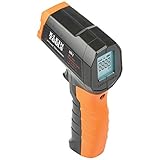
- PRECISE TEMPERATURE MEASUREMENT: Optical resolution (distance-to-spot) of 10:1 ensures accurate temperature readings from a distance
- WIDE MEASUREMENT RANGE: Measure temperatures from -4F to 752F (-20C to 400C), covering a broad range of applications
- ADVANCED FEATURES: Laser targeting, backlit display, auto power off and fixed emissivity
- FIXED EMISSIVITY: The thermometer has a fixed emissivity value of 0.95, providing consistent and accurate readings across different surfaces
- NON-MEDICAL DEVICE: Not intended for use on people or animals, complying with regulations and maintaining clear distinction from medical devices
Any alternative should be judged against meaningful outcomes: illness, mortality, treatment need, growth or production where relevant, antimicrobial use, resistance risk, and welfare. A feed additive that changes a laboratory marker but does not reduce disease or improve animal outcomes has not yet demonstrated a complete solution.
Cluster 4: Precision nutrition, sustainability, and integration
Nutrition technology is moving beyond a one-size-fits-all ration. The strongest systems connect what animals eat with body condition, production, health, environmental conditions, and the resources required to produce the feed.
12. Precision nutrition and automated feeding
Maturity: closer to operational use in some facilities, with uneven adoption across species and farm sizes.
Crashes, No Sound, or Screen Glitches?
Random freezes, missing sound and display glitches usually trace back to one bad driver. Find and replace yours safely.Free scan · under a minuteWindows Errors? Fix Them Before They Spread
Repair common Windows errors and clear accumulated junk for a smoother, more stable PC - no reinstall needed.Free scan · no reinstallPrecision nutrition uses information about individual animals or groups, feed composition, body condition, production, health, and environmental conditions to adjust rations or feeding schedules. Automated feeders, feed analysis, animal identification, live-weight measurement, and software can make those adjustments more consistently.
Efficient nutrient use is both an economic and environmental issue. USDA NIFA identifies nutrient inefficiency as costly to farms and the environment, while reviews of digital livestock technology identify feed and live-weight measurement as major categories with potential feed-saving and sustainability benefits.
The health case is just as important as the growth or production case. A ration that is poorly matched to an animal’s stage, condition, or environment can contribute to metabolic stress, digestive problems, poor immunity, or waste. Precision feeding should therefore be evaluated on health, welfare, performance, feed waste, labor, and cost—not solely on maximum output.
13. Methane-reducing feed additives
Maturity: promising, but results cannot be generalized across all animals, diets, or products.
Recommended Free Tools
Seaweed-based and other feed additives are being studied to reduce enteric methane emissions from ruminants. USDA-funded work includes seaweed products and other anti-methane technologies.
A reported reduction is meaningful only with its boundaries attached. Results may depend on cattle type, diet, dosage, delivery method, duration, intake, climate, and how methane was measured. A product must also be consistent and safe, fit into practical feeding systems, have a reliable supply, and meet applicable regulatory requirements.
There can be trade-offs as well. A change in methane output should be considered alongside animal performance, digestibility, manure, land use, feed production, transport, and the full life-cycle question being asked. “Lower methane” is not automatically equivalent to a lower overall environmental footprint unless the measurement boundary supports that conclusion.
15. Integrated farm decision-support systems
Maturity: scaling in concept and selected deployments, but limited by interoperability, cost, validation, and workflow integration.
The most consequential innovation may be the layer that connects everything else. In an integrated system, sensor and camera readings, laboratory results, genetics, feed data, environmental conditions, animal identity, and management records flow into one decision-support platform.
Rather than merely displaying dashboards, such a system could prioritize which animal to examine, recommend a feed adjustment, identify a ventilation problem, suggest that a group be isolated, or prompt a diagnostic investigation. The recommendation should remain explainable: a manager needs to know which signals led to it and how certain the system is.
Commercial precision-livestock monitoring platforms may eventually compete less on the number of sensors they support than on whether they connect reliably to existing records and produce decisions that staff can carry out. Interoperability, cybersecurity, data ownership, offline operation, staff training, and the ability to export records are practical requirements, not technical afterthoughts.
Independent reader supportYour contribution helps us test, update, and keep practical guides available for everyone.What will determine whether these innovations succeed?
Several technologies are already useful in limited settings, while others remain promising research or commercialization pathways. The central test is not whether a tool generates a sophisticated score. It is whether the tool improves animal outcomes at a cost and level of complexity that real caregivers can sustain.
1. Evidence under real conditions
Field validation should include the target species, breed or strain, age, housing system, climate, disease prevalence, and management style. A laboratory result or benchmark dataset is a starting point, not proof of farm-level benefit.
Best Value

- 𝐕𝐞𝐫𝐬𝐚𝐭𝐢𝐥𝐞 𝐓𝐨𝐨𝐥𝐬: Infrared technology allows you to measure various objects at home and outdoors; Use it for 𝒎𝒆𝒂𝒕, 𝑫𝑰𝒀 𝒄𝒂𝒏𝒅𝒚, 𝒐𝒗𝒆𝒏𝒔, 𝒈𝒓𝒊𝒍𝒍𝒊𝒏𝒈, 𝒇𝒐𝒐𝒅, 𝒄𝒐𝒐𝒌𝒊𝒏𝒈, 𝒂𝒖𝒕𝒐𝒎𝒐𝒕𝒊𝒗𝒆 𝒖𝒔𝒆, 𝑨/𝑪, 𝒓𝒆𝒇𝒓𝒊𝒈𝒆𝒓𝒂𝒕𝒐𝒓𝒔, etc.
- 𝐁𝐞𝐭𝐭𝐞𝐫 𝐀𝐜𝐜𝐮𝐫𝐚𝐜𝐲: The Lasergrip's 12:1 𝒅𝒊𝒔𝒕𝒂𝒏𝒄𝒆-𝒕𝒐-𝒔𝒑𝒐𝒕 𝒓𝒂𝒕𝒊𝒐 enables you to accurately measure temperatures from a comfortable distance. For best results, position the thermometer approximately 14.17 inches / 36 centimeters away from the target.
- 𝐄𝐚𝐬𝐞 𝐨𝐟 𝐮𝐬𝐞: Scan the surface of your object, hold down the trigger of the thermometer gun, get temp anywhere within the range of -58°–842°F / -50°–450°C. Then watch as your result appears on the bright LCD display in less than half a second.
- 𝐁𝐫𝐢𝐠𝐡𝐭 & 𝐑𝐞𝐚𝐝𝐚𝐛𝐢𝐥𝐢𝐭𝐲: Each infrared thermometer 𝒇𝒆𝒂𝒕𝒖𝒓𝒆𝒔 𝒂 𝒍𝒂𝒓𝒈𝒆, 𝒃𝒂𝒄𝒌𝒍𝒊𝒕 𝑳𝑪𝑫 𝒔𝒄𝒓𝒆𝒆𝒏, making it easy to read temperatures even in low light. With 2 AAA batteries included, powering up the thermal gun is a cinch.
- 𝐅𝐫𝐢𝐞𝐧𝐝𝐥𝐲 𝐃𝐞𝐬𝐢𝐠𝐧: The new Lasergrip displays 𝒓𝒆𝒂𝒍-𝒕𝒊𝒎𝒆 𝒕𝒆𝒎𝒑𝒆𝒓𝒂𝒕𝒖𝒓𝒆𝒔 𝒃𝒂𝒔𝒆𝒅 𝒐𝒏 𝒕𝒉𝒆 𝒂𝒗𝒆𝒓𝒂𝒈𝒆 𝒐𝒇 𝒕𝒉𝒆 𝒎𝒆𝒂𝒔𝒖𝒓𝒆𝒅 𝒔𝒖𝒓𝒇𝒂𝒄𝒆 𝒂𝒓𝒆𝒂. This means the reading you see reflects the average temperature within the circular area targeted by the infrared sensor — not a single point. It also features a 𝒎𝒂𝒙𝒊𝒎𝒖𝒎 𝒕𝒆𝒎𝒑𝒆𝒓𝒂𝒕𝒖𝒓𝒆 𝒅𝒊𝒔𝒑𝒍𝒂𝒚 for additional insights.
2. A defined action for every signal
Before installing a sensor or model, operators should decide what an alert means. Will someone observe the animal, take a temperature, collect a sample, adjust ventilation, change feed, or contact a veterinarian? If there is no practical response, more data may simply create noise.
3. Clear regulatory classification
Intended use and marketing claims can affect whether a product is treated as feed, a food additive, or an animal drug. The same ingredient may face different requirements depending on what it claims to do and where it is sold. This is particularly important for microbiome products, supplements, disease-prevention claims, gene-edited animals, vaccines, and methane-reduction additives.
4. Welfare as a success metric
A system should not be judged successful if it raises production while increasing pain, stress, disease, lameness, hunger, heat burden, or other welfare problems. Welfare indicators should be built into breeding objectives, alert thresholds, feeding programs, and post-deployment evaluations.
The Tool Desk
Outbyte Driver Updater FREEScan for outdated or missing drivers - takes under a minuteDriver Scan →Outbyte PC Repair FREEClear out junk files and repair common Windows errorsFree Scan →5. Honest sustainability accounting
Claims about feed savings, emissions, or climate resilience need defined measurement boundaries and trial conditions. Operators should ask what was measured, for how long, against which control, and whether the result includes the energy, land, transport, and waste associated with the intervention.
6. Interoperability and data stewardship
Data has limited value if it is trapped in incompatible systems or cannot be connected to animal identity, treatment records, feed records, and laboratory results. Secure access, clear ownership, reliable connectivity, human-readable reports, and a way to correct bad data will determine whether a system becomes part of daily care.
What does this mean for dogs and cats?
Pet owners are likely to encounter some of these ideas before others. Veterinary laboratory networks, vaccines, digital records, activity monitoring, imaging, nutrition analysis, and research into the microbiome can all influence companion-animal medicine. But a product marketed for livestock is not automatically appropriate for a dog or cat, and a health score from a wearable is not a diagnosis.
For companion animals, the most useful near-term principle is earlier communication with a veterinary professional: a sustained change in appetite, activity, weight, breathing, temperature, stool, or behavior can be worth recording and discussing. Home measurements may provide context, but they should be interpreted with the animal’s history, examination, and species-specific reference ranges.
Quick wins for a faster PC:
Fix the driver behind crashes, sound loss and screen glitchesFind Drivers →Repair Windows errors before they cause bigger problemsFix Now →Some innovations are less relevant to pets. Automated rationing and methane-reducing additives are primarily production and environmental technologies, while genomic selection and gene editing raise different questions in breeding populations than they do in an individual household pet. The evidence needs to follow the animal, not just the technology label.
A practical adoption checklist
Whether the setting is a commercial farm, aquaculture facility, shelter, working-animal operation, or veterinary practice, the following questions can prevent an expensive technology from becoming an unused dashboard:
- What problem is being solved? Define the disease, welfare concern, nutrition loss, labor bottleneck, or environmental target.
- What is the baseline? Record current disease rates, treatments, feed use, mortality, welfare measures, labor, and costs before claiming improvement.
- What is the target population? Check that validation matches the species, age, breed, housing, climate, and management system.
- What is the action threshold? Decide what happens after a high-risk alert, an abnormal image, a positive test, or a failed sensor.
- Who provides oversight? Assign responsibility to a trained person and involve a veterinarian or nutrition professional where diagnosis, treatment, or ration formulation is involved.
- How will success be measured? Include animal health, welfare, treatment use, false alerts, labor, cost, and environmental outcomes—not just model accuracy.
- Can the system be reversed or corrected? Have a plan for bad data, equipment failure, regulatory changes, and discontinuing an intervention that creates unintended harm.
The likely future is convergence, not a single breakthrough
Sensors and AI are making animals more observable. Diagnostics and laboratory networks can make intervention faster. Genomics and gene editing make biological traits more targetable. Microbiome science and precision feeding make nutrition more individualized. Methane-reduction research connects animal production with climate goals, while aquaculture demonstrates how health, nutrition, genetics, and environment can be inseparable.
The credible version of this future is substantial but conditional. Adoption will depend on species-specific evidence, independent validation, regulation, affordability, interoperability, data quality, and whether the technology improves real-world animal health and welfare. The winning innovation may not be the most futuristic device. It may be the system that turns a trustworthy early signal into the right human decision at the right time.
Frequently Asked Questions
Some related technologies are already used in companion-animal veterinary care, including laboratory diagnostics, vaccines, imaging, digital records, and some monitoring tools. However, much of the research discussed here concerns cattle, pigs, poultry, or farmed fish. Evidence and products should be evaluated for the specific pet species rather than transferred from livestock research automatically.
Are these innovations already available for pets?
Usually not. Most sensors and computer-vision systems detect a pattern associated with elevated risk, such as reduced activity, an unusual posture, or a temperature change. A veterinary examination and, where appropriate, a laboratory test are needed to determine the cause.
Can AI cameras or sensors diagnose an animal’s disease?
Connected veterinary laboratories, vaccines, activity and environmental monitoring, automated weighing, some precision-feeding tools, and noncontact temperature measurement are among the closer-to-operational technologies. Availability, validation, and regulation still vary by species, product, and country.
Which innovations are closest to routine use?
No. The responsible goal is to prevent more disease and reduce unnecessary use while preserving effective antibiotics for animals that need treatment. Vaccination, biosecurity, management, nutrition, surveillance, and targeted interventions work together rather than one alternative replacing every antibiotic.
Are antibiotic alternatives meant to eliminate antibiotics?
Ask what problem it solves, whether it has been validated in the same species and conditions, what action follows an alert, how false alarms are handled, whether data connects to existing records, and whether success will be measured through health and welfare outcomes as well as cost or productivity.
What should an animal operation ask before buying a monitoring system?
The Bottom Line
Bottom line: Animal health and nutrition are moving toward continuous measurement and targeted intervention, but an alert is not a diagnosis and a laboratory result is not automatically a farm-level benefit. The technologies most likely to endure will connect reliable data with veterinary judgment, sound nutrition, biosecurity, welfare safeguards, and measurable outcomes.
Quick Recap
Product prices and availability are accurate as of the date/time indicated and are subject to change. Any price and availability information displayed on Amazon at the time of purchase will apply.




