To choose houseplants for a home with cats or dogs, check the exact botanical name against both ASPCA’s cat and dog plant lists; “pet-friendly” does not mean safe to chew. The shortlist below focuses on plants named in the research dossier, and notes where a plant’s identity or toxicity status needs extra verification.
ASPCA says its plant database is not all-inclusive and cautions that eating any plant material may cause vomiting or gastrointestinal upset. Keep plants away from pets that chew, and contact a veterinarian or ASPCA Poison Control after a suspected ingestion.


What houseplants are safe for cats and dogs?
ASPCA’s species-specific lists include candidates such as African violet (Saintpaulia spp.), aluminum plant (Pilea cadieri), American rubber plant or baby rubber plant (Peperomia obtusifolia), cast iron plant (Aspidistra elatior), parlor palm (Chamaedorea elegans), Christmas cactus (Schlumbergera bridgesii), and moth orchid (Phalaenopsis spp.). Check the current cat and dog records for the exact plant before buying; common names alone are not reliable identification.
The ASPCA lists are useful starting points, not a complete guarantee. ASPCA states: “Also, be advised that the consumption of any plant material may cause vomiting and gastrointestinal upset for dogs and cats.”
#1 Best Overall
15 pet-friendly houseplants to consider
The table distinguishes plants identified in the research dossier from plants needing a specific caution. For every choice, verify the botanical name on the label and check both species-specific ASPCA lists. The dossier supports toxicity and identity guidance, not detailed plant-care specifications.
| Plant | Botanical identity | Safety note |
|---|---|---|
| African violet | Saintpaulia spp. | Named on ASPCA’s non-toxic lists; verify the exact plant. |
| Aluminum plant | Pilea cadieri | Named on ASPCA’s non-toxic lists; verify the exact plant. |
| American rubber plant / baby rubber plant | Peperomia obtusifolia | Named on ASPCA’s non-toxic lists; do not confuse it with unrelated rubber plants. |
| Cast iron plant | Aspidistra elatior | Named on ASPCA’s non-toxic lists; verify the exact plant. |
| Parlor palm | Chamaedorea elegans | Named on ASPCA’s non-toxic lists; verify the exact plant. |
| Christmas cactus | Schlumbergera bridgesii | Named on ASPCA’s non-toxic lists; verify the exact plant. |
| Moth orchid | Phalaenopsis spp. | Named on ASPCA’s non-toxic lists; confirm the orchid type. |
| Other listed palm | Confirm the botanical name | ASPCA’s lists include multiple palms. Check the exact species in both lists. |
| Other listed fern | Confirm the botanical name | ASPCA’s lists include multiple ferns. Check the exact species in both lists. |
| Other listed peperomia | Confirm the botanical name | ASPCA’s lists include multiple peperomias. Check the exact species in both lists. |
| Spider plant | Chlorophytum comosum | Do not recommend without resolving a classification conflict: an ASPCA houseplant article calls it mildly toxic to cats and dogs, while current list records should be checked. |
| Pothos | Confirm the botanical name | Not a pet-friendly recommendation: ASPCA identifies pothos among common plants containing insoluble calcium oxalates. |
| Peace lily | Confirm the botanical name | Not a pet-friendly recommendation: ASPCA identifies peace lily among common plants containing insoluble calcium oxalates. |
| Calla lily | Confirm the botanical name | Not a pet-friendly recommendation: ASPCA identifies calla lily among common plants containing insoluble calcium oxalates. |
| True lilies | Lilium or Hemerocallis | Keep out of homes with cats. ASPCA warns these lilies can be lethal to cats, even after small pollen exposures. |
The final five entries are important identification and exclusion examples, not safe alternatives. The research dossier does not substantiate enough additional individually named, verified plants to present a definitive list of 15 safe species; do not treat the comparison as a guarantee that an unspecified palm, fern, or peperomia is non-toxic.
Houseplants to keep away from pets
ASPCA’s October 2025 guidance names dumb cane, calla lily, pothos, peace lily, Chinese evergreen, and elephant ear among common houseplants containing insoluble calcium oxalates. Chewing can irritate a pet’s mouth and gastrointestinal tract. Severe swelling is uncommon, but may affect swallowing or breathing.
True lilies in the genera Lilium and Hemerocallis are a separate, severe hazard for cats. ASPCA says: “Lilies from the Lilium or Hemerocallis species can be lethal to cats.” Not every plant with “lily” in its common name is a true lily, so identify the plant botanically—but keep these genera out of homes with cats.
Rank #3
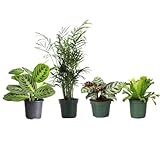
- About the Plants: Includes 4 plants in decorative pots. Each of these plants are non-toxic, so you can keep your furry friends safe while enhancing your home with living plants! Place these plants on a sunny windowsill, end table, or bookshelf and enjoy their beautiful colors and growth
- Pet Friendly: These plants are non-toxic and safe for pets, meaning you can fill your home with beautiful plants and keep your furry friends safe! Non-recommended for ingestion however, as it may cause vomiting. Please contact your Vet with any concerns
- Air Purifying: Houseplants are well known to be a healthy addition to your home due to their natural air purifying qualities. Many houseplants have been identified as able to filter toxins out of the air, allowing you to breathe easy
- Bundle & Save: Get more plants for your buck with curated bundles from Thorsen's Greenhouse! Each bundle is grower's choice meaning you get the joy of surprise when you open your package of new plants. Look for our other bundles including Low Light Plants, Air Purifying Plants, and Easy Care Plants
- Plant Size: Plants are 4-inches in diameter, and approximately 5-8 inches tall at time of shipping. Height will vary by plant. Please note that you will receive the plant in the photos as each plant is unique
How to check a plant before bringing it home
- Read the label or retailer listing and note the botanical name, not only the common name.
- Search the exact name in both the ASPCA cat and dog plant lists.
- Do not assume a broad label such as “palm,” “orchid,” or “lily” identifies the species covered by an ASPCA record.
- Place plants where a pet cannot repeatedly chew or knock them over.
- If the exact identity is uncertain, do not treat the plant as non-toxic; ask a veterinarian or choose a clearly identified alternative.
What should I do if my pet chews a houseplant?
Contact a veterinarian or ASPCA Poison Control for case-specific guidance after suspected ingestion, especially if the plant is unknown, may be toxic, or is a true lily and the pet is a cat. Share the plant label, botanical name, photograph, or a sample if available. Do not wait for symptoms or rely on a vague common name to judge the risk.
Independent reader supportYour contribution helps us test, update, and keep practical guides available for everyone.FAQ
Which indoor plants are non-toxic to pets?
ASPCA lists candidates including African violet (Saintpaulia spp.), aluminum plant (Pilea cadieri), baby rubber plant (Peperomia obtusifolia), cast iron plant (Aspidistra elatior), parlor palm (Chamaedorea elegans), Christmas cactus (Schlumbergera bridgesii), and moth orchid (Phalaenopsis spp.). Verify each exact plant against both the cat and dog lists.
Rank #4

- About the Plants: Included in this set is 1 Calathea, 1 Parlor Palm, and 1 Bird's-nest Fern. Each of these plants are recognized by the ASPCA as non-toxic, so you can keep your furry friends safe while enhancing your home with living plants! Place these plants on a sunny windowsill, end table, or bookshelf and enjoy their beautiful colors and growth.
- Pet Friendly: These plants are recognized by the ASPCA as non-toxic and safe for pets, meaning you can fill your home with beautiful plants and keep your furry friends safe! Non-recommended for ingestion however, as it may cause vomiting. Please contact your Vet with any concerns.
- Air Purifying: Houseplants are well known to be a healthy addition to your home due to their natural air purifying qualities. Many houseplants have been identified by NASA as able to filter toxins out of the air, allowing you to breathe easy!
- Plant Size: This plant is 4-inches in diameter, and approximately 5-8 inches tall at time of shipping. Height will vary by plant; however, we pick the best plant available for each order. Please note that you will not receive the plant in the photos as each plant is unique.
- Pot: Plant arrives in a 4-inch diameter growers pot inside of a pot cover made of recycled material. This pot cover does not have drainage holes, however holes can easily be punched out of the bottom.
Are peace lilies safe for cats?
Do not treat peace lilies as a pet-safe choice. ASPCA identifies peace lily among common houseplants containing insoluble calcium oxalates, which can irritate a pet’s mouth and gastrointestinal tract. True lilies in Lilium or Hemerocallis are an even more serious hazard for cats and can be lethal.
Is a non-toxic plant safe for my pet to chew?
No plant should be treated as food. ASPCA cautions that eating any plant material may cause vomiting or gastrointestinal upset, even when the identified plant is listed as non-toxic.
What’s actually slowing this PC down?
Pick the symptom - the matching free tool is one click away.
What should I do if my pet chews an unknown plant?
Contact a veterinarian or ASPCA Poison Control for case-specific guidance. Provide the plant’s label, botanical name, photograph, or sample if possible.
Bottom line
Choose plants by exact botanical identity and verify them on both ASPCA’s cat and dog lists. Keep chewing pets away from plants, exclude true lilies from homes with cats, and seek professional guidance after a suspected ingestion.
Quick Recap
Product prices and availability are accurate as of the date/time indicated and are subject to change. Any price and availability information displayed on Amazon at the time of purchase will apply.




