Free tools Windows power users keep installed
One-click scans. No signup required.
Some animal names sound as though they were invented for a cartoon, a children’s book, or a dare. They are real names, though—appearing in scientific databases, zoological references, or established regional usage.
Not all of these animals are suitable pets, and several are wild species that should be admired from a responsible distance. Their names are still worth enjoying, especially when the name hints at an unusual body shape, behavior, sound, or habitat.


1. Boops boops
Boops boops is the scientific name of the bogue, a seabream species. The repeated name sounds like a cartoon character saying hello, but it is a genuine binomial name—not an internet invention.
2. Sarcastic fringehead
The sarcastic fringehead (Neoclinus blanchardi) is a small Pacific fish with a spectacularly oversized mouth. It opens that mouth wide to threaten rivals while defending its territory. The name is funny; the fish’s territorial attitude is serious.
#1 Best Overall

- Used Book in Good Condition
3. Screaming hairy armadillo
The screaming hairy armadillo (Chaetophractus vellerosus) combines three memorable details in one name. It is an armored South American mammal, it has more hair than many other armadillos, and hairy armadillos can produce high-pitched defensive screeches.
4. Pink fairy armadillo
The pink fairy armadillo (Chlamyphorus truncatus) is considerably cuter than its name’s fantasy-sounding description might suggest. At about 13 centimeters long and roughly 120 grams, it is the smallest living armadillo. Its pink shell and burrowing lifestyle make the name unusually appropriate.
5. Blue-footed booby
Blue-footed boobies (Sula nebouxii) have striking blue webbed feet. The word “booby” comes from the Spanish bobo, meaning foolish or stupid, and historically referred to the birds’ apparent lack of fear around people. The name is old-fashioned, but the feet are genuinely blue.
6. Banana slug
A banana slug (Ariolimax columbianus) is a large yellow slug whose color and shape can resemble a banana. It is not merely a garden oddity: this forest decomposer helps process plant material, fungi, and other organic matter.
What’s actually slowing this PC down?
Pick the symptom - the matching free tool is one click away.
7. Laughing kookaburra
The laughing kookaburra (Dacelo novaeguineae) is an Australian kingfisher named for its loud call, which can sound remarkably like human laughter. Its older nickname, “laughing jackass,” is even more unexpected.
Rank #2

- Six double-sided, interactive pages feature animals from 12 categories such as the forest, the ocean and the shore
- Explore three play modes that teach about animal names, animal sounds and fun facts
- This fully bilingual book lets kids learn about animals and sing songs in English and Spanish
- Fun facts about animals provide an early introduction to science concepts
- Intended for ages 18+ months; requires 2 AA batteries; batteries included for demo purposes only; new batteries recommended for regular use
8. Slippery dick
Slippery dick (Halichoeres bivittatus) is a real wrasse species listed under that common name in FishBase. It is a tropical, reef-associated fish found in relatively shallow water. This is one of those names that sounds made up until a fish reference confirms it.
9. Chicken turtle
The chicken turtle (Deirochelys reticularia) is a freshwater turtle whose name sounds more suited to a restaurant menu than a pond. It is omnivorous and has a somewhat more carnivorous diet than many other turtles.
10. Pancake batfish
The pancake batfish (Halieutichthys aculeatus) has a flattened body that inspired its food-based name. It is a genuine fish common name, not a nickname created by social media. “Pancake” describes the shape, while “batfish” refers to its broader group.
11. Tasselled wobbegong
The tasselled wobbegong (Eucrossorhinus dasypogon) is a carpet shark with tassel-like lobes around its head. “Wobbegong” is itself an unusual word, and the tassels make this species sound like a decorative rug that learned to swim.
12. Spotted wobbegong
The spotted wobbegong (Orectolobus maculatus) is another carpet shark. Its name is more straightforward: it pairs the group name “wobbegong” with the spotted pattern on its body. Like other carpet sharks, it is adapted for life close to the seafloor.
Rank #3
13. Bone-eating worm
Bone-eating worms in the genus Osedax live in the deep sea and obtain nutrients from the bones of sunken whales and other mammals. They use root-like structures and symbiotic bacteria to exploit a food source that most animals cannot use. The name is blunt, accurate, and slightly horrifying.
14. Vampire squid from hell
The vampire squid from hell (Vampyroteuthis infernalis) has one of the most dramatic names in zoology. Its dark body, red eyes, arm webbing, and glowing organs helped inspire the name. Despite its appearance, it is not the aggressive blood-drinking predator the name might suggest.
15. Great potoo
The great potoo (Nyctibius grandis) is a nocturnal bird from Central and South America. It has an enormous gape, eerie calls, and excellent camouflage. During the day, it can sit motionless and resemble part of a branch, making “potoo” only one of several memorable things about it.
16. Shoebill
The shoebill (Balaeniceps rex) is an African wetland bird named for its enormous bill, which resembles a wooden shoe. Its alternative name, “whale-headed stork,” is nearly as strange. Despite that name, the shoebill is distinctive enough to be instantly recognizable.
17. Glowing sea cucumber
The glowing sea cucumber (Pannychia moseleyi) produces spiraling blue light when threatened. It lives in the deep sea, where bioluminescence can be useful for startling predators or drawing attention to an attacker. “Glowing sea cucumber” sounds whimsical, but it describes a real defense.
18. Christmas-tree siphonophore
Some Forskalia siphonophores have a branched shape that resembles a floating Christmas tree. Their appearance is festive; their tentacles are not. The tentacles contain stinging cells used to subdue prey, and the animal is a colony of specialized individuals working together.
19. Long-mouth jelly
The long-mouth jelly (Sarsia apicula) has a conspicuous tubular mouth and four trailing tentacles for capturing plankton. Its name focuses on the feature that makes it look unusual rather than trying to give it a dramatic personality.
20. Elephant fish
The elephant fish (Callorhinchus milii) is a cartilaginous fish with a flexible snout that resembles a short elephant trunk. It belongs to the chimaera group, so it is not a true bony fish and is not closely related to elephants—despite the name.
Independent reader supportYour contribution helps us test, update, and keep practical guides available for everyone.Why animal names can sound so strange
Common names develop in different places and at different times. They may describe an animal’s appearance, sound, behavior, habitat, or resemblance to something familiar. That is why a fish can become a “pancake batfish,” a bird can become a “shoebill,” and a slug can become a “banana slug.”
Scientific names can be just as entertaining. Boops boops uses repetition, while Vampyroteuthis infernalis translates roughly to “vampire squid from hell.” Scientific names are intended to identify species consistently, but the people who coined them were not forbidden from being imaginative.
Do these 3 things before closing this tab:
1Repair Windows errors before they cause bigger problems2Scan for outdated or missing drivers - takes under a minute3Clear out junk files and repair common Windows errorsBest Value
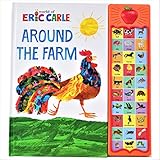
- 30 sound buttons, each representing a different animal.
- Children press button to hear animal name and sound associated with animal.
- Recommended for children ages 3 and older.
- Illustrated by renown children's book creator Eric Carle.
It is also important to distinguish between a documented common name and a universal one. FishBase, for example, separates preferred common names from other vernacular and trade names. A funny name can be genuine while still being regional, uncommon, or absent from other field guides.
Quick reference
| Animal | Scientific name | What inspired the name? |
|---|---|---|
| Blue-footed booby | Sula nebouxii | Blue feet; historical “foolish” nickname |
| Banana slug | Ariolimax columbianus | Banana-like color and shape |
| Laughing kookaburra | Dacelo novaeguineae | Human-laughter-like call |
| Pancake batfish | Halieutichthys aculeatus | Flattened body |
| Shoebill | Balaeniceps rex | Huge shoe-shaped bill |
| Elephant fish | Callorhinchus milii | Flexible, trunk-like snout |
FAQ
Are these funny animal names official?
Many are documented common names or accepted scientific names. Common names are not standardized worldwide, however, so a name may be preferred in one reference or region and uncommon elsewhere.
Which animal on the list is the smallest?
The pink fairy armadillo is the smallest living armadillo, measuring about 13 centimeters long and weighing roughly 120 grams.
Is the vampire squid from hell dangerous?
No. Despite its dramatic name and appearance, the vampire squid from hell is not an aggressive blood-drinking predator.
Can I keep any of these animals as pets?
These examples are mainly wild animals, and most are not appropriate pets. Keeping wildlife may also be illegal or require permits. A domesticated animal from a responsible source is a safer choice for a household pet.
The Bottom Line
From Boops boops and slippery dick to the pink fairy armadillo and vampire squid from hell, these names are genuine examples of how creative animal naming can become. Some describe a body part or color, some capture a sound or behavior, and others simply preserve a memorable old nickname.
Quick Recap
Product prices and availability are accurate as of the date/time indicated and are subject to change. Any price and availability information displayed on Amazon at the time of purchase will apply.




