The 2026 American Animal Hospital Association (AAHA) feline diabetes FAQ covers glucose-monitoring questions, missed or vomited medication doses, poor appetite, suspected low blood sugar and anesthesia. Its practical message is to interpret readings alongside the cat’s behavior and health, and to contact the veterinary team when a cat is unwell. Medication and dose decisions must be individualized with that team.
AAHA published its FAQ alongside the 2026 feline diabetes management guidelines on April 26, 2026. The guidance below explains the FAQ in caregiver-friendly terms; it is not a substitute for the plan made with your cat’s veterinarian.
How to interpret glucose readings and monitoring tools
A glucose value is one piece of information, not a diagnosis or a complete picture of how a cat is doing. AAHA recommends considering clinical signs and body weight alongside monitoring results. Its guideline takeaway is: “Monitor the cat, not just the numbers.”
| Tool | What it provides | AAHA’s guidance |
|---|---|---|
| Continuous glucose monitor (CGM) | Trends from interstitial glucose readings over time | Use when medically necessary and under veterinary direction. Current CGMs are not calibrated for animals, so interpret trends in context rather than treating a reading as definitive. |
| Veterinary-calibrated glucometer | Blood glucose readings from individual samples | Can be a practical option for serial monitoring. AAHA cautions that human-calibrated meters may be inaccurate for veterinary patients. |
| Fructosamine test | An estimate of average blood glucose over approximately 7–10 days | Use as one part of an individualized monitoring plan, not as a standalone verdict. Conditions that shorten albumin’s half-life, including hyperthyroidism and protein-losing disease, can lower the result. |
AAHA says in-hospital blood glucose curves are no longer recommended for routine diabetic monitoring in cats. Monitoring methods should be chosen because the results can help guide a veterinary decision, not simply to generate more numbers.
Do these 3 things before closing this tab:
1Fix the driver behind crashes, sound loss and screen glitches2Repair Windows errors before they cause bigger problems3Scan for outdated or missing drivers - takes under a minute#1 Best Overall

- 𝐕𝐞𝐭-𝐂𝐚𝐥𝐢𝐛𝐫𝐚𝐭𝐞𝐝 𝐀𝐜𝐜𝐮𝐫𝐚𝐜𝐲- The IMPet glucose monitor has undergone 12,000+ clinical validations, achieving an accuracy rate of 95.6% when compared to professional veterinary equipment (based on the CVMA 2024 Annual Report). It is certified by ISO 15197:2015 and other international standards. Its anti-interference test strip design effectively eliminates common substance interferences in pet blood, ensuring reliable data.
- 𝐏𝐚𝐢𝐧-𝐅𝐫𝐞𝐞 𝐄𝐱𝐩𝐞𝐫𝐢𝐞𝐧𝐜𝐞 – Requires only a micro blood sample (about 1/50th of a water droplet) combined with ultra-fine lancets, resulting in 90% of pets showing no resistance. Clinical data shows a 92% reduction in stress compared to traditional methods.
- 𝟓-𝐒𝐞𝐜𝐨𝐧𝐝 𝐑𝐞𝐬𝐮𝐥𝐭𝐬 – From blood collection to displaying results in just 5 seconds, significantly reducing pet stress time—especially crucial for anxious cats and dogs. The screen clearly shows glucose levels (e.g., 100 mg/L), time, and date for easy trend tracking. The portable design (with a storage bag) is ideal for home and travel use, meeting emergency monitoring needs.
- 𝐍𝐨 𝐕𝐞𝐭𝐞𝐫𝐢𝐧𝐚𝐫𝐲 𝐃𝐞𝐠𝐫𝐞𝐞 𝐑𝐞𝐪𝐮𝐢𝐫𝐞𝐝 𝐅𝐞𝐚𝐭𝐮𝐫𝐞𝐬 - One-touch operation with no coding or training needed. Simple 3-step process: Insert test strip → Collect blood → Get results. This streamlined workflow enables effortless pet health management for non-professionals, putting veterinary-grade monitoring at your fingertips.
- 𝐓𝐫𝐮𝐬𝐭𝐞𝐝 𝐛𝐲 𝐏𝐫𝐨𝐟𝐞𝐬𝐬𝐢𝐨𝐧𝐚𝐥𝐬 – Veterinary-recommended and user-trusted, chosen by 5,000+ veterinary institutions. Professional reliability meets stress-reducing design to minimize pet anxiety.
When a CGM reading looks unexpectedly low
Assess how the cat is acting and, when available, confirm an apparent low with a veterinary-calibrated glucometer. A CGM result alone may not reflect the cat’s blood glucose accurately. If the cat appears unwell or is showing possible signs of hypoglycemia, contact a veterinarian or emergency clinic immediately and follow their directions.
When readings are high
Consider the cat’s condition and the pattern over time. AAHA cautions against treating a high CGM value alone as an emergency by applying human glucose thresholds to cats. Persistent high readings together with signs of illness warrant veterinary assessment.
If readings are erratic or missing
Erratic data or prolonged reporting gaps may mean the CGM is malfunctioning. Contact the veterinary team for advice about whether the information remains useful and whether another monitoring method is needed.
Rank #2

- The #1 veterinarian recommended blood glucose monitor for dogs, cats, and horses in the clinic¹
- Kit includes the AlphaTrak3 Meter, Two Batteries (3V, CR2032), 25 AlphaTrak3 Test Strips, Lancing Device and 30 Lancets, Mini Screwdriver, Carrying Case, Diabetes Diary, User’s Guide, and AlphaTrak3 Control Solution (4 ml)
- Access results with a small blood sample and an extended blood glucose testing range of 20-750 mg/dL to allow for more pinpointed results for cats and dogs
- The user guide includes an easy to follow 7-step process to test your pet’s blood sugar levels with only 0.3uL of blood, instructions on how to set up set up your monitor and understanding results
- Register your glucometer with the AlphaTrak Mobile App to review and graph your pet’s glucose levels, share them with your vet, and record daily activities, and set up notifications and reminders
What to do if a CGM sensor falls off
Data collected before the sensor detached may still help the veterinarian make treatment decisions. If it fell off before useful information was gathered, a replacement may be needed. For a replacement, AAHA’s FAQ discusses preparing the application site and considering additional adhesive; ask the veterinary team what is appropriate for your cat and the specific sensor.
The Tool Desk
Outbyte PC Repair FREERepair Windows errors before they cause bigger problemsFix Now →Outbyte Driver Updater FREEScan for outdated or missing drivers - takes under a minuteDriver Scan →How often a cat needs glucose monitoring
AAHA discourages relying on hour-to-hour numbers as the main measure of diabetes control. Most cats do not need a CGM continuously. The veterinary team can decide when CGM, blood glucose measurements or fructosamine will help answer a clinical question. Changes in signs or body weight also matter and should be shared with the veterinarian.
If a cat on insulin stops eating or drinking
Reduced food intake can make insulin-related hypoglycemia a concern. AAHA advises skipping or reducing insulin in this situation and contacting the veterinarian for instructions. Do not use a general rule to choose a dose: the appropriate action depends on the cat and its treatment plan.
Rank #3

- COMPLETE & ECONOMICAL KIT: For animal use only, not for human testing. This all-in-one kit provides exceptional value. It includes 1 Glucose Meter, 100 Blood Test Strips, 100 Lancets, 100 Lancing Device, 1 Flannel bag, and a Detailed User Manual. Everything you need for effective diabetes management is right here
- QUICK & PAINLESS TESTING: Our pet glucose meter requires only a tiny 0.7µL blood sample, allowing for a fast reading in just 5 seconds. The ultra-fine lancets and adjustable lancing device minimize discomfort, making home testing less stressful for your pet and you
- SMART DATA TRACKING: The monitor automatically stores up to 200 readings with date and time stamps. Easily track trends and patterns in your pet's glucose levels, providing invaluable data for your veterinarian to make informed treatment decisions
- TAILORED FOR PETS, SIMPLE FOR YOU: This complete kit includes everything needed to start monitoring right out of the box. The meter is calibrated for pet blood, providing more accurate readings than human meters. Easy-to-follow instructions and a helpful online guide ensure you feel confident from the first test
- YOUR PET'S HEALTH PARTNER: Managing diabetes can be overwhelming. Our reliable monitor empowers you to take control of your dog or cat's health. Ensure proper insulin dosing, prevent dangerous highs and lows, and enjoy more quality years together with your beloved companion
Persistent inappetence or illness needs veterinary evaluation. AAHA says a cat should not go more than 24 hours without insulin, and advises evaluation if minimal intake results in two or more consecutive half doses. Contact the veterinary team promptly rather than allowing repeated dose reductions to become the plan without supervision.
If a cat taking an SGLT2 inhibitor is unwell, vomits or misses a dose
AAHA gives different advice for SGLT2 inhibitors than for insulin. If a cat taking one of these medicines feels unwell, the FAQ advises evaluation for ketones. It says the next dose does not pose the same hypoglycemia risk as an insulin dose, but illness still needs veterinary attention.
Free tools Windows power users keep installed
One-click scans. No signup required.
Vomiting after a dose
- If vomiting occurs within 30 minutes of the dose, AAHA says the dose can be repeated.
- If vomiting occurs later than 30 minutes after the dose, do not give another dose; resume the usual schedule the following day.
If the cat is ill or you are uncertain how the timing applies, contact the veterinary team for advice.
Rank #4
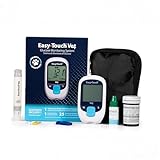
- Complete Pet Glucose Monitoring Kit: Starter kit contains everything you need to start measuring your pet’s blood glucose. This set includes 1 Easy Touch pet glucose meter, 1 lancing device, 25 test strips, 25 28G twist lancets, 1 medium control solution, 1 GP CR2032 battery, instruction manual, and a quick guide. Additionally, a high-quality carrying case is included to store the meter and its accessories
- Dual Code Chip Calibration for Dogs and Cats: Utilizes two dedicated code chips, one calibrated for dogs and one for cats, to account for species-specific blood glucose differences. This system supports accurate, consistent readings from small blood samples, helping ensure reliable at-home glucose monitoring
- Fast, Consistent Results: Delivers rapid glucose readings in seconds, allowing testing to be performed during your pet’s normal daily routine to promote consistency and minimize disruption
- Minimal Sample with Alternative Site Testing: Requires only a small blood sample of 0.7 µL and supports alternate site testing, improving comfort for pets while making the testing process easier for caregivers
- Easy At-Home, Lab-Accurate Testing: This pet glucose monitoring system allows pet owners to measure blood glucose accurately and conveniently at home. Designed to support routine diabetes management, the system delivers reliable results while helping reduce the stress of frequent testing
A forgotten dose
Skip the missed dose, resume the usual schedule the next day and do not double a dose.
Independent reader supportYour contribution helps us test, update, and keep practical guides available for everyone.What to do if hypoglycemia is suspected
AAHA advises offering food and contacting the veterinarian immediately. If the cat will not eat, its FAQ gives directions for applying Karo syrup and calls for prompt evaluation. Because the appropriate response depends on the cat’s condition, contact a veterinarian or emergency clinic at once for the specific instructions; do not treat syrup as a replacement for urgent assessment or as a reason to change the ongoing medication plan on your own.
Diabetes medication and anesthesia
AAHA advises skipping an SGLT2 inhibitor dose on the day of anesthesia. The veterinary team should coordinate glucose monitoring around the procedure and use short-acting insulin as needed until the cat has recovered. Tell the clinic about all diabetes medicines before the procedure, and follow its specific pre- and post-anesthesia instructions.
What’s actually slowing this PC down?
Pick the symptom - the matching free tool is one click away.
Best Value

- COMPLETE TEST KIT: Starter kit contains everything need to start measuring your pet’s blood glucose. This set has a meter, test strips, lance device, control solution, and 28-gauge lancets. Plus, a high-quality case to store the meter and accessories.
- EASY HOME CARE: iPet Pro makes it easy to monitor your diabetic pet’s glucose and keep them healthy. Results in just five seconds with a high level of accuracy. Glucose levels are measured during times that a pet is relaxed and in its regular routine.
- ACCURATE READINGS: Exceeds the minimum acceptable accuracy criteria specified in ISO 15197:2013.
- BUILT SPECIFICALLY FOR YOUR DOG OR CAT. Better control over glucose levels may help minimize complication and avoid unn
- 25+ YEARS OF CARE: UltiCare continues to create products and medicines designed with care in mind.
Why diagnosis may require more than one glucose result
AAHA’s diagnostic guidance calls for evidence of sustained hyperglycemia. A single high clinic reading may reflect stress and is not, by itself, the whole basis for a diagnosis. Other evidence can include increased fructosamine or repeated hyperglycemia or glucosuria documented in a nonstressed setting or at home. Fructosamine reflects average blood glucose over approximately 7–10 days, but illnesses that shorten albumin’s half-life can lower it.
Food and feeding: prioritize reliable intake and the whole cat
AAHA recommends planning calories around an optimized body weight and an accurate account of what the cat eats. Monitor weight and body and muscle condition, and favor dependable intake of a complete and balanced diet over nutrient changes that lead the cat to stop eating. The guideline’s discussion prefers canned foods, but no single food or formula is right for every cat.
Concurrent disease can change the dietary priority. For example, advanced proteinuric kidney disease may make a renal diet more important than a diabetic diet. Meal feeding is preferred in some situations but is not essential; a timed feeder may help when free-choice feeding cannot be changed. Work with the veterinarian to choose a plan that accounts for the cat’s appetite, weight goals and other conditions.
Caregiver education is part of diabetes care
AAHA recommends introducing diabetes care in stages, using trusted educational resources, arranging follow-up and keeping communication open with the veterinary team. Ask the clinic to clarify what to do for poor appetite, vomiting, a suspected low reading or a missed dose before those situations arise. Keep the cat’s individualized instructions accessible to everyone involved in its care.
Quick Recap
Product prices and availability are accurate as of the date/time indicated and are subject to change. Any price and availability information displayed on Amazon at the time of purchase will apply.




