
Some links on this page are affiliate links: if you buy through them we may earn a commission, at no extra cost to you.
Apartment living does not automatically rule out large dogs, nor does a small body guarantee easy neighbors. The better match is a dog that can settle indoors, cope with shared hallways and elevators, tolerate your schedule, and receive enough walks, training, and enrichment every day.
These 26 breeds are strong candidates, but each has trade-offs. Before choosing, check your lease, consider the building’s noise level, and evaluate the individual dog—not just the breed label.
As an Amazon Associate I earn from qualifying purchases.
26 dogs that can live well in apartments
The breeds below are not ranked from best to worst. Apartment suitability depends on energy, barking, sociability, grooming, health, and the dog’s ability to relax after activity.
-
Affenpinscher
This small, adaptable companion usually needs little floor space and can get much of its activity from walks, play, and training. Affenpinschers can be stubborn and alert, however, and some are surprisingly vocal. Early socialization and a reliable quiet cue are useful in buildings with thin walls.
Popular on Amazon
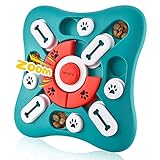 PETSTA Dog Puzzle Toys, Treat Dispensing Dog Enrichment Toys for IQ Training and Brain Stimulation, Interactive Mentally Stimulating Toys as Gifts for Puppies, Cats, Dogs
- 【PRODUCT SIZE】10 inch*10 inch*1.3 inch.
- 【3 WAYS TO PLAY, UPGRADE SLOW FEEDER】Our dog mental stimulation toys have a unique squeak button in the middle, which make it easier to attract the attention of dogs and cats. Three different difficulty designs and the 16-hole dog treat dispenser design maximize slow feeding time, even beyond 20 minutes.
- 【FUNNY STIMULATING TOYS】All kinds of dogs and cats love the puzzle game of Spin & Slide and the Seek & Hide with their smell sense and paw skills to find food. Combining circular orbit sliding game and linear orbit sliding game, smart dog and cat must move the slider correctly to get the food reward hidden in the maze.
- 【NON-REMOVABLE PARTS DOG PUZZLE】Our dog treat puzzle is made of non-toxic materials, very durable and suitable for pets to play for a long time. This dog toy has no removable parts because the design has built-in play parts that fold tightly and won't fall off easily.
- 【ANTI-SLIP & EASY TO CLEAN】: The four corners of the bottom are equipped with four anti-skid pads, which can be well fixed during the dog's slow food process; It is easy to clean, also dishwasher safe.
-
Basset Hound
Basset Hounds are often calm indoors and happy to lounge after a walk. Their size and heavy build are less convenient in a small apartment, while shedding, drooling, and scent-driven wandering can complicate daily life. They still need regular outdoor exercise and should not be treated as purely sedentary dogs.
-
Basenji
The Basenji is compact and does not usually bark in the conventional way. That does not make it silent: yodels, whines, and other distinctive sounds can still disturb neighbors. This intelligent breed also needs mental stimulation and secure leash handling because of its independence and prey drive.
Recommended: Crashes or Glitches? A Free Driver Scan Usually Finds the Culprit →Recommended: Fix Windows Errors and Clear Junk Files in Minutes - Free Scan →Recommended: Update Every Outdated Driver on Your PC in One Scan - Free →Special offer. See more information about Outbyte and uninstall instructions. Please review EULA and Privacy policy. -
Bichon Frise
A Bichon Frise can suit apartment life with indoor games, regular walks, and plenty of human interaction. It is small, social, and adaptable. The curly coat needs frequent brushing and professional grooming, and “low-shedding” does not mean allergy-free.
-
Boston Terrier
Boston Terriers are compact, sociable, and often satisfied with short walks combined with indoor play. Their short muzzle needs careful management in hot or humid weather. Avoid pushing a Boston Terrier through strenuous exercise if it is breathing heavily or struggling to cool down.
-
Cavalier King Charles Spaniel
Cavaliers can enjoy both a quiet apartment and moderate daily walks. They are strongly people-oriented, which is appealing for an owner who spends much of the day at home. Separation-related distress can be a problem, so ask breeders or rescues about health and temperament, and gradually teach the dog to be alone.
-
Chihuahua
A Chihuahua’s tiny size makes transport, indoor play, and short walks manageable. Without careful socialization, though, it may become fearful, reactive, or noisy around strangers and other dogs. Calm exposure to hallways, visitors, elevators, and urban sounds matters more than simply having a small home.
The Tool Desk
Outbyte PC Repair FREERepair Windows errors before they cause bigger problemsFix Now →Outbyte Driver Updater FREEFix the driver behind crashes, sound loss and screen glitchesFind Drivers →Special offer. See more information about Outbyte and uninstall instructions. Please review EULA and Privacy policy. -
Chinese Crested
Chinese Cresteds are small, affectionate, and generally comfortable as indoor companions. Hairless individuals need protection from both sun and cold. Their lack of a full coat does not make them allergy-safe, since allergens are also associated with dander and saliva.
-
Coton de Tulear
This companion breed is portable, people-focused, and well suited to smaller homes. Cotons can struggle when left alone for long periods and need regular brushing to prevent mats. They are a better fit for owners who can provide company and a predictable routine.
Also popular on Amazon
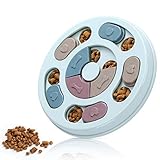 DR CATCH Dog Puzzle,Dogs Food Toys for IQ Training & Mental Enrichment,Dog Treat Puzzle(Blue)
- 【Size】: L9.44" * W9.44"* H1.14" suitable for cats, puppies and small dogs.
- 【Interactive Dog Toys】This is a interactive puppy puzzle , which can easily become the closest companion and toy for your puppies and cats, and will release pressure for dogs. Find food by sliding parts to improve eating pleasure and IQ.
- 【Slow Feed Bowl】This encourages pets to eat at a slower speed, helps to slow down the feeding time to help the dog digest, and can provide your dog with a variety of healthy snacks.
- 【Slow Feede toys】 Use this educational game toy to exercise the dog’s brain, which will help meet the dog’s instinct needs, train the pet’s sense of smell, and let the dog enjoy feeding when using the nose or paw to move the slider, while providing spirit stimulate.
- 【Dog toys】No toy is indestructible. Do not leave toys with unsupervised pets. Remove and replace toy if damaged.
-
Dachshund
Dachshunds can meet their exercise needs through walks, play, and training rather than a large yard. Barking, digging, separation problems, and back-disease risk are important considerations. Limit repeated jumping from furniture and manage stairs carefully, particularly for dogs with back problems or a history of injury.
-
French Bulldog
French Bulldogs are compact, commonly quiet, and often content with a short walk plus indoor play. Their short muzzles make heat and strenuous exercise dangerous, especially if the dog is overweight. French Bulldogs are poor swimmers and should never be left unattended near a pool, pond, or other water.
What’s actually slowing this PC down?
Pick the symptom - the matching free tool is one click away.
Special offer. See more information about Outbyte and uninstall instructions. Please review EULA and Privacy policy. -
Greyhound
A Greyhound shows why size alone is a poor apartment test. Many are remarkably calm indoors and spend much of the day sleeping. They still need regular walks and occasional safe opportunities to run. A Greyhound’s prey drive, thin skin, sensitivity to cold, and need for secure handling require planning in an urban area.
-
Havanese
Havanese are small, adaptable, and usually eager to live closely with their people. They can be excellent urban companions when given walks, play, and training. The main challenges are separation-related behaviors and regular coat care.
-
Italian Greyhound
Italian Greyhounds are quiet, small, and suited to indoor living with daily walks and play. Their legs are fragile, they dislike cold, and house-training can take patience. Use secure equipment outdoors and prevent high-impact jumping from beds, sofas, or stairs.
-
Japanese Chin
The Japanese Chin is a small companion that often prefers a quiet indoor household. It may be sensitive to heat and uncomfortable with rough handling or chaotic shared spaces. A calm building and gentle socialization are good matches for this breed.
Recommended Free Tools
Special offer. See more information about Outbyte and uninstall instructions. Please review EULA and Privacy policy. -
Lhasa Apso
Lhasa Apsos can settle indoors when their exercise and training needs are met. They are naturally alert, so hallway noises, visitors, and elevator traffic may trigger barking. Introduce these situations gradually and reward calm behavior before alarm barking becomes a routine.
-
Maltese
Maltese dogs need little physical space and can exercise with walks and indoor play. Their long coat requires consistent maintenance, and some bark frequently when bored or left alone. Training should begin early, particularly if the apartment has nearby neighbors.
Also popular on Amazon
 Barkwhiz Dog Puzzle Toy 3 Levels, Mental stimulating for Boredom and smart Dogs, Treat Puzzle for All Breeds Dog
- Four Challenges & Levels 1-3: Multiple games with a flip game and a linear track sliding game, all requiring dogs to learn steps and find treats. This puzzle is designed to be more fun and difficult, with more unique ways to play. It can enhance your dog's IQ and train their sense of smell
- Prolong the Feeding Time: The 14-hole food storage slow feeder has four ways to play, which is effective in slowing down the dog's eating speed. It is also beneficial to the dog's physical and mental health by increasing the time and difficulty of acquiring food, thus avoiding gastrointestinal issues caused by indigestion
- Safe Materials & Cleanable: Furry friends can safely play with this toy, which is made of food-safe and long-lasting materials. Additionally, it is easy to clean with warm water and soap after use
- Six Silicone Anti-Slip Pads: Six silicone anti-slip pads with high resistance ensure a firm grip and prevent the item from sliding to one side during feeding
- Warm Tips: When playing with the puzzle, please keep your dog with you to prevent any possible destruction of the toy. The toy has a tight design of built-in game components, so you don't need to worry about them being easily dislodged and swallowed by your dog
-
Miniature Schnauzer
Miniature Schnauzers are intelligent, trainable, and compact enough for apartment living. They also have terrier energy and an alert voice. Daily exercise, scent games, short training sessions, and deliberate barking management help prevent them from becoming a nuisance.
-
Papillon
The Papillon is tiny but far from passive. It can exercise through walks, games, trick training, and food puzzles, making it a good choice for an active owner who has limited space. Without enough mental work, a Papillon may bark, chew, or invent its own entertainment.
Do these 3 things before closing this tab:
1Repair Windows errors before they cause bigger problems2Scan for outdated or missing drivers - takes under a minute3Clear out junk files and repair common Windows errorsSpecial offer. See more information about Outbyte and uninstall instructions. Please review EULA and Privacy policy. -
Pekingese
Pekingese are indoor-oriented and do not require a large home. Their short muzzle can limit tolerance for heat and strenuous activity, while the coat needs care. They can also be independent, so training usually works best when it is patient and reward-based.
-
Pomeranian
A Pomeranian’s small size is convenient, but its alert nature can make it louder than expected. Socialization and quiet training should cover visitors, dogs outside the window, delivery workers, and noises in the hall. Regular play and short training sessions help prevent boredom.
-
Pug
Pugs are people-oriented and often adapt readily to apartment life. Their breathing, heat tolerance, exercise capacity, and weight require close attention. A Pug that appears unwilling to exercise may be struggling physically rather than simply being lazy, so discuss respiratory and weight concerns with a veterinarian.
-
Shih Tzu
Shih Tzus were bred primarily as companions and are generally comfortable indoors. Their coat needs regular brushing and grooming, and their short muzzle can reduce tolerance for heat and vigorous exercise. Several short, comfortable outings are preferable to intense activity in warm weather.
Free tools Windows power users keep installed
One-click scans. No signup required.
Special offer. See more information about Outbyte and uninstall instructions. Please review EULA and Privacy policy. -
Toy Poodle
Toy Poodles are small, highly trainable, and able to get substantial enrichment from indoor games and training. They need more mental stimulation than their size suggests, plus regular coat maintenance. “Non-shedding” does not mean maintenance-free or guaranteed allergy-safe.
-
Whippet
Whippets are often quiet and relaxed indoors and are recognized as apartment-compatible despite needing genuine daily activity. They benefit from walks and safe opportunities to run, but should not be allowed off leash in unsecured areas. Their thin coats also make cold-weather protection important.
Also popular on Amazon
Sale FOXMM Interactive Dog Treat Puzzle Toys for IQ Training&Mental Stimulating | Fun Slow Feeder,Large Medium Small Dogs Enrichment Toys with Squeak Design,Ideal Gifts for Puppies,Cats,Dogs
- 【Product Size】10 inch*10 inch*1.2 inch.
- 【Interactive Dog Puzzle Toys 】This is a fun interactive puzzle toy,which can encourage and train your dogs or cats to seek foods by sliding the slider, helping pets to increase IQ by learning sequential steps and the challenging play.
- 【Squeaky Dog Toys】This dog puzzle toys is designed with a sounding device in the middle of the toy,which is to attract the pet's attention.Also,you would enjoy the fun of dog squeak puzzle toy with your pets, greatly improve relations with your pets and get fun during interactive dog games.
- 【Mental Excecise&Boredom Buster】Our memory training puzzle toy can keep smart dogs busy and engaged in more thinking and activities.Therefore,clot stimulation toys are great for reducing dogs’boredom,anxiety and destructive behaviors.
- 【Food-Safe PP Material】This dog treat puzzle is made with toxic-free, food-grade PP material. It is durable for interactive play and mental enrichment but not designed as a chew toy. Always supervise your pet during use.Easily washable with water or in the dishwasher.Note: No toy is indestructible. Remove and replace the toy if damaged.
-
Yorkshire Terrier
Yorkshire Terriers are portable and can exercise through walks, games, and indoor activities. They are nevertheless energetic and can become persistent barkers without training. Socialization, predictable exercise, and rewarding quiet behavior are essential for shared-wall living.
Choosing a dog for your particular apartment
If keeping noise low is the priority
Whippets, Greyhounds, Cavalier King Charles Spaniels, French Bulldogs, and Japanese Chins may be worth considering. A well-socialized adult dog with a known history can be an even safer choice than a puppy of a theoretically quiet breed. Individual temperament matters more than a breed’s reputation.
If space is extremely limited
Chihuahuas, Chinese Cresteds, Maltese, Yorkshire Terriers, Toy Poodles, Papillons, and Affenpinschers are physically easy to accommodate. Do not confuse a small footprint with low needs: Papillons, Toy Poodles, and some terriers still require substantial training and activity.
If you prefer a lower-exercise companion
Basset Hounds, Greyhounds, Pugs, Japanese Chins, and many adult or senior dogs may be suitable. “Lower exercise” still means outdoor bathroom trips, walks, enrichment, and social contact. For flat-faced breeds, low exercise tolerance may reflect respiratory limitations and should not be pushed.
If you are an active owner
Whippets, Italian Greyhounds, Papillons, Miniature Schnauzers, Toy Poodles, Basenjis, and Dachshunds can fit an active apartment household. Plan activity around the individual dog’s age, health, weather tolerance, and ability to settle afterward.
If allergies are a concern
Bichon Frises, Maltese, Poodles, Miniature Schnauzers, Chinese Cresteds, and Yorkshire Terriers may work better for some allergy-sensitive households. No breed is completely hypoallergenic, including hairless dogs. Spend time with the specific dog before committing, ideally indoors and for more than a brief visit.
If you are away most of the day
Do not assume a small dog will cope with a full workday alone. Companion breeds such as Cavaliers, Havanese, Cotons, and Maltese may be especially prone to separation-related problems. Build alone time gradually and arrange a dog walker, sitter, daycare, or midday visit when needed.
Independent reader supportYour contribution helps us test, update, and keep practical guides available for everyone.Apartment problems to solve before they start
Barking at hallway and window activity
Dogs may bark at delivery workers, people in the corridor, elevators, other dogs, or movement outside a window. First identify the trigger: alarm, territorial, greeting, attention-seeking, and frustration barking need different solutions. Block the view, increase distance from the trigger, reward quiet pauses, and teach an alternative behavior such as going to a mat. Yelling can add attention or excitement and may make the problem worse.
Also popular on Amazon

- 2 Levels in 1 Toy: start your pups off with a level 1 puzzle, add some treats in the base compartments and watch your dogs get their tasty reward by nudging the lids. For dogs who have mastered level 1, for added challenge in level 2, just put some treats in the top compartments, teach your dogs to press the top cover to dispense treats down into the base compartments and finally enjoy their reward
- Slow Feeder: The large capacity top transparent granary saves you the hassle to refill dog food frequently. The product can also be used as a slow feeder utensil for your dogs, which promotes healthy ingestion by slowing down eating speed by over 10x. Great for large and small dogs
- Not Easy to Tip Over: 4 non-slip rubber mats and weighted base hold the dog puzzle toy firmly in place when dogs eat and nudge and prevent the toy from tipping over
- We Prioritize Safety: the dog puzzle toys are designed with your pet’s health in mind, made of durable food-grade PP materials. Non-removeable parts make it safe and easy to clean. And you can give puzzles toy to your dog or directly out of the box, just no assembly!!
- Trains Dog’s Intelligence: interactive treat puzzle game challenges your puppies to get their reward of treats, works your dog's mind while reducing boredom and destructive behavior like chewing, digging and excessive barking. Size: 4.2 inch height
Replacing walks with indoor play
A balcony, dog run, or living-room game does not replace outdoor exploration. Dogs need opportunities to smell, encounter ordinary sights and sounds, eliminate, and practice calm behavior in the wider world. Without enough stimulation, chewing and barking can become outlets for boredom.
Picking by weight alone
A 15-pound terrier may be more demanding than a calm 60-pound Greyhound. Ask whether the dog can settle, how it reacts to strangers and dogs, how vocal it is, and what happens when it is left alone. For an adult rescue dog, foster observations can be more informative than a breed guess.
Outdated Drivers Are Slowing You Down
One free scan finds every outdated or missing driver and matches the right update for your exact hardware.Free scan · exact hardware matchWindows Errors? Fix Them Before They Spread
Repair common Windows errors and clear accumulated junk for a smoother, more stable PC - no reinstall needed.Free scan · no reinstallUnderestimating short-muzzled breeds
Pugs, French Bulldogs, Boston Terriers, Pekingese, and Shih Tzus may need less vigorous exercise, but that can be linked to breathing and cooling limitations. Heat, humidity, obesity, strenuous activity, and poor ventilation increase risk. Use a harness when appropriate, avoid hot pavement and midday exertion, and seek veterinary help for severe breathing difficulty, weakness, collapse, or overheating.
Treating a puppy like a finished dog
Puppies need frequent toilet trips, supervision, socialization, training, and tolerance for accidents and noise. An adult or senior shelter dog may be easier to assess because its energy level and behavior are already more visible, and it may be house-trained. That does not make every adult dog apartment-ready, but it can make matching more predictable.
Apartment checklist before adoption
- Read the lease. Confirm pet fees, weight limits, breed restrictions, vaccination rules, and noise policies in writing.
- Map the daily route. Identify a safe toilet area, walking route, shaded places in hot weather, and a backup route for bad weather.
- Test shared-space behavior. Consider the dog’s response to elevators, stairs, lobby traffic, children, visitors, and unfamiliar dogs.
- Plan alone time. Decide who will provide a midday break and how you will introduce absences gradually.
- Prepare for emergencies. Know how you would evacuate with the dog if elevators were unavailable, and keep a carrier or secure walking equipment appropriate to its size.
- Budget beyond adoption. Include grooming, training, preventative veterinary care, medication, pet sitting, and possible building fees.
Common claims that need correcting
| Claim | What is more accurate |
|---|---|
| Small dogs are automatically best for apartments. | Some small terriers and hunting breeds are highly active or vocal. Some large, low-energy dogs adapt very well. |
| A tired dog is always a quiet dog. | Exercise helps, but territorial, alarm, attention, frustration, or compulsive barking may need behavior work. |
| Basenjis are silent because they are barkless. | They can yodel, whine, howl, and make other noises. |
| Flat-faced dogs are ideal because they need little exercise. | Limited exercise tolerance can reflect respiratory and cooling problems, especially in heat. |
| Hypoallergenic means allergy-free. | No dog is completely allergy-free. Meet the individual dog before adopting. |
| Indoor play is enough. | Dogs still need outdoor elimination, exercise, sensory enrichment, and socialization. |
| Breed determines behavior. | Breed tendencies help with prediction, but age, health, socialization, training, history, and individual temperament are decisive. |
FAQ
What is the best dog breed for an apartment?
There is no single best breed. Whippets, Greyhounds, Cavalier King Charles Spaniels, Japanese Chins, Toy Poodles, and several small companion breeds can work, but the individual dog’s energy, barking, sociability, health, and ability to stay alone matter most.
Are large dogs suitable for apartments?
Some are. A calm Greyhound may be easier in an apartment than a highly energetic, vocal small terrier. Focus on whether the dog can settle indoors and whether you can provide daily walks and safe exercise.
Quick wins for a faster PC:
Fix the driver behind crashes, sound loss and screen glitchesFind Drivers →Repair Windows errors before they cause bigger problemsFix Now →Scan for outdated or missing drivers - takes under a minuteDriver Scan →What is the quietest small dog for apartment living?
Whichever individual dog has the best temperament and training is the safest answer. Japanese Chins and some Shih Tzus, Chinese Cresteds, and Maltese may be relatively manageable, while any small dog can bark if frightened, bored, or repeatedly triggered.
Is an adult dog better than a puppy for an apartment?
Often, an adult or senior dog is easier to match because its size, energy, barking, house-training, and response to being alone are more observable. Puppies can also succeed, but they require frequent toilet trips, supervision, socialization, and training.
The Bottom Line
The best apartment dog is not necessarily the smallest or least athletic. Choose a dog that can relax indoors, tolerate the building’s sounds and shared spaces, and receive the exercise, outdoor time, enrichment, grooming, and companionship it needs. A realistic assessment of your schedule and the individual dog will usually matter more than a breed list.





Leave a Reply