If your cat has seemed different lately, look first at what is physically visible: where she sits, how her ears and whiskers are held, how wide her pupils are, and how tightly she holds her body. Those cues can suggest stress, but they cannot confirm it on their own. Cats hide pain, illness, and discomfort well, so any change in behavior should be checked by a veterinarian before you assume it is stress. Once medical causes are considered, the most useful steps are usually to make your cat’s environment more predictable, give her more control, and let her decide how close she wants to be to people and other pets.
The five signs below come from Cats Protection’s body-language guidance. The eight actions that follow are a practical grouping of the advice from Cats Protection and the Feline Veterinary Medical Association (FelineVMA), arranged by what they change in your cat’s day. They are not a scoring system or a ranked treatment plan.
How to recognize a stressed cat: five visual signs
No single cue proves stress. Look for a cluster of signs that appears together, and compare them with your cat’s normal behavior. A cat who is always shy is different from a cat who has suddenly started avoiding a room she used to enjoy.
1. Hiding or seeking height
Cats Protection notes that a stressed cat may try to hide or climb up high, such as onto a wardrobe, a shelf, or the top of a cat tree. Retreating can be a sensible protective response, so it is not automatically a problem. What matters is a noticeable change from her usual habits, especially if she starts hiding for long periods, avoids the litter box or food bowls, or stops coming out when the household is quiet.
Free tools Windows power users keep installed
One-click scans. No signup required.
#1 Best Overall

- Complete Calming Solution: This cat calming diffuser kit includes diffusers and refills (48mL per bottle). Each refill delivers a 30-day supply of continuous support to help ease your cat’s anxiety. Ideal for addressing stress triggered by vet visits, traffic noise, fireworks, thunderstorms, or loneliness, this cat pheromone calming diffuser creates a safe and serene environment for felines of all ages and breeds
- Effective Stress & Behavior Support: Our cat pheromone diffuser works to reduce common signs of feline stress such as excessive scratching, urine spraying, hiding, and restlessness. By mimicking natural feline pheromones, this cat calming diffuser provides gentle, drug-free relief, making it a reliable choice for multi-cat households or cats experiencing tension during home changes or new pet introductions
- Long-Lasting & Wide Coverage: Each refill of the cat calming diffuser releases calming pheromones for up to 30 days, with coverage for areas up to 700 square feet. The diffuser features an automatic operation with a simple press of a button, and proper placement (vents facing up) ensures optimal performance and leak prevention, maximizing the effectiveness of your cat diffuser
- Safe & Non-Toxic Formula: The cat pheromone calming diffuser uses an odorless, non-toxic, and chemical-free formula that is safe for both humans and pets. Unlike harsh treatments, this cat calming diffuser does not cause drowsiness and poses no risk to your cat’s health, making it a trusted choice for daily use in any living space
- Easy to Use & Maintain: Setting up the cat calming diffuser is effortless—simply plug it into a standard outlet, keep the bottle upright, and press the button to activate. The heated diffuser and refill system operates quietly and continuously, requiring minimal maintenance; just replace the refill every 30 days to maintain consistent calming support for your feline friend
2. Flattened ears
Cats Protection lists flattened ears among possible stress cues in its body-language guidance. Ears that are pressed back or sideways often show that a cat feels threatened or uneasy. Check whether the ears stay flattened when the cat is relaxed, and what triggered the change. A cat who has just been startled may recover within moments; a cat whose ears stay back during ordinary routines deserves closer attention.
3. Wide pupils
Dilated pupils can appear with stress, but they also occur with excitement, play, low light, and some medical conditions. Read pupil size alongside posture, ears, and the situation. Wide pupils in a dim room during play mean something very different from wide pupils while a visitor is approaching a cat who is crouched and watching.
4. Whiskers pointed forward or curving down
Cats Protection lists whiskers held forward or curving down among the stress cues to watch for. Whisker position is easiest to interpret in combination with ears and body posture. A cat with whiskers forward and ears level may be interested rather than anxious, so avoid judging a single feature in isolation.
5. A tense or crouched posture
Cats Protection’s practical guidance lists crouching and looking tense among the possible signs of stress. A cat who is low to the ground, body held tightly, and ready to move away is telling you she wants more space. Tension that appears when a particular person, pet, or noise is present is a useful clue to the trigger.
Crashes, No Sound, or Screen Glitches?
Random freezes, missing sound and display glitches usually trace back to one bad driver. Find and replace yours safely.Free scan · under a minuteWindows Errors? Fix Them Before They Spread
Repair common Windows errors and clear accumulated junk for a smoother, more stable PC - no reinstall needed.Free scan · no reinstallRule out pain and illness before blaming stress
Behavior changes are a symptom, not a diagnosis. Pain, dental disease, urinary problems, thyroid disease, and other illnesses can all change how a cat moves, hides, eats, and uses the litter box. Cats Protection tells owners to see a veterinarian promptly for any unexplained change in symptoms or behavior, and it singles out weight loss and toileting problems as reasons for especially prompt care.
Rank #2
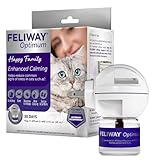
- HELPS REDUCE SIGNS OF STRESS USING A PATENTED PHEROMONE: FELIWAY Optimum is an advanced cat pheromone diffuser that helps reduce signs of stress in cats and helps ease tension between cats.*
- HELPS CATS FEEL CALM IN EVERYDAY SITUATIONS: FELIWAY Optimum is a cat calming diffuser that helps reduce stress‑related behaviors like urine spraying, scratching, hiding, and fearful reactions to change. Cat parents reported noticeable reductions in these behaviors, including a 77% reduction in urine spraying.
- SUPPORTS HARMONY IN MULTI‑CAT HOMES: Helps promote calmer interactions between cats. 72% of cat parents noticed reduced tension between their cats
- SAFE** AND NON-SEDATING: FELIWAY Optimum is not a sedative. It’s safe for use around cats, kittens, people and other pets.
- CONTINUOUS CALMING SUPPORT: This plug‑in cat pheromone diffuser provides 24/7 support when used as directed. To get started, plug into an open outlet with the vents pointed upward, allow at least 4 feet of clearance, and follow the label instructions.
Arrange a veterinary visit without delay if you notice:
- Weight loss, or a clear drop in appetite
- Straining, frequent trips to the litter box, urinating outside it, or blood in urine
- Sudden withdrawal, reluctance to jump, or changes in how she walks
- Excessive grooming, over-grooming of one area, or new aggression
- Any change that persists beyond a few days, or that gets worse
Tell your vet about recent household changes too. Stress and medical problems often overlap, and a vet can help work out which is driving the change.
What commonly stresses cats
Cats are territorial animals. FelineVMA notes that cats may feel threatened by unfamiliar people or environments and may be stressed by strong or unfamiliar smells and sounds. Cats Protection lists these common triggers:
- Other pets in the home, or unfamiliar cats outside the window or in the garden
- Moving home, or a change in the layout of the home
- Building work, fireworks, and loud or unpredictable noise
- A new baby or visiting guests
- Resources, such as litter boxes, food, or water, placed where the cat cannot reach them easily or feels exposed
- Unwanted handling
Individual cats differ in what bothers them. Some cats are relaxed about visitors and upset by a single new smell; others do the reverse. Some cats do not want to live with other cats at all. In multi-cat homes, FelineVMA notes that separate resources and territories can reduce tension.
Tension between cats is also easy to miss. The FelineVMA page for its webinar on the 2024 Intercat Tension Guidelines reports that 62.2% to 87.7% of households with two or more cats experience intercat tension, according to the association. This is a range for the households studied in that source, not a universal estimate for every home, and the page does not state a publication year. The page also notes that intercat tension is often unrecognized because the signs can be subtle. Readers who need the methods behind the figure should consult the 2024 guidelines themselves.
Rank #3

- HELPS REDUCE COMMON SIGNS OF TENSION BETWEEN CATS: FELIWAY MultiCat, developed by the #1 vet recommended brand, helps reduce common signs of tension between cats such as: conflict, fighting, chasing, and blocking
- ENHANCED CALM AT HOME FOR MULTICAT HOUSEHOLDS: FELIWAY MultiCat plug-in diffuser uses the science of pheromones to send calming messages that mimic a mother cat’s natural pheromones to help reduce tensions & conflicts. 84% of cat owners saw significant improvement in conflict between cats when using FELIWAY MultiCat
- DRUG FREE & SAFE TO USE: FELIWAY diffusers are drug-free, non-sedating, and while cat pheromone analogs may help your cat, they won't affect humans or other pets
- PROVIDES 4 WEEKS OF CALMING SUPPORT: With just one refill, the diffuser offers up to 30 days of continuous calming benefits, helping your cat feel calmer
- COVERS LARGE LIVING SPACES: Each diffuser covers an area up to 700sqft, ensuring widespread calming support throughout your home for cats of all ages. To get started, simply plug your diffuser into an open outlet with 4+ feet of space to diffuse, with the vents pointed upward
Eight ways to help a stressed cat
These actions are grouped by the problem they address. Start with the veterinary check if there is any health concern, then choose the one or two changes that match the trigger you suspect. Most cats improve gradually, so change one thing at a time where you can and give it time to work.
1. Arrange a veterinary check
Before making environmental changes, ask your vet to assess your cat, especially if weight, appetite, or litter box use has changed. A vet can rule out medical causes and may recommend environmental or routine changes as part of the plan. Cats Protection notes that a vet will often take this step first.
Do these 3 things before closing this tab:
1Fix the driver behind crashes, sound loss and screen glitches2Clear out junk files and repair common Windows errors3Scan for outdated or missing drivers - takes under a minute2. Provide a safe retreat
A cardboard box, a cat carrier with the door off, or a raised perch can give your cat a place to withdraw. FelineVMA recommends that the retreat allow the cat to enter and exit from at least two sides, so she is not trapped if she feels threatened. Do not force her into the space or try to coax her out. Place it somewhere quiet, away from the main traffic route, and let her choose whether to use it.
3. Give her separate, easy-to-reach resources
FelineVMA recommends placing key resources in more than one location and keeping them apart from each other. Cats Protection lists litter, food and water bowls, scratching space, a hiding place, and a bed as the basics. Give each one its own quiet spot, away from the litter box and feeding area. In multi-cat homes, duplicate these resources so that no cat has to pass another to reach them.
4. Offer play that lets her finish the hunt
FelineVMA recommends interactive toys that mimic prey, such as a feather wand or other interactive cat wand toy. The important feature is that the cat can catch the “prey” at least some of the time. Cats who never complete a hunt can become frustrated, so end each session with a catch, a short chase, or a treat. Keep sessions short and let your cat decide when she has had enough.
Rank #4

- HELPS REDUCE CAT STRESS: FELIWAY Classic is a cat calming diffuser that helps individual cats feel calm and reduce stress behaviors like scratching, urine spraying, and hiding
- CREATES A CALMING HOME ENVIRONMENT: FELIWAY Classic uses calming pheromone messages that cats naturally understand to help them feel comfortable and safe during everyday changes in routine or environment. 9 out of 10 cat parents noticed reduced urine spraying and 8 out of 10 saw reduced scratching
- SAFE* AND NON-SEDATING: FELIWAY Classic is not a sedative. It’s safe for use around cats, kittens, people and other pets.
- CONTINUOUS CALMING SUPPORT FOR SHARED SPACES: Plug‑in cat pheromone diffuser provides 24/7 calming support. To get started, plug into an open outlet with vents pointed upward and allow 4+ ft of clearance, and follow the label instructions.
- #1 VET RECOMMENDED BRAND**: FELIWAY is the #1 vet recommended brand, and is backed by 30 years of feline stress expertise
5. Use food-based foraging where suitable
Food puzzles and food balls mimic the work of hunting and feeding, and FelineVMA lists them as enrichment for cats. Use only part of the daily food allowance in these toys so you do not overfeed, and make sure the cat can access them without stress. A cat with weight concerns or a medical diet should have food portions confirmed with your vet first.
6. Keep interaction positive, predictable, and cat-led
FelineVMA recommends consistent, predictable interaction between people and cats, and respecting individual preferences. Cats Protection advises letting a cat move away rather than handling her when she is not keen. Approach at a steady pace, let her come to you, and keep handling short. Sit at her level, use the same routines at the same times, and avoid picking her up if she tenses or moves away.
7. Reduce avoidable sensory and social stressors
Look for noise, unfamiliar smells, and visitors that intrude on her territory. Keep her familiar bedding and scent objects in place when you move things, and avoid strong cleaning products or new air fresheners near her resources. Block sightlines to outdoor cats where you can, for example with frosted film or closed blinds. If another pet is causing tension, separate their access to resources and feeding areas.
Cats Protection mentions a plug-in pheromone diffuser, such as FELIWAY, as one possible aid. It should be used alongside medical and behavioral advice and may not be effective on its own. Treat it as a supplement to the changes above, not a replacement for them, and do not expect it to resolve a problem by itself.
8. Prepare for change and seek behavior support if problems persist
Plan ahead for moves, new people, renovation, or a new baby. Introduce changes gradually, keep her daily routine as steady as possible, and give her an extra retreat during the transition. If the signs continue after veterinary concerns are addressed and the environment has been adjusted, ask your vet for a referral to a qualified cat behaviorist. A behaviorist can help identify the cause and build a tailored plan.
What’s actually slowing this PC down?
Pick the symptom - the matching free tool is one click away.
Quick reference: how each action compares
The table below compares the eight actions by the trigger each one addresses, whether the cat can choose and leave, whether it has a no-cost alternative, and whether a vet or behaviorist should be involved. These are practical comparisons based on the needs-based advice above, not evidence of how well any action works compared with another.
| Action | Main trigger addressed | Cat can choose and leave? | No-cost alternative | Vet or behaviorist input |
|---|---|---|---|---|
| 1. Veterinary check | Possible medical cause | Not applicable | Not applicable | Vet required |
| 2. Safe retreat | Social and general threat | Yes | Yes, a cardboard box | Not required |
| 3. Separate resources | Resource competition | Yes | Yes, rearranging existing items | Not required |
| 4. Interactive play | Frustration and under-stimulation | Yes | Yes, a string or paper ball used with supervision | Not required |
| 5. Food foraging | Under-stimulation around feeding | Yes | Yes, scattering part of the meal | Vet advice if on a special diet |
| 6. Positive, cat-led interaction | Unwanted handling | Yes | Yes | Not required |
| 7. Sensory and social reduction | Noise, smells, visitors, other pets | Yes, when access is kept open | Yes, closing blinds or moving bedding | Not required; a diffuser should be used with advice |
| 8. Change planning and behavior support | Routine disruption and persistent problems | Depends on the change | Yes, a steady routine | Behaviorist if signs persist |
When to involve a qualified behaviorist
If the signs continue after a veterinary check and sensible environmental changes, a qualified cat behaviorist can help. Cats Protection recommends checking that the behaviorist belongs to a regulated body, such as ABTC, before booking. A behaviorist can observe the household, identify likely triggers, and recommend a tailored plan, which is more useful than trying one change after another without a clear target.
Quick Recap
The Bottom Line
“”
Product prices and availability are accurate as of the date/time indicated and are subject to change. Any price and availability information displayed on Amazon at the time of purchase will apply.




