
Do these 3 things before closing this tab:
1Repair Windows errors before they cause bigger problems2Scan for outdated or missing drivers - takes under a minute3Clear out junk files and repair common Windows errorsThere is no single best cat shampoo for dandruff. Flakes are a sign, not a diagnosis. A cat may be scaling because it is grooming poorly, has fleas or mites, allergies, infection, ringworm, an oily skin disorder, pain, obesity, a hormonal illness or, rarely, autoimmune disease. A shampoo can clean the coat or support treatment chosen by a veterinarian, but it cannot replace finding the cause.
This guide covers nine useful shampoo categories and explains when each may fit. No comparative 2026 trials or independently verified retail rankings establish that one commercial product outperforms another, so the options below are not a brand ranking. Use the categories to ask better questions of your veterinarian and to read a label critically.
As an Amazon Associate I earn from qualifying purchases.
First decide whether your cat needs a shampoo at all
A few isolated flakes can occur, but persistent, heavy or suddenly worsening scaling warrants a veterinary examination. Merck Veterinary Manual describes seborrhea as excessive scaling, including dandruff and follicular casts, and notes that most seborrheic animals have an underlying condition that also causes crusting, oiliness or inflammation. Seborrhea is reported more often in dogs than cats, so dog treatment schedules should not be transferred to a cat.
Dandruff is visible material, not a diagnosis. A veterinarian may need to determine whether the flakes are simply loose dead skin, a sign that your cat cannot groom effectively, or evidence of a skin or whole-body problem. The distinction matters because bathing a cat with the wrong product can add irritation while leaving the cause untreated.
#1 Best Overall

- Premium Cat Shampoo Formula - Deep cleansing and conditioning in one step.
- Safe for Cats & Kittens - Natural ingredients for sensitive skin.
- Gentle Cat Care - Vet-developed, gentle for regular use.
- Tear-Free & pH-Balanced – Hypoallergenic formula is safe for kittens and sensitive cats.
- Clean & Safe - Free from harsh chemicals, perfect for indoor cats.
PDSA and Texas A&M veterinary guidance identify reduced grooming, arthritis, pain, stiffness, excess weight, fleas, allergies, infection, ringworm, mites, lice, nutrition and hormonal disease such as hyperthyroidism among possible explanations. Cheyletiella mites can create “walking dandruff,” in which moving flakes are noticed along the coat. A cat that cannot reach its back because of pain or obesity may need treatment for that limitation rather than a stronger shampoo.
Watch how the change started. Flakes after a period of poor grooming, for example, suggest a different conversation from flakes accompanied by greasy fur, odor, bald spots or intense scratching. Note where the scale is located, whether it is dry or waxy, and whether other pets or people are itchy. Those observations help the clinician decide which tests and treatments are appropriate.
Arrange veterinary care promptly when you see these signs
- More than a few flakes, repeated recurrence or a rapid increase in scale
- Itching, redness, scabs, sores, odor, greasiness or hair loss
- Reduced grooming, stiffness, weight change, lethargy or other behavior changes
- A household person or animal develops suspicious skin lesions
- Your cat cries, resists or appears painful when its skin is touched
The veterinarian may examine skin scrapings, look for parasites, test for infection or ringworm, assess allergies and investigate systemic disease. Treating that cause is more important than masking flakes. If a cat has open sores or inflamed skin, Virginia Tech Veterinary Teaching Hospital advises skipping a bath and contacting the veterinary team instead.
The nine shampoo options worth considering
Think of these as decision categories, not nine proven winners. The correct choice depends on whether the coat is dry or oily, whether the skin is inflamed, and what diagnosis—if any—your veterinarian has made. A product can be excellent for one pattern and unsuitable for another.
| Option | Best fit | What to verify | Important limitation |
|---|---|---|---|
| 1. Gentle, hypoallergenic cleanser | Mild, occasional scale with no obvious oiliness or inflammation | Cat-specific label, mild cleansing base, complete rinse directions | Cleans the coat; it does not diagnose or cure an underlying disease |
| 2. Moisturizing cat shampoo | Dry-feeling coat or light scale when the skin is otherwise healthy | Cat formulation and directions that do not rely on heavy fragrance | May be unsuitable for greasy, infected or parasitized skin |
| 3. Fragrance-free sensitive-skin cleanser | Cats that react to scented products or need routine cleaning | Pet formulation, minimal additives and clear rinse instructions | “Natural” or fragrance-free wording does not prove medical effectiveness |
| 4. Veterinarian-selected anti-seborrhea shampoo | Diagnosed scaling that may be dry, waxy or oily | Intended condition, active ingredients, contact time and treatment frequency supplied by the veterinarian | A product for one dermatological pattern may worsen another |
| 5. Keratolytic or scale-lifting formula | Excess adherent scale when a veterinarian recommends loosening it | Exact ingredient and feline instructions; gentle application | Loose scale can look worse initially as it is lifted into the coat |
| 6. Sulfur- or salicylic-acid-based treatment | Selected cases of scale or keratin buildup under veterinary supervision | Cat safety, concentration, contact time and rinse requirements | These ingredient categories are not a universal feline regimen |
| 7. Selenium-sulfide treatment | Only a diagnosed condition for which a veterinarian chooses this ingredient | Product label and explicit feline directions | Do not borrow a dog schedule, dose or concentration |
| 8. Benzoyl-peroxide or degreasing treatment | Specific oily or follicular problems when prescribed | Whether the cat’s skin is dry, irritated or ulcerated; exact veterinary instructions | Degreasing can be inappropriate for simple dry flakes and may irritate damaged skin |
| 9. Medicated antimicrobial or antiparasitic shampoo | Confirmed or strongly suspected infection, mites or another treatable disorder | The diagnosed target, species safety, exposure time and whether additional medicine is needed | Shampoo alone may not eradicate parasites or systemic disease |
Merck Veterinary Manual lists sulfur, salicylic acid, tar, selenium sulfide and benzoyl peroxide among topical ingredient categories. Those examples show what a veterinarian might select for a diagnosed problem; they do not establish a safe over-the-counter feline schedule. Anti-seborrhea shampoos can range from dry-scale products to degreasers, and the University of Florida Small Animal Hospital guide warns that a shampoo appropriate for one condition may be wrong for another.
Read the entire label rather than choosing by a single ingredient name. Check that the species is listed as cat, the target problem is stated, dilution instructions are unambiguous, and the product explains how long it stays on the skin and how thoroughly to rinse. If any of those details are missing, ask the veterinarian or pharmacist before applying it.
Rank #2

- HYPOALLERGENIC FORMULA FOR SENSITIVE SKIN: Gentle shampoo made without harsh detergents, parabens, sulfates, or synthetic fragrances, reducing the risk of skin reactions during bathing for cats with dry, flaky, or reactive skin.
- SHEA BUTTER AND HONEY CONDITIONING: Shea butter and honey help moisturize and soften fur during the bath, supporting a coat that feels smoother and less dry after rinsing compared to basic cleansing-only formulas.
- PH BALANCED FOR FELINE SKIN: Formulated specifically for cats with a pH level suited to feline skin, which differs from human skin pH; using a cat-specific formula reduces the risk of skin barrier disruption during bathing.
- FRAGRANCE-FREE FOR CAT COMFORT: Contains no added fragrance, which helps reduce stress during bathing for cats sensitive to strong scents, and avoids exposing felines to artificial perfumes they may find irritating.
- GENTLE LATHER FOR MANAGEABLE BATHING: Light lather rinses clean without heavy residue, making it easier to fully remove shampoo from the coat during the rinse stage, which is often the most challenging part of bathing a cat.
How to choose among the categories
For a few flakes and a normal-looking coat
Ask your veterinarian whether a gentle, hypoallergenic or moisturizing cat shampoo is reasonable. Use the mildest cat-formulated option that matches the coat. If flakes persist after ordinary cleaning, stop escalating products and investigate the cause. A clean-looking coat after one bath does not prove the skin problem has resolved.
For an oily, waxy or foul-smelling coat
Do not automatically apply a moisturizer. Oily scale can accompany seborrhea, infection or another skin disorder. A veterinarian may choose an anti-seborrhea or degreasing formula and may combine it with other treatment. Ask whether the coat should be cleaned before a medicated product and whether the product is intended for repeated use.
For redness, itch, sores or hair loss
Skip experimentation. Inflamed or broken skin can sting, and bathing can spread discomfort. Virginia Tech Veterinary Teaching Hospital advises contacting a veterinarian rather than bathing a cat with inflamed skin, open sores or pain when touched. These signs can also indicate a parasite, allergy, infection or systemic illness that needs more than topical cleansing.
For suspected fleas, mites or ringworm
A shampoo may remove debris or form one part of a treatment plan, but it is not automatically a complete parasite or fungal cure. The household and other animals may also need evaluation, environmental control or prescription treatment. Cheyletiella, for example, can look like moving flakes; treating only the visible scale does not address transmission or reinfestation.
For a cat that is not grooming
Look beyond the bathroom. Arthritis, pain, stiffness and excess weight can prevent a cat from reaching parts of its coat. A veterinary examination can address mobility, weight, pain and any illness that reduces grooming. Gentle brushing may remove loose fur between visits, but it should never be forced over painful areas and it is not a dandruff cure.
Recommended Free Tools
Why human dandruff shampoo is a bad substitute
Do not use your anti-dandruff shampoo on a cat unless a veterinarian has specifically directed that exact product. Human formulas are designed for human skin chemistry and may contain fragrances, preservatives or active ingredients unsuitable for feline skin or ingestion during grooming. Ivan Ravera, a veterinary dermatologist at Virginia Tech Veterinary Teaching Hospital, explains: “Dog and cat skin is less acidic than ours. Human products disrupt your pet’s natural balance, creating conditions where harmful bacteria thrive.”
Rank #3

- HELPS SUPPORT HEALTHY SKIN - With a wash and soaking of the coat for 5-10 minutes, our powerful ingredients work to help soothe red, scaly, greasy, or smelly skin that may cause your pet discomfort
- FAST ACTING – Works fast to soothe your pet's sensitive skin that may be affected by environmental stressors
- VET-RECOMMENDED – This pet shampoo is pH balanced for your pet's skin and is paraben and soap-free to promote overall skin and coat health without damaging detergents
- FOR DOGS AND CATS – Our cat and dog shampoo is intended for pets over 12 weeks of age. Use twice weekly until skin clears up, then once a week to help maintain skin health
- APPLICATION: This product is intended for topical use only. Read directions carefully before applying to your pet's coat. Test on a small area to avoid further sensitivity before using
Even a human ingredient that sounds familiar is not automatically safe at a particular concentration or exposure time. A product may also be intended to be rinsed quickly from a human scalp, while a cat may lick residue from its coat for hours. Species labeling, veterinary direction and complete rinsing matter. The same caution applies to household soaps, essential-oil blends and dog products unless a veterinarian has confirmed that exact formula is appropriate.
How to bathe a cat safely
- Confirm the plan. For persistent or symptomatic dandruff, get a veterinary assessment before bathing. Ask which category, ingredient and frequency are appropriate, and whether bathing should wait until another treatment starts working.
- Read the label and measure supplies. Check species directions, dilution, contact time and rinse requirements. Gather the cat shampoo, several towels, a nonslip mat, a cup or gentle sprayer and lukewarm water before bringing in the cat.
- Brush before water. Remove tangles and loose fur gently with a suitable brush or comb. Stop at mats or painful skin and seek professional help rather than pulling. Brushing helps coat care but does not treat the cause of dandruff.
- Protect the face. Keep shampoo away from the eyes, ears, nose and mouth. Use a damp cloth around the face unless your veterinarian gives different instructions. Do not pour water over the head.
- Wet gradually. Use lukewarm water and calm handling. A frightened cat can injure itself or you; stop if handling becomes unsafe. A second person can help stabilize the cat without pinning it down forcefully.
- Apply only the directed amount. Work the product through the coat and onto the skin as the label or veterinarian instructs. Never improvise a concentration, substitute a different product or combine medicated shampoos without approval.
- Keep it on for the specified contact time. Virginia Tech notes that many veterinary medicated products require 10–15 minutes, while VCA cat guidance gives 5–10 minutes for some products. These ranges are not universal: the individual label and veterinarian’s directions control. Use a timer so you do not guess.
- Rinse exceptionally well. Remove all residue, because cats groom vigorously after bathing and leftover shampoo can irritate the skin. Rinse under the belly, between legs and through a dense coat, where product can remain hidden.
- Dry and observe. Towel-dry gently, keep the cat warm and offer a quiet room. Avoid hot air and vigorous rubbing. Watch for increased redness, pain, drooling, vomiting or breathing trouble. Contact a veterinarian if a reaction occurs.
- Record what happened. Note the product, date, contact time and any reaction. This information helps the veterinarian decide whether to repeat, change or stop the treatment.
Virginia Tech says cats generally do not need baths unless a condition makes self-grooming difficult. Bathing is therefore an intervention, not a routine requirement for every flaky coat. If the cat becomes distressed, a veterinary clinic or professional groomer experienced with cats may be safer than repeated attempts at home.
Common mistakes and what to do instead
- Bathing every time flakes appear: frequent washing can irritate skin and distract from a medical cause. Reassess rather than increasing frequency on your own.
- Using a dog product or dog schedule: species, concentration and contact-time assumptions do not transfer safely. Obtain feline directions.
- Scrubbing hard to remove scale: vigorous rubbing can damage inflamed skin. Let a prescribed product loosen material as directed.
- Leaving residue behind: rinse until the water runs clear and the coat feels free of product.
- Bathing a painful cat: pain, arthritis and stiffness may explain poor grooming. Treat the underlying problem and use low-stress handling.
- Changing several products at once: if the skin worsens, you will not know which product caused the reaction. Change only with veterinary guidance.
- Assuming a stronger smell means better treatment: fragrance does not establish efficacy and may bother sensitive cats.
- Assuming supplements replace diagnosis: PDSA notes that a veterinarian may recommend supplements, including fish-oil products, for an otherwise healthy cat; they are not a universal dandruff treatment.
- Stopping after visible flakes disappear: follow the prescribed course and recheck if scaling returns. Appearance alone cannot confirm that parasites, infection or an internal illness is resolved.
A practical buying checklist
- Is the product explicitly formulated and labeled for cats?
- Does the intended use match dry scale, oily seborrhea, infection or another diagnosed condition?
- Are the active ingredients and their purpose stated clearly?
- Does the label give a feline contact time, dilution and rinsing method?
- Has your veterinarian approved it for this cat’s age, health and skin condition?
- Does the formula avoid relying on heavy fragrance or unsupported “natural” claims?
- Can you stop using it and obtain help if redness, pain or other reactions develop?
- Will you be able to rinse every part of the coat thoroughly?
For routine cleaning, a gentle cat cleanser is the most defensible starting category when a veterinarian has ruled out significant disease. For anything persistent, oily, itchy, infected-looking or painful, the best “shampoo” is the one selected as part of a diagnosis-led treatment plan—not the one with the strongest marketing claim.
What’s actually slowing this PC down?
Pick the symptom - the matching free tool is one click away.
What is—and is not—known about “the best” shampoo in 2026
Merck’s May 2025 update, PDSA’s August 2020 feline advice, Virginia Tech’s January 22, 2026 bathing guidance, VCA’s cat-grooming guidance and the University of Florida client guide support careful category selection, species-appropriate products, exact directions and thorough rinsing. They do not provide a verified nine-product ranking, current retail performance comparison, feline dandruff prevalence statistic or shampoo-effectiveness statistic. Treat any list claiming a universally best cat dandruff shampoo with caution unless it provides product-specific feline evidence and a clearly described test.
Independent reader supportYour contribution helps us test, update, and keep practical guides available for everyone.Frequently asked questions
Can I use my anti-dandruff shampoo on my cat?
Not unless your veterinarian has specifically approved that exact product and instructions. Human formulas can disrupt feline skin balance, contain unsuitable ingredients and leave residue that a cat will ingest while grooming.
Can I use human dandruff shampoo on my cat?
The safe default is no. Human products are made for human skin and are not automatically safe at feline concentrations or contact times. Ask for a cat-formulated or veterinarian-selected alternative.
Rank #4
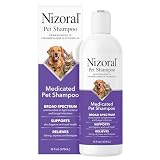
- Powerful Chlorhexidine Formula: Advanced ketoconazole shampoo with 1% ketoconazole and 2% chlorhexidine gluconate supports pets with stubborn skin concerns, offering effective antifungal dog shampoo and antimicrobial benefits.
- Antimicrobial Support: Nizoral's antimicrobial medicated dog shampoo for smelly dogs helps reduce irritation, itch, and odor while supporting healthier skin and coat comfort. Use 2-3 times per week as needed or as directed by your veterinarian.
- Medicated Relief for Irritated Skin: Nizoral s dog and cat shampoo with its soothing medicated formula helps calm itchy, irritated skin and ease discomfort without harsh additives. Gentle enough for regular use, it provides comforting relief.
- Ideal for Hot Spots, Odor, and Persistent Irritation: Targets problem areas as a hot spot shampoo for dogs, reducing odor and buildup while promoting cleaner, healthier skin perfect for pets needing a stronger medicated shampoo for dogs
- Gentle Care for Dogs and Cats: This gentle Nizoral chlorhexidine shampoo for dogs and cats is safe for multi-pet homes and works well as a cat wash or shampoo for dogs with itchy skin, providing a versatile option for overall coat maintenance.
Is a little dandruff normal?
PDSA notes that a small amount can occur, but more than a few flakes, recurrence or accompanying itch, redness, odor, hair loss, poor grooming or behavior change merits veterinary advice.
Crashes, No Sound, or Screen Glitches?
Random freezes, missing sound and display glitches usually trace back to one bad driver. Find and replace yours safely.Free scan · under a minutePC Slower Than It Used to Be?
A free scan shows the junk files, broken settings and background clutter dragging Windows down - then fixes them in one click.Free scan · Windows 10 & 11Will shampoo cure my cat’s dandruff?
Only if the underlying problem is one the selected product is intended to help, and even then shampoo may be only one part of care. Parasites, infection, allergies, pain, obesity and hormonal illness require cause-specific management.
Which ingredient is best: sulfur, salicylic acid, selenium sulfide or benzoyl peroxide?
There is no universally best ingredient. Merck lists these as topical categories used for particular problems, but choice depends on whether scaling is dry, oily, adherent or associated with another disease. A veterinarian should select the ingredient, concentration and schedule for a cat.
How long should medicated shampoo stay on?
Follow the individual label and veterinary instructions. Virginia Tech notes that many products require 10–15 minutes, while VCA describes 5–10 minutes for some cat products. Those ranges demonstrate variation, not a universal rule.
How often should I bathe a cat with dandruff?
There is no safe blanket frequency. Cats generally do not need baths unless a condition interferes with self-grooming, and medicated schedules depend on the diagnosed condition and formula. Do not increase frequency because flakes remain.
The Tool Desk
Outbyte PC Repair FREEClear out junk files and repair common Windows errorsFree Scan →Outbyte Driver Updater FREEScan for outdated or missing drivers - takes under a minuteDriver Scan →Should I bathe a cat with red or open skin?
No. Virginia Tech advises contacting a veterinarian instead when skin is inflamed, open or painful. Bathing can sting and may worsen distress.
Best Value
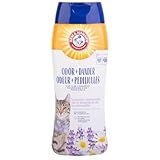
- 2-IN-1 CAT SHAMPOO: Liquid cat shampoo helps reduce dander buildup while deodorizing the coat in one wash, giving pet parents a single grooming step for odor control and coat cleaning; 20 fl oz bottle suits routine cat bathing at home
- BAKING SODA ODOR CARE: Arm & Hammer baking soda helps neutralize unwanted cat odors and reach hard-to-clean areas during bathing; formula is made for cats that need coat freshening and regular cleanup when dander buildup contributes to odor
- LAVENDER CHAMOMILE: Lavender and chamomile help freshen the coat with a light scent while supporting a calmer bath routine; grooming formula cleans the coat and helps moisturize dry skin conditions that can contribute to visible dander buildup
- DANDER REDUCING USE: Regular cat bathing with this shampoo helps wash away dander buildup from the coat and skin, making it a practical option for cat grooming routines focused on fresher coats, cleaner fur, and less loose visible debris
- CAT ONLY FORMULA: This shampoo is intended for cats and is made for wet bath use as part of normal grooming care; use on the coat during bathing, then rinse thoroughly, and keep the formula away from the cat's eyes and mouth during use
Can brushing remove dandruff?
Gentle brushing can remove loose fur and material and can reveal changes in the skin, but it is not a cure. Stop over painful areas, mats or sores and address the reason grooming has declined.
Could dandruff spread to people or other pets?
Some causes, including parasites or ringworm, can affect other animals or people. If anyone or any animal in the household develops suspicious skin lesions, tell the veterinarian promptly and follow advice about testing and environmental control.
Are fish-oil supplements a treatment?
PDSA says a veterinarian may recommend supplements such as fish-oil products for an otherwise healthy cat. They are conditional supportive care, not a universal replacement for diagnosis or prescribed treatment.
Frequently Asked Questions
What should I do first when I notice flakes?
Check for itch, redness, odor, greasiness, hair loss, poor grooming, pain or behavior changes, then contact a veterinarian if flakes persist or any warning sign is present. Do not begin with a human or dog shampoo.
Can I choose a medicated shampoo from the ingredient list alone?
No. Ingredient choice depends on the diagnosed condition, coat oiliness and skin integrity. Ask the veterinarian to confirm the product, feline safety, concentration, contact time and frequency.
Why can flakes look worse after a treatment bath?
Merck notes that keratolytic products can initially catch and lift loose scale into the coat, making it more visible. Report worsening irritation, pain or other concerning changes rather than repeating the bath on your own.
What if my cat will not tolerate bathing?
Stop if handling becomes unsafe or highly distressing. Ask the veterinary team about treating the underlying cause, alternative topical methods or a professional cat groomer experienced in low-stress handling.
The Bottom Line
Bottom line: Dandruff is a symptom, not a shopping specification. For a few flakes on an otherwise healthy cat, ask your veterinarian about a gentle, cat-formulated cleanser and rinse it completely. Persistent, oily, itchy, painful, foul-smelling or recurrent scaling needs a diagnosis; a veterinarian may select a condition-specific medicated product and schedule. Never substitute human shampoo, borrow a dog regimen or assume that a stronger formula is safer or more effective.
Quick Recap
Product prices and availability are accurate as of the date/time indicated and are subject to change. Any price and availability information displayed on Amazon at the time of purchase will apply.





Leave a Reply