
Quick wins for a faster PC:
Fix the driver behind crashes, sound loss and screen glitchesFind Drivers →Clear out junk files and repair common Windows errorsFree Scan →Some links on this page are affiliate links: if you buy through them we may earn a commission, at no extra cost to you.
Offering nesting material can help wild birds find useful fibers close to cover, but the wrong item can tangle a leg, collapse when wet, or expose a bird to chemicals. The safest choices are ordinary, untreated materials that birds could find in a healthy yard. Put out only small amounts, keep them loose, and let birds decide whether to use them.
9 safe nesting materials for wild birds
Different species build very different nests, so a bird may ignore one material and collect another. That is normal. Do not place material in or beside an occupied nest; offer it nearby and avoid repeated visits to see whether anything has been taken.
As an Amazon Associate I earn from qualifying purchases.
Free tools Windows power users keep installed
One-click scans. No signup required.
1. Dead twigs and small sticks
Short, dry twigs are useful for the outer framework of many cup nests. Leave them in a loose pile or add them to an existing brush pile near shrubs or trees.
Use only naturally dead, untreated wood. Avoid painted, stained, pressure-treated, or chemically sprayed branches. Remove unusually sharp or splintered pieces.
Popular on Amazon

- Mixed Nesting Material: The bird nest material is made of high-quality jute silk, straw, cotton, agave sisalana in proportion, which is very suitable for making bird's nest. Your pet bird will feel warm and comfortable
- About the Bird Nesting Material: It is dry, soft and flexible,since it is dust-free,there are not many particles. This makes cleaning your pet's cage much easier
- Suitable for Bird Nesting: Mixed nesting materials are very helpful for nesting birds, which are excellent bird nesting material for wild birds. Small birds such as budgies, parrots, finches, canaries can build a warm, comfortable and clean nest with these materials
- Enough Materials: Total weight 80 G, you are free to make large and small bird nests without any restrictions
- As a Gift: Hang the nest and watch the birds nesting and feeding with your family. It is the best gift for nature lovers, bird lovers and family members
2. Dead leaves
Leaf litter can become nest material while also giving insects and other small creatures shelter. Leaving some leaves beneath hedges, shrubs, and trees is often better than gathering them into a dispenser.
Do not offer leaves contaminated with lawn chemicals, mold, oil, or animal waste. A loose layer on the ground is preferable to a tightly packed container.
Outdated Drivers Are Slowing You Down
One free scan finds every outdated or missing driver and matches the right update for your exact hardware.Free scan · exact hardware matchPC Slower Than It Used to Be?
A free scan shows the junk files, broken settings and background clutter dragging Windows down - then fixes them in one click.Free scan · Windows 10 & 113. Dry, untreated grass
Short, dry blades can be woven into a nest. Grass clippings are suitable only when they come from a lawn that has not been treated with pesticides, herbicides, fertilizers, or other chemicals.
Never offer wet clippings or a damp heap. They can ferment, become moldy, and create a poor nesting environment.
4. Small pieces of straw
Clean, dry straw can be left in a loose pile or an open-topped basket. It provides flexible plant material without requiring birds to pull apart a large bundle.
Also popular on Amazon

- 1. All-Natural Nesting Blend – Includes Coconut Fiber, Kapok Fiber (Cotton), & Palmyra Fiber – a twig alternative – perfect for nest building in wild birds, pet birds & small animals.
- 2. Safe – Our bird nesting material is free from synthetic fibers, dyes – making it safe for backyard birds, finches, parakeets, parrots, and pet cages.
- 3. Versatile Use for All Seasons – Ideal for birdhouses, nesting boxes, outdoor feeders, and even hamster cages or gerbil bedding. Great for spring nesting & winter insulation.
- 4. Encourages Natural Instincts – Supports nesting behavior in wild birds & indoor pets. Perfect enrichment for small pets like hamsters, guinea pigs, rabbits & lovebirds.
- 5. Mess-Free, Easy to Use Packaging – Comes in a resealable 2.1 oz bag for easy dispensing. Lightweight nesting filler suitable for hanging feeders, bird boxes & wildlife sanctuaries.
Check the source before using it. Do not offer straw treated with pesticides, mold inhibitors, dyes, preservatives, or other chemicals.
5. Naturally shed feathers
Clean, dry feathers can serve as soft lining or insulation. Place naturally shed feathers where birds can take them without attaching them to anything.
Never tie feathers together with thread, wire, string, or ribbon. Do not collect feathers from an active nest, and avoid handling wild birds or their nests unnecessarily.
6. Moss
Loose moss can provide fine vegetation for nest construction or lining. Offer small, dry pieces from a clean source rather than moss treated for floral displays or crafts.
Skip moss containing preservatives, dyes, glitter, wire, or floral chemicals. If it is wet, sour-smelling, or visibly moldy, discard it.
The Tool Desk
Outbyte PC Repair FREEClear out junk files and repair common Windows errorsFree Scan →Outbyte Driver Updater FREEScan for outdated or missing drivers - takes under a minuteDriver Scan →Also popular on Amazon

- ✔ NATURAL - Made from 100% natural Virginia-grown cotton
- ✔ NESTING - Encourages natural burrowing and nesting instincts for sugar gliders, rats, squirrels and other rodents
- ✔ ECO-FRIENDLY - Made from a sustainable resource and is recyclable
- ✔ SAFE - Fluffy dye-free material
7. Untreated bark strips
Loose strips of untreated bark can add flexible structural material. Fibrous bark from dead grapevines and other suitable plants may be collected by some birds.
Do not use bark from treated landscaping, painted wood, preserved timber, or plants recently sprayed with pesticides. Leave thick, hard chunks and sharp fragments out of the offering.
8. Pine needles
Dry pine needles are a natural nesting material and can be left loose beneath a pine tree or in a shallow, open container. Birds can select the length and quantity they need.
Do not bundle needles with twine, wire, tape, or elastic. Avoid needles exposed to herbicides, pesticides, road salt, or other contaminants.
Recommended Free Tools
9. Plant fluff and down
Natural fibers such as cattail fluff, cottonwood down, and milkweed fluff may be used as soft nest lining. The most dependable way to provide them is to grow native plants and leave seed heads and fibrous stems standing through the nesting season.
Also popular on Amazon

- 【100% Natural Nesting Material Mix】Made from hemp fiber, hemp rope, cotton, rice straw —free from synthetic fibers, plastic and added dyes that helps create warm, cozy nests and resting areas for birds and small pets.
- 【Bird-Safe Short Fibers】Carefully selected short fibers help reduce the risk of tangling around birds’ feet, toes, wings or beaks, making them a safer nesting choice for adult birds, eggs and delicate hatchlings.
- 【4 Natural Components for a Comfortable, Insulated & Stable Nest】The lightweight, breathable fibers—soft cotton and hemp fibers—are easy for birds to pull and carry, helping them create soft, comfortable nests with natural insulation and healthy airflow around eggs and chicks. Short hemp rope pieces and rice straw add firmness, shape, and structural support for a stable, well-built nest.
- 【Ready to Use Nest Making Kit】Simply place small portions inside bird cages, nest boxes, material holders, aviaries, coops or other sheltered habitats. The mix can also be offered in outdoor nesting stations near shrubs or tree branches, allowing birds and small pets to select, carry and arrange the materials to suit their own nesting space.
- 【For A Variety of Birds and Small Animals 】Suitable for finches, canaries, parakeets, budgies, lovebirds, cockatiels and other small companion birds, as well as hummingbirds, bluebirds, goldfinches, chickadees, robins, wrens, barn swallows, cardinals and sparrows. The dry natural mix may also be offered as supplemental nesting or bedding material for hamsters, gerbils, guinea pigs and rabbits.
Harvesting a little from a clean plant is different from stripping large amounts from the wild. Do not offer dyed craft fiber, synthetic stuffing, or fluff from a plant treated with chemicals.
How to put nesting material out safely
- Check the material. It should be dry, clean, untreated, and free of long fibers, sharp pieces, mold, and animal waste.
- Use loose portions. Put out a small handful or a few short pieces at a time rather than making one large, conspicuous pile.
- Choose a safe holder. An open-topped berry basket, shallow basket, or clean wire suet cage with wide openings can work. The container must have no sharp edges, narrow holes, or loose netting.
- Place it near cover. Set it near shrubs or trees, where birds can collect material quickly, but not directly beside an active nest.
- Refresh rather than top up contamination. Remove wet, moldy, dirty, or windblown material and replace it with a small clean amount.
- Watch from a distance. Do not approach a nest, move branches to look inside, or repeatedly check whether birds have taken anything.
Materials that should stay out of the yard
| Do not offer | Why it is risky |
|---|---|
| Yarn, string, thread, and ribbon | Long fibers can wrap around legs, wings, or necks. A strand may tighten as a nestling grows. Even short cotton yarn is no longer recommended by Cornell NestWatch. |
| Human hair | It is long, thin, and strong enough to constrict a bird’s leg or wing. |
| Dryer lint | It can contain synthetic fibers and detergent residues, loses structure when wet, and may leave weak spots or holes in a nest. |
| Plastic, tinsel, cellophane, and aluminum foil | These materials can entangle birds and remain in the environment after a nest breaks down. |
What about pet fur?
Pet fur is not automatically a safe nesting material. If you choose to offer a small amount, the animal must not have received flea or tick treatment that could remain in the hair. Avoid very soft undercoat fur and fine rabbit fur, which can absorb water and make a nest damp.
Never put fur out if you cannot verify its treatment history. Untreated plant material is the simpler and safer option for most pet owners.
Do these 3 things before closing this tab:
1Clear out junk files and repair common Windows errors2Scan for outdated or missing drivers - takes under a minute3Repair Windows errors before they cause bigger problemsWhy natural materials are the better default
A wild bird may use a material simply because it is available, not because it is harmless. Natural twigs, leaves, grass, bark, and plant fibers break down more safely and resemble what birds encounter in their habitat. Synthetic strips, chemically treated products, and long flexible fibers can create hazards that are not obvious from the ground.
Birds do not need a perfectly stocked nesting station. A yard with native plants, leaf litter, brush piles, mature shrubs, and fewer pesticides may provide more useful nesting resources than a container filled with manufactured fibers.
Also popular on Amazon
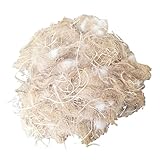
- Natural Mixing Nesting Material Pads - Use high-quality jute silk, hemp rope, cotton, wool natural materials mixed in proportion, pure natural and pollution-free, which is more healthy and safe for your pet.
- Mixing nesting material is great for birds to build nests. Small birds such as budgies, parakeets, finches, canaries and so on can use these material to build a warm, comfortable, and clean nest.
- Mixing nesting material is not only suitable for birds, but also for small furry animals like hamsters, rabbits, guinea pigs, etc. They will like the bedding material of this natural plant.
- Natural mixing nesting material, high filling power, sufficient elasticity, soft and tough, lustre downy, warm and comfortable to use. The fiber material is very clean, moisture-proof, odor-proof, more healthy and safe for pets.
- This mixed mat makes a perfect alternative to standard bedding and nesting materials. Very dry and not damp. Since it’s dust free, it doesn’t have many particles. This makes it easier to clean your pet’s cage.
For additional guidance, see the Cornell Lab of Ornithology’s nesting-material advice and Audubon’s safety recommendations.
FAQ
Should I put nesting material inside a birdhouse?
Usually no. Leave safe material nearby so birds can choose and carry it themselves. Adding material to a nest box can interfere with the species’ preferred nest depth and may disturb an existing nest.
What’s actually slowing this PC down?
Pick the symptom - the matching free tool is one click away.
Can I offer cotton or yarn if I cut it into short pieces?
It is best not to. Fibers can still tangle birds, and Cornell NestWatch no longer recommends cotton yarn or thread as nesting material. Choose short, untreated plant material instead.
Is dryer lint safe for birds?
No. Dryer lint can contain synthetic fibers and laundry residues, breaks down when wet, and may produce a weak nest with holes.
How close should nesting material be to a bird nest?
Place it near suitable shrubs or trees, but not directly beside an occupied nest. Keep your distance and avoid returning repeatedly to inspect the nest or dispenser.
The Bottom Line
Leave out small amounts of clean, dry, untreated twigs, leaves, grass, straw, feathers, moss, bark, pine needles, or natural plant fluff. Keep out yarn, hair, dryer lint, plastic, foil, and anything wet, chemically treated, sharp, or stringlike.





Leave a Reply