Free tools Windows power users keep installed
One-click scans. No signup required.
A sudden change in a dog’s behavior deserves veterinary attention. Aggression describes what a dog does, not why; fear, anxiety, uncertainty, previous learning, pain, illness, or environmental changes may contribute, and several factors can overlap.
For now, prioritize safety: avoid known or suspected triggers, use separation or barriers only when they can be managed safely, and do not test the dog’s tolerance or punish it. Contact your veterinarian to assess possible medical contributors and plan next steps.
Contact a veterinarian about a sudden change
Arrange veterinary assessment for new or worsening aggression, especially when the change is abrupt or appears alongside changes in the dog’s health or behavior. The veterinarian can take a history, perform an examination, and recommend diagnostic tests when indicated. The Merck Veterinary Manual notes that pain, illness, and behavioral factors may contribute.
If someone has been bitten or there is immediate danger, prioritize safe separation and seek appropriate urgent medical or veterinary help. Avoid handling or restraining an aggressive dog in a way that could put someone at risk.
#1 Best Overall
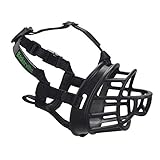
- DOGS CAN PANT AND DRINK: The Baskerville Ultra Muzzle PATENTED HUMANE DESIGN allows dogs to pant (when hot or stressed) and drink. SUITABLE FOR DAILY WALKS and longer periods of wear.
- SHAPE FOR CUSTOM FIT: Like a mouth-guard, the Ultra Muzzle can be HEAT SHAPED using warm water to fit DIFFERENT DOG NOSE SHAPES. See fitting guide for more info and to find the BEST SIZE for your dog.
- IDEAL FOR REACTIVE DOGS: you can TRAIN and REWARD treat your dog if they are reactive around other dogs, people or in new situations like the vet.
- STRONG & SAFE: Built with strong Thermo Plastic Rubber (TPR) the Ultra Muzzle is SAFE TO PREVENT BITES. Extra secure with LOCKABLE NECK STRAP CLIP, HEADSTRAP and COLLAR ATTACHMENT if needed.
- COMFORTABLE FIT: Comes in 6 sizes with PADDED STRAPS and NO METAL WORK ON DOGS FACE. Great for dog owners looking for SMALL, MEDIUM or LARGE sized dog muzzles.
What to do while arranging help
- Avoid triggers. Keep the dog away from situations known or suspected to provoke a reaction. Do not force an interaction or test whether the dog is “over it.”
- Use safe separation. Separate the dog from people or animals when you can do so safely. Use barriers only if they can be managed reliably; do not approach or handle the dog if doing so could cause another incident.
- Keep an incident log. Note the date and setting, who or what was nearby, what happened just before the response, what the dog did, whether anyone was injured, and any recent health, household, or routine changes. This information can help the veterinarian identify patterns and triggers.
- Contact your veterinarian. Explain when the behavior began, what happened, and whether you have noticed other changes. Ask whether a referral to a qualified behavior professional is appropriate.
Why a dog may seem suddenly aggressive
A response that seems sudden may follow subtle signs people did not notice, or a change in circumstances that makes a situation harder for the dog to manage. Aggression is not, by itself, evidence that a dog is trying to dominate someone. Veterinary references describe possible contributors including fear, anxiety, uncertainty or conflict, previous learning, pain, and some medical conditions. These possibilities require assessment; they cannot be diagnosed from a description alone.
Pain, illness, or other medical factors
Pain or illness can cause or worsen defensive behavior. Neurologic, hormonal, infectious, toxic, or medication-related problems may also be relevant in some cases. Tell the veterinarian about the timing of the change and any other health or behavior changes. Do not assume that a dog is healthy simply because the behavior appears to have a clear trigger.
Fear, anxiety, uncertainty, and learning
A dog may react when it feels frightened, anxious, uncertain, or in conflict. Previous experiences can also shape how it responds. The same outward behavior can have different causes, so identifying the circumstances and sequence of an incident can help guide assessment and treatment.
Rank #2
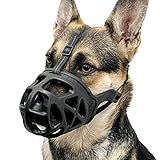
- The Only Muzzle You Need: Say goodbye to your old muzzle. The BARKLESS practical muzzle has features you need to prevent your dog from nipping, destroying, fighting and digging and eating everything while the basket-style design gives all-around mouth protection allowing your pet unrestricted drinking and panting. This muzzle for dogs make it the ideal choice for reactive dogs’ daily walks, occasional use, dog park socialization, grooming, vet visits, training, traveling, and walking
- Safe & Humane: Friendly dog muzzles are more pliable and softer, making them comfortable for the dog. Humane muzzle for dogs allow your dog to pant, drink and treat train while being worn with the uniquely designed bar spacing which forms the canine muzzle
- Easy to Use: Comfort-fit design for most sizes of breeds with adjustable head and neck straps allow you to quickly adjust the size to fit your dog, making it ideal for the puppy, small, medium, and large dogs. The twist on each side of the strap is part of a unique design, ensuring a better fit for your dog’s head shape. This is a thoughtful feature, not a defect, aimed at providing a more comfortable and secure fit
- Prevent Muzzle Slippage: An incorrect size, improper fit, or lack of muzzle training can cause the dog to remove the cage muzzle. Adjust the straps to ensure a snug fit—secure enough to keep the basket muzzle for dogs in place without causing discomfort. Check the head strap to prevent slippage. Refer to the included instructions to help your dog adjust to the dog muzzles to prevent biting
- Desensitizing Your Dog to a Muzzle: Many dogs may resist wearing cage muzzles for dogs initially, especially if they've never worn one before. To help them adjust, use gradual desensitization training—start with short periods and reward calm behavior. Over time, your dog will accept it as part of their routine
Changes in the home or routine
Changes in the environment or schedule may affect a dog’s behavior. For dogs who live together, possibilities to discuss with a veterinarian include a new house guest, construction, altered access to a resting place, increased exposure to a trigger, or a schedule change. These are potential contributing factors, not a remote diagnosis.
Do these 3 things before closing this tab:
1Fix the driver behind crashes, sound loss and screen glitches2Clear out junk files and repair common Windows errors3Scan for outdated or missing drivers - takes under a minuteHow aggression is assessed and treated
Treatment is individualized. A veterinary assessment may investigate pain or illness and consider the dog’s history, behavior, and circumstances. The plan may combine management of the environment, reward-based behavior modification, and veterinary treatment of an underlying condition. Medication may be considered when appropriate, but owners should not start or change medication without veterinary direction.
Known triggers should be reintroduced gradually only as part of a suitable plan. Avoid punishment, intimidation, and confrontational methods: the Merck Veterinary Manual’s guidance on behavior modification cautions against punishment-based or confrontational approaches that may increase fear and aggression.
Rank #3
- The Only Muzzle You Need: Say goodbye to your old muzzle. The BARKLESS practical muzzle has features you need to prevent your dog from nipping, destroying, fighting and digging and eating everything while the basket-style design gives all-around mouth protection allowing your pet unrestricted drinking and panting. This muzzle for dogs make it the ideal choice for reactive dogs’ daily walks, occasional use, dog park socialization, grooming, vet visits, training, traveling, and walking
- Safe & Humane: Friendly dog muzzles are more pliable and softer, making them comfortable for the dog. Humane muzzle for dogs allow your dog to pant, drink and treat train while being worn with the uniquely designed bar spacing which forms the canine muzzle
- Easy to Use: Comfort-fit design for most sizes of breeds with adjustable head and neck straps allow you to quickly adjust the size to fit your dog, making it ideal for the puppy, small, medium, and large dogs. The twist on each side of the strap is part of a unique design, ensuring a better fit for your dog’s head shape. This is a thoughtful feature, not a defect, aimed at providing a more comfortable and secure fit
- Prevent Muzzle Slippage: An incorrect size, improper fit, or lack of muzzle training can cause the dog to remove the cage muzzle. Adjust the straps to ensure a snug fit—secure enough to keep the basket muzzle for dogs in place without causing discomfort. Check the head strap to prevent slippage. Refer to the included instructions to help your dog adjust to the dog muzzles to prevent biting
- Desensitizing Your Dog to a Muzzle: Many dogs may resist wearing cage muzzles for dogs initially, especially if they've never worn one before. To help them adjust, use gradual desensitization training—start with short periods and reward calm behavior. Over time, your dog will accept it as part of their routine
When to seek behavior expertise
Ask your veterinarian about referral to a board-certified veterinary behaviorist or another appropriately qualified professional when aggression is moderate, severe, unpredictable, difficult to manage, or otherwise complex. A professional can help tailor behavior work to the dog’s circumstances and coordinate it with veterinary care.
Using a muzzle as a safety measure
A muzzle may be one conditional safety measure during behavior treatment, but it does not diagnose or cure aggression and is not appropriate for every situation. The Merck Veterinary Manual identifies muzzles as a possible aid to safety during treatment. Ask your veterinarian or behavior professional whether one is appropriate, how it should fit, and how to condition the dog to wear it gradually.
Frequently Asked Questions
Is sudden aggression always caused by pain?
No. Pain and illness are possible contributors, but fear, anxiety, uncertainty, previous learning, and environmental changes may also play a role. A veterinarian can assess the dog and determine what further evaluation is appropriate.
Rank #4
- DOGS CAN PANT AND DRINK: The Baskerville Ultra Muzzle PATENTED HUMANE DESIGN allows dogs to pant (when hot or stressed) and drink. SUITABLE FOR DAILY WALKS and longer periods of wear.
- SHAPE FOR CUSTOM FIT: Like a mouth-guard, the Ultra Muzzle can be HEAT SHAPED using warm water to fit DIFFERENT DOG NOSE SHAPES. See fitting guide for more info and to find the BEST SIZE for your dog.
- IDEAL FOR REACTIVE DOGS: you can TRAIN and REWARD treat your dog if they are reactive around other dogs, people or in new situations like the vet.
- STRONG & SAFE: Built with strong Thermo Plastic Rubber (TPR) the Ultra Muzzle is SAFE TO PREVENT BITES. Extra secure with LOCKABLE NECK STRAP CLIP, HEADSTRAP and COLLAR ATTACHMENT if needed.
- COMFORTABLE FIT: Comes in 6 sizes with PADDED STRAPS and NO METAL WORK ON DOGS FACE. Great for dog owners looking for SMALL, MEDIUM or LARGE sized dog muzzles.
Should I test whether my dog is over it?
No. Avoid known or suspected triggers while arranging help. Forcing an interaction or testing tolerance can create another unsafe situation. Any gradual reintroduction should be part of an appropriate professional plan.
Should I punish my dog for aggression?
No. Avoid punishment, intimidation, and confrontation. These methods can increase fear and aggression. Focus on safe management and consult your veterinarian about assessment and treatment.
Does a muzzle cure aggression?
No. A muzzle may be a conditional safety aid during behavior treatment, but it does not address the underlying cause. Ask a veterinarian or qualified behavior professional whether it is suitable and how to introduce it gradually.
Best Value
- DOGS CAN PANT AND DRINK: The Baskerville Ultra Muzzle PATENTED HUMANE DESIGN allows dogs to pant (when hot or stressed) and drink. SUITABLE FOR DAILY WALKS and longer periods of wear.
- SHAPE FOR CUSTOM FIT: Like a mouth-guard, the Ultra Muzzle can be HEAT SHAPED using warm water to fit DIFFERENT DOG NOSE SHAPES. See fitting guide for more info and to find the BEST SIZE for your dog.
- IDEAL FOR REACTIVE DOGS: you can TRAIN and REWARD treat your dog if they are reactive around other dogs, people or in new situations like the vet.
- STRONG & SAFE: Built with strong Thermo Plastic Rubber (TPR) the Ultra Muzzle is SAFE TO PREVENT BITES. Extra secure with LOCKABLE NECK STRAP CLIP, HEADSTRAP and COLLAR ATTACHMENT if needed.
- COMFORTABLE FIT: Comes in 6 sizes with PADDED STRAPS and NO METAL WORK ON DOGS FACE. Great for dog owners looking for SMALL, MEDIUM or LARGE sized dog muzzles.
When should I ask about a veterinary behaviorist?
Ask your veterinarian about a referral when aggression is moderate, severe, unpredictable, difficult to manage, or complex. A qualified professional can help plan behavior work alongside veterinary assessment and treatment.
The Bottom Line
A sudden change in behavior calls for safety measures and veterinary assessment, not a dominance label or punishment. Avoid triggers, separate the dog only when it is safe to do so, keep an incident log, and work with your veterinarian on an individualized plan. Serious or complex cases may need a qualified behavior professional.
Quick Recap
Product prices and availability are accurate as of the date/time indicated and are subject to change. Any price and availability information displayed on Amazon at the time of purchase will apply.




