For most household snap traps, start with a small amount of peanut butter—unless peanuts are unsafe for someone in your home. The most useful bait may instead be food the mice already eat. These five options are practical choices, not a scientifically ranked list: available guidance does not establish that one bait catches more mice than the others.
Five practical mouse-trap bait choices
Choose bait based on what mice can reach, whether anyone in your household has a relevant allergy, and whether the bait can be secured to the trigger. Put only a small amount on the bait pan so a mouse must engage with the trigger.
1. Peanut butter
Peanut butter is a strong default: UC IPM describes it as popular, easy to use, and attractive to house mice. The CDC recommends a small amount of chunky peanut butter or mutton fat on a snap trap’s bait pan. Peanut butter is unsuitable where its presence could create an allergy risk.
2. Food the mice are already eating
UC IPM says the best bait is often food mice already eat. Check for accessible food sources before choosing: Nevada Extension notes that house mice in homes prefer grain products, bird seed, and dry pet food. A familiar food may be a more sensible choice than introducing something new.
#1 Best Overall

- ATTRACTS MICE AND RATS: Tomcat rodent attractant gel attracts both mice and rats and can enhance the effectiveness of any mechanical rodent trap
- MOUSE TRAP BAIT GEL: This bait gel for mechanical mouse or rat trap is an ideal alternative to cheese or peanut butter
- NON TOXIC TO CHILDREN AND PETS: Formula tastes irresistible to mice and rats while being non-toxic to children and pets
- ENHANCES RAT AND MOUSE TRAP EFFECTIVENESS: Use this mouse attractant gel as trap baiting for mice traps or rodent traps with the no-mess bottle spout
- PRE-MIXED AND READY TO USE BAIT: This 1 oz. bottle of Tomcat Attractant Gel is pre-mixed and ready to use with Tomcat mouse or rat traps
3. Nuts or nut meats
Oregon State University Extension lists nuts among suitable baits. If using a solid piece, fasten it to the trigger so it cannot be carried away without setting the trap. Avoid nuts if they could expose a household member to an allergen.
4. Dried fruit or cheese
Oregon State Extension lists dried fruit and cheese as good bait options. They are alternatives to try when appropriate for your household and the mice’s feeding habits, not proven competitors to peanut butter. Secure solid pieces to the trigger.
Rank #2

- WHERE TO USE: Use these mouse and rat bait blocks indoors or outdoors; if applied where children, pets, and non-target animals may have access, bait blocks must be placed inside tamper-resistant bait stations
- RODENT BAIT BLOCKS FOR PROFESSIONAL APPLICATORS: Tomcat with Bromethalin Bait Chunx are bait blocks for agricultural use and professional applicators that kill rats and mice
- CONTAINS 1 OZ. BAIT BLOCKS: This 4.25 lb. pail of Tomcat with Bromethalin Bait Chunx is filled with 1 oz. rat and mouse bait blocks for use with bait stations (sold separately) or as indicated per label directions
- KILLS MICE AND RATS: Norway rats, roof rats, and house mice cease feeding after consuming a toxic dose; each block kills up to 12 mice (based on no-choice laboratory testing)
- FOR USE WITH BAIT STATIONS: Bait stations are mandatory for outdoor, above ground use; bait must be applied within 100 feet of man-made structures
5. Cotton wool or dental floss
These are nesting materials rather than food. UC IPM says cotton wool or dental floss may work for nest-building females; Nevada Extension describes a cotton ball as a possible lure when food is abundant. Consider this option if food bait is being ignored or there is plenty of other food available.
How to choose among them
- Start with what is familiar. If mice are getting into pet food, bird seed, or grain, try a small amount of that food.
- Consider household safety first. Do not use peanut-based bait if it could create an allergy risk, and keep all traps and bait beyond children’s and pets’ reach.
- Make the bait engage the trigger. Use a small amount; fasten solid pieces so they cannot be taken without operating the trap.
- Try nesting material when food is not working. Cotton wool or dental floss offers a non-food alternative, not a guaranteed solution.
The available guidance supports these options but does not provide a comparative trial or catch-rate ranking. Treat the five picks as situation-based choices rather than a claim that one bait universally works best.
Free tools Windows power users keep installed
One-click scans. No signup required.
Rank #3
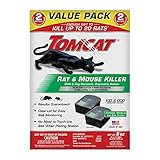
- PREFILLED RAT AND MOUSE BAIT STATION: The Tomcat Rat & Mouse Killer, Child & Dog Resistant, Disposable Station is a bait station pre-filled with one bait block that kills up to 10 rats (based on no-choice laboratory testing)
- RESISTANT TO TAMPERING BY CHILDREN AND DOGS: These rat and mouse stations are weather resistant and tamper resistant by children and dogs
- INDOOR AND OUTDOOR BAIT STATION: For killing mice and rats, place the bait stations in areas where rodent activity has been noticed, such as basements, garages, behind appliances, inside cabinets, or home exteriors
- CLEAR LID FOR EASY MONITORING: The rat and mouse station features a clear lid for easy bait monitoring, and can be disposed of once rat or mouse activity comes to an end
- DISPOSABLE STATION: Tomcat Rat & Mouse Killer Disposable Station is pre-filled and ready-to-use for rodent control
Set the snap trap correctly
- Use a mouse-sized snap trap and follow the trap manufacturer’s instructions. The CDC distinguishes mouse and rat traps.
- Apply a small amount of bait to the bait pan. The CDC’s household guidance recommends chunky peanut butter or mutton fat; other baits should also be placed so the mouse has to contact the trigger.
- Place the trap along a wall near signs of activity, such as droppings, gnaw marks, or nibbled food. Set it with the baited end next to the wall so the trap forms a T against it.
- Check the trap daily and keep it inaccessible to children and pets.
Bait works best alongside food removal and exclusion
Trapping does not address what is attracting mice or how they are entering. Remove accessible food and seal entry points as part of control. If rodent activity continues despite trapping, CDC guidance advises considering an appropriate bait station or professional help.
Quick Recap
Rank #4

- Professional Mouse Attractant
- irresistible to mice
- hypoallergenic
- non-toxic
- no staining
Sources and guidance
- UC IPM: House Mouse
- CDC: How to Trap Up to Remove Rodents
- University of Nevada, Reno Extension: House Mouse
- Oregon State University Extension: House Mouse
Product prices and availability are accurate as of the date/time indicated and are subject to change. Any price and availability information displayed on Amazon at the time of purchase will apply.




