What’s actually slowing this PC down?
Pick the symptom - the matching free tool is one click away.
Some animals can help with pest control, clearing weeds, pollination, or soil health—but the right choice depends on the garden and how access is managed. Chickens, ducks, goats, rabbits, bees, and beneficial insects each have different needs and risks; several are livestock or wild garden allies, not household pets. Keep animals away from edible crops when they could damage plants or contaminate produce, and check local rules before keeping livestock.
Which animals can help in a garden?
These six options do different jobs. The table distinguishes animals you might keep or manage from beneficial wildlife encouraged through habitat. The extension guidance does not establish a universal ranking or show that every option suits a home garden.


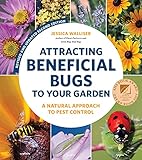

| Animal | Potential garden job | Main risk or constraint | Type |
|---|---|---|---|
| Chickens | Eat insects and other pests; scratch soil and can help clear a prospective bed. | May eat seeds and seedlings, damage crops, and leave droppings near produce. Need controlled access. | Kept poultry |
| Ducks | Can help control pests in some gardens and greenhouses. | Role depends on the setting; the cited guidance does not establish suitability for every home garden. | Kept poultry |
| Goats | Can browse weeds and other vegetation. | Need containment and careful management; space and local rules can limit whether they are practical. | Managed livestock |
| Rabbits | Can be part of urban production systems. | The cited guidance does not establish a particular garden task for rabbits. Space and local regulations apply. | Kept animal or managed livestock |
| Bees | Visit flowers for pollen and nectar and contribute to pollination. | Keeping bees is not the same as simply attracting wild pollinators; habitat, management, and local requirements matter. | Managed pollinator |
| Beneficial insects | Predators and parasitoids can contribute to natural pest control; they also use pollen and nectar. | They need suitable habitat and can be discouraged by pesticides or disturbance. | Wild garden allies |
1. Chickens: useful for bed preparation, risky around growing crops
Chickens eat insects and other pests, scratch soil, and leave nitrogen-rich droppings. That same scratching can uproot seedlings and disturb seeds, while feeding can damage crops. University of Vermont Extension advises managing access rather than letting chickens roam through vulnerable beds (“Chickens in the Garden,” April 17, 2024).
When chickens can help
Confine them to an area you want to clear or prepare, such as a prospective garden bed. A fenced enclosure or portable chicken tractor lets you control where they scratch. Fencing can also separate birds from active beds; the University of Vermont guidance describes double fencing as one way to allow pest-control access while protecting plants.
Quick wins for a faster PC:
Scan for outdated or missing drivers - takes under a minuteDriver Scan →Repair Windows errors before they cause bigger problemsFix Now →Fix the driver behind crashes, sound loss and screen glitchesFind Drivers →#1 Best Overall
When to keep them out
Exclude chickens from areas with seeds, seedlings, or crops you want to protect. Do not treat their droppings as a reason to allow them access to produce beds: animal waste can introduce pathogens, and low-growing produce is especially vulnerable to contamination.
2. Ducks: possible pest helpers in the right setting
Oregon State University Extension identifies ducks as potential pest-control helpers in gardens and greenhouses. This is a possible role, not a guarantee that ducks will solve a pest problem or fit every household garden. The same source discusses animals in whole-farm systems, so its examples should not be read as blanket advice for small residential plots (“An introduction to whole farm systems design”).
Before considering ducks, assess whether you can manage their access without exposing crops to damage or animal waste, and whether your property and local rules allow them.
3. Goats: browsers for managed weed control
Goats can be used to control weeds by browsing vegetation. That makes them a livestock-scale management option, not a pet shortcut for tidying a small garden. They require suitable containment and ongoing care, and the space available may rule them out. Oregon State Extension includes goats among animals used in farm-system planning; Maryland Extension notes that space and local regulations constrain which livestock can be kept in urban production settings (Oregon State Extension; University of Maryland Extension, February 8, 2023).
Recommended Free Tools
4. Rabbits: consider them as managed animals, not automatic garden workers
Rabbits are among the animals Maryland Extension identifies in urban production, but the cited guidance does not specify a garden job for them. Do not assume rabbits will provide a useful service in your beds simply because they can be kept in some production settings. Evaluate their space and care needs, protect crops, and check local requirements before acquiring them.
5. Bees: support flowers and pollination
Bees use pollen and nectar from flowers. If your goal is to support pollinators, start by improving habitat rather than assuming you need to keep a colony. Iowa State University Extension recommends planting flowers that bloom across spring, summer, and fall, minimizing pesticides, and reducing disturbance to nesting and overwintering places (“How to Garden for Pollinators and Beneficial Insects”).
Rank #4
A purchased bee house is another possible option. Iowa State advises replacing nesting tubes annually after bees have emerged. A bee house does not remove the need to provide suitable flowers and nesting habitat.
Independent reader supportYour contribution helps us test, update, and keep practical guides available for everyone.6. Beneficial insects: invite wild allies instead of keeping them as pets
Predatory and parasitoid insects can help limit pests, and they also use pollen and nectar. These are wild garden allies, not pets to acquire and confine. A garden with flowering plants through the seasons, protected nesting and overwintering places, and less pesticide use is more supportive of them, according to Iowa State Extension.
Crashes, No Sound, or Screen Glitches?
Random freezes, missing sound and display glitches usually trace back to one bad driver. Find and replace yours safely.Free scan · under a minuteWindows Errors? Fix Them Before They Spread
Repair common Windows errors and clear accumulated junk for a smoother, more stable PC - no reinstall needed.Free scan · no reinstallMore broadly, Delaware Cooperative Extension recommends food plants, water, and shelter to support biodiversity, while limiting pesticides and herbicides. That approach supports wildlife and ecosystem functions without treating every helpful animal as a pet (“Supporting Biodiversity in the Garden”).
Protect edible crops from animal contamination
Animals can benefit a garden and still create food-safety hazards. Penn State Extension warns that poultry, other animals, wildlife, contaminated tools, and poor hygiene can introduce pathogens including Salmonella, E. coli, and Campylobacter. Produce that grows low to the ground is particularly vulnerable to nearby animal waste (“Home Garden Food Safety: Protecting Produce from Contamination,” updated June 18, 2026).
- Keep animals out of produce-growing areas where possible, especially around low-growing crops.
- Remove animal waste promptly and keep it away from harvest areas.
- Clean tools and harvest containers that may have contacted animals, waste, or contaminated soil.
Check local rules before keeping animals
Rules and practical constraints vary by location. Maryland Extension notes that urban production may include poultry, goats, sheep, bees, rabbits, and other organisms, but available space and local regulations affect what can be kept. Before acquiring an animal, check zoning, permits, and species or breed rules with your local authorities (University of Maryland Extension, February 8, 2023).
Quick Recap
Product prices and availability are accurate as of the date/time indicated and are subject to change. Any price and availability information displayed on Amazon at the time of purchase will apply.
Do these 3 things before closing this tab:
1Fix the driver behind crashes, sound loss and screen glitches2Repair Windows errors before they cause bigger problems3Scan for outdated or missing drivers - takes under a minute



