Prevent resource guarding by preventing competition: feed your resident dog and foster puppies in separate areas, put away toys and chews that could spark conflict, and supervise their shared time. Watch for early signs of discomfort and give dogs space rather than testing whether they will share. If guarding escalates or involves a snap or bite, stop close contact and ask your veterinarian about qualified behavior support.
What resource guarding can look like
Dogs may guard food, treats, chews, toys, beds, resting places, territory, or access to people. A puppy reaching for the resident dog’s bowl is one possible trigger, but conflict can also arise around other valued items or spaces.
Warning signs can appear before a growl or snap. Look for a dog that freezes, eats faster, lowers its head over an item, gives a hard stare, or shows the whites of its eyes. If you see these signals, calmly create space. Do not crowd the dog or reach for the item.
Set up the home before the puppies arrive
Check compatibility and plan the introduction
Ask the rescue or shelter about a meet-and-greet and share any known history of guarding or conflict with other dogs. Consider your resident dog’s health, energy, and temperament when deciding whether puppy contact is manageable. As VCA veterinarians Debra Horwitz and Gary Landsberg note, “A calm, quiet and shy dog may find a young exuberant puppy overwhelming.” VCA’s guidance on introducing a new dog recommends starting with a walk outside on neutral ground when feasible, then keeping early interactions calm.
Crashes, No Sound, or Screen Glitches?
Random freezes, missing sound and display glitches usually trace back to one bad driver. Find and replace yours safely.Free scan · under a minutePC Slower Than It Used to Be?
A free scan shows the junk files, broken settings and background clutter dragging Windows down - then fixes them in one click.Free scan · Windows 10 & 11#1 Best Overall

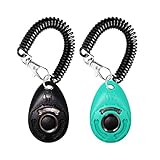
- New communication tool about you and your puppy.
- Pet Dog Training Clickers for Puppy, Cat, Potty, Bird, Horse, Pet, Trainer Training Tools, Behavior Aids
- Just press to mark desired behavior, then reward for faster learning.
- The spring wrist length : 16cm/6.3inches and can strength to 25cm/9.84inches.
- Package include : Black + Blue,each color 1 pcs.
Create separate feeding and resting areas
Prepare distinct places for meals and rest before the foster puppies enter the home. A separate room or a pet gate for separate feeding areas can help prevent access to bowls and valued items; a barrier is a management aid, not a guarantee of safety or a treatment for guarding. Choose an arrangement that reliably blocks access, gives each dog a quiet retreat, and allows you to supervise. VCA’s puppy-preparation guidance recommends separate meals and keeping puppies away from a resident dog’s bowl. VCA’s food-aggression guidance describes options such as a gate, crate, or separate room.
Manage meals, toys, and shared time
Feed every dog separately
Make meals predictably separate. Feed the resident dog and foster puppies in different rooms or securely separated areas, and keep the puppies away from the resident dog’s bowl. Do not leave dogs unattended while they eat in the same area. Pick up bowls after meals so a dog cannot approach another dog’s food later.
Rank #2

- ▼Come in 4 pack button clickers with wrist strap in 4 different colors:Black, Green, Orange, Yellow, each color 1 PCS
- ▼Can be used to train the dog basic obedience, small trick, and correct the bad behavior; Scientific method of training your pet safely and easily.
- ▼Stop barking and dog obdeience. Train your dog quiqly just by simply pressing the clicker and command.
- ▼Well constructed and durable, metal clicker will not rust or break.
- ▼Big button for easy clicking and loud sound. Easy to use in any position.
Put away potential triggers
During shared time, put away high-value toys, treats, and chews that could trigger a dispute. Keep valued resting places clear of crowding, and do not let puppies approach the resident dog while it is eating, resting, or occupied with an item. VCA’s foster-pet guidance recommends removing objects that may trigger conflict and feeding dogs separately.
Supervise and let dogs disengage
Stay present during shared time and give each dog room to move away. Build separate play, training, and rest periods into the day so the resident dog is not expected to tolerate constant puppy contact. Do not force greetings, crowd dogs together, or make them share food or possessions. If either dog stiffens, freezes, stares, growls, or tries to retreat, calmly end the interaction and increase distance.
The Tool Desk
Outbyte PC Repair FREERepair Windows errors before they cause bigger problemsFix Now →Outbyte Driver Updater FREEScan for outdated or missing drivers - takes under a minuteDriver Scan →Rank #3
- EASY TO USE - Simple push button with distinct clicking sound.
- Comes with an elastic wrist band so you can leave it on your wrist or clip it to the leash or your pants.
- Not only train the dog but also the cat, bird, chicken, sheep a new behaviors like sit, fetch, roll over, lie down.
- For effective pet training ALWAYS reward with a treat after clicking.
- Can be used to train the dog basic obedience, small trick, and correct the bad behavior; Scientific method of training your pet safely and easily.
Respond to warning signs without punishment
Do not punish a growl, intimidate a dog, force sharing, or repeatedly take food away to test tolerance. These actions can increase pressure around valued items or suppress a warning without making the dog more comfortable. AVSAB’s public position statements and handouts identify its 2021 humane-training position as current and recommend reward-based methods for training and behavior problems. Its food-guarding guidance warns that repeatedly removing food can create perceived competition and defensive guarding.
Independent reader supportYour contribution helps us test, update, and keep practical guides available for everyone.When to get professional help
Contact your resident dog’s veterinarian if guarding is becoming a problem. If there is a snap, bite, escalating threat, or you cannot keep the dogs safely separated, suspend close contact and ask the veterinarian about referral to a veterinary behaviorist or another appropriately qualified behavior professional. Do not use a generic online exercise as a substitute for an assessment of the dogs and their circumstances. AVSAB also recommends seeking professional help when dog-dog guarding is a concern; see its guidance on bringing a second dog into the home.
Quick Recap
Best Value

- Stronger Bark Control with 3X Ultrasonic Emitters: Unlike single-emitter devices, our upgraded dog bark deterrent features three synchronized ultrasonic heads—delivering 3X the coverage to quickly stop barking, biting, and jumping behaviors. Ideal for anti barking training, safer than bark collar, more effective than a dog whistle, offers a humane, high-performance dog training solution
- 6-in-1 Safe & Humane Training Modes:Our dog bark deterrent device features dual ultrasonic frequencies (fixed 25kHz and variable 20-30kHz), combining 4 ultrasonic modes plus an audible beep and LED flashlight for versatile training. Whether for daily training or stubborn, persistent barking, this anti bark device adapts to different dogs providing effective bark control without causing pain or distress. Perfect for training at home or to stop neighbors dog bark that disturbs your peace
- 23 FT Extended Range & Night Safety: Bark Control Anytime, Anywhere: Stop barking and bad behavior from up to 23 feet away with our powerful dog bark deterrent device — perfect for your yard, neighbor’s yard, outdoor walks, and off-leash areas. Whether you're relaxing at home or out for a stroll, enjoy safe, long-distance control to correct disruptions quickly. The built-in LED flashlight adds safety for evening walks, and low-light training
- Fast Charge & Long Battery Life – Always Ready for Training:With a Type-C fast charging port, our dog bark deterrent device reaches a full charge in just 2 hours and provides up to 30 days of regular use on a single charge, along with 180 days of standby time. Whether you're correcting anti barking behavior or training your dog in public places, you’ll always be prepared for any situation. Forget the hassle of frequent charging and enjoy reliable, long-term barks no more support
- Ultra-Compact Design for Everyday Convenience:50% smaller than standard dog bark deterrent devices, our anti barking device is ultra-compact and lightweight, fitting effortlessly into your pocket, bag, or hand. Whether you're on daily walks, outdoor adventures, or dealing with unexpected situations in public places, this portable design helps you stop barking and encourage good behavior anywhere, anytime. Say goodbye to constant noise and enjoy a barks no more experience with your dog
Rank #4

- MANUAL AUDIBLE CLICKER: Produces an audible click when manually pressed. The clicker contains no electronics, batteries, remote-control functions, or Electronic Stimulation features.
- INDIVIDUAL RESPONSE TO SOUND MAY VARY: Dogs and other animals may respond differently to audible clicker sounds. Introduce the clicker gradually and discontinue use if the animal shows discomfort or fear.
- COMPACT HANDHELD DESIGN: Small finger-clicker design is intended to be carried and operated by the user. Review the product images and compact size before ordering to confirm it meets your expectations.
- 5-INCH VELCRO FINGER STRAP: Includes an approximately 5-inch adjustable Velcro strap designed to position the clicker on the user's finger or hand. The strap is worn by the user and is NOT intended to be worn by the pet.
- TEAL CLICKER ACCESSORY: Includes one Teal manual finger clicker and training instructions. Remote transmitter, receiver collar, batteries, and other training-system components are NOT included.
Product prices and availability are accurate as of the date/time indicated and are subject to change. Any price and availability information displayed on Amazon at the time of purchase will apply.




