Recommended Free Tools
Enrichment at home means giving a dog or cat regular, suitable chances to do what its species is built to do: sniff, search, chew, play, move, rest, and decide when to engage with people or other animals. A toy is only one tool. The most reliable approach is to match each option to your animal’s age, health, temperament, and response, then watch what happens. The American Animal Hospital Association (AAHA) published a home-focused guide on February 10, 2026 that organizes this approach for dogs and cats, and a 2014 veterinary review by Sarah Heath and Clare Wilson, published in Veterinary Clinics of North America: Small Animal Practice, gives the broader context on species-typical behavior.
What enrichment means, and what it does not
AAHA frames enrichment in terms of welfare rather than entertainment. In its February 10, 2026 guide, the association states: “Enrichment is more than just playtime—it’s about meeting your pet’s natural needs in ways that support their physical health, emotional wellbeing, and overall happiness.” In practice, that includes food seeking, sniffing, play, movement, training, rest, and positive social contact. Purchased toys are one way to provide these opportunities, but a cardboard box, a scent trail, or a few minutes of calm training can do the same job.
Two limits matter. First, the sources reviewed do not establish a universal activity schedule, a guaranteed outcome, or a treatment for serious behavioral or medical problems. Enrichment supports welfare; it is not a cure. Second, the best option is the one your animal actually uses. An activity that frightens, frustrates, or exhausts a pet is a poor fit, whatever its label says.
Start with the species difference
Dogs and cats share many needs, but the home arrangements that meet them differ. AAHA’s dog suggestions centre on varied activity across several categories. Its cat guidance focuses on the physical layout and the quality of daily interaction. The table below summarizes the emphasis of each framework.
Quick wins for a faster PC:
Clear out junk files and repair common Windows errorsFree Scan →Fix the driver behind crashes, sound loss and screen glitchesFind Drivers →Repair Windows errors before they cause bigger problemsFix Now →#1 Best Overall
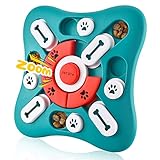
- 【PRODUCT SIZE】10 inch*10 inch*1.3 inch.
- 【3 WAYS TO PLAY, UPGRADE SLOW FEEDER】Our dog mental stimulation toys have a unique squeak button in the middle, which make it easier to attract the attention of dogs and cats. Three different difficulty designs and the 16-hole dog treat dispenser design maximize slow feeding time, even beyond 20 minutes.
- 【FUNNY STIMULATING TOYS】All kinds of dogs and cats love the puzzle game of Spin & Slide and the Seek & Hide with their smell sense and paw skills to find food. Combining circular orbit sliding game and linear orbit sliding game, smart dog and cat must move the slider correctly to get the food reward hidden in the maze.
- 【NON-REMOVABLE PARTS DOG PUZZLE】Our dog treat puzzle is made of non-toxic materials, very durable and suitable for pets to play for a long time. This dog toy has no removable parts because the design has built-in play parts that fold tightly and won't fall off easily.
- 【ANTI-SLIP & EASY TO CLEAN】: The four corners of the bottom are equipped with four anti-skid pads, which can be well fixed during the dog's slow food process; It is easy to clean, also dishwasher safe.
| Area | Dogs (AAHA home guide, 2026) | Cats (AAHA home guide, 2026) |
|---|---|---|
| Framework used | Five categories: cognitive, food, sensory, physical, social | Five pillars: safe place, separated key resources, play and predatory behavior, positive predictable interaction, scent comfort |
| Main emphasis | Varied activity matched to age, ability, and interest | Hiding and elevated places, resource access, caregiver-led play, predictable handling |
| Movement guidance | Walks and games suited to age and ability; no single exercise dose for every dog | Short caregiver-led play sessions, such as a wand toy |
| Fixed daily amount of time | Not stated in the sources reviewed | Not stated in the sources reviewed |
| Key fragrance or scent point | Introduce safe textures or scents gradually | Avoid strong fragrances; keep familiar bedding and toy scents |
Enrichment for dogs
AAHA’s five categories give you a practical way to plan a week. You do not need to use all of them every day. Pick two or three that suit your dog and rotate.
Thinking
Short, positive training sessions, learning a new cue or trick, simple hide-and-seek games, and puzzle or treat-dispensing toys all ask a dog to solve something. Keep sessions brief and end while the dog is still engaged. A dog that gives up quickly may need an easier version, not a harder one.
Foraging
Foraging taps into natural searching behavior. Options include placing part of the daily meal in a food toy, scattering kibble across a floor or lawn, or using a snuffle mat. Begin with easy searches where the food is visible or close, then increase difficulty only when the dog is comfortable and successful.
Rank #2

- 【Prevent Choking & Improve Digestion】This lick and roll bowl combines the functions of a slow feeder and a lick mat for dogs. It slows down eating speed by 50%, effectively preventing choking and indigestion. The dog liquid treat bowl can hold liquids such as milk, juice, and bone broth, while the lid can be spread with thicker treats like peanut butter, yogurt, or meat paste. Especially suitable for senior dogs and post-surgery dogs who need gentle feeding.
- 【Rolling Lick Ball, Non-Spill & Anti-Slip】The upgraded edge structure of this dog lick bowl stops food or water from spilling even when dogs lick vigorously. The anti-slip silicone base keeps the bowl stable on the floor, avoiding sliding and messy surfaces. The unique rolling design slows down drinking speed, preventing bloating, choking and indigestion caused by rapid drinking,and simulates the movement of natural flowing water, increasing oxygen content and keeping water fresh.
- 【Enrichment & Anxiety Relief】As a professional dog enrichment toys, this slow eating dog bowl effectively slow down your dog's eating speed, preventing obesity caused by gulping. The licking action triggers endorphin release, helping to relieve anxiety, boredom, and loneliness — while burning off excess energy, stabilizing mood, and reducing destructive behaviors. Plus, the yellow and blue colors (what dogs see best) help your dog spot the bowl and food easily, encouraging more focused licking.
- 【Safe, Sturdy & Easy to Clean】Made of safe ABS material, this dog bowl is sturdy and long-lasting. Two anti-choking holes help prevent accidents while your dog uses the lick bowl with ball. The twist-lock lid prevents dogs from opening it, avoiding the risk of swallowing the ball. Four non-slip pads on the bottom keep the bowl firmly in place without sliding. The detachable design makes filling and cleaning very easy—simply rinse or place it in the dishwasher.
- 【Great Gift Choice with Quality Guarantee】We offer a one-year warranty. If you encounter any issues during use, our 24/7 customer service team is here to help you. This dog lick toy is not only great for daily slow feeding but also makes an ideal birthday gift for your furry friend — every dog deserves such a fun and healthy slow-feeding gift. If you need homemade liquid treat recipes, feel free to contact us. Perfect for large, medium, small puppy.
Sensory
Sniff walks at the dog’s own pace give it time to investigate smells, which is often more absorbing than a fast route. Rotating toys keeps the home interesting. Introduce new textures or scents gradually, and stop if the dog shows avoidance.
Movement
Walks, low-impact games, and suitable play should match the dog’s age, joints, and general health. AAHA specifically cautions against prescribing one exercise dose for all dogs. A young working breed, a senior with arthritis, and a dog recovering from illness will need very different plans.
Social connection
Positive family interaction, play with a compatible dog where appropriate, training sessions, and gentle grooming when the dog welcomes it all count. Social enrichment is never a requirement. A dog that wants space should have it.
Rank #3
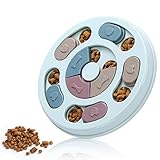
- 【Size】: L9.44" * W9.44"* H1.14" suitable for cats, puppies and small dogs.
- 【Interactive Dog Toys】This is a interactive puppy puzzle , which can easily become the closest companion and toy for your puppies and cats, and will release pressure for dogs. Find food by sliding parts to improve eating pleasure and IQ.
- 【Slow Feed Bowl】This encourages pets to eat at a slower speed, helps to slow down the feeding time to help the dog digest, and can provide your dog with a variety of healthy snacks.
- 【Slow Feede toys】 Use this educational game toy to exercise the dog’s brain, which will help meet the dog’s instinct needs, train the pet’s sense of smell, and let the dog enjoy feeding when using the nose or paw to move the slider, while providing spirit stimulate.
- 【Dog toys】No toy is indestructible. Do not leave toys with unsupervised pets. Remove and replace toy if damaged.
Enrichment for cats
Cats depend heavily on the layout of the home and on whether they can control their own interactions. AAHA describes five pillars for a healthy feline environment, and each one can be checked with a few minutes of observation.
Safe place
Provide quiet hiding places and at least one elevated resting spot, such as a shelf or cat tree. The World Small Animal Veterinary Association (WSAVA) Animal Welfare Guidelines, 2018, note that cats feel more secure with hiding and elevated areas. If your cat avoids a room or sleeps only in one hidden place, the environment may need more options.
Separated key resources
Make food, water, litter, and resting areas easy to reach without forcing the cat to compete for them. AAHA offers “cats in the home plus one” as a rule of thumb for resources, meaning one more of each key resource than the number of cats. This is a general guideline from that source, not a guarantee that every household layout can follow it. Where space is limited, separating litter boxes and feeding stations from each other and from high-traffic areas is a practical step.
Rank #4

- [Treat Distribution] Our food dispenser has differently sized spheres at both ends. As dogs push the toy, it moves within a fixed area, allowing dogs to continuously chase and play with it. During movement, food is dispensed from the food holes on both sides of the toy.
- [Adjustable Switch] Each of the two spheres with a food dispensing switch, making it suitable for various sizes and types of pet dry food or snack. The switch can be adjusted according to the different sizes of dog food. It also allows control over the amount of food dispensed, extending or shortening the time it takes for pets to obtain food. It is more conducive to a healthy dog diet.
- [Increase Pet Intelligence] This dog treat puzzle toy combines intellectual training with food rewards. When pets push this toy, it will not only be to get delicious food, but it will also stimulate their intelligence and hunting instinct. This design not only meets the needs of pets but also encourages them to learn and grow in the game.
- [Prolonged Play] The dog enrichment toy is designed to limit the amount of treats your dog gets while encouraging more extended playtime. This is intended for effective playtime for dogs and is NOT a chewed toy. It is also dog boredom buster toys and best dog gift to keep them busy when dogs are left home alone, relief anxiety.
- [Attract Dogs' Attention] With barbell shaped design and bright color, the dog puzzle toy ball can attract your dog's attention, stimulate their curiosity and drive them crazy to roll it. Size: 6.1*3.44*3.44in/15.5*8.7*8.7cm.
Play and predatory behavior
Caregiver-led interactive play, such as a wand toy that imitates prey, lets a cat stalk, pounce, and catch. Keep sessions short and end on a successful catch or a calm pause. Opportunities to seek or work for food, including food puzzles, also satisfy hunting motivation.
Positive, predictable interaction
Let the cat start contact. Use gentle handling and reward-based interaction, and avoid punishment, which can increase fear and make a cat less likely to engage. Predictable routines for feeding, play, and quiet time help a cat know what to expect.
Scent comfort
Avoid strong fragrances in the home and on the cat. Keep familiar bedding and toys near their existing scent, and introduce new items gradually so the cat can investigate them on its own terms.
The Tool Desk
Outbyte Driver Updater FREEFix the driver behind crashes, sound loss and screen glitchesFind Drivers →Outbyte PC Repair FREERepair Windows errors before they cause bigger problemsFix Now →Best Value
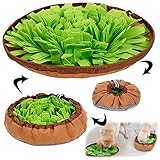
- ★ Dog Training Toys: It is a unique dog training mat that allows your dog to find snacks or small toys hidden in the mat. It helps to train your dog's smell, consume your dog's energy and lose weight. Keep your dog occupied and avoid your dog being bored and engaged in destructive behavior.
- ★ Non-slip & Large & Portable: The bottom is a non-slip cloth that effectively holds the mat and prevents the dog from moving the mat. The design is small and can be shrunk into a small storage bag. It can also be hung or set aside when not in use. Suitable for traveling.
- ★ Dual-use Design: The feeding mat can be folded into a bowl. Stick to the good habits of your dog or use it as an olfactory pad.
- ★ Easy to clean: The main fabric of the scent pad is felt cloth, environmentally friendly and easy to clean. It is suggested that washed by hand.
- ★ Guarantee: If you are not satisfied with our dog feeding snuffle mat, please feel free to contact us.
Scratching is a natural need. WSAVA guidance notes that cats need to scratch, and a cardboard scratcher or sturdy post is a straightforward way to meet it. The broader environment and the cat’s own choice of scratching surface matter more than any single purchase.
Independent reader supportYour contribution helps us test, update, and keep practical guides available for everyone.Food-based enrichment
Food-based enrichment does not require extra treats. The Veterinary Information Network’s VCA Animal Hospitals resource, “Enriching Your Pets Environment with Their Food,” recommends using a portion of the pet’s normal food allotment in puzzles or food toys. AAHA’s home guide lists food toys among enrichment options for dogs and cats. To apply this safely:
- Measure the pet’s normal daily food allotment, or the part your veterinarian has recommended for feeding.
- Choose a puzzle feeder or treat-dispensing toy that is intact, sized for your pet, and easy to clean.
- Start with the food already visible or close to the opening, so the pet learns that the toy releases food.
- Gradually make the task harder only when the pet empties the toy without frustration.
- Subtract the food used in the toy from the next meal so total intake stays the same.
Building a routine without a fixed formula
Variety across the day matters more than a specific number of sessions. The sources reviewed do not set one schedule for all pets. Short, positive interactions and predictable routines are a reasonable starting point. Vary the activity, then watch the response. A pet that engages, settles, or walks away calmly is giving you useful information. A pet that becomes frantic, avoids the toy, or stops eating a meal from a puzzle needs a change.
For older, unwell, fearful, or mobility-limited pets, check the plan with a veterinarian before adding new physical activity or games. Those pets often benefit most from low-impact and sensory options, but the right choices depend on their diagnosis.
Do these 3 things before closing this tab:
1Scan for outdated or missing drivers - takes under a minute2Clear out junk files and repair common Windows errors3Fix the driver behind crashes, sound loss and screen glitchesSafety checks before you start
- Use pet-appropriate equipment that is intact, with no loose parts, small pieces, or frayed cords.
- Supervise the first few uses of toys, food puzzles, and chew items.
- Make sure the animal can walk away and rest. Enrichment should never trap a pet in an activity.
- Avoid strong fragrances for cats, punishment, forced social contact, and any activity that causes visible distress.
- Count treats and food puzzle portions as part of the daily diet.
When to involve your veterinarian
Enrichment is a reasonable part of everyday care, but it is not a substitute for diagnosis. Contact your veterinarian promptly if you notice persistent distress, a sudden change in behavior, new aggression, house soiling, changes in appetite or sleep, or any behavior that worries you. AAHA’s behavior-management explainer describes referral to a board-certified veterinary behaviorist for serious behavior concerns. Medical causes should be ruled out first, because pain or illness can look like a behavior problem.
Sources: American Animal Hospital Association, “Enrichment: Supporting your pet’s mental and emotional wellbeing at home,” published February 10, 2026; Heath S and Wilson C, “Canine and feline enrichment in the home and kennel: a guide for practitioners,” Veterinary Clinics of North America: Small Animal Practice, May 2014; VCA Animal Hospitals, “Enriching Your Pets Environment with Their Food”; WSAVA Animal Welfare Guidelines, 2018; BSAVA, “Animal enrichment,” 2022.
Quick Recap
Product prices and availability are accurate as of the date/time indicated and are subject to change. Any price and availability information displayed on Amazon at the time of purchase will apply.




