Quick wins for a faster PC:
Repair Windows errors before they cause bigger problemsFix Now →Scan for outdated or missing drivers - takes under a minuteDriver Scan →Clear out junk files and repair common Windows errorsFree Scan →Feline hyperesthesia syndrome (FHS) is a label for a recognizable pattern: episodes of rippling or twitching skin along the back, with agitation, frantic grooming or biting, and sometimes tail chasing. It is not one confirmed disease with one cause. A current veterinary practice review by Alison Gerken, DVM, DACVB, published September 1, 2026, treats it as a clinical syndrome with several possible contributors, and it recommends targeted testing and therapeutic trials rather than a single diagnosis. Many cats improve on a structured plan, but a cure cannot be promised, and some cats need ongoing management. The answers below follow the questions owners most often ask.
What is feline hyperesthesia syndrome?
FHS is a term for a set of signs rather than a proven mechanism. Merck Veterinary Manual, in its “Behavior Problems of Cats” reference (accessed October 7, 2026), describes hyperesthesia as a sign that may have medical or behavioral causes. Owner-facing sources such as PetMD (updated February 3, 2025) use the name “twitchy cat syndrome” for the same pattern. Because the name describes what the cat does, not why it happens, the label is best read as a starting point for an investigation.
What does an episode look like?
The defining feature is rippling or twitching of the skin over the back, most often in the thoracolumbar region (roughly the mid-to-lower back, behind the shoulders). Related signs reported in cats with FHS include:
- Agitation, sudden startle, running, or hiding
- Self-directed grooming or biting, often focused on the back, flank, or tail base
- Tail chasing or vigorous tail swishing
- Vocalization during the episode
- In some cats, persistent overgrooming, hair loss, or self-inflicted skin injury
Episodes can be brief, and some cats look completely normal between them. None of these signs is unique to FHS, and healthy cats can show some of the same behaviors, so one observed sign does not confirm the syndrome.
#1 Best Overall

- Calming Supplement: Proprietary strain BL999 specifically formulated to help maintain calming cat behavior
- Cat Calm: Each 30-count box provides a month's supply of calming care powder packets, with each serving delivering beneficial microorganisms to support your cat's behavioral wellness
- Behavior Support: Shown to improve cats displaying anxious behaviors like pacing while promoting positive activities, such as playing and seeking out social contact
- Stress Support: Helps blunt cortisol production, a key stress marker in cats, while supporting immune system health and providing calm for cats comfort
- Veterinarian Trusted: Cat probiotic brand for calming support, trusted by veterinarians to help cats cope with routine changes and location adjustments safely and effectively
Is feline hyperesthesia a behavioral disorder?
Not automatically. Behavior and arousal can be part of the picture, and touch may set off an episode in some cats. Other episodes have no obvious external trigger. The 2026 review notes that stress can contribute, but it should not be assumed to explain the signs until medical contributors have been considered. A cat’s response to behavioral support, or to a veterinary trial, does not by itself prove that the cause is behavioral.
What causes feline hyperesthesia?
There is no settled single cause. The same outward signs can arise from several conditions that overlap or occur together. The table lists the main contributors discussed in veterinary sources and what the veterinarian typically examines for each.
| Possible contributor | What the veterinarian checks | Tests that may follow |
|---|---|---|
| Skin disease (parasites, allergy, fungal infection) | Skin and coat examination, parasite control history | Skin cytology, fungal testing, hair examination |
| Pain (musculoskeletal, spinal, neuropathic, gastrointestinal, tail, or anal sac) | Orthopedic and neurologic examinations, sensitivity along the back | Radiography, anal sac assessment, advanced imaging when indicated |
| Seizure activity (focal seizures) | Neurologic examination, timing and description of episodes from the owner’s video | Neurologic tests and advanced imaging when indicated |
| Behavioral and stress factors (conflict, frustration, resource competition in multicat homes) | Household routine, trigger log, behavior between episodes | Not stated in the 2026 review; history and the trigger log are the main tools |
Merck lists neuropathic pain, dermatological conditions, myopathies, and focal seizures among medical causes with similar signs, and Cornell University’s Feline Health Center (page last updated 2021) notes possible pain and skin conditions. Several contributors can coexist in one cat, which is why the veterinarian looks at more than one system.
Rank #2
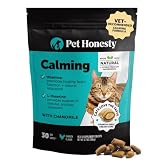
- RELAX INTO BENEFITS: Help your feline companion maintain a peaceful, balanced disposition during stressful moments. These dual texture cat calming treats offer targeted behavioral support by promoting deep relaxation and providing real cat anxiety relief. Perfect for scary car rides, loud holiday storms, vet visits, and grooming, our crunchy and creamy bites reduce environmental panic so your cat can enjoy a calm and happy life.
- THE INSIDE STORY: We formulate our premium healthy cat treats with high performance natural ingredients. Thiamine supports essential brain and cognitive function, while l-theanine amino acids offer deep systemic support in stressful and anxious situations. Combined with soothing chamomile herbs and omega rich fish oil, these cat relaxing treats help calm hyperactive tracking, excessive hiding, and nervous tension from the inside out.
- LOVED BY CATS: Feline companions are uniquely sensitive creatures and can be highly particular about flavors, smells, and textures. That is why our calming chews for cats are designed specifically around specialized feline taste palates. You can feel completely confident choosing our advanced anxiety support formula, which stands as a top rated cat relaxing supplement proudly engineered by passionate cat lovers. In fact, our cat anxiety relief is the #1 calming chew supplement on Amazon.* Based on Amazon Stackline data from Dec 2023 - Nov 2024
- DROOL-WORTHY TASTE: Our dual texture cat calming chews combine clinical behavioral efficacy with an irresistible savory chicken flavor. Featuring an enticing crunchy outer shell and a smooth creamy core, 9 out of 10 cats absolutely love the taste based on independent feeding studies. This premium recipe makes daily stress management easy, transforming wellness into a delicious treat your pet natively craves. **Based on an independent feeding study. Individual results may vary
- THE HONEST DIFFERENCE: Give your faithful companion the elite, uncompromised standard of premium clinical care. This Vet-Recommended cat calming treat is proudly manufactured in the USA using clean, science backed ingredients with no fillers or artificial preservatives. Because we are proudly NASC certified, we adhere to the most rigorous quality and safety benchmarks in the industry, delivering real results you can completely trust.
How do vets diagnose feline hyperesthesia?
FHS is diagnosed by excluding other causes, not by a single test or a single reaction during an exam. Diagnosis generally proceeds in this order:
- Take a detailed history. Track when episodes started, how often they occur, how long they last, whether they look the same each time, possible triggers, and how the cat behaves between episodes. A video of an episode, recorded safely, is especially useful.
- Complete the examinations. The 2026 review recommends a full physical examination along with dermatologic, orthopedic, and neurologic examinations.
- Order targeted tests. Choices depend on the findings. These may include parasite control, skin cytology, fungal testing, hair examination, anal sac assessment, laboratory tests, urinalysis, and radiography. Not every cat needs every test.
- Escalate when indicated. Advanced imaging or specialist neurologic testing may be considered for neurologic deficits, severe or progressive signs, marked self-trauma, a poor response to initial treatment, or strong concern for focal seizures or spinal pain.
Lumbar sensitivity found during one exam is not a standalone diagnostic test. The veterinarian weighs it alongside the history, the video, and the other results.
Cornell neurologist Emma Davies, BVSc MSc, associate clinical professor of neurology at Cornell University Hospital for Animals, puts the priority this way: “The most important thing in cats with hyperesthesia is making sure that there is nothing causing the hyperesthesia that we can identify and treat.” (Cornell Feline Health Center, “Hyperesthesia Syndrome,” last updated 2021.)
Rank #3

- Calming Support Supplement: Vetoquinol Zylkene is a calming supplement for cats and small dogs that uses alpha-casozepine from milk protein to support calm behavior during loud noise, celebrations, travelling, and other challenging situations
- Non-Drowsy & Lactose-Free: This behavior support supplement is lactose-free, making it the perfect non-drowsy calming support for cats and dogs with sensitive stomachs; help your pet's composure without sacrificing their personality
- Calming Effect without Personality Changes : Zylkene contains the protein in milk that causes the calming effect in nursing pets; this natural-occurring protein can help your dogs and cats return to their happy selves
- Easy-to-Give Oral Capsule: For easy use, open capsule and sprinkle onto food; for best results, administer 1–2 days before the expected challenging situations or 5–7 days prior for pets needing additional stress support; for cats and dogs 10–22 lb
- Confidence in Every Product: Made with a commitment to transparency, rigorous review, and dependable standards upheld across every product, we create happier and healthier moments for your pet
What should I do during an episode?
Stay calm and keep your distance if touch appears to make the reaction worse. A cat in an episode may bite, and handling it can increase both the risk of injury and the intensity of the episode. If you can record video and note the time, the trigger, and what preceded the episode without putting yourself at risk, do so. Those notes are often more useful to the veterinarian than a description from memory.
PetMD’s triage guidance, which is general owner guidance rather than a substitute for local veterinary advice, is as follows:
What’s actually slowing this PC down?
Pick the symptom - the matching free tool is one click away.
- Mild to moderate signs: contact a veterinarian within 24 hours for an assessment.
- Severe episode lasting longer than two to three minutes, especially with self-injury: seek emergency care.
How is feline hyperesthesia treated?
Treatment is aimed at the leading suspected contributors and is directed by a veterinarian. It is not a single standard drug or product. The 2026 review describes veterinary-directed trials for suspected musculoskeletal pain, inflammatory or itchy skin disease, food-responsive disease, and focal seizure activity. A trial that helps the cat does not prove the cause, but it can guide the next steps.
Rank #4

- Helps manage stress from separation, thunderstorms, travel & vet visits: daily calming chew promotes relaxation without heavy sedation
- Formulated with melatonin, ashwagandha, GABA, theanine to help block stress signals and support calm, balanced behavior
- Chicken-flavored soft chew made in the USA: made without fillers, gums, or artificial sweeteners for a supplement your cat will actually enjoy
- Fits into a daily routine: supports normal stress response management for cats facing recurring stressful situations
- Veterinarian-recommended: a trusted daily supplement, and backed by our satisfaction guarantee: if your pet's results aren't what you expected, we'll make it right
Medication options
For longer-term care, the review discusses gabapentin and pregabalin as options when neuropathic pain, sensory dysregulation, or mixed pain-and-arousal features are suspected. Those decisions require veterinary dosing, monitoring, and a clear plan for review. Do not give your cat any human medication or estimate a dose from another source.
Environmental and behavioral support
Environmental and behavioral management is recommended for all patients, whatever the cause. Practical measures include:
- Reducing identifiable triggers, conflict, and frustration in the home
- Providing vertical space, hiding places, foraging opportunities, and structured play
- Offering adequate, separated resources (food, water, litter, rest areas) in multicat homes
Punishment should be avoided. The review states that it can worsen fear, anxiety, and repetitive behavior. PetMD notes that a veterinarian might recommend a pheromone diffuser as one possible environmental change. The source does not establish that a diffuser treats FHS, so treat it as an optional part of stress management under veterinary guidance, not as a therapy.
Free tools Windows power users keep installed
One-click scans. No signup required.
Best Value
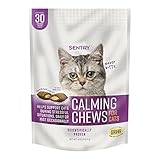
- Supports Cats During Stressful Situations: Whether your cat copes with stress daily or is triggered occasionally by external stressors, help your cat manage their stress levels using the Sentry Calming Chews for Cats
- Clinically tested: Working with top universities and leading pet experts in the field, Sentry Calming Chews for Cats uses clinically tested ingredients to keep your cat calm, cool, and collected in one tasty chew
- We Understand Cats: Make sure your cat’s emotions are heard and understood. Sentry Calming Chews for Cats provides your cat with the support they need to manage normal stress in a healthy way
- Crunchy Outside: Sentry Calming Chews for Cats helps your cat maintain a normal relaxed disposition with a crunchy and tasty exterior that will have your cat feeling good
- Creamy Interior: A pawsitively delicious chew with a creamy interior that helps reduce the effects of normal environmental stress
Can feline hyperesthesia be cured?
A cure cannot be promised. The realistic goal is fewer and milder episodes and less self-trauma. Prognosis depends largely on whether underlying contributors can be identified and managed, and some cats need continued care.
The strongest outcome data in the 2026 review come from a retrospective case series of 28 cats, reported by Pauciulo et al. and summarized in that review:
- 82% had an episode-free period of at least 9 months.
- 93% no longer had clinical signs after 1 year.
- 50% continued pharmacotherapy.
These figures describe a group of cats in one retrospective series. They are not a prediction for an individual cat. The review also summarizes a separate series of seven cats with severe FHS and tail mutilation, in which six improved clinically and five achieved remission.
When should a cat be referred to a specialist?
Referral can help when signs are severe, progressive, injurious, or not responding adequately to the first plan. The 2026 review identifies veterinary dermatology, neurology, pain management, and behavior as the relevant specialties. Your primary veterinarian can decide which referral fits the cat’s findings and can coordinate the workup with the specialist.
The Tool Desk
Outbyte Driver Updater FREEScan for outdated or missing drivers - takes under a minuteDriver Scan →Outbyte PC Repair FREERepair Windows errors before they cause bigger problemsFix Now →Quick Recap
Product prices and availability are accurate as of the date/time indicated and are subject to change. Any price and availability information displayed on Amazon at the time of purchase will apply.




