Crashes, No Sound, or Screen Glitches?
Random freezes, missing sound and display glitches usually trace back to one bad driver. Find and replace yours safely.Free scan · under a minuteWindows Errors? Fix Them Before They Spread
Repair common Windows errors and clear accumulated junk for a smoother, more stable PC - no reinstall needed.Free scan · no reinstallKittens normally lose their baby teeth as adult teeth come in, usually by about six months of age. An adult cat losing a tooth is different: tooth resorption and periodontal disease are common causes, and an injury can fracture or damage a tooth. Because cats often hide mouth pain, a loose, broken, or newly missing adult tooth deserves a veterinary dental examination.
Is it normal for cats to lose teeth?
It depends on the cat’s age. Kittens have 26 baby teeth, which are normally replaced by 30 permanent teeth by about six months. Adults should not lose teeth as part of ordinary teething. A missing or loose tooth in an adult cat may reflect disease or injury, even if the cat still eats.
You may not find a kitten’s shed tooth; kittens sometimes swallow one while eating. A baby tooth that remains beside its erupting adult replacement is called a retained or persistent deciduous tooth. It can crowd the adult tooth and trap debris, so ask a veterinarian to assess it rather than trying to pull it at home. Mild, temporary chewing discomfort or drooling can occur during teething, but persistent discomfort, an unusually positioned tooth, or significant difficulty eating should be checked. Cornell Feline Health Center and VCA describe normal kitten tooth replacement and retained baby teeth.
Why might an adult cat lose a tooth?
Tooth resorption
Tooth resorption occurs when cells break down the mineralized tissues of a tooth. The damage may progress from the root toward the crown, sometimes creating a defect near the gumline or causing the crown to disappear. It can be painful, and affected cats may drool, eat reluctantly, turn their head while chewing, swallow food without chewing, become irritable, or prefer soft food. Some show few obvious signs.
#1 Best Overall
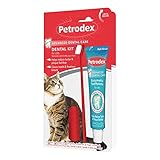
- Complete oral care system: enzymatic toothpaste plus toothbrush cleans teeth and fights bad breath in one kit
- Reduces plaque & tartar buildup: patented enzyme formula works without rinsing required
- Malt-flavored formula cats tolerate well: makes at-home brushing easier to stick with
- Everything needed to start a dental routine: ideal for new puppies, kittens, or first-time brushers
- Formulated specifically for pets: non-foaming, no-rinse enzymatic formula that's safe if swallowed
Cornell identifies resorption as the most common cause of tooth loss in cats and reports that 30–70% of cats show some sign of it. Merck says more than 60% may have evidence during their lifetime. These are figures stated by the respective sources, not interchangeable estimates: Cornell’s article was updated in June 2017, while Merck’s resorption topic was last updated in September 2024. The cause of idiopathic resorption has not been established; dietary vitamin D excess has been proposed but is not a proven explanation. See Cornell’s dental disease overview, Cornell’s tooth resorption information, and the Merck Veterinary Manual.
Periodontal disease
Plaque can lead to gingivitis, which, if untreated, can progress to periodontitis. Periodontitis damages the tissues and bone that support teeth; affected teeth may loosen and eventually be lost. Signs can include red, swollen, or bleeding gums, bad breath, gum recession, visible roots, mobile teeth, drooling, or difficulty eating.
Rank #2

- Delious Chicken flavored Cat Toothpaste: Formulated specifically with your cat's preferences in mind
The Merck Veterinary Manual reports that up to 70% of cats have some level of periodontal disease by age two. This is a population estimate, not a prediction for an individual cat; the reviewed topic does not state a year for the underlying estimate. More detail is available in Merck’s periodontal disease guidance and Cornell’s dental disease overview.
Injury or a fractured tooth
Trauma can fracture or damage a tooth. A broken tooth may be painful or allow infection, and the visible crown alone does not show whether the root is healthy. Have a veterinarian examine a tooth that is broken, discolored, loose, or newly missing. Merck’s owner guidance on feline dental disorders also describes injury and dental disease as reasons for adult tooth loss.
Rank #3

- FIGHTS DENTAL DISEASE IN CATS: Around 40% of cats develop dental disease, causing daily pain they often hide; this complete dental kit reduces plaque and tartar that cause gum disease and bad cat breath when used regularly.
- COMPLETE CAT DENTAL KIT CONTENTS: Kit includes one 2.5 oz tuna flavor enzymatic cat toothpaste, one dual-headed toothbrush with two different brush head sizes for cats of all sizes, and one finger brush for added brushing flexibility.
- BAKING SODA FORMULA DEODORIZES BREATH: This enzymatic cat toothpaste is formulated with Arm & Hammer baking soda, which dissolves into hard-to-reach areas to deodorize cat breath and clean gently without harsh abrasives.
- TARTAR CONTROL ENZYMATIC TOOTHPASTE: The enzymatic formula actively helps control tartar buildup and freshens breath; fluoride-free and non-toxic, this toothpaste is safe for cats and formulated without dyes or harsh additives.
- TWO TOOTHBRUSH STYLES FOR CATS: The dual-headed cat toothbrush fits different mouth sizes, while the included finger brush slips over your fingertip for closer gum contact, making it easier to reach all areas of your cat's mouth.
What signs suggest a painful dental problem?
Cats may mask oral pain, and an absence of obvious symptoms does not rule out disease. Watch for changes such as:
- Bad breath, red or swollen gums, or gums that bleed
- Drooling or pawing at the mouth
- Reluctance to eat, avoiding hard food, or preferring soft food
- Chewing on one side, turning the head while eating, or swallowing without chewing
- A loose, broken, discolored, or missing adult tooth
Arrange a veterinary oral examination if you notice these signs. Do not wait for a cat to stop eating completely before seeking care. The signs described by Cornell and Merck can indicate problems that are not fully visible at home.
Rank #4

- Gentle Dental Care Cats Accept: Designed for cats sensitive to strong smells or flavors, this no-added-flavor cat toothpaste supports daily plaque control without overwhelming taste or scent—ideal for picky, scent-sensitive, or first-time brushers
- Enzyme-Based Gentle Cleaning: This enzymatic toothpaste for cats helps break down plaque buildup and support fresher breath while remaining safe to swallow. A soothing, non-foaming formula that cleans effectively without irritation
- Complete Brushing Kit for Cats: A convenient cat toothbrush and toothpaste set including a standard toothbrush and finger brush. Designed to support different brushing preferences and help cats adjust more easily to daily dental routines
- Two Brush Options for Sensitive Cats: The included cat toothbrush features soft bristles for comfortable brushing, while the finger brush offers a more controlled, hands-on option—ideal for cats sensitive to brushing or new to dental care
- Everyday Dental Care Made Simple: Supports consistent cat dental care by helping maintain cleaner teeth and fresher breath over time. A stress-reduced solution for cat teeth cleaning as part of a simple daily routine
How do veterinarians diagnose and treat tooth loss?
A veterinarian may examine the mouth, probe around the teeth, and take dental X-rays. Disease can affect roots and supporting bone beneath the gumline, so looking only at the visible crown may not reveal the problem. A complete assessment of periodontitis and evaluation of tooth resorption may require an examination and radiographs under anesthesia. X-ray findings help determine the type and extent of disease and guide treatment.
Treatment depends on what the examination shows. Periodontal care may include professional scaling and polishing; advanced disease may require extraction. Resorption treatment aims to address the affected tooth and pain. Depending on the radiographic findings, options can include extraction or, in selected cases, crown amputation. These are veterinary decisions, not interchangeable options to choose at home. Do not attempt to extract a tooth yourself or give human painkillers; antibiotics alone do not correct the underlying dental problem.
Free tools Windows power users keep installed
One-click scans. No signup required.
Best Value

- Ultra-Mini Brush Head for Precision Cleaning: The 0.31-inch soft bristle head targets tiny teeth and hard-to-reach areas, making it perfect for kittens and small-mouthed cats, ensuring gentle yet thorough cleaning
- Finger-Fit Ergonomic Design: This finger toothbrush for cats fits securely on your finger, giving pet parents full control for accurate brushing—ideal for skittish pets or new users starting a cat tooth brushing routine
- Coconut Oil Enzymatic Toothpaste Formula: Powered by coconut oil and natural enzymes, the cat toothpaste helps fight plaque and tartar buildup, while supporting cat tooth care and freshening breath safely
- Irresistible Coconut Chicken Flavor: A delicious enzymatic cat toothpaste flavor cats crave—finger brush for cats becomes a bonding activity, making dental care part of your daily pet routine
- Complete Cat Dental Kit for Daily Hygiene: Includes a soft toothbrush, a finger toothbrush, and a 2.5 oz tube of enzyme toothpaste for cats, giving your feline a full dental care kit in one simple package
Removing diseased teeth can still leave a cat with a good quality of life. Merck notes that dogs and cats can function without teeth and may have excellent or improved quality of life after diseased teeth are removed. The important step is to have a veterinarian identify and treat the source of pain.
Can you prevent dental disease at home?
Daily toothbrushing can remove plaque and help prevent it from hardening into calculus. Once calculus has formed, brushing will not remove it; professional scaling and polishing is needed. Ask your veterinarian to recommend suitable products and a safe brushing approach for your cat. Brushing is preventive plaque control, not treatment for a resorbing, loose, or missing tooth.
Quick Recap
Product prices and availability are accurate as of the date/time indicated and are subject to change. Any price and availability information displayed on Amazon at the time of purchase will apply.




