
Windows Errors? Fix Them Before They Spread
Repair common Windows errors and clear accumulated junk for a smoother, more stable PC - no reinstall needed.Free scan · no reinstallOutdated Drivers Are Slowing You Down
One free scan finds every outdated or missing driver and matches the right update for your exact hardware.Free scan · exact hardware matchWhen a dog finally gets relief from relentless itching, it is usually because the cause was identified and several problems were treated together—not because one universal product “cured” an allergy. A veterinarian should check for fleas, food reactions, environmental atopy, parasites, and secondary ear or skin infections before choosing treatment. The plan may include prescription care, a supervised diet trial, parasite control, and supportive topical products.
Atopic dermatitis is commonly managed rather than cured. Cornell University College of Veterinary Medicine says it may affect as much as 10–15% of dogs, and effective treatment is aimed at preserving comfort and quality of life over time.
As an Amazon Associate I earn from qualifying purchases.
Scratching alone does not prove an allergy
Dogs scratch, lick, chew, or rub for many reasons. Fleas and other ectoparasites, bacterial or yeast overgrowth, ear disease, irritants, pain, and several immune-related conditions can look similar to an owner. An “allergy” is therefore not a diagnosis that can be made from itching by itself.
What’s actually slowing this PC down?
Pick the symptom - the matching free tool is one click away.
The American Animal Hospital Association (AAHA) recommends a history, physical examination, and a minimum dermatologic database. That database can include skin cytology, skin scrapings, flea combing, and ear cytology when ear disease is present. These checks help the clinician find problems that can intensify itching and need treatment in their own right.
#1 Best Overall

- Made in the USA - Our oatmeal formula pet shampoo is pH balanced, alcohol free, paraben free, PEG-80 free and is highly recommended for moisturizing dry skin & providing itch relief
- Oatmeal Formula – This coconut lime verbena scented pet shampoo is great for moisturizing dry skin, cleaning dirty coats, & itch relief. The thick lather rinses off clean & keeps your pet looking and smelling clean
- Less is More - Wahl has a higher concentrate of a coconut-derived sodding agent, which means you don’t have to use as much product as other dog shampoos. A little shampoo goes a long way and provides a rich lather that’s easy to rinse off
- Allergy Friendly - Our dog icon, Rocket, was designed in the image of our family dog, Cooper — a goldendoodle who has severe allergies. We've found this shampoo to be safe and effective for him. We love the smell too!
- The Brand Used By Professionals - Wahl has been serving professional vets and groomers for over 50 years. As a company of animal lovers, we believe your pet deserves the very best.
AAHA separates three important allergy considerations in dogs:
| Possible cause | What it means | How it is investigated |
|---|---|---|
| Flea allergy | An allergic response to flea bites; a single bite can trigger marked discomfort in a sensitive dog. | History, examination, flea combing, and a veterinary parasite-control plan. |
| Food allergy | A reaction to an ingredient that can produce skin or ear signs in some dogs. | A strict, veterinarian-directed elimination diet followed by a food challenge when appropriate. |
| Environmental atopy | Abnormal sensitivity to environmental allergens. It is a diagnosis of exclusion. | Other causes are investigated first; allergy testing may help select allergens for immunotherapy, but does not diagnose atopy by itself. |
More than one problem can exist at once. For example, a dog with an underlying allergic tendency may develop a secondary infection that makes the flare suddenly worse. Treating only the allergy while leaving the infection or parasites unaddressed can lead to disappointing results.
What a veterinary visit for itchy skin should cover
A useful appointment is an investigation, not simply a request for an anti-itch medicine. AAHA’s sequence gives owners a practical picture of what to expect.
- Detailed history. Tell the veterinarian when the itching began, whether it is seasonal, how severe it is, and whether it is progressing. Note the age at onset, affected body areas, ear problems, bathing history, parasite prevention, diet, and every treatment tried, including the response and how long it lasted.
- Physical and dermatologic examination. The clinician examines the coat, skin folds, paws, ears, face, belly, and other commonly affected areas. They look for lesions, odor, hair loss, redness, crusting, and signs of self-trauma.
- Minimum dermatologic database. Skin cytology can look for organisms and inflammatory changes. Scrapings can help assess certain mites. Flea combing searches for fleas or flea dirt. Ear cytology is appropriate when the ears are inflamed, itchy, or producing discharge.
- Address parasites and infection. If ectoparasites, bacteria, yeast, or otitis are found or strongly suspected, the veterinarian selects treatment for that problem. This step may be necessary before the remaining itch can be judged accurately.
- Control pruritus while investigating. The veterinarian decides which relief is appropriate for the dog’s condition, age, health status, and concurrent treatments. Do not use a human product or change a prescription without veterinary advice.
- Recheck the response. Follow-up lets the clinician decide whether the initial findings explain the signs, whether treatment worked, and whether another cause needs investigation.
AAHA describes its material as professional guidance rather than an exclusive standard-of-care protocol. Your veterinarian may adapt the sequence to the dog’s examination findings and medical history.
Rank #2

- BRILLIANTLY CLEAN & SOFT - This luxurious shampoo is soap free & pH-balanced to clean & deodorize safely & thoroughly, leaving your pet's coat & skin plush & smelling better than ever before
- NATURAL & ORGANIC INGREDIENTS - Blended with only the finest renewable, plant-derived and coconut-based cleansers along with organic aloe vera, creating the ideal hypoallergenic shampoo for dogs
- SAFE & EFFECTIVE - Our pet shampoos are designed with the health of your beloved, furry friend in mind. Our products are always non-toxic, paraben, sulfate, phthalate, phosphate, dye, & soap free
- COMPLETE PET CARE - earthbath's shampoos, conditioners, and grooming products meet each pet's unique needs, from everyday cleansing and coat care to itch relief, hot spots, and odor control
- CRUELTY-FREE SINCE 1995 - Certified cruelty free by Leaping Bunny, earthbath has a genuine love for pets & the environment. Passions at the heart of our very best pet supplies.
How a food-allergy investigation works
A food trial is a diagnostic process, not a casual change from one grocery-store formula to another. An ordinary “limited ingredient” label does not by itself establish that a dog has a food allergy, because the diet may contain ingredients that are not obvious from the front of the package or may not be appropriate for a controlled trial.
The elimination phase
When food allergy is suspected, AAHA’s diagnostic figure gives a trial range of 4–12 weeks. The veterinarian chooses a suitable therapeutic diet and explains exactly what the dog may eat. The trial must be strict: treats, table scraps, flavored medications, dental chews, and access to another pet’s food can undermine the result.
Ask the clinic how to handle rewards, supplements, parasite products, and household situations such as children feeding the dog. Keep a written log of meals, treats, itching, ear signs, bowel changes, and any skin medication so the response can be assessed rather than guessed.
The food challenge
If signs improve during the elimination phase, AAHA says a food challenge should confirm a positive response. The veterinarian gives a structured plan for reintroducing the previous food or selected ingredients and tells you what change to watch for. A flare after challenge supports a food-related diagnosis; no flare makes that explanation less likely. Do not perform a challenge without guidance if the dog has had a serious reaction or is medically unstable.
Rank #3

- NON-IRRITATING CLEANSER – Scientifically formulated hypoallergenic dog shampoo with gentle coconut-based cleansers and no harsh ingredients, dyes, or fragrances
- GOOD FOR ALLERGIES – For pets with known allergies or sensitivity to fragrances or cleansing agents. Made with Vitamin E, lactic acid, and allantoin to help soothe and condition
- NO MORE TEARS – Free of soap, this tearless shampoo promotes healthy skin and coat for your pet without harsh ingredients or irritants so they'll want to take a bath
- FORMULATED FOR DOGS & CATS – Vet-recommended and specifically formulated for your pet's skin this shampoo is pH-balanced, sulfate, paraben, and soap-free
- EFFECTIVE & AFFORDABLE – Our products are created with powerful ingredients at an affordable price. We know dogs and cats are more than just pets because we are pet parents too
Managing environmental atopy over the long term
Atopy involves sensitivity to environmental allergens and is diagnosed only after other explanations have been considered. It can be seasonal or persist throughout the year. Cornell notes that there is no cure for atopic dermatitis, but effective treatment can maintain quality of life.
Management is individualized. Cornell lists topical care and veterinarian-prescribed options, including lokivetmab, among possible components. A prescription option is not a consumer product, and the veterinarian must decide whether it fits the dog’s age, examination findings, other illnesses, and current treatments. Never infer a dose from another dog or from an online discussion.
Allergy testing has a specific role. AAHA explains that intradermal or serum testing is used to identify allergens when immunotherapy is planned. Testing alone does not diagnose atopy, and a positive test does not replace the history, examination, and minimum dermatologic database.
Because atopy is chronic, the plan may change between a flare and maintenance periods. Keep scheduled rechecks even when the coat looks better; reducing inflammation, preventing infections, and adjusting treatment early can help avoid a severe relapse.
Rank #4
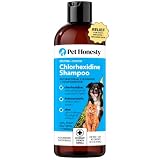
- A HEALING CLEAN : Yes, it’s shampoo for dogs! Yes, it’s shampoo for cats! And yes, it’s shampoo that cleans & heals! It soothes irritated skin, providing itch relief for cats, & dogs. An effective shampoo for dogs with allergies & cats, it promotes a shiny coat, reduces inflammation, & helps heal hot spots. This cat & dog antibacterial shampoo also reduces smelly odors associated with bacteria & fungus. Basically, our cat & dog shampoo for yeast & itching is 16 ounces of a better clean routine.
- FROM THE INSIDE OUT: Made with a veterinary strength formula, our shampoo for dogs with itchy skin & cats is made with soothing aloe & without sulfates, parabens, phthalates, alcohol, & artificial colors. Our shampoo with chlorhexidine & ketoconazole for dogs & cats is a gentle, safe & effective way to help heal skin issues while keeping your pet comfortable & clean.
- THE PET, PET WASH: You know our cat & dog shampoo for sensitive skin provides relief for itchy skin, soothes irritated & inflamed skin, targets smelly odors, & promotes a shiny coat. But did you know that’s it’s the #1 chlorhexidine shampoo on Amazon*? Don’t wait to give your pet the healing wash they deserve. *Based on Stackline Atlas data (had to combine all grooming & other pet health supplies to capture entire market*L52W as of December 2024
- ON THE RIGHT SCENT: Not only does our medicated dog shampoo for itchy skin soothe irritation, promote a health coat & leave your pet feeling fresh & clean, it also has a light cucumber melon scent that helps with unpleasant odors from fungus & bacteria.
- THE HONEST DIFFERENCE: Our products are made with clean, science-backed ingredients for results you can trust, & with no fillers, artificial preservatives, colors, or flavors, you'll have no doubt your dog is getting the best. Proudly supporting pets in need nationwide & using recycled plastic in our packaging, there's also no doubt that we're committed to doing our best. -- All products are made in the U.S.A. | NASC Member Company
Where topical care fits
Shampoos, rinses, mousses, and wipes can support a broader plan. Cornell describes topical products as ways to remove allergens, moisturize the skin, or address some secondary skin problems. A veterinarian may recommend a particular formulation, contact time, bathing frequency, or application area based on the dog’s skin and ears.
If you are looking for a physical product, the accurate category is medicated dog shampoo for itchy skin. That phrase describes supportive care, not a diagnosis or a cure. A shampoo cannot determine whether itching comes from fleas, food, infection, or atopy, and it is not suitable for every rash. Stop and contact the clinic if bathing causes marked pain, swelling, hives, breathing difficulty, or a rapid worsening of the skin.
Use only products intended for dogs and follow the label or veterinary instructions. Avoid getting solutions into the eyes or ear canals unless the product and the veterinarian’s directions specifically allow it. Over-bathing, vigorous scrubbing, or combining several medicated products can irritate an already damaged skin barrier.
Quick wins for a faster PC:
Repair Windows errors before they cause bigger problemsFix Now →Scan for outdated or missing drivers - takes under a minuteDriver Scan →Matching the intervention to the question
| Option | Main purpose | Supervision | Best-fit situation |
|---|---|---|---|
| Flea preventive selected with a veterinarian | Addresses flea exposure and flea-allergy triggers. | Veterinary guidance is important, especially with other pets or medical conditions. | Fleas, flea dirt, compatible history, or a plan to rule out flea allergy. |
| Therapeutic elimination diet | Tests whether food is contributing to skin or ear signs. | Veterinarian-directed; strict household compliance is required. | Suspected food reaction, followed by a planned challenge. |
| Topical shampoo, rinse, mousse, or wipe | Removes allergens, moisturizes, or supports management of selected superficial problems. | Product choice and frequency should match the skin findings. | Supportive care alongside investigation and treatment of the cause. |
| Prescription management for atopy | Controls itch and inflammation or supports long-term disease management. | Veterinary prescription and follow-up. | Atopy after parasites, infection, and other differentials have been addressed. |
| Intradermal or serum allergy testing | Identifies relevant allergens for possible immunotherapy. | Ordered and interpreted by a veterinarian. | Planning immunotherapy, not making the initial diagnosis of atopy. |
Home care that makes the plan work
Small details at home can determine whether a treatment appears to fail.
Best Value

- Gentle Cleanse — Hypoallergenic shampoo gently removes dirt while moisturizing your pet’s skin
- Light Scent – Gentle coconut scent eliminates unwanted odors trapped deep in the coat
- Fresh look, Favorite Formula Inside – Packaging may differ during transition.
- Give every prescribed treatment for the stated duration, even if scratching decreases quickly.
- Keep parasite prevention on the schedule your veterinarian recommends and make sure every household pet is considered.
- During a diet trial, prevent access to other food and record every accidental exposure.
- Wash or replace bedding as directed when environmental debris may be contributing to irritation.
- Inspect paws, ears, and skin folds regularly, but do not repeatedly clean irritated areas unless instructed.
- Photograph representative lesions at the same distance and lighting so changes are easier to compare at rechecks.
- Record itch severity, sleep disruption, chewing, odor, discharge, and medication dates in a simple daily log.
Do not apply essential oils, human steroid creams, pain medicines, or leftover antibiotics without veterinary advice. Dogs can lick topical products, and some human medicines are unsafe for them.
When to call promptly
Arrange veterinary care promptly for rapidly spreading redness, open or bleeding skin, pus, strong odor, painful ears, repeated head shaking, facial swelling, hives, lethargy, or a sudden decline in appetite. Breathing difficulty, collapse, or rapidly developing facial swelling is an emergency.
Also call when a previously helpful plan stops working. A new infection, renewed parasite exposure, a diet-trial breach, or a different diagnosis may be responsible. Escalating products on your own can obscure the signs the veterinarian needs to see.
How to set realistic expectations
Relief may come in stages. Treating an infection or parasites can reduce one source of irritation, while the underlying allergic tendency still needs management. Some dogs need a short-term flare plan plus a separate maintenance routine. Others require seasonal adjustments.
The AAHA guideline summary states: “Treating the allergic patient is not one-size-fits-all, and a multimodal approach often yields the best results.” That means success is measured by comfortable sleep, less chewing and scratching, healthier skin and ears, and a workable routine—not by finding one product that eliminates every future flare.
Keep follow-up appointments and report both improvement and side effects. A clear record allows the veterinarian to taper, replace, or combine approaches safely. With a confirmed cause and consistent monitoring, many dogs can regain a good quality of life even when their allergy requires lifelong management.
Quick Recap
Product prices and availability are accurate as of the date/time indicated and are subject to change. Any price and availability information displayed on Amazon at the time of purchase will apply.





Leave a Reply