A former laboratory dog is not defined by a single medical or behavioral profile. Adoption can be an excellent fit when the individual dog’s records, temperament, needs and support plan match your household. Before agreeing, obtain the dog’s health and transfer documents, ask what skills and experiences it has had, prepare a secure and quiet first-week setup, and arrange veterinary and behavior support for concerns that arise.
Is a former laboratory dog right for my household?
Suitability is decided one dog at a time. The National Institutes of Health (NIH) says adoption should proceed only when an animal’s health, welfare, safety and circumstances make transfer appropriate. The receiving home must also be able to meet any conditioning or socialization needs, comply with local rules and protect everyone involved. As NIH puts it: “Adoption programs should be initiated only when they contribute to the safety and well-being of the animals and the individual(s) receiving the animal.”
As an Amazon Associate I earn from qualifying purchases.
That means “former laboratory dog” is background information, not a diagnosis. It does not establish a predictable lifespan, disease risk, friendliness, house-training level or ability to live with children, cats or other dogs. The releasing institution and placement organization should explain what is known about the particular dog and whether your home is a safe match.
Crashes, No Sound, or Screen Glitches?
Random freezes, missing sound and display glitches usually trace back to one bad driver. Find and replace yours safely.Free scan · under a minuteWindows Errors? Fix Them Before They Spread
Repair common Windows errors and clear accumulated junk for a smoother, more stable PC - no reinstall needed.Free scan · no reinstallFactors to weigh before applying
- Can you provide a quiet decompression period rather than expecting an instantly confident pet?
- Can you secure doors, gates and outdoor areas and keep the dog under control on early walks?
- Can your household supervise introductions to children and other animals?
- Can you fund an initial veterinary examination and follow-up care if records identify an unresolved need?
- Will you have time for patient, reward-based teaching of house manners, leash walking and household routines?
What should I ask about the dog’s health history?
Ask for the actual records that will transfer with the dog, not a general statement that laboratory dogs are “healthy.” NIH guidance describes a health certificate and an ownership-transfer document stating the animal’s health at transfer. It also notes that diagnostic testing, appropriate vaccinations and surgical sterilization may be performed before transfer when the attending veterinarian determines they are appropriate. These are possible steps, not a universal package received by every dog.
#1 Best Overall

- Engineered for Ultimate Strength: Constructed from 1/2 inch diameter rock climbing rope, this heavy duty dog leash is distinctively durable and strong. It is designed to withstand the strongest pulls from large and energetic dogs, giving you peace of mind that your pup won't break free during walks
- Comfortable Padded Handle: Say goodbye to rope burn. Our soft, cushioned foam handle provides an amazing grip and protects your hands from sudden tugs. Enjoy longer walks and extended training sessions with total comfort, even if your dog is a puller
- Maximum Nighttime Visibility: Highly reflective threads are woven through the entire length of the rope (not just painted on), keeping you and your fur baby visible to passing cars and cyclists during early morning jogs or late-night strolls. Perfect for urban streets and low-light environments
- Tangle-Free 360° Swivel: Featuring a heavy-duty metal clasp that rotates 360 degrees, this ensures the rope never gets twisted or tangled, no matter how much your dog moves around. The zinc alloy hook is rust-proof and easy to clip onto any dog collar or harness in seconds
- Versatile for Any Activity: Park walks, trail hikes, or yard training. Offers ideal balance of freedom and control. Comes in 4ft, 5ft, 6ft lengths and 12 colors. 3/8" diameter suits small to medium dogs – lightweight and non-bulky. For medium and large dogs, choose 1/2" diameter
Request these details in writing
- Known diagnoses, previous illnesses, injuries, surgeries, medications and allergies.
- Dates and results of veterinary examinations and diagnostic tests.
- Vaccinations, parasite control and sterilization status, where applicable.
- Current food, body weight, body-condition assessment and any diet instructions.
- Recommended follow-up, restrictions, warning signs and the date of the next examination.
- The name and contact method for the organization or veterinarian if a problem appears after transfer.
Some organizations arrange substantial care before adoption. For example, the Beagle Alliance says every animal it places receives at least one veterinary wellness assessment and necessary treatment or surgery before adoption. That describes its own process; it should not be assumed of another organization.
Use health guidance as a question prompt, not a prediction
Older LASA/RSPCA rehoming guidance tells adopters to receive a briefing on general health issues, including obesity. Treat that as a reason to ask about this dog’s body condition, feeding plan and exercise needs—not as evidence that former laboratory dogs commonly have obesity. Your own veterinarian should interpret the records and examine the dog after placement.
Arrange an independent veterinary visit
Book a routine appointment soon after arrival, following any timing requirement in the transfer agreement. Bring every document, medication and diet instruction. Ask the veterinarian to reconcile the records with a physical examination, establish preventive-care dates and explain which changes require a call. A new dog that is not eating, has repeated vomiting or diarrhea, shows breathing difficulty, collapses, cannot urinate, or appears in severe pain needs prompt veterinary advice; use an emergency clinic when the signs are urgent.
Will a former laboratory dog have behavior problems?
There is no single answer. A home may expose a dog to televisions, appliances, stairs, traffic, unfamiliar surfaces, visitors and household routines it has never encountered. Beagle Freedom Project warns that some laboratory survivors may show anxiety, generalized fearfulness or little prior training. LASA/RSPCA guidance similarly describes possible nervousness, fear, dependency problems and other behavior changes when experiences are new, while emphasizing that dogs differ.
Rank #2

- 【Professional Retractable Dog Leash】 The ultimate combination: 16 ft strong nylon reflective tape, impact-resistant ABS housing, and a stainless steel anti-chew cable. This design greatly reduces the risk of being bitten through, extending the leash’s lifespan. Augwind’s retractable leash is specifically designed for small to medium dogs under 50 lbs, offering the best value on the market
- 【Safe & Effective】16 ft Strong Reflective nylon webbing; Over 100,000 retraction times; Max anti-jerk tensile strength: 350 lbs; . Whether day or night, on the street or lawn, the Augwind retractable leash makes every walk safe and easy
- 【Quick Lock System】 Operate the pause, lock, and unlock buttons with a single thumb. Enjoy smooth braking and instant response. The Augwind retractable dog leash ensures the safety of both you and your pet on every outing
- 【2026 Equipment Upgrades】1. Reflective webbing 2. Chrome-plated, rust-proof 360° rotating clasp 3. Ergonomic soft silicone handle 4. Reserved slot for poop bag holder 5. Stainless steel anti-chew cable
- 【2-Year Warranty】 We are a professional pet products company committed to bringing the safest, most practical, and affordable pet products to pets and their owners. We promise to solve any quality issues within 2 years. We provide 24/7 after-sales service. If you have any questions, please feel free to contact us
Those cautions do not mean a former laboratory dog will remain fearful. Purdue University’s Canine Welfare Science Group summarizes Döring and colleagues’ 2017 observations of 74 laboratory beagles six weeks after adoption, together with owner interviews about those dogs and 71 additional dogs at one and twelve weeks. The observed dogs were mostly friendly toward people and dogs, tolerated owner handling and were relaxed on walks. The summary reports that 80% of 71 dogs walked well on a leash without pulling. The authors reported successful adaptation in that sample.
A group result cannot predict your dog, another breed or a different placement setting. It is useful context when balanced with the individual’s records, foster observations and behavior during your meetings.
Questions to ask the rescue or releasing institution
| Topic | Questions to ask |
|---|---|
| Medical history | What conditions, tests, treatments, vaccines and sterilization procedures are documented? What follow-up is due? |
| Daily behavior | How does the dog respond to handling, grooming, confinement, household noise, visitors and being alone? |
| Skills | Has it used a leash, eliminated outdoors, traveled in a vehicle or learned cues such as its name? |
| Social contact | What is known about children, adults, dogs, cats and other animals? Which introductions have been successful? |
| Safety | Has the dog attempted to bolt, climb, chew, guard resources or react defensively? What management prevents those problems? |
| Support | Who answers questions after transfer, how quickly, and what veterinary or behavior referrals are available? |
| Terms | What transfer documents, trial arrangements, return policy and local legal requirements apply? |
NIH guidance specifically calls for compliance with applicable federal, state and local laws. Ask which documents must be signed, who legally owns the dog during a trial and whether your jurisdiction requires identification, vaccination or other records.
Recommended Free Tools
How do I prepare the home and the first day?
Plan for management before you plan for adventures. LASA/RSPCA guidance recommends a relatively quiet environment, an escape-proof garden and keeping beagles on lead because they may run off and be difficult to retrieve. The same precautions are sensible for any dog whose response to a new environment is not yet known.
Rank #3
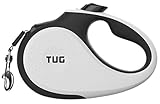
- Small Retractable Dog Leash is Suitable for Dogs Under 35 lbs; Medium For Dogs Under 55 lbs; Large For Dogs Under 110 lbs; Retractable Leashes Not Suitable For Chewing
- 16 ft Tape Retractable Dog Leash With Easy-Adjust Retraction; 360 Degree Tangle-Free Inlet
- Quick Lock And Unlock Feature - Easy Roll-On and Roll-Off With Your Thumb
- Super Comfortable Grip For Those Long Walks! Ergonomic Anti-Slip Handle
- Heavy Duty Internal Coil For Consistent Retraction and Recoil
Before pickup
- Secure doors, windows, gates and fencing; identify places a frightened dog could squeeze through.
- Set up a quiet resting area with water, bedding and food that matches the organization’s instructions.
- Prepare identification and a standard leash. No particular leash design is established as necessary by the available guidance.
- Remove toxic foods, medications, loose cords and objects that could be swallowed.
- Tell household members which person will handle feeding, doors, walks and supervision.
First 24 to 72 hours
- Bring the dog through one controlled entrance and keep exterior doors closed before removing any transport restraint.
- Offer water, a small familiar meal and a bathroom opportunity. Avoid crowding, forced handling or a stream of visitors.
- Keep the first walks brief and controlled. Do not test recall in an unfenced area, even if the dog appears calm.
- Allow the dog to observe household sounds at a tolerable distance. Pair ordinary noises with food rather than forcing approach.
- Record eating, drinking, elimination, sleep, coughing, vomiting, diarrhea, scratching and notable behavior for your veterinarian.
A quiet start is not isolation forever. It gives you time to learn the dog’s signals and prevent a bolt or overwhelming interaction while trust develops.
How do I help the dog settle during the first weeks?
Build a predictable routine
Feed, toilet, walk and rest at broadly consistent times. Predictability helps you distinguish adjustment from illness and lets the dog learn what happens next. Increase activity and access to rooms gradually rather than granting the entire home immediately.
Teach ordinary pet skills
Do not assume house training, leash manners, response to its name or comfort with stairs and household appliances. Use short sessions, high-value rewards and clear repetition. Take the dog outside after waking, eating, drinking and play; reward elimination in the correct place and clean accidents with an enzymatic product. Punishment can increase fear and does not teach the desired behavior.
Introduce people and animals carefully
NIH notes that some placements require extensive conditioning or socialization to integrate a dog into a home with children or other animals. Ask the organization what it has observed and follow its introduction plan. Use barriers, parallel walks or separate rooms when advised. Supervise every early interaction, give the dog a retreat and never force contact because a visitor or resident animal wants to approach.
Rank #4

- ENHANCED NIGHT VISIBILITY: Keep your dog safe during early morning or evening walks. The upgraded double-sided reflective stitching catches streetlights and car headlights brightly, ensuring you both remain highly visible to traffic in low-light conditions
- CUSHIONED ANTI-BURN HANDLE: A savior for hands when walking active dogs that pull. The soft, thick interior padding prevents painful rope burn and strain, providing a secure, comfortable grip for better control when your furry friend lunges. Includes a sturdy metal D-ring for clipping poop bag dispensers
- PERFECT 6FT BALANCE: The ideal length for urban walks, offering your dog enough freedom to sniff around while keeping them close enough for easy command in busy areas. Choose the 3/4'' width for small breeds, or the robust 1.0'' width for powerful medium to large dogs
- HEAVY-DUTY TANGLE-FREE CLASP: Features a strong metal spinning snap that allows 360° movement, preventing frustrating leash tangles so your dog can move freely around you. Built with high-density nylon webbing for reliable daily strength. NOTE: While tough for pulling, this nylon material is NOT chew-proof. Don't leave unattended with chewers
- COMPLETE THE LOOK: Available in vibrant colors tailored to match your dog's style. For the ultimate coordinated walking set, pair this leash with our matching Joytale reflective nylon collar
Expand experiences at the dog’s pace
Once the dog is eating, resting and coping with the current routine, add one manageable experience at a time: a new surface, a quiet route or a calm visitor. Stop or increase distance when you see freezing, frantic escape attempts, tucked posture, persistent panting, trembling, hiding, growling or snapping. Progress is measured by recovery and relaxed behavior, not by how many new places you visit.
Independent reader supportYour contribution helps us test, update, and keep practical guides available for everyone.What if my new dog is fearful, destructive or unable to walk on a leash?
Fear is information, not defiance. Reduce the difficulty, restore distance and reward voluntary attention. A dog that pulls, plants its feet or tries to flee may not yet understand the leash or may find the environment overwhelming. Return to short, quiet outings and ask the placement organization for techniques based on its history.
Destructive chewing, vocalizing or accidents can reflect stress, lack of training, excess energy or a medical problem. Prevent access to unsafe objects, provide appropriate enrichment and keep a written pattern of when the behavior occurs. Do not use intimidation, shock or physical corrections on a frightened dog.
The Tool Desk
Outbyte Driver Updater FREEFix the driver behind crashes, sound loss and screen glitchesFind Drivers →Outbyte PC Repair FREEClear out junk files and repair common Windows errorsFree Scan →Contact a qualified, reward-based trainer or behavior professional when distress persists, the dog cannot function in daily life, or there is growling, snapping, biting, escape behavior or conflict with another animal. Involve your veterinarian because pain, gastrointestinal disease, sensory problems and other medical issues can change behavior. LASA/RSPCA guidance recommends access to a suitably qualified behaviorist and veterinary or specialist behavior advice where appropriate.
Best Value

- Upgrade: The product has been modified to use nylon thread directly sewing, very strong.All handles was sewn onto the leash instead of the cord ties.Package includes: frosted zipper bag,two handles dog leash.
- MAXIMUM TOUGHNESS AND DURABILITY: Nearly 2X thicker and stronger than standard dog leashes. 3mm thick and 1” wide with tightly webbed nylon for enhanced rugged construction.
- DUAL HANDLES FOR TOTAL CONTROL: Soft Neoprene and padded handle, comfortable than ever ;Equipped with an extra traffic handle for amazing control. Use the standard handle for those casual dog walks or quickly grab the built in traffic handle to guide your pup through crowded areas with ease.
- 360° Rotating Clasp: Swivel clasp prevents the leash from twisting and dog getting tangled. Heavy-duty metal clasp makes our training leashes last longer than most ones. Premium components for maximum strength
- BE SAFE AND VISIBLE AT NIGHT: Luminous reflective threading keeps you both safe and visible on your late-evening walks. Enjoy a large 2” heavy duty clip for added safety and thick D-ring to attach your favorite dog training clicker or dog poop bag holder.Packaging details:Frosted zipper bag,Dog leash with D ring
How do adoption organizations handle the transition?
Processes vary, so compare the support offered rather than assuming every program follows the same steps.
| Organization example | Described process or support | What it means for an adopter |
|---|---|---|
| Beagle Freedom Project | Application review, phone interview, virtual home check, references, placement agreement and a foster-to-adopt trial. | A shy dog may have time to decompress before a final decision. |
| Beagle Freedom Australia | Form, interview, meet-and-greet, trial period, final adoption and a gradual transition room. | Ask how the transition room works and what behavior is monitored. |
| Beagle Alliance | Veterinary wellness assessment, treatment when needed and continuing veterinary and behavioral transition support. | Confirm which services continue after the dog enters your home and who pays for follow-up. |
These are named organizations’ own descriptions, not a universal standard. Confirm current availability, geographic limits, fees, trial terms and return procedures with the organization serving your area.
How should I compare two dogs or placement programs?
Choose the match with the clearest information and the safest support plan, not simply the dog with the most appealing photograph or the shortest wait.
Free tools Windows power users keep installed
One-click scans. No signup required.
- Records: Are medical and behavior histories specific, dated and transferred in writing?
- Observed comfort: What does the dog actually do around handling, people, dogs, noises and restraint?
- Household fit: Can your children, resident animals, schedule and physical setup accommodate the dog’s known needs?
- Support: Is veterinary and qualified behavior help available before and after placement?
- Transition: Does the organization offer foster-to-adopt, a trial or a gradual decompression arrangement?
- Rules: Are ownership documents and local legal requirements clear?
If important information is unknown, ask whether the organization can gather it through foster observation or a controlled meet-and-greet. “Not yet known” is safer than treating an untested skill as established.
What outcome should I expect?
Expect an individual adjustment process rather than a guaranteed timeline. Some dogs may quickly enjoy people and walks; others may need careful exposure, house-training practice or professional help. The reliable indicators are the dog’s own records, observed behavior, recovery after stress and your ability to provide secure management, veterinary care and patient teaching. A responsible placement makes those facts and the available support clear before you commit.
Quick Recap
Product prices and availability are accurate as of the date/time indicated and are subject to change. Any price and availability information displayed on Amazon at the time of purchase will apply.




