Recommended Free Tools
Choose a pet by the care routine and lifetime commitment your household can reliably provide—not by the animal’s size. Dogs need daily exercise, elimination access, companionship, and training as needed. Small animals need species-appropriate housing, food, activity, social contact, and veterinary care. Cats also require a dependable plan for daily care and veterinary needs; the right fit depends on the individual animal and household.
How to compare pets before adopting
Start with the life you can provide on an ordinary workday, during travel, and when an animal needs medical care. The American Veterinary Medical Association (AVMA) advises matching a pet to your household and lifestyle, considering the time, effort, and money involved, and checking that any needed veterinary care is available. Its 2024 pet-ownership brochure puts the goal plainly: “Your veterinarian can answer any questions you have and make recommendations tailored to the needs of your current or future pet(s), you, and your family.” AVMA, 2024
- Daily routine: How much time can you give to feeding, cleaning, exercise, handling, grooming, training, and interaction?
- Time away: Who will care for the animal when you work late, travel, or become ill?
- Home and housing: Do your lease and local rules allow the animal? Is there enough safe indoor space for its needs?
- Veterinary access: Can you reach a veterinarian familiar with that species, including for urgent care?
- Household fit: Consider children, other pets, allergies, noise, and changes such as a move or a new work schedule.
- Long-term commitment: Are you prepared to provide care across the animal’s potential lifespan, including illness and emergencies?
These are not just adoption-day questions. AVMA and ASPCA guidance both stress planning for the animal’s needs over time and arranging care before a problem arises. AVMA dog-selection guidance; ASPCA criteria for responsible care
What daily care looks like
Dogs
Dogs need daily feeding, exercise, play, companionship, and grooming as appropriate. They also need opportunities to eliminate outdoors multiple times a day, plus veterinary care and a plan for absences. Puppies generally add substantial work: housetraining, supervision, socialization, and training. An adult dog may already know some house rules or basic commands, but needs vary by individual. AVMA, “Selecting a pet dog”
#1 Best Overall
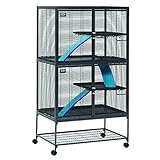
- SPACIOUS 2-STORY HABITAT: Measures 36 x 24 x 63 inches with two full levels of living space. The 1/2" horizontal wire spacing safely contains rats, chinchillas, ferrets, sugar gliders and degus while allowing natural climbing behavior.
- DURABLE CONSTRUCTION: Sturdy metal wire design with a gray quartz hammertone finish, Critter Nation resists everyday wear. Complete with 2 removable base pans, 3 textured ramps with covers, and 2 full-width resting shelves.
- CUSTOMIZE YOUR HABITAT: Height-adjustable design lets you customize the perfect setup for your pet, with 2 wide expanse shelves and 2 full-width plastic pan floors to maximize play space. Compatible with a wide range of accessories.
- BUILT FOR DAILY LIFE: Full-width double doors provide maximum accessibility, with a swing-up locking ramp that lets you separate pets or section off areas during cleaning and feeding. Bottom level shelf provides storage area for pet accessories.
- BECAUSE LIFE GOES BETTER WITH PETS: A family-owned business based in Indiana, MidWest Homes for Pets brings over 100 years of pet product expertise and a commitment to quality, rigorous safety testing, and excellent US-based customer service.
Dog expenses can go well beyond an adoption or acquisition fee. AVMA lists possible costs including emergency treatment, grooming, boarding, licensing, identification, sterilization, training, and accessories. Which of these apply, and how much they cost, depends on the dog and where you live.
Small animals
“Small animal” is not one care category. A rabbit, guinea pig, hamster, gerbil, mouse, and rat have different housing, diets, activity, social, and veterinary needs. Before adopting, learn the needs of the particular species and number of animals you are considering. A suitable enclosure is a meaningful part of the setup; a generic small cage is not a safe assumption.
Rank #2
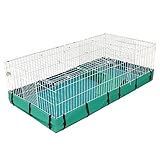
- Spacious Living Area: Measures 47 x 24 x 14 inches; Provides 8 square feet of interactive space; meets veterinarian and breeder recommendations for one to three guinea pigs
- Protective Wire Top & Divider Panel: Fully removable mesh top provides added security from other pets or children; hinged divider panel with lock-in-place ramp separates play and care areas-great for cleaning or managing multiple guinea pigs
- Secure Yet Accessible: 14-inch high sides keep guinea pigs safely contained while offering easy access for pet owners; suitable for indoor or outdoor use
- Quick Assembly: Sets up in minutes with no tools required; designed for first-time guinea pig owners and experienced cavy enthusiasts alike
- Expandable & Modular: Connect multiple habitats for endless configurations; lock-in-place doors double as ramps for easy movement between connected enclosures
For guinea pigs, consult a current species-specific guide and a veterinarian about habitat design and space. Petfinder’s guide, updated October 21, 2025, covers housing and habitat needs; its recommendations are specific to guinea pigs and should not be applied to other species. Petfinder, “How to Care for a Guinea Pig as a Pet”
Rabbits can be clean and sociable house pets, but they still need an appropriate home and careful lifestyle matching. The AVMA cautions that outdoor hutches can expose rabbits to weather extremes and predators; even when a predator cannot reach them, the stress can be harmful. AVMA rabbit-selection brochure
Rank #3
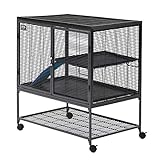
- SPACIOUS HABITAT: Measures 36 x 25 x 38.5 in. with a main level and upper shelf for comfortable living space. The 1/2" horizontal wire spacing safely contains chinchillas, rats, ferrets, sugar gliders & degus while allowing natural climbing behavior.
- DURABLE CONSTRUCTION: Sturdy metal wire design with a gray quartz hammertone finish, Critter Nation resists everyday wear. Complete with removable base pan, textured ramp with cover, and a full-width resting shelf, it's ready for years of use.
- CUSTOMIZE YOUR HABITAT: Height-adjustable design lets you customize the perfect setup for your pet, with a wide expanse shelf and full-width plastic pan floor to maximize play space. Compatible with our Add-On Unit for additional room.
- BUILT FOR DAILY LIFE: Full-width double doors provide maximum accessibility, with a swing-up locking ramp that lets you separate pets or section off areas during cleaning and feeding. Bottom level shelf provides storage area for pet accessories.
- BECAUSE LIFE GOES BETTER WITH PETS: A family-owned business based in Indiana, MidWest Homes for Pets brings over 100 years of pet product expertise and a commitment to quality, rigorous safety testing, and excellent US-based customer service.
Cats
Cats are part of this decision, but the available guidance here does not support a detailed, universal routine comparison between cats and dogs or small animals. Ask the shelter or rescue about the particular cat’s temperament and care needs, and discuss veterinary planning with a veterinarian before adopting.
How long might a small animal live?
Rodent lifespans vary by species. The AVMA’s 2025 rodent-care brochure gives these average ranges—not guarantees for an individual animal: AVMA, “Additional Tips on Caring for Your Pet Rodent”
Rank #4

- Spacious Space: This metal small animal cage features a multi-level layout that creates roomy activity areas. The non-slip ramp supports climbing, playing, and daily movement
- Secure Design: Our ferret cage is suitable for ferrets, chinchillas, kittens, and other small pets. Tight 0.55 in wire spacing and the secure door latch help reduce escape risks
- Solid Build: The small animal cage is built with thick square metal tubes for a stable structure. The evenly powder-coated surface resists rust for long-lasting use
- Easy Cleaning: This sugar glider cage has multiple openings, making cleaning easier from different sides. The pull-out bottom tray slides out smoothly and reduces paw scratches
- Easy Mobility: Our chinchilla cage comes with lockable swivel casters for easy movement indoors or outdoors. It lets pets get sunlight and fresh air more conveniently
| Species | Average lifespan stated by AVMA |
|---|---|
| Hamsters | 2–3 years |
| Gerbils | 2–3 years |
| Mice | 1–3 years |
| Rats | 2–4 years |
| Guinea pigs | 5–7 years |
Use lifespan as one part of the decision, not as a measure of how easy an animal will be to care for. The same brochure explains why it is important to choose for the species rather than treating “small pet” as a single type.
Independent reader supportYour contribution helps us test, update, and keep practical guides available for everyone.Can you afford the care?
There is no current apples-to-apples lifetime cost total established here for adopting a dog, cat, rabbit, hamster, rat, or guinea pig. It would be misleading to assume that a smaller animal is automatically cheaper: housing setup, routine veterinary care, and treatment for illness or injury can all be significant.
Outdated Drivers Are Slowing You Down
One free scan finds every outdated or missing driver and matches the right update for your exact hardware.Free scan · exact hardware matchWindows Errors? Fix Them Before They Spread
Repair common Windows errors and clear accumulated junk for a smoother, more stable PC - no reinstall needed.Free scan · no reinstallBest Value

- Security & Durability: Constructed with sturdy metal materials, this hamster cage ensures a secure structure, preventing your hamster from chewing on the bars and extending the cage’s lifespan. It provides peace of mind by prioritizing your pet’s security.
- Comfort & Spaciousness: Our hamster habitat is thoughtfully designed and available in two size options, this cage offers your hamster ample space to move, play, and rest freely. The top ventilation holes maintain consistent airflow, creating a healthy and comfortable living environment.
- Visual Enjoyment: Featuring high-transparency acrylic panels and a large viewing window, this dwarf hamster cage offers a 360-degree panoramic view, allowing you to observe your hamster’s activities anytime and enhancing the joy of pet ownership.
- Easy to Assemble: The clear, step-by-step assembly instructions make setting up the small animal cage for hamster simple and quick. You’ll be able to complete the setup in no time and start enjoying your pet’s company.
- Easy to Clean: The pet mouse cage features front acrylic panel that is easily removable, and the washable materials make routine cleaning and maintenance a breeze, ensuring a hassle-free experience for pet owners.
Build a budget around the animal you are considering. Include initial equipment and habitat, food, routine and emergency veterinary care, and any species- or household-specific needs such as grooming, training, boarding, licensing, sterilization, or identification. Ask local rescues and veterinary practices for estimates relevant to your location and the individual animal.
Insurance may help some households manage eligible veterinary costs, but policies differ. ASPCA adoption guidance identifies waiting periods and exclusions for pre-existing conditions as issues to check. ASPCA adoption tips If cost pressures arise after adoption, ASPCA also discusses support intended to help people keep their pets. ASPCA, “Keeping Animals in Homes”
Does a rabbit fit your lifestyle?
Ask whether you can provide a safe, suitable home, daily care, and access to veterinary help—not simply whether a rabbit seems quiet or small. Consider the risks of outdoor housing, the household’s schedule, other pets, and who will care for the rabbit when you are away. The AVMA’s rabbit-selection guidance can help you evaluate the match before adopting. AVMA rabbit-selection brochure
How to care for a guinea pig as a pet
Begin with species-specific housing and habitat guidance, then confirm your plan with a veterinarian familiar with guinea pigs. Make room in the budget for suitable setup and veterinary care, and ask a rescue about the needs and history of the individual animal. Petfinder’s guide, updated October 21, 2025, is a starting point for housing and care questions, not a substitute for individualized veterinary advice. Petfinder guinea pig care guide
What’s actually slowing this PC down?
Pick the symptom - the matching free tool is one click away.
Prepare your household before adoption
- Check permission and space. Confirm that your housing rules and local restrictions allow the species, and that you can provide its safe, appropriate living area.
- Map the daily routine. Decide who handles feeding, cleaning, exercise or activity, interaction, and other care, including on busy days.
- Find veterinary care. Identify a veterinarian who treats the species and ask about preventive care, urgent appointments, and likely costs.
- Plan for absences and emergencies. Name a backup caregiver and decide how you will arrange care if you travel or cannot provide it temporarily.
- Talk with a reputable shelter or rescue. Ask about the individual animal’s behavior, health, and needs; some organizations specialize by species. ASPCA recommends arranging veterinary care soon after adoption. ASPCA adoption tips
Assign a responsible adult to the adoption and ongoing care, and make sure everyone in the household understands the plan. A rescue and a veterinarian can help clarify the needs of a specific animal before you commit.
Quick Recap
Product prices and availability are accurate as of the date/time indicated and are subject to change. Any price and availability information displayed on Amazon at the time of purchase will apply.




