
Recommended Free Tools
Billy was adopted after waiting more than seven years for a home that could accommodate his reported behavior. Sarah Rascon and her fiancé, Nathan, eventually offered the setting Best Friends Animal Society described as a fit: a quiet house, a six-foot-high solid brick backyard wall and a plan to introduce Billy to people gradually.
The account, published by Best Friends on September 23, 2011, is a story about one dog and one adoption. It shows how a match depended on Billy’s reported needs and on Sarah’s circumstances changing over time—not on a universal formula for dogs with similar histories.
| # | Preview | Product | Price | |
|---|---|---|---|---|
| 1 |

|
My Someone: A Pet Adoption Story | $13.25 | Buy on Amazon |
| 2 |

|
Second-Chance Dogs: True Stories of the Dogs We Rescue and the Dogs Who Rescue Us | $7.99 | Buy on Amazon |
| 3 |

|
Can I Be Your Dog? | $11.48 | Buy on Amazon |
| 4 |
|
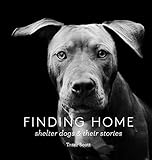
Finding Home: Shelter Dogs and Their Stories | $21.50 | Buy on Amazon |
| 5 |

|
Duncan & Stone Dog Memory Book & Puppy Training Journal with Prompts | $23.97 | Buy on Amazon |
As an Amazon Associate I earn from qualifying purchases.
Why Billy needed a selective match
Best Friends Animal Society said Billy arrived from the San Francisco SPCA as a six-month-old puppy. The organization’s account describes a history of lunging and early barrier aggression after he reached Best Friends. He was also selective about which people he accepted. Because of those behaviors, Billy became a staff-only dog, meaning ordinary visitors could not simply approach him as they might approach a broadly social shelter dog.
Quick wins for a faster PC:
Fix the driver behind crashes, sound loss and screen glitchesFind Drivers →Clear out junk files and repair common Windows errorsFree Scan →The same account makes an important distinction: Billy reportedly got along well with other animals. His difficulty was described primarily in relation to people and to barriers, not as a blanket inability to live with other pets. That difference shaped the kind of home the organization believed would suit him.
#1 Best Overall
Best Friends adoption manager Kristi Littrell said, “Once he formed a bond,” he remembered a person for life. The quotation is part of the organization’s 2011 account of Billy; it is not a behavioral assessment that can be applied to every dog with a history of lunging or barrier aggression.
Sarah followed Billy’s story before she could adopt
Sarah Rascon first saw Billy’s profile on the Best Friends website while she was living in Wisconsin and planning a move to Arizona. Seeing a dog she cared about did not immediately make adoption practical. In Arizona, Sarah lived in an apartment and did not think Billy would do well in the smaller space, particularly because meeting strangers was reportedly difficult for him.
Instead of treating her interest as a reason to proceed regardless of the circumstances, Sarah kept checking Billy’s profile and stayed in contact with Kristi Littrell. Best Friends reported that Sarah had previously adopted two cats from the organization and had volunteered there for more than 12 years. Her familiarity with the organization gave her a long-running connection to Billy’s story, but it did not remove the need to consider where and how he would live.
The article says Sarah had hoped to adopt Billy for more than three years. That period is a story-specific figure reported by Best Friends in 2011, not a typical waiting time for adopters or a statistic about shelter dogs.
The household changed before the adoption did
After years of interest, Sarah met Billy, and Best Friends said the meeting went well. The decisive change came later, when Sarah and Nathan bought a house. Their new property had a six-foot-high solid brick wall around the backyard. They believed the house could provide Billy with a quieter environment than the apartment and give them a controlled way to manage introductions.
Sarah described their approach this way: “We had the opportunity to have a quiet household, and slowly introduce him to more people.” In the story, that sentence explains why the couple felt ready at that point, after previously deciding that their apartment was not suitable.
The match therefore involved more than affection for a particular dog. It involved a location, a household routine and the adopters’ willingness to let Billy meet people gradually. Those factors are useful for understanding this case, but the article does not present them as a validated matching test. A wall, a quiet home or a slow introduction cannot by itself predict how another dog will behave.
Do these 3 things before closing this tab:
1Repair Windows errors before they cause bigger problems2Fix the driver behind crashes, sound loss and screen glitches3Clear out junk files and repair common Windows errorsWhat happened when Billy finally went home
Best Friends reported that Billy settled into Sarah and Nathan’s household. The home included a cat and four other dogs, and the account says Billy got along with them. It also says he did well when meeting new people after the adoption.
Sarah’s mother became, in the article’s affectionate description, Billy’s “cookie dispenser.” Sarah added, “He will do anything for a cookie!” The detail illustrates a familiar part of their relationship, but it is presented as a personal observation about Billy rather than a recommendation that food rewards will produce the same response in every dog.
The family also traveled with Billy. Best Friends described him as enjoying those trips, adding another example of how the organization portrayed his life after adoption. None of these observations should be read as a guarantee for a different dog with a similar shelter history; they are reported outcomes for Billy in this household.
Rank #3
Sarah summed up the long process by saying, “It was quite a wait, but he’s definitely worth it.” Her statement captures the emotional conclusion of the story while still leaving the practical point intact: the adoption happened only after the household could offer conditions Sarah and Nathan believed were appropriate.
Billy’s adoption timeline
| Event | Detail reported by Best Friends |
|---|---|
| Arrival at Best Friends | Billy came from the San Francisco SPCA as a six-month-old puppy. |
| Time waiting for a home | More than seven years, according to the 2011 account. |
| Sarah’s period of hoping to adopt him | More than three years, according to the 2011 account. |
| Sarah’s connection to Best Friends | She had volunteered there for more than 12 years and had previously adopted two cats from the organization. |
| Publication date of the feature | September 23, 2011. |
These durations belong to Billy’s individual story. They are not population-level measurements, current shelter averages or forecasts for how long a dog with behavioral challenges will wait.
What “the right person” meant in this case
A home that matched the dog’s reported needs
Sarah’s apartment in Arizona raised a concern about space and about encounters with unfamiliar people. The later house gave the couple a different setting, including a private yard enclosed by a solid brick wall. The account presents that physical environment as one reason they felt able to adopt; it does not claim that a particular wall height solves barrier aggression in general.
Time to build trust
Sarah did not expect Billy to become comfortable with everyone immediately. Her stated plan was to introduce him to more people slowly. The organization’s description of Billy as selective about people, alongside Kristi Littrell’s observation about remembering people after forming a bond, makes the gradual approach central to this particular match.
Continuity and informed interest
Sarah’s interest lasted through a move from Wisconsin to Arizona, a period when she decided an apartment was unsuitable and the later purchase of a house. She continued to monitor Billy’s profile and communicate with the adoption manager rather than making a quick decision based only on a photograph or a single visit.
A compatible multi-animal household
Because Billy reportedly got along with other animals, the presence of a cat and four dogs in the new household was consistent with the account’s description of his strengths. That does not mean every dog that is selective with people will be safe or comfortable with other pets. It means Best Friends reported that this distinction applied to Billy.
What the story can—and cannot—tell adopters
The feature offers a detailed human-interest account of one adoption, not a behavior manual. It does not include a named quotation from a veterinarian, behavior specialist or professional standards body. It also does not provide a success rate for adopting dogs with histories of lunging, a test for determining whether a home is suitable, or evidence that a six-foot wall generally prevents aggressive behavior.
The positive outcome is also reported by the organization that placed Billy. Best Friends said he settled in, lived successfully with the household’s cat and four dogs, met new people well and traveled with the family. Those are meaningful details about the case, but they cannot establish that another dog would respond in the same way to the same arrangement.
The account is historical as well. It describes events and observations published in 2011. Readers looking for current adoption procedures, available dogs or present-day policies would need to consult the organization’s current information rather than infer them from Billy’s story.
Free tools Windows power users keep installed
One-click scans. No signup required.
Why Billy’s long wait still matters
Dogs who are selective about people can be overlooked when adopters are seeking an easy first meeting or an immediately social companion. Billy’s story shows a different path: the dog remained visible to someone who cared about him, while that person waited until her living situation could better match what she understood about his needs.
Best Value
- Dog Memory Journal: Celebrate the story of your furry best friend with this beautifully designed dog journal and capture every milestone, gotcha day, adoption stories, and special moments to treasure for years
- Premium Craftsmanship: Featuring a linen hardcover with gold foil accents, this 96-page dog planner features a convenient lay-flat design, making it easy to write and add photos, wrapping timeless memories in an elegant design
- Interactive Workbook: From the day you bring your pup home to everyday adventures, this new dog memory book lets you capture memories uniquely and engagingly with guided prompts, fun journaling sections, and space for your favorite photos
- What’s Included: Wrap the pet journal with memories, this dog training book includes Gotcha Day & Adoption Story pages, “All About Me” details, monthly growth tracking, health & vet record logs, and everyday life with your dog
- A Thoughtful Gift: An ideal dog adventure book for new puppy parents, rescue dog families, or lifelong dog lovers; makes a thoughtful and heartfelt present for birthdays, adoptions, holidays, or any special occasion to celebrate your furry friend
It also shows that “right person” does not mean a magically perfect individual. In this account, the match was created by several practical elements working together: Sarah’s sustained interest, Nathan’s participation, a quieter house, a secure yard and an intention to introduce people gradually. The couple’s decision followed a meeting that went well and a change in circumstances, rather than a promise that Billy’s history would disappear.
Finally, the story keeps Billy’s reported strengths in view alongside his challenges. He had been described as lunging, showing barrier aggression and accepting only certain people, yet he was also said to get along with other animals and later to do well with new people. That combination is why the case cannot be reduced to a label. It is a record of one dog whose behavior looked different in a home that his adopters believed fit him.
The lasting lesson from Sarah and Billy
Best Friends’ account ends with a dog who had waited more than seven years living with a family that believed it could meet him where he was. Sarah’s years of attention mattered, but so did her decision not to adopt while she was in an apartment she considered unsuitable. The eventual adoption followed a better-fitting home and a deliberate plan for introductions.
What’s actually slowing this PC down?
Pick the symptom - the matching free tool is one click away.
That is the narrow, evidence-based meaning of Billy finding “just the right person”: Sarah and Nathan offered circumstances they believed matched his reported behavior, and the organization described the result as positive. It is an encouraging story about patience and fit, not a promise about every behaviorally challenging dog or every future adoption.
Quick Recap
Product prices and availability are accurate as of the date/time indicated and are subject to change. Any price and availability information displayed on Amazon at the time of purchase will apply.





Leave a Reply