Quick wins for a faster PC:
Fix the driver behind crashes, sound loss and screen glitchesFind Drivers →Clear out junk files and repair common Windows errorsFree Scan →Dry, flaky skin in cats is a sign, not a diagnosis. Several problems—including parasites, allergies, infection, grooming difficulties, and other disorders—can look similar, so flakes alone cannot tell you the cause. Gently inspect your cat’s coat, avoid experimenting with products or remedies, and contact a veterinarian if the flaking persists, recurs, spreads, or comes with other skin changes.
Gentle grooming can help you notice changes, but it does not treat the underlying cause. A veterinarian can examine your cat and decide whether testing or a supervised treatment or diet trial is needed.
First, look beyond the flakes
During gentle coat inspection, note where the flakes are and whether you see itching, redness, scabs, odor, hair loss, sores, or a change in grooming. These signs overlap across skin conditions and cannot reliably identify the cause at home. The Merck Veterinary Manual describes scaling, itching, redness, oiliness, odor, and hair loss as possible signs of dermatitis, which is a general term for skin inflammation rather than a specific diagnosis.
| What you notice | What it may mean | What to do |
|---|---|---|
| Mild flakes without other obvious changes | Several causes are possible; flakes alone do not establish that the skin is simply dry. | Inspect and groom gently. Contact your veterinarian if it persists or returns. |
| Itching, redness, scabs, sores, or hair loss | These can accompany different inflammatory or infectious skin problems. | Arrange veterinary assessment rather than trying to diagnose or treat the cause yourself. |
| Greasy scale or an unusual odor | These may occur with skin inflammation or infection, among other problems. | Contact your veterinarian for advice and an examination. |
| Flaking alongside reduced grooming or other changes in health | Grooming difficulties or a broader health problem may be involved. | Tell your veterinarian about the changes and when they began. |
A change in grooming is worth mentioning to your veterinarian. During routine grooming, the ASPCA recommends checking for dry, flaky, or irritated skin and looking for parasites.
Do these 3 things before closing this tab:
1Clear out junk files and repair common Windows errors2Scan for outdated or missing drivers - takes under a minute3Repair Windows errors before they cause bigger problems#1 Best Overall

- HYPOALLERGENIC FORMULA FOR SENSITIVE SKIN: Gentle shampoo made without harsh detergents, parabens, sulfates, or synthetic fragrances, reducing the risk of skin reactions during bathing for cats with dry, flaky, or reactive skin.
- SHEA BUTTER AND HONEY CONDITIONING: Shea butter and honey help moisturize and soften fur during the bath, supporting a coat that feels smoother and less dry after rinsing compared to basic cleansing-only formulas.
- PH BALANCED FOR FELINE SKIN: Formulated specifically for cats with a pH level suited to feline skin, which differs from human skin pH; using a cat-specific formula reduces the risk of skin barrier disruption during bathing.
- FRAGRANCE-FREE FOR CAT COMFORT: Contains no added fragrance, which helps reduce stress during bathing for cats sensitive to strong scents, and avoids exposing felines to artificial perfumes they may find irritating.
- GENTLE LATHER FOR MANAGEABLE BATHING: Light lather rinses clean without heavy residue, making it easier to fully remove shampoo from the coat during the rinse stage, which is often the most challenging part of bathing a cat.
Common causes of dry, flaky skin in cats
Parasites
Fleas, mites, and other parasites can be among the causes of skin irritation and flaking. A coat inspection or flea comb may help you check the fur, but it cannot rule out parasites or replace a veterinary-approved control plan. Use flea or parasite products only with veterinary guidance and only as directed for your cat.
Allergies and other inflammation
Allergies to food, substances a cat contacts, airborne allergens, or flea bites can be associated with skin problems. Other irritants, infections, injuries, and body-wide disorders can also cause inflammation. The Cornell Feline Health Center’s overview of feline skin diseases describes a range of possible causes; their likelihood varies by location and patient population. Do not infer a particular allergy or disease from flakes alone.
Grooming difficulties and other disorders
Some cats may have difficulty keeping their coat groomed. Persistent flaking can also accompany other skin or general health disorders. Tell your veterinarian if you notice reduced grooming, worsening skin changes, or other changes in your cat’s health.
Infection and other skin conditions
Bacterial, fungal, parasitic, and other conditions can produce overlapping signs. The right treatment depends on identifying the cause; a moisturizer, bath, or diet change is not a universal solution. A suspected infection or worsening skin problem should be assessed by a veterinarian.
What’s actually slowing this PC down?
Pick the symptom - the matching free tool is one click away.
Rank #2

- Premium Cat Shampoo Formula - Deep cleansing and conditioning in one step.
- Safe for Cats & Kittens - Natural ingredients for sensitive skin.
- Gentle Cat Care - Vet-developed, gentle for regular use.
- Tear-Free & pH-Balanced – Hypoallergenic formula is safe for kittens and sensitive cats.
- Clean & Safe - Free from harsh chemicals, perfect for indoor cats.
Safe home care for mild flaking
Home care should be limited to gentle observation and routine grooming while you monitor your cat. It is not a substitute for veterinary advice when flakes persist, recur, spread, or occur with other skin changes.
1. Inspect and groom gently
Part the coat gently and look for irritation, sores, scabs, hair loss, or parasites. A soft brush or cat flea comb can help with coat inspection, but neither diagnoses nor cures skin disease. Stop if grooming appears painful or distressing, and tell your veterinarian what you observed.
2. Avoid unapproved products and remedies
Do not apply creams, lotions, oils, human skin products, or other home remedies—or give supplements or medication—without asking your veterinarian. Cats may lick products from their coat, and this research does not establish common online remedies as safe or effective treatments for a particular cat. If you suspect your cat has been exposed to a product that may be harmful, contact a veterinarian for advice.
3. Ask before changing diet or bathing
Do not switch foods, start a supplement, or bathe repeatedly as a response to flakes without veterinary guidance. If your veterinarian suspects a food-related problem, follow the recommended diet trial as directed. Ask before applying any moisturizer or shampoo; suitability depends on the cat and the skin problem.
The Tool Desk
Outbyte PC Repair FREERepair Windows errors before they cause bigger problemsFix Now →Outbyte Driver Updater FREEFix the driver behind crashes, sound loss and screen glitchesFind Drivers →Rank #3
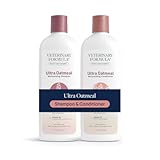
- MOISTURIZE & SOOTHE – Made with oatmeal, silk protein, jojoba, and pomegranate, this dog shampoo and conditioner set helps nourish, moisturize, and support a soft, healthy coat
- HYDRATES & CONDITIONS FOR A SHINY COAT – Formulated with shea butter and silk protein, this duo helps maintain moisture, leaving fur feeling soft, silky, and manageable after every bath
- FRESH SCENT THAT LASTS – Infused with a raspberry tea and pomegranate fragrance, this pet shampoo for dogs features patented fragrance extenders that help keep your pup smelling clean and fresh long after bath time
- FORMULATED FOR PETS – Designed with a sulfate-free, pH-balanced formula, this shampoo and conditioner for dogs is made without dyes and is suitable for dogs with sensitive skin
- QUALITY PET CARE AT A GREAT VALUE – Our dog shampoos & conditioners are made with premium ingredients at an affordable price, because we believe every pet deserves high-quality care without compromise
When your cat needs a veterinarian
Contact a veterinarian if flaking persists, recurs, or spreads, or if you notice:
- Itching, redness, scabs, sores, or painful skin
- Greasy scale, an unusual odor, or worsening skin changes
- Hair loss or a coat that is becoming increasingly difficult to groom
- Reduced grooming or other changes in your cat’s health
More severe skin damage, pain, discharge, rapid worsening, or a cat that appears unwell warrants more urgent veterinary contact. If you are unsure how quickly your cat needs care, call your clinic for guidance.
What happens at the veterinary appointment?
Your veterinarian may ask when the problem began, whether it is changing, how your cat grooms, what products or treatments you have tried, and whether other animals are affected. A physical and skin examination helps guide next steps.
Depending on the findings, diagnosis may involve tests or observing how the cat responds to a veterinarian-directed treatment or diet trial. Cornell’s feline skin disease guidance describes cause-specific approaches, including parasite control, dietary management for food allergy, and treatment of infections. These are examples for veterinary care, not do-it-yourself prescriptions.
Free tools Windows power users keep installed
One-click scans. No signup required.
Rank #4

- Premium Cat Unscented Shampoo Formula - Deep cleansing and conditioning in one step.
- Safe for Cats & Kittens - Natural ingredients for sensitive skin.
- Gentle Cat Care - Vet-developed, gentle for regular use. Fragrance-free.
- Tear-Free & pH-Balanced – Hypoallergenic formula is safe for kittens and sensitive cats.
- Clean & Safe - Free from harsh chemicals, perfect for indoor cats.
The treatment plan depends on the cause. Similar-looking signs can require different approaches, so visible flakes alone are not enough to choose a treatment.
A practical decision guide
- Inspect gently. Note where the flakes are and whether there is itching, redness, scabbing, odor, hair loss, pain, or reduced grooming.
- Do not experiment. Avoid applying or giving products, remedies, supplements, or medication without veterinary guidance.
- Contact your veterinarian. Seek advice if flaking persists, recurs, spreads, or comes with other skin changes.
- Follow the diagnosis-based plan. Use treatments and any diet trial as directed by your veterinarian.
FAQ
What causes dry, flaky skin in cats?
Possible causes include parasites, allergies, infection, other inflammation, grooming difficulties, and broader health disorders. Flakes alone cannot identify which cause applies to your cat.
What can I safely do at home?
Gently inspect and groom your cat, note any changes, and avoid trying unapproved products or remedies. Contact your veterinarian if the flaking persists, recurs, spreads, or appears with other signs.
Can a flea comb treat cat dandruff?
No. A flea comb can help you inspect the coat, but it does not diagnose or treat the cause of skin flaking and does not replace a veterinary-approved parasite-control plan.
Best Value

- Mild & pH-Balanced Cleanser – Formulated with oatmeal for gentle yet thorough cleansing, our shampoo helps maintain skin balance with non-irritating ingredients. Ideal for all skin types, offering a refreshing wash suitable for regular grooming.
- Thoughtfully Sourced Blend – Made with carefully selected ingredients, free from added fragrances, colors, and unnecessary additives. Provides a gentle cleanse that supports a soft, healthy coat and comfortable skin.
- Gentle for All Life Stages – Suitable for cats and small pets 4 weeks and older, including those expecting. This mild formula provides a comforting cleanse, supporting thorough care through various stages of growth.
- Supports Skin and Coat Health – Designed for all skin types, including pets prone to dryness, especially in colder months. This formula helps keep your pet’s coat soft and clean, promoting comfort and a well-conditioned coat year-round.
- Quick-Rinse Formula – Made for efficient rinsing, this shampoo can be diluted to create an easier bath experience. Helps shorten bath time, making it simpler and more comfortable for both you and your pet.
Should I apply moisturizer or oil to my cat’s skin?
Ask your veterinarian before applying creams, lotions, or oils. A product’s suitability depends on the cat and the cause of the skin problem; do not assume an online remedy is safe or effective.
Will changing my cat’s food fix flaky skin?
Not necessarily. If your veterinarian suspects a food-related problem, follow the recommended diet trial as directed rather than switching foods on your own.
The Bottom Line
Dry, flaky skin is a sign with several possible causes, not a diagnosis. Inspect and groom gently, avoid unapproved products and remedies, and contact a veterinarian when the problem persists, recurs, spreads, or comes with itching, redness, sores, odor, hair loss, pain, reduced grooming, or other changes in health.
Quick Recap
Product prices and availability are accurate as of the date/time indicated and are subject to change. Any price and availability information displayed on Amazon at the time of purchase will apply.
Recommended Free Tools




