
What’s actually slowing this PC down?
Pick the symptom - the matching free tool is one click away.
The Appaloosa is a versatile North American horse breed recognized for its variable leopard-complex coat patterns, mottled skin, visible white sclera, and often-striped hooves. But spots alone do not define the breed: some registered Appaloosas have little or no obvious pattern, and the horse’s pedigree, registration status, characteristic traits, conformation, history, and individual performance all matter.
The Appaloosa is a versatile North American horse breed recognized for its variable leopard-complex coat patterns, mottled skin, visible white sclera, and often-striped hooves. But spots alone do not define the breed: some registered Appaloosas have little or no obvious pattern, and the horse’s pedigree, registration status, characteristic traits, conformation, history, and individual performance all matter.
As an Amazon Associate I earn from qualifying purchases.
Appaloosas can excel in western events, cattle work, racing, dressage, jumping, endurance, trail riding, and family-horse roles. They are also a breed that deserves informed health management. Horses with two copies of the leopard-complex variant (LP/LP) have congenital stationary night blindness and an increased risk of equine recurrent uveitis, a potentially vision-threatening inflammatory eye disease.
Crashes, No Sound, or Screen Glitches?
Random freezes, missing sound and display glitches usually trace back to one bad driver. Find and replace yours safely.Free scan · under a minutePC Slower Than It Used to Be?
A free scan shows the junk files, broken settings and background clutter dragging Windows down - then fixes them in one click.Free scan · Windows 10 & 11Appaloosa horse facts at a glance
| Category | Key facts |
|---|---|
| Breed origin | The inland Northwest, particularly the Palouse region associated with present-day Idaho and Washington |
| Registry | The Appaloosa Horse Club, incorporated in 1938 |
| Typical identifying traits | Variable coat patterns, mottled skin, visible white sclera, and striated hooves |
| Common uses | Western performance, working cattle, racing, dressage, jumping, endurance, trail riding, and general-purpose riding |
| Important genetic consideration | LP/LP horses have congenital stationary night blindness and elevated risk for equine recurrent uveitis |
| Best ownership advice | Evaluate the individual horse’s health, temperament, training, and suitability rather than relying on color or breed reputation |
Appaloosa history and the Nez Perce
The Appaloosa’s history is closely tied to the inland Northwest and to Nez Perce horsemanship. Horses introduced to North America by the Spanish spread through the continent. In the Northwest, the Nez Perce became known as skilled horsemen and selective breeders who developed horses valued for strength, intelligence, athletic ability, and practical usefulness.
#1 Best Overall

- Barn Brush for Grooming: Transform the grooming routine for your livestock with Weaver Livestock brush for dirt removal; ideal for daily care and show day preparations, the pig show brush helps farmers, ranchers keep barn animals looking their finest
- Stiff Bristle Design: The pig brushes for show day effectively remove dirt and debris from your livestock's coat and deep clean with stiff polypropylene bristles; our cattle brush stimulates and restores fresh, newer hair on sheep, goats, and more
- Healthy and Clean Coat: Use this sheep brush with grooming sprays and shampoos to keep your animals clean and presentable - removing dead hair, dandruff, and dirt; the goat brushes for grooming deliver healthier skin and coat for cattle, lambs
- Durable Wood Handle: Crafted with a sturdy wooden handle, this barn goat brush offers a comfortable grip for long grooming sessions; built to withstand tough use, the reusable pig brush provides you with a reliable grooming tool for years to come
- Versatile Grooming Accessory: Our barn livestock comb works great whether for daily grooming or prepping for a big show; this pet brush is a suitable choice for all types of livestock animals and a great gift for goat, sheep, pigs, and cattle owners
The name Appaloosa is commonly connected with “A Palouse Horse,” a reference to the Palouse region or the Palouse River. That explanation should be treated with care. The modern name was applied by settlers and later standardized through organized registration; historical accounts do not establish that the Nez Perce originally used “Appaloosa” as the name for their horses.
The Nez Perce War of 1877 dispersed Nez Perce herds and severely disrupted the population associated with these horses. Interest in the distinctive spotted horse returned during the late nineteenth and early twentieth centuries. A 1937 article in Western Horseman helped stimulate organized preservation, and the Appaloosa Horse Club was incorporated in 1938.
This history is more complicated than a colorful origin story. The modern Appaloosa’s identity reflects Indigenous horsemanship and breeding expertise, displacement and loss, and later registry-led preservation. A respectful breed profile should recognize all of those elements rather than presenting the horse only as a decorative spotted breed.
Readers who want a deeper look at the breed’s cultural and historical development may enjoy an Appaloosa horse book, particularly a well-sourced history or reference work. Availability and edition details vary, so check the current listing and publication information before buying.
What does an Appaloosa look like?
Appaloosa patterns vary dramatically. A horse may have a spotted blanket over the hips, a blanket with spots, roaning, large white areas covered with spots, or a pattern extending across the back, loin, hips, and much of the body. Pattern expression can change as the horse ages, and two Appaloosas may look very different from one another.
The Appaloosa Horse Club commonly describes four characteristic features:
Rank #2

- Complete Horse Grooming Kit: This complete horse grooming kit includes essential horse brushes and grooming tools for daily care, shedding, and cleaning—everything you need in one set without buying separately.
- Effective Horse Brush Set: Each tool in this horse brush set is designed to remove dirt, loose hair, and debris efficiently, helping improve coat condition and making grooming faster and easier.
- Portable Grooming Kit with Storage Bag: This equine grooming kit comes with a transparent storage bag to keep all horse grooming tools organized and easy to carry for stable use or travel.
- Durable Horse Grooming Tools: Made from durable and lightweight materials, these horse grooming tools are built for repeated use, offering better value than basic grooming kits.
- Ideal Horse Care Supplies Kit: A practical horse care supplies kit for beginners and experienced riders, suitable for daily grooming, bathing, and routine horse care.
- Coat pattern: Leopard-complex patterning may appear as spots, blankets, roaning, or combinations of these.
- Mottled skin: True mottling is a mixture of pigmented and unpigmented areas. It is often visible around the muzzle, eyes, anus, or genital region. Plain pink skin is not the same thing as mottled skin.
- Visible white sclera: The white area surrounding the iris may be clearly visible when the horse is relaxed. This is sometimes called a “human-like” eye, although the feature itself is not unique enough to identify a horse without considering other evidence.
- Striped hooves: Vertical light-and-dark stripes may be present. However, striping associated with white leg markings is not diagnostic by itself.
The breed standard describes an athletic, symmetrical horse with a relatively lean head, defined withers, strong shoulders, a short straight back, muscular hindquarters, and substantial, well-supported limbs. These are ideals used to describe the breed; individual horses will differ in conformation, size, substance, and athletic specialization.
Free tools Windows power users keep installed
One-click scans. No signup required.
Can an Appaloosa be solid-colored?
Yes. A solid-colored horse is not automatically excluded from being an Appaloosa. Some registered horses have little visible pattern or do not display the stereotypical spotted appearance. Depending on the applicable registration category, registered parentage and other Appaloosa characteristics may be relevant.
For Regular registration classification, the registry generally requires a recognizable coat pattern or mottled skin together with another Appaloosa characteristic. Registration rules can change and may depend on the horse’s documentation, so buyers should consult the current Appaloosa Horse Club requirements rather than trying to determine eligibility from photographs alone.
Conversely, a spotted horse is not automatically an Appaloosa. Coat color can occur in other breeds and crossbreds, and striped hooves or visible sclera alone do not prove breed identity. Registration papers, verifiable parentage, and the registry’s current rules provide stronger evidence.
Appaloosa coat genetics: what LP means
The leopard-complex, or LP, variant is central to many Appaloosa coat patterns. It is described as an incompletely dominant variant associated with variable white patterning, pigmented spots, mottled skin, striped hooves, and visible sclera. The amount and appearance of patterning can vary considerably, so inheriting LP does not guarantee a dramatic leopard-spotted coat.
| Genotype | General interpretation |
|---|---|
| N/N | No copies of the tested leopard-complex variant detected. The horse does not have the LP-associated pattern from that tested variant and cannot transmit it. |
| N/LP | One copy detected. The horse may show a variable leopard-complex pattern and can pass the variant to offspring. It is generally not night blind because of LP alone. |
| LP/LP | Two copies detected. These horses have congenital stationary night blindness and an elevated risk of equine recurrent uveitis. |
Genetic testing can therefore be relevant to breeding plans, management decisions, and interpretation of a horse’s nighttime behavior. Testing does not replace a veterinary examination, and it cannot predict every future case of eye disease.
Rank #3
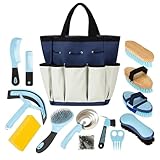
- 14-Piece All-In-One Horse Grooming Kit: Our all-in-one horse brush set covers daily care and show preparation to avoid separate purchases. This full horse brush set includes a soft face brush, flexible finish brush, hard dandy brush, soft body brush, grooming sponge, hoof pick with brush, sweat scraper, 2 straight combs, mane and tail detangler brush, braiding comb, rubber bands, and a waterproof storage tote — the ultimate equine grooming kit for all needs
- Deep Grooming for Healthy Shiny Coat: This horse care kit delivers gentle yet thorough care from head to hoof. The curry comb loosens caked mud, sweat and shedding hair, while the brushes boost skin blood circulation and the detangler brush smooths manes without pulling. Regular grooming leaves coats glossy and healthy, turning routine care into a relaxing bonding experience for you and your horse
- Premium Durable & Ergonomic Build: Built for long-term stable and pasture use, every piece in our horse grooming tools set uses high-grade materials. The rust-resistant stainless steel hoof pick ensures lasting reliability, and all brushes are ergonomically designed which reduce hand fatigue during extended sessions. Gentle on sensitive skin, tough on heavy dirt, suitable for year-round daily use
- 900D Waterproof Oxford Storage Tote: Keep all your tack room accessories neatly organized and ready to go. This waterproof horse grooming bag is made of heavy-duty 900D Oxford cloth, with dedicated compartments and elastic straps to secure each tool. It's for use in horse tack rooms or for on the go, ensuring you have quick access to your essentials
- Fits Riders of All Skill Levels: Ideal for beginners, seasoned equestrians, stable owners and professional caretakers alike, this horse grooming kit fits all usage scenarios. Whether for daily coat upkeep, thorough pre-show grooming, or casual bonding time with your horse, the intuitive tools deliver professional results without a steep learning curve
Congenital stationary night blindness in Appaloosas
Congenital stationary night blindness is an inherited impairment of vision in low-light conditions. In an LP/LP horse, the problem is present from birth and does not simply represent a temporary reaction to a dark environment. The horse may see normally enough in brighter conditions while struggling when lighting is poor or changes suddenly.
This matters in practical situations such as:
- moving the horse through a dark barn or into a dim trailer;
- turning the horse out around dusk or bringing it in after dark;
- riding in low light;
- introducing the horse to shadows, doorways, or unevenly lit areas; and
- deciding whether breeding is appropriate.
A horse that hesitates in darkness should not automatically be labeled stubborn, frightened, or poorly trained. If LP/LP status is known or suspected, discuss safe handling and turnout arrangements with a veterinarian or experienced equine professional.
Equine recurrent uveitis: the major eye-health concern
Equine recurrent uveitis (ERU), also called moon blindness or periodic ophthalmia, is a recurrent inflammatory eye disease. It is a complex autoimmune condition influenced by genetic and environmental factors, and Appaloosas are among the breeds in which it occurs more frequently.
Do these 3 things before closing this tab:
1Repair Windows errors before they cause bigger problems2Scan for outdated or missing drivers - takes under a minute3Clear out junk files and repair common Windows errorsRepeated episodes can damage the eye and may lead to cataracts, glaucoma, retinal degeneration, retinal detachment, and blindness. LP/LP status is associated with increased risk, but a genetic result is not a diagnosis: a horse with one or no LP copies can still develop eye disease, and a horse with two copies will not necessarily show every possible complication at the same time.
Seek prompt veterinary attention for squinting, tearing, eyelid spasms, redness, light sensitivity, corneal cloudiness, or a noticeable change in the eye’s appearance. Eye problems can be emergencies. Trauma, infection, uveitis, and other conditions may look similar to an owner but require different evaluation and treatment. Delaying examination can increase the risk of permanent vision loss.
Owners should examine the eyes regularly, reduce avoidable risk of ocular trauma, keep records of previous episodes, and ask their veterinarian whether LP testing or an individualized eye-monitoring plan is appropriate. Do not start or reuse eye medication without veterinary guidance.
Rank #4

- Stiff bristle brush removes dirt with less effort
- Helps improve coat health and overall appearance
- Contoured design for improved grip
- Fits comfortably in any size hand
- Available in pink and blue
Appaloosa temperament and versatility
The Appaloosa Horse Club presents the breed as versatile and reliable. Appaloosas compete and work in western pleasure, games, working cow horse, racing, dressage, jumping, endurance, trail riding, and other disciplines. That breadth is one of the breed’s strongest attractions: a well-matched individual may transition between recreational riding and more specialized work.
Breed reputation is not a guarantee of temperament. An Appaloosa is not automatically calm, beginner-safe, child-safe, or suitable for every rider. Behavior is shaped by breeding, early handling, training, age, environment, pain, soundness, and the individual horse’s experiences.
When choosing one, observe how the horse behaves during grooming, leading, tacking, loading, turnout, and ordinary handling. If appropriate, arrange a trial ride in the environment and activities where you expect to use the horse. A horse that is quiet in an arena may respond differently on trails, around livestock, in traffic, or in unfamiliar surroundings.
Independent reader supportYour contribution helps us test, update, and keep practical guides available for everyone.Routine Appaloosa care
Appaloosas need the same fundamental care as other horses:
- Nutrition: Provide suitable forage, balanced nutrition, and clean water. Diet should reflect age, body condition, workload, and veterinary or nutrition advice.
- Exercise and turnout: Match activity and turnout to the horse’s fitness, soundness, behavior, and social needs.
- Hoof care: Schedule trimming or shoeing according to conformation, workload, terrain, and hoof health. Striped hooves are a breed characteristic, not proof of unusually strong or weak feet.
- Veterinary care: Maintain a veterinarian-guided vaccination, parasite-control, and health-monitoring plan.
- Dental care: Many horses should receive at least annual dental examinations. Horses over 10 or those with dental problems may need more frequent review.
- Eye monitoring: Make routine eye checks part of handling and obtain prompt help for any abnormal sign.
Dental warning signs include dropping feed, taking unusually long to eat, an abnormal head position, foul odor from the mouth, unexplained weight loss, or behavior changes while being ridden. These signs warrant veterinary attention rather than simply changing feed or equipment.
Horses with extensive unpigmented skin may need individualized protection from sun exposure. The amount of facial and muzzle pigmentation, local climate, shade availability, insects, and the horse’s own history should guide management. Do not assume every Appaloosa requires the same sun-protection routine.
Best Value
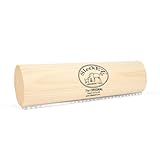
- REMOVE LOOSE HAIR FAST – Spend less time grooming and more time riding. This patented deshedding tool helps remove loose hair and undercoat to leave coats looking cleaner and healthier.
- CLEANER STALLS & TACK ROOMS – Loose hair ends up everywhere. Use as a pet hair removal tool to help reduce shedding before it lands on blankets, equipment, and horse tack.
- A BETTER ALTERNATIVE – Unlike a traditional curry brush or deshedding comb, the patented wave-pattern blade captures loose hair without cutting or damaging healthy coats.
- GROOMING MADE SIMPLE – Add it to any horse grooming kit for quick seasonal grooming. Helps remove large amounts of loose hair with minimal effort and maximum results.
- MADE FOR HEAVY SHEDDERS – This horse deshedding tool works great during seasonal coat changes when excess hair can make grooming slow, messy, and frustrating.
What to check before buying an Appaloosa
Registration papers can help establish identity and documented history, but they cannot establish that a horse is sound, healthy, trained, or suitable for a particular rider. The Appaloosa Horse Club offers pedigree products that may include parentage, registration information, color and coat-pattern details, and show or race history. These are useful verification tools when applicable.
Before buying, review:
- registration papers and ownership-transfer history;
- pedigree and any show, racing, or performance records;
- known eye problems, previous episodes of uveitis, and current veterinary records;
- LP genetic-test results when relevant to appearance, breeding, nighttime management, or risk assessment;
- hoof condition, movement, soundness, body condition, and dental status;
- training history and behavior during the activities you plan to undertake; and
- whether your facilities provide suitable forage, turnout, shelter, safe fencing, companionship, and experienced care.
Arrange an independent, veterinarian-led pre-purchase examination. It should be appropriate for the horse’s intended use and should not be replaced by registry documents, a seller’s assurances, a genetic test, or a visually impressive coat.
Common Appaloosa misconceptions
- “Every Appaloosa has spots.”
- False. Patterns vary, and some registered Appaloosas are solid-colored or have little obvious pattern.
- “The coat pattern is the breed.”
- Incomplete. Breed identity also involves documented parentage, registration rules, historical development, conformation, and characteristic traits.
- “All Appaloosas are calm beginner horses.”
- Not as a universal rule. Evaluate the actual horse’s temperament, training, soundness, and match with the rider.
- “LP/LP only affects color.”
- False. Two LP copies are associated with congenital stationary night blindness and increased risk of ERU.
- “An eye problem can wait.”
- Unsafe. Squinting, tearing, redness, cloudiness, light sensitivity, or other acute changes require prompt veterinary assessment.
- “Striped hooves prove a horse is an Appaloosa.”
- False. Hoof striping can have other explanations and must be interpreted alongside the horse’s other traits and documentation.
Further resources for Appaloosa owners
The Appaloosa Horse Club is the most relevant starting point for current registration requirements, breed standards, pedigree verification, and educational material. For genetics, a veterinary genetics laboratory can explain LP testing, sample requirements, and how results relate to breeding and management. For suspected eye disease, consult an equine veterinarian promptly; breed information is not a substitute for diagnosis or treatment.
There is no need to buy specialized care products simply because a horse is an Appaloosa. Select feed, supplements, fly protection, hoof products, and medical supplies based on the individual horse’s needs and professional advice.
Frequently Asked Questions
No. Appaloosa patterns vary widely, and some registered Appaloosas are solid-colored or have little obvious pattern. Breed identity should be assessed using documentation, registry rules, parentage, and multiple characteristic traits—not spots alone.
Are Appaloosa horses always spotted?
Some individual Appaloosas can be excellent beginner or family horses, but the breed is not automatically calm or beginner-safe. Consider the horse’s training, age, soundness, handling history, and temperament, and match those qualities to the rider.
Are Appaloosas good horses for beginners?
LP/LP means a horse has two copies of the leopard-complex variant. These horses have congenital stationary night blindness and an elevated risk of equine recurrent uveitis. A veterinarian can help interpret testing and plan safe management.
What does LP/LP mean in an Appaloosa?
Squinting, tearing, eyelid spasms, redness, light sensitivity, corneal cloudiness, or a change in the eye’s appearance can be warning signs. Eye problems require prompt veterinary assessment because delayed care can threaten vision.
What are signs of equine recurrent uveitis?
They need the same basic care as other horses: appropriate forage and water, exercise and turnout, hoof care, dental and veterinary care, parasite and vaccination planning, and monitoring for injury or illness. Individual horses may need additional eye or sun-exposure management.
Do Appaloosas need special care?
The Bottom Line
The Appaloosa is a historically significant, athletic, and highly adaptable horse—not merely a spotted color pattern. Learn to assess its full set of characteristics, verify documentation, and judge temperament and suitability horse by horse. Pay particular attention to eye health: LP/LP horses have congenital stationary night blindness and increased ERU risk, while any acute eye change deserves prompt veterinary care.
Quick Recap
Product prices and availability are accurate as of the date/time indicated and are subject to change. Any price and availability information displayed on Amazon at the time of purchase will apply.





Leave a Reply