
Yes—daffodils are poisonous to cats. Daffodils (Narcissus species), including jonquils and paperwhites, contain toxic alkaloids. All parts can be harmful, and the bulb presents the greatest concern. If your cat may have eaten one, contact a veterinary professional promptly rather than waiting for symptoms.
Yes—daffodils are poisonous to cats. Daffodils (Narcissus species), including jonquils and paperwhites, contain toxic alkaloids such as lycorine. Every part of the plant can be harmful, but the bulb is generally the greatest concern because toxic compounds are concentrated there.
As an Amazon Associate I earn from qualifying purchases.
If your cat may have chewed or swallowed any part of a daffodil, remove access to the plant and contact your veterinarian, an emergency veterinary clinic, or an animal poison-control service promptly. Do not wait for symptoms and do not try to make your cat vomit at home.
Which parts of a daffodil are toxic?
All parts of a daffodil can be dangerous:
- Bulb
- Flower
- Leaves
- Stem
- Plant material from cut arrangements or discarded trimmings
The bulb poses the highest risk in many exposures because the toxic compounds are more concentrated in it. However, it is not safe to assume that a nibble of a leaf or flower is harmless. The likely severity depends on the part eaten, amount, time since exposure, and the cat’s size and health.
#1 Best Overall
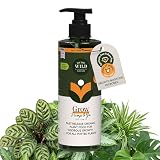
- Get Steady, Healthy Growth in Every Plant: This microbe rich organic formula is designed to promote consistent growth and healthy foliage in indoor potted plants. Fast release and fast acting, it delivers essential nutrients right when your plants need them most, supporting vigor through every growth phase.
- Support Long-Term Plant Health, Not Just a Quick Fix: Formulated with growth supporting microbes and earthworm castings, this fertilizer is derived from natural ingredients and works into the soil to support long-term plant health, not just a quick surface fix. Add two pumps per quart of water, no measuring cups or messy mixing required.
- Feed Your Plants Without the Smell or the Worry: Feed your plants without the smell or worry that comes with some fertilizers. This zero odor brew is formulated to be burn free, so you can use it with confidence during regular watering and watch your houseplants respond with fuller, healthier growth over time.
- Fit Feeding Into Any Watering Routine: The pump dispenser takes the guesswork out of feeding your plants, just two pumps per quart makes a ready to use mix. One bottle makes up to 29 gallons, so it fits easily into a weekly or biweekly watering routine, use it year round to keep your plants thriving.
- Use It on Every Common Houseplant You Grow: This fertilizer is suitable for all varieties of indoor potted plants, including Fiddle Leaf Fig, Snake Plant, Peace Lily, ZZ Plant, Philodendron, and Monstera. Use it alongside We The Wild's other plant care products for a fuller routine, plant by plant, season by season.
Signs of daffodil poisoning in cats
Daffodil poisoning most often causes gastrointestinal problems. Possible signs include:
- Vomiting, which can be severe
- Drooling or excessive salivation
- Diarrhea
- Abdominal discomfort or pain
Larger exposures—particularly those involving a bulb—can cause more serious complications, including:
- Weakness
- Low blood pressure
- Rapid or abnormal heart rate
- Cardiac arrhythmias
- Difficulty breathing
- Incoordination
- Tremors
- Seizures
- Shock
Signs may start within minutes or may take approximately 24 hours to appear. A cat that seems normal immediately after chewing a daffodil should not be considered clear without professional advice.
What to do if your cat ate a daffodil
- Move your cat away from the plant. Prevent further chewing and remove loose leaves, flowers, and bulbs from the area.
- Call a veterinarian or emergency veterinary clinic promptly. You can also contact an animal poison-control service, particularly if the plant or amount eaten is uncertain.
- Save evidence of the exposure. Keep the plant, bulb packaging, or a clear photograph available. Accurate identification matters because common plant names can be confusing.
- Tell the professional what happened. Be ready to provide your cat’s approximate weight, the plant part involved, estimated amount, time of exposure, and any symptoms.
- Follow veterinary instructions rather than treating at home.
Do not give hydrogen peroxide, salt, oil, milk, or another home remedy unless a veterinary professional specifically directs you. In particular, do not try to make a cat vomit at home. Pet Poison Helpline warns that there is no safe or effective at-home vomiting method for cats and that hydrogen peroxide can injure a cat’s gastrointestinal tract.
Rank #2

- MADE FROM PLANTS: Miracle-Gro Organic Plant Food is an outdoor and indoor plant fertilizer made from plants for all plants for Successful Organic Gardening Made Attainable
- PLANT CARE NUTRITION: Made from 94% plant-based fertilizer ingredients, this organic gardening plant support product feeds plants instantly for healthier, more resilient plants (vs unfed plants, when used as directed)
- FOR ALL PLANT TYPES: Use with outdoor container plants, in-ground plants in gardens and raised beds, and with indoor container plants as a houseplant food
- DIRECTIONS: To apply this plant food for houseplants, vegetables, herbs, and flowers, dilute with water per label directions and soak the soil around each plant; reapplications may be made to outdoor garden plants and balcony gardens every 7-14 days or every 2 weeks to indoor plants
- QUANTITY: This 32 fl. oz. container of Miracle-Gro Organic Plant Food makes up to 10.75 gallons of diluted liquid plant food
If your cat may have eaten a daffodil
Remove access to the plant and contact your veterinarian or an animal poison-control service immediately. Do not induce vomiting or give a home remedy unless a veterinary professional specifically tells you to. Have the plant, bulb packaging, or a photograph ready for identification.
In the United States, relevant resources include Pet Poison Helpline and the ASPCA Animal Poison Control Center. Check their current contact details, regional availability, and any applicable fees directly when you call; those details can change.
How veterinarians treat daffodil poisoning
There is no single home treatment or predictable treatment schedule. Veterinary care depends on the amount eaten, plant part, time since ingestion, symptoms, and the cat’s overall health.
Free tools Windows power users keep installed
One-click scans. No signup required.
A smaller exposure may require observation and supportive care for vomiting, diarrhea, dehydration, or abdominal discomfort. A larger exposure or bulb ingestion may require more intensive treatment, such as professionally directed decontamination, intravenous fluids, cardiovascular monitoring or support, muscle relaxants, anticonvulsants, and other care aimed at the cat’s specific symptoms.
Rank #3

- HOW TO APPLY: To apply, simply shake granules evenly on the soil, mix into the top 1-3 inches of soil in gardens or throughout the soil for potted plants, and water to start feeding
- COVERAGE: Approximately 3/4 - 1 cup of this organic plant food covers 20 sq. ft. of in-ground soil area, or 1 tbsp feeds one 6-inch potted plant
- ALL PURPOSE PLANT FOOD GRANULES: Miracle-Gro Organic All Purpose Plant Food grows healthier, more resilient plants (vs unfed plants, when used as directed)
- FOR OUTDOOR PLANTS: Use these garden fertilizer granules with most outdoor plants, including vegetables, flowers, annuals, and perennials growing in-ground or in containers
- FEEDS UP TO 3 MONTHS: This granular plant food feeds plants for up to 3 months and provides vibrant results in as little as 1 week (vs unfed potted plants)
Do not wait for a cat to become weak, uncoordinated, or seizuring before asking for advice. Early consultation helps a veterinary professional decide whether monitoring at home is reasonable or whether the cat should be examined.
Daffodils versus true lilies: an important distinction
Daffodils are not the same plants as true lilies or daylilies. True lilies and daylilies are associated with acute kidney injury in cats and represent a separate, especially urgent hazard.
That distinction does not make daffodils safe. Daffodils primarily cause gastrointestinal toxicity, with possible cardiovascular and neurologic complications in more serious exposures, especially when a bulb is involved. If a plant is only identified as a “lily,” do not rely on the common name—obtain an accurate identification and seek veterinary advice.
Windows Errors? Fix Them Before They Spread
Repair common Windows errors and clear accumulated junk for a smoother, more stable PC - no reinstall needed.Free scan · no reinstallOutdated Drivers Are Slowing You Down
One free scan finds every outdated or missing driver and matches the right update for your exact hardware.Free scan · exact hardware matchHow to prevent daffodil exposure
- Keep daffodil bulbs out of reach. Unplanted bulbs can be tempting for cats to bat around or chew.
- Keep garden plants inaccessible. Consider barriers or a cat-free area if your cat spends time outdoors.
- Check indoor flower arrangements. Cut daffodils and their leaves can still be harmful, even when they are no longer planted.
- Dispose of trimmings securely. Do not leave discarded bulbs, leaves, or flowers where a cat can investigate them.
- Identify unfamiliar plants before bringing them home. Use both the common and scientific name where possible. “Narcissus,” “jonquil,” and “paperwhite” may appear on labels or plant listings.
- Use plant databases as a starting point, not a guarantee. The ASPCA’s plant information is useful for checking known hazards, but its list is not all-inclusive, and even plants classified as non-toxic may cause gastrointestinal upset if eaten.
A safer option for cats that chew plants
If your cat habitually nibbles greenery, a monitored indoor source of untreated wheatgrass or oat grass may be a safer alternative to pesticide- or fertilizer-treated outdoor grass and unfamiliar houseplants. An indoor cat grass growing kit can make that option convenient.
Rank #4
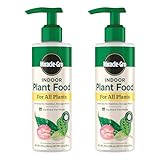
- INDOOR HOUSEPLANT FOOD: Miracle-Gro Indoor Plant Food All Plants contains nutrients for healthier, stronger plants (vs unfed when used as directed)
- NUTRIENTS FOR HEALTHY HOUSEPLANTS: This liquid plant food for indoor plants feeds instantly to help grow healthy houseplants
- FOR INDOOR POTTED PLANTS: Use house plant food with all indoor container plants, including houseplants, flowers, vegetables, herbs, and more
- DIRECTION FOR USE: This Miracle Gro plant food can be applied directly to the soil then watered or mixed in 1 quart of water to feed plants while watering; reapply every 2 weeks
- FEED YOUR INDOOR GARDEN: This bundle comes with two 8 fl. oz. bottles of plant food for houseplants; for more spectacular results, use with Miracle-Gro Indoor Potting Mix for All Plants
Cat grass is a prevention-oriented alternative, not an antidote or detoxifier. It does not treat daffodil poisoning and cannot guarantee that a cat will stop chewing other plants. Choose grass or seeds that are free from pesticides and fertilizers, supervise access, and discard the kit if mold develops.
Independent reader supportYour contribution helps us test, update, and keep practical guides available for everyone.Frequently asked questions
Are daffodil flowers poisonous to cats, or only the bulbs?
The flowers are poisonous too. All parts of the daffodil can be harmful, although the bulb generally presents the greatest concern because toxic compounds are concentrated there.
Can a small bite of daffodil hurt a cat?
It can. A small bite may be less serious than a large bulb exposure, but the amount eaten and severity cannot be reliably judged from appearance alone. Contact a veterinary professional for advice rather than assuming the exposure is harmless.
Recommended Free Tools
How quickly will a cat show symptoms?
Signs may begin within minutes or may take approximately 24 hours. Delayed symptoms are one reason a normal-looking cat still needs prompt professional advice after a suspected ingestion.
Best Value

- 3 MONTHS OF FEEDING: Miracle-Gro Shake 'N Feed All Purpose Plant Food feeds plants for up to 3 months, and nourishes above and below the soil
- GROW STRONGER PLANTS: This plant food contains vital micronutrients to grow stronger, vibrant, and more productive plants (vs unfed plants)
- FOR ALL PLANTS: Use this all-purpose plant food outdoor or indoor to feed container plants or plants in outdoor in-ground and raised bed gardens, including flowers, vegetables, and herbs
- APPLICATION: Apply this continuous release garden product evenly onto the soil and work into the top 1-3 inches of soil for in-ground plants, or lightly work into the soil of established container plants; water to start feeding; reapply every 3 months
- NOURISHES ABOVE & BELOW THE SOIL: Indoor and outdoor plant food contains natural ingredients to feed soil microbes that break down the ingredients into nutrients that support root strength and development which increases water efficiency
Can I make my cat vomit with hydrogen peroxide?
No. Do not give hydrogen peroxide or attempt any other at-home vomiting method unless a veterinarian specifically instructs you. Hydrogen peroxide can injure a cat’s gastrointestinal tract, and cats do not have a safe, reliable home vomiting method.
Frequently Asked Questions
Are daffodils poisonous to cats?
Yes. Daffodils (Narcissus species), including jonquils and paperwhites, contain toxic alkaloids. All parts can be harmful, with bulbs generally posing the greatest risk.
What should I do if my cat ate a daffodil?
Remove the cat from the plant and contact a veterinarian, emergency clinic, or animal poison-control service promptly. Keep the plant or a photograph for identification, and do not induce vomiting or give home remedies.
The Tool Desk
Outbyte Driver Updater FREEScan for outdated or missing drivers - takes under a minuteDriver Scan →Outbyte PC Repair FREEClear out junk files and repair common Windows errorsFree Scan →What are the symptoms of daffodil poisoning in cats?
Possible signs include vomiting, drooling, diarrhea, abdominal pain, weakness, abnormal heart rate, breathing difficulty, incoordination, tremors, seizures, and shock. Signs may take up to approximately 24 hours to appear.
Can I use hydrogen peroxide to make my cat vomit?
No. Hydrogen peroxide can injure a cat’s gastrointestinal tract, and there is no safe or effective at-home vomiting method for cats. Only follow a vomiting or treatment instruction given specifically by a veterinary professional.
The Bottom Line
Daffodils are toxic to cats, and the bulbs pose the greatest risk. Vomiting, drooling, diarrhea, and abdominal pain are common signs; larger exposures can cause cardiovascular or neurologic complications. After any suspected ingestion, remove the plant, save an identifying sample or photograph, and contact a veterinarian or animal poison-control service promptly. Never induce vomiting or give home remedies without veterinary direction.
Quick Recap
Product prices and availability are accurate as of the date/time indicated and are subject to change. Any price and availability information displayed on Amazon at the time of purchase will apply.
What’s actually slowing this PC down?
Pick the symptom - the matching free tool is one click away.





Leave a Reply