
Do these 3 things before closing this tab:
1Clear out junk files and repair common Windows errors2Scan for outdated or missing drivers - takes under a minute3Repair Windows errors before they cause bigger problemsAustralia has no single national licence for keeping a pet reptile. Your requirements depend on the state or territory, the exact species, how many animals you keep and whether you intend to breed, trade, display or transport them. Some jurisdictions prohibit particular reptiles altogether.
Identify the species by its scientific or accepted common name, check the current list published by your wildlife authority, and obtain every required licence or permit before paying a breeder or collecting an animal. Then verify legal sourcing and prepare species-appropriate housing, heating, lighting, humidity and quarantine facilities.
As an Amazon Associate I earn from qualifying purchases.
Why an Australian reptile licence is a state-and-species question
Native wildlife is regulated by state and territory law rather than one household-pet rule. Authorities use different terms—licence, permit, class, category, exemption and species list—and the same reptile can be treated differently across borders. A permit that is valid in one jurisdiction does not authorise possession in another.
The animal’s identity matters as much as your address. Authorities may distinguish between basic and advanced species, protected and unprotected animals, dangerous snakes, or reptiles that are not listed at all. Numbers and activities matter too: keeping one animal, keeping a collection, breeding, selling, displaying and moving an animal interstate can trigger different conditions.
#1 Best Overall
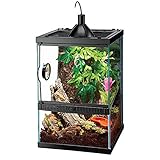
- A perfect reptile habitat for your small arboreal reptile or amphibian
- Front opening door on this reptile terrarium allows for easy access
- Glass terrarium hinged lid allows for additional access and the powder coated screen resists rust
- 5" Deep water tight bottom allows for unique water features, making this vertical terrarium the perfect mini paludarium
- Kit Includes: 12"x12"x18" glass front opening terrarium, Rock Like Foam Background, Front Locking Latch and Pin, Hinged Screen Top, Mini Halogen Dome with Bulb, Coconut Husk Bedding, Humidity and Temperature Gauge, Feeding Dish, and Setup Guide
- Check the exact species and any subspecies or colour-morph classification.
- Confirm whether the rule covers possession, breeding, sale, display and transport separately.
- Read the current licence conditions, code of practice and enclosure requirements.
- Apply and wait for approval before acquiring the reptile; paying an application fee does not necessarily guarantee approval.
State and territory comparison
| Jurisdiction | Basic position | Important limits or checks |
|---|---|---|
| New South Wales | A biodiversity conservation licence is required for a native reptile; exotic reptiles are illegal. | Companion, basic and advanced classes differ by species, number, age and experience. |
| Queensland | A licence is required for protected native animals. | Standard, specialised and advanced licences set different animal-number, breeding, trading and dangerous-snake rules. |
| South Australia | Basic and Specialist native animals generally require a hobbyist/recreational permit above the stated thresholds. | Species list, six-month holding rule and possible import/export permit apply. |
| Tasmania | A pet permit is normally required for reptiles and amphibians. | Only limited specimens are exempt; a code of practice applies. |
| Victoria | Most reptiles kept in captivity require a wildlife licence. | Category and species rules, welfare codes and enclosure duties must be checked. |
| Western Australia | A reptile-pet licence is required. | The pet-keeping and dealing list identifies standard and advanced requirements. |
| Australian Capital Territory | Most native animals cannot be taken, kept, released, killed, imported or exported without a licence. | Confirm the species-specific licence or exemption and prove legal origin. |
| Northern Territory | Current requirements are not established here by an authoritative source. | Contact the responsible NT wildlife authority; do not infer rules from another jurisdiction. |
New South Wales: licence classes, fees and sourcing rules
NSW protects native reptiles under its biodiversity legislation. You need a biodiversity conservation licence to keep an eligible native reptile as a pet, while exotic reptiles are illegal to keep. The companion licence permits one eligible animal. Keeping more than one requires a Native Animal Keeper Licence.
The companion category starts at age 16; a parent or guardian applies for a child under 16. The listed companion fee is $50 for five years. For basic reptiles, the listed fee is $63 per class for two years or $143 for five years, before any applicable discount. Fees and conditions can change, so use the amount shown when you apply rather than an old fee quoted elsewhere.
Advanced NSW classes
Advanced classes begin at age 18 and require two years of experience with the relevant lower class. Higher classes require evidence of experience and facilities. For R3–R5 examples, the authority identifies first-aid training, escape-proof enclosures, a lockable room, references demonstrating venomous-reptile handling and a written emergency-response plan. Keeper licences also involve records and annual lodgement requirements. An application is assessed; submitting payment is not an approval.
What’s actually slowing this PC down?
Pick the symptom - the matching free tool is one click away.
Buying or moving a reptile in NSW
Buy native reptiles only from a licensed pet shop or licensed keeper. For an interstate purchase, you must already hold the appropriate NSW Native Animal Keeper Licence and obtain a licence to transport the animals interstate. Never collect a native reptile from the wild, and never release an unwanted pet. Licensed keepers must follow the applicable private-keeping code.
Rank #2
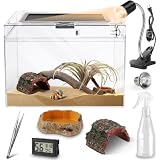
- COMPLETE 7-PIECE STARTER HABITAT KIT: Includes the terrarium, stainless-steel tweezers, digital thermometer/hygrometer, hide cave, sprayer, feeding bowl, and heat lamp. Use it as a compact starter habitat or observation enclosure, giving first-time keepers the essential tools for everyday small-pet care
- TEMPERATURE & HUMIDITY MONITORING FOR DAILY CARE: The included digital thermometer hygrometer measures temperature and humidity, while the waterproof base and sprayer support moisture-focused setups. Designed for hermit crabs, frogs, and other suitable small pets that require closer environmental monitoring
- SECURE LOCKING LID WITH VENTILATION: The seamless one-piece enclosure combines a sturdy locking top with a ventilated mesh lid to support airflow while helping keep small pets safely contained. The accessible top makes daily feeding, misting, observation, and routine habitat maintenance easier
- CLEAR POLYCARBONATE & EASY-CLEAN WATERPROOF BASE: Transparent, shatter-resistant pc provides a clear 360° view, while the seamless waterproof base helps contain moisture and makes routine wipe-downs and substrate changes easier. Customize with species-appropriate hides and heating or lighting equipment
- 3.2-GALLON COMPACT HABITAT FOR SMALL PETS: Measuring 12 x 7 x 9 inches, this terrarium is designed for hermit crabs, frogs, tarantulas, mantises, and other small reptiles, amphibians, or invertebrates. Its compact footprint fits desktops, shelves, classrooms, and reptile rooms
Queensland: choose the licence class before deciding on a species
Queensland requires a licence to keep, use or display protected native animals. The standard licence lasts five years and allows up to 10 Class 1 animals. It excludes Class 2 animals and dangerous snakes, does not permit breeding, and requires online records.
Specialised and advanced options
A specialised licence allows up to 50 Class 1 and Class 2 amphibians, birds and reptiles. Breeding is allowed within that limit, but dangerous snakes require specific approval. An advanced licence allows unlimited Class 1 and Class 2 animals; dangerous-snake numbers still depend on approval and the stated limit unless a higher number is authorised. Trading permissions also vary by licence. Check the current Queensland species database: an animal not listed for a licence may be prohibited rather than automatically licence-free.
South Australia: Basic, Specialist and exempt classifications
South Australia classifies native animals as Basic, Specialist, Exempt or Unprotected. A hobbyist or recreational permit is required for two or more Basic animals and for any number of Specialist animals. A Basic permit covers animals appearing on the current Basic list.
Permits can run for one, three or five years. Breeding is permitted under the relevant permit, but an acquired animal generally must be kept for six months before it can be sold or transferred. Moving an animal across a border may require a separate import or export permit. The authority advises allowing at least eight weeks for processing, so apply well before a planned purchase or move.
Rank #3
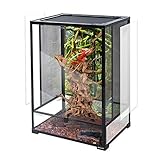
- [Patent Design] 1. Side Meshes and Side Glasses Switched Easily: Great for different needs, the side meshes and side glasses can be switched according to the environment, providing your reptile or amphibian with a long-lasting and comfortable environment.
- 2. Front and Top Opening: The front opening doors allow easy access for maintenance and feeding. A specially designed lock will prevent escape and the doors can be opened separately. Well-ventilated with a removable mesh top allows UVB and infrared penetration, optimum airflow and dome lighting, and easy access while decorating or cleaning.
- 3. Waterproof Base & Raised Bottom Frame: Water-tight base, every terrarium is tested for leaks; Raised bottom frame to fit a substrate heater.
- 4. Easy to assemble: Easy to install, we have installation notes, conveniently flat packed for safety and transport.
- 5.Size and Package : Size : 24 x 18 x 36 inch; Package include : 1pcs *REPTI ZOO reptile glass terrarium,reptile and other decorations not included.
Tasmania: a no-fee pet permit with narrow exemptions
Tasmania normally requires a permit to keep a reptile or amphibian as a pet. The pet permit has no fee, but holders must follow the prescribed code of practice. A limited number of specimens may be kept without a permit; that exemption is species-specific, not a general exemption for all small or common reptiles.
Educational and business permits are separate and may carry fees. Confirm the exact species and the number covered by any exemption with the Tasmanian wildlife department before acquisition.
Victoria: check the wildlife-licensing category and welfare code
Agriculture Victoria states that most reptile species kept in captivity require a wildlife licence. The category and conditions depend on the species and the activity. Licence holders must meet welfare and enclosure duties set out in the applicable codes. Check the Victorian wildlife-licensing authority’s current species information rather than relying on a breeder’s description of an animal as “common” or “easy to keep.”
Recommended Free Tools
Western Australia: use the pet-keeping and dealing species list
Western Australia requires a licence to keep reptiles as pets. Its pet-keeping and dealing species list identifies whether a reptile falls into a standard or advanced category and states the associated requirements. Look up the exact species before entering into a sale, and check whether dealing, breeding or transport needs an additional authorisation.
Rank #4

- ✅【Suitable for Beginners】- The 6.6 Gallon Reptile Terrariums is water tight and can hold water.it comes with a long Tweezers,a feeding bowl and a spray bottle.Provide a perfect home and a warm habitat for your small reptiles, amphibians and invertebrates. Ideal for spiders, lizard, small turtles, snails, frogs, snakes, tarantulas, hermit crab or any other insects.
- ✅【Provide Your Pet With a Comfy Home】 The top is made of metal screen to provide adequate ventilation and is safe for overhead heat sources and your pet can enjoy optimal airflow, UVB and infrared penetration, and dome lighting to meet the needs of the reptile keepers.
- ✅【Clear Crystal Explosion Proof PC with 360 Degree full View】Made with high quality thick and extremely high hardness crystal explosion proof PC base for more safety. The biggest feature of this terrarium tank is that it is explosion-proof and anti-drop, with a brightness of more than 98%, and it will not yellow after long-term use. The temperature of this reptile tank can withstand -20 °C to 120 °C. An ideal habitat for desert-dwelling animals.
- ✅【Compact Design and Easily Accessible For Feeding】The cover comes with specially designed feeding port that are designed to be functional and also visually appealing.Unique with super convenient feeding port, magnet spring double insurance, light push feeding, automatic closing to prevent escape.
- ✅【After-Sales Service】Not need install, easy to use.If you have problems when assembling the plastic screws, please carefully watch the video on the page. And a replacement or refund is guaranteed if the products are not up to the standard.
Australian Capital Territory: prove legal origin
In the ACT, it is illegal to take, release, keep, kill, import or export most native animals without a licence. The practical first check is provenance: obtain documentation showing that the animal came from a legal captive-bred or otherwise authorised source and was not taken from the wild. Then confirm the species-specific licence or exemption with the ACT authority.
Northern Territory: do not assume another state’s rule applies
Current authoritative information establishing Northern Territory pet-reptile licence rules and exemptions is not identified here. That is not evidence that a licence is unnecessary. Contact the responsible NT wildlife authority, provide the exact species and intended activity, and obtain written confirmation of the applicable permission before purchase or transport.
How to get the correct licence or permit
- Identify the animal precisely. Record the scientific name, accepted common name, life stage and any morph or hybrid description. Ask the seller for source and transfer documents.
- Set your jurisdiction and activity. State where the reptile will be housed and whether you will keep, breed, sell, display or transport it. A move can involve both origin and destination rules.
- Search the authority’s current species list. Determine the class, category, exemption status and maximum number. If the species is absent, ask whether absence means prohibited, unassessed or covered by another category.
- Read conditions before applying. Check minimum age, experience, first-aid or specialist qualifications, enclosure specifications, lockable-room requirements, records, inspections and emergency plans.
- Prepare evidence and facilities. Gather identity documents, experience records, references, photographs or plans of escape-proof housing and any required training certificates. Do not buy equipment on the assumption that one enclosure or lamp suits every reptile.
- Submit the application and wait for the decision. Keep the receipt, but do not treat payment as permission. Allow the published processing period; South Australia, for example, advises at least eight weeks.
- Arrange a legal transfer. Use an authorised seller, complete transfer records and obtain transport approvals where required. Keep the licence, source paperwork and animal records together.
Legal sourcing, transport and record keeping
A licence to possess an animal does not make an illegally sourced animal lawful. In NSW, native reptiles must come from licensed shops or keepers, and interstate buyers need both the keeper licence and transport licence described above. Other jurisdictions can impose their own origin, import, export and transfer requirements, so check both sides of a border.
The Tool Desk
Outbyte PC Repair FREEClear out junk files and repair common Windows errorsFree Scan →Outbyte Driver Updater FREEFix the driver behind crashes, sound loss and screen glitchesFind Drivers →Retain purchase invoices, permits, microchip or identification details where applicable, transfer forms, breeding records, deaths and escape reports. Online advertising is not proof that a reptile was legally bred or that the seller is licensed. Never release an unwanted reptile; contact the wildlife authority or an authorised rescue for lawful options.
Best Value

- 8-Piece Complete Starter Kit: Includes a clear reptile terrarium, heat lamp, tweezers, hygrometer-thermometer, feeding bowl, sprayer, hide cave, and hammock, providing essential habitat accessories in one convenient set for beginners, first-time reptile owners, hobbyists, classroom educators, and small pet keepers. Designed for reptile lovers and exotic pet enthusiasts who want an easy way to create a comfortable habitat setup
- Secure Locking Mesh Top: Designed with a reliable locking latch to help keep the enclosure securely closed and reduce accidental openings. The top-access mesh lid makes feeding, cleaning, and daily care easier for geckos, frogs, tarantulas, hermit crabs, and other appropriately sized small pets. Ideal for home reptile rooms, bedrooms, offices, classrooms, and hobby display areas
- Multi-Point Ventilation & Humidity Support: The ventilated mesh top promotes steady airflow while allowing heat and light to pass through. The included hygrometer and sprayer help monitor and manage moisture levels, creating a comfortable environment for reptiles, amphibians, and humidity-conscious habitats. Compatible with reptile substrate, moss, climbing decorations, artificial plants, and other habitat accessories for customized setups
- Strong Clear PC & Easy Maintenance: Made from high-strength clear polycarbonate for durability and excellent visibility, this enclosure provides a clear viewing experience while supporting everyday habitat care. The smooth moisture-resistant base works well with misting, humid hides, and habitat decorations, making cleaning and routine maintenance simple for new and experienced keepers
- Spacious Horizontal Habitat: Measuring 15.6 x 8 x 10 inches with a 5.3-gallon capacity, this larger terrarium provides additional floor space for small reptiles, amphibians, and invertebrates, allowing more room for hides, feeding areas, substrate, and habitat decorations. A great choice for reptile enthusiasts who want to create a more customized habitat environment with compatible accessories such as substrate, plants, and climbing decorations
Housing and husbandry are part of compliance
Government codes and care guidance commonly address enclosure size and construction, escape prevention, temperature gradients, ventilation, humidity, lighting and ultraviolet exposure, food, water, cleaning, transport, quarantine and records. Requirements are species-specific: a nocturnal gecko, a desert lizard and a water-dependent turtle do not share the same heat, humidity or UV schedule.
Prepare before the animal arrives
- Build and test an escape-proof enclosure, including secure doors and any required locks.
- Measure hot and cool zones with reliable thermometers; verify thermostats before introducing the reptile.
- Provide the species-appropriate light and UV equipment only when its care guidance calls for it, and replace lamps according to manufacturer and husbandry guidance.
- Set up safe water, feeding and cleaning routines, plus a separate quarantine enclosure.
- Plan transport in a secure, ventilated container and keep required documents accessible.
- Arrange a reptile-competent veterinarian and an emergency plan for escapes, power failures, burns or illness.
Common mistakes and how to avoid them
Assuming a bearded dragon is automatically licence-free
“Common pet” is not a legal category. The answer can change by state, species list and number of animals. Check the current authority listing before purchase.
Buying first and applying later
Possession before approval can create an offence and leave you unable to house the animal legally. Apply first and wait for the written decision.
Crashes, No Sound, or Screen Glitches?
Random freezes, missing sound and display glitches usually trace back to one bad driver. Find and replace yours safely.Free scan · under a minutePC Slower Than It Used to Be?
A free scan shows the junk files, broken settings and background clutter dragging Windows down - then fixes them in one click.Free scan · Windows 10 & 11Confusing a permit with permission to breed or sell
Queensland’s standard licence excludes breeding, while specialised and advanced licences have different breeding and trading rules. South Australia’s six-month holding rule can delay a transfer even when breeding is allowed. Read the activity conditions, not just the licence name.
Moving a reptile across a border without checking both jurisdictions
Origin, destination and transport requirements can all apply. NSW expressly requires a keeper licence and a transport licence for the interstate purchase described by its guidance; other states may use different documents.
Using unsuitable equipment
An enclosure, heater or UV lamp selected without reference to the species’ care code can cause escapes, burns, dehydration or metabolic disease. Match every component to the reptile and document temperature, humidity and lighting checks.
Quick Recap
A practical pre-purchase checklist
- Exact species confirmed on the current state or territory list.
- Licence, permit or exemption confirmed in writing.
- Number limits checked, including animals already kept.
- Breeding, sale, display and transport permissions checked separately.
- Seller’s licence and captive-bred or otherwise legal source verified.
- Application approved before payment or collection.
- Enclosure, heating, lighting, humidity, food, quarantine and veterinary plan ready.
- Records and renewal dates entered in a calendar.
Product prices and availability are accurate as of the date/time indicated and are subject to change. Any price and availability information displayed on Amazon at the time of purchase will apply.





Leave a Reply