What’s actually slowing this PC down?
Pick the symptom - the matching free tool is one click away.
The Australian Shepherd—usually called an Aussie—is an athletic, intelligent American herding breed, not a dog developed in Australia. Bred to work sheep and make decisions around livestock, Aussies often bring that same energy and initiative into family life: they may chase movement, bark at unfamiliar activity, patrol the home, and invent their own jobs when nobody provides one.
They can be exceptionally trainable and devoted, but they are not a low-maintenance “easy” breed. The right home offers daily physical activity, training, mental challenges, consistent boundaries, and plenty of companionship. A yard helps; it does not replace interaction.
Australian Shepherd facts at a glance
| Characteristic | Typical details |
|---|---|
| Other name | Aussie |
| Origin | United States; developed largely in Western ranching regions |
| Breed group | Herding Group |
| Height | Males: 20–23 inches; females: 18–21 inches |
| Weight | Males: 50–65 pounds; females: 40–55 pounds |
| Life expectancy | About 12–15 years |
| Coat | Medium-length, weather-resistant double coat |
| Recognized colors | Black, blue merle, red, and red merle |
These are typical breed figures, not a promise about an individual dog. Working lines, family lines, sex, conditioning, age, and overall health can all affect a dog’s size, energy, and behavior. The American Kennel Club breed profile lists the standard height, weight, colors, and lifespan ranges.
Where the Australian Shepherd comes from
Despite its name, the modern Australian Shepherd is chiefly an American-developed breed. It was shaped as a ranch and sheep-working dog in Western states including California, Colorado, Wyoming, and Idaho. Dogs associated with sheep arriving through Australia may have contributed to the breed’s history or name, but the Aussie was developed in the United States and became closely tied to ranching and rodeo culture.
Free tools Windows power users keep installed
One-click scans. No signup required.
#1 Best Overall
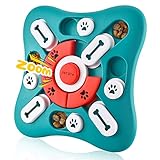
- 【PRODUCT SIZE】10 inch*10 inch*1.3 inch.
- 【3 WAYS TO PLAY, UPGRADE SLOW FEEDER】Our dog mental stimulation toys have a unique squeak button in the middle, which make it easier to attract the attention of dogs and cats. Three different difficulty designs and the 16-hole dog treat dispenser design maximize slow feeding time, even beyond 20 minutes.
- 【FUNNY STIMULATING TOYS】All kinds of dogs and cats love the puzzle game of Spin & Slide and the Seek & Hide with their smell sense and paw skills to find food. Combining circular orbit sliding game and linear orbit sliding game, smart dog and cat must move the slider correctly to get the food reward hidden in the maze.
- 【NON-REMOVABLE PARTS DOG PUZZLE】Our dog treat puzzle is made of non-toxic materials, very durable and suitable for pets to play for a long time. This dog toy has no removable parts because the design has built-in play parts that fold tightly and won't fall off easily.
- 【ANTI-SLIP & EASY TO CLEAN】: The four corners of the bottom are equipped with four anti-skid pads, which can be well fixed during the dog's slow food process; It is easy to clean, also dishwasher safe.
The AKC recognized the Australian Shepherd in 1991. “Aussie” is simply the common nickname for the breed. It is not the same as the Miniature American Shepherd, a separate breed that was once widely known as the Miniature Australian Shepherd.
Appearance and coat
An Aussie is medium-sized, athletic, agile, and slightly longer than tall. The body is designed for sustained movement rather than heavy bulk. Its double coat is medium in length and weather-resistant, with a straight or slightly wavy outer coat and a dense undercoat. Feathering is common on the legs, chest, and underside.
The four AKC-recognized colors are black, blue merle, red, and red merle. White and tan markings may occur within the breed’s accepted patterns. Natural bobtails are also seen; some dogs have traditionally docked tails, depending on registry rules and local law.
Merle and blue eyes
A blue or partly blue eye is not automatically a sign of blindness or poor health. It can occur with merle coloring. The important genetic concern is merle inheritance—particularly breeding two merle dogs together. Double-merle puppies have a substantially higher risk of deafness, abnormal eye development, and blindness. Anyone buying a merle puppy should ask how the parents were matched and request verifiable breeding records.
Australian Shepherd temperament
Aussies usually form close bonds with their families. They are bright, observant, work-oriented dogs with strong herding and, in some individuals, guardian instincts. They may be reserved with strangers rather than immediately friendly, and some will alert their owners to people, animals, or sounds around the property.
The herding instinct can be directed at sheep—or at children running through the house, cyclists, cats, birds, and other dogs. Chasing, circling, heel-nipping, blocking movement, and intense staring are not behaviors to dismiss as cute if they are becoming difficult to control. They need safe outlets and clear training.
Rank #2
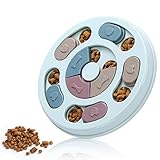
- 【Size】: L9.44" * W9.44"* H1.14" suitable for cats, puppies and small dogs.
- 【Interactive Dog Toys】This is a interactive puppy puzzle , which can easily become the closest companion and toy for your puppies and cats, and will release pressure for dogs. Find food by sliding parts to improve eating pleasure and IQ.
- 【Slow Feed Bowl】This encourages pets to eat at a slower speed, helps to slow down the feeding time to help the dog digest, and can provide your dog with a variety of healthy snacks.
- 【Slow Feede toys】 Use this educational game toy to exercise the dog’s brain, which will help meet the dog’s instinct needs, train the pet’s sense of smell, and let the dog enjoy feeding when using the nose or paw to move the slider, while providing spirit stimulate.
- 【Dog toys】No toy is indestructible. Do not leave toys with unsupervised pets. Remove and replace toy if damaged.
Intelligence is not the same as effortless obedience. An Aussie can learn a useful behavior quickly, but it can also learn door-dashing, nuisance barking, counter-surfing, or chasing just as efficiently. Boredom and isolation may show up as destructive chewing, vocal behavior, pacing, digging, or frantic attempts to control household activity.
Is an Australian Shepherd suitable for your home?
An Aussie may suit an active household that wants a dog for hiking, training, dog sports, retrieving, or other shared activities. The breed can live in a range of homes if its needs are met, but square footage alone is not the deciding factor.
Quick wins for a faster PC:
Repair Windows errors before they cause bigger problemsFix Now →Fix the driver behind crashes, sound loss and screen glitchesFind Drivers →A large fenced yard is useful for safe play, but it is not a complete exercise plan. A dog left outside to run without human involvement may simply rehearse barking, fence-running, digging, or patrolling. Aussies generally do best when they live as involved members of the family.
Think carefully before choosing one if you want a quiet, independent dog that is content with occasional walks. Also consider whether you can manage an alert, motion-sensitive dog around young children, visiting guests, livestock, small pets, or busy public spaces.
Exercise and mental stimulation
Australian Shepherds need vigorous daily activity, but there is no reliable universal prescription such as “exactly two hours a day.” Requirements vary with age, health, weather, conditioning, temperament, and whether the dog comes from particularly intense working lines.
Good activities include:
- Hiking, retrieving, swimming, and active outdoor play
- Agility, rally, obedience, dock diving, herding, or other structured sports
- Scent searches and food puzzles
- Short training sessions distributed through the day
- Learning practical tasks such as carrying an item, targeting, or settling on a mat
- Controlled play with a compatible dog
Physical exertion should be paired with thinking. Repeatedly throwing a ball until a dog is frantic may create fitness without teaching self-control or satisfying the breed’s decision-making instincts. Add pauses, impulse-control exercises, sniffing, problem-solving, and calm time.
Rank #3

- Four Challenges & Levels 1-3: Multiple games with a flip game and a linear track sliding game, all requiring dogs to learn steps and find treats. This puzzle is designed to be more fun and difficult, with more unique ways to play. It can enhance your dog's IQ and train their sense of smell
- Prolong the Feeding Time: The 14-hole food storage slow feeder has four ways to play, which is effective in slowing down the dog's eating speed. It is also beneficial to the dog's physical and mental health by increasing the time and difficulty of acquiring food, thus avoiding gastrointestinal issues caused by indigestion
- Safe Materials & Cleanable: Furry friends can safely play with this toy, which is made of food-safe and long-lasting materials. Additionally, it is easy to clean with warm water and soap after use
- Six Silicone Anti-Slip Pads: Six silicone anti-slip pads with high resistance ensure a firm grip and prevent the item from sliding to one side during feeding
- Warm Tips: When playing with the puzzle, please keep your dog with you to prevent any possible destruction of the toy. The toy has a tight design of built-in game components, so you don't need to worry about them being easily dislodged and swallowed by your dog
Do not force a puppy into long-distance running, repetitive jumping, or other high-impact endurance work before its skeleton has matured. Build activity gradually and ask your veterinarian when a particular dog is ready for demanding exercise.
Training and socialization
Start reward-based training early. Use food, play, praise, and clear reinforcement to teach behaviors that will matter in daily life:
- Attention and name response: reward the dog for checking in before it reacts to movement or noise.
- Recall: practise first in a safe enclosed area and use a long line before expecting reliability outdoors.
- Leave it and drop: these help with chasing, grabbing, and livestock or wildlife encounters.
- Loose-leash walking: reward the dog for staying with you instead of rehearsing lunges and herding patterns.
- Settle: teach the dog to relax on a mat when guests arrive or household activity increases.
- Cooperative handling: gradually pair brushing, ear checks, nail care, and veterinary handling with rewards.
Socialization means calmly experiencing a wide range of people, dogs, surfaces, sounds, travel situations, and environments. It does not mean forcing a worried puppy to greet everyone. Keep exposures controlled, allow the dog to create distance, and reward relaxed observation.
Harsh corrections are rarely necessary and can make a sensitive or protective dog more fearful or defensive. If herding, guarding, reactivity, or chasing is escalating, work with a qualified reward-based trainer or veterinary behavior professional.
Do these 3 things before closing this tab:
1Scan for outdated or missing drivers - takes under a minute2Clear out junk files and repair common Windows errors3Fix the driver behind crashes, sound loss and screen glitchesGrooming an Australian Shepherd
Plan on at least weekly brushing. During heavy shedding periods, brushing may need to happen more often. A suitable routine removes loose undercoat, dirt, tangles, and early mats while allowing you to check the skin.
Useful maintenance includes:
- Brush through the feathering, behind the ears, the trousers, armpits, and tail area, where mats commonly form.
- Check ears regularly for debris, excess wax, redness, odor, or discomfort.
- Brush the teeth routinely with dog-safe toothpaste and arrange veterinary dental care when needed.
- Trim nails before they become long enough to alter gait or catch on surfaces.
- Bathe when dirty or greasy, or as directed for a veterinary skin condition.
Do not shave a healthy Aussie to stop shedding or keep it cool. Shaving does not stop shedding; it produces shorter shed hairs and removes part of the coat’s weather-protective function. Extensive trimming is generally unnecessary. Regular brushing and shade, water, and sensible heat management are better approaches.
Rank #4

- 【Product Size】10 inch*10 inch*1.2 inch.
- 【Interactive Dog Puzzle Toys 】This is a fun interactive puzzle toy,which can encourage and train your dogs or cats to seek foods by sliding the slider, helping pets to increase IQ by learning sequential steps and the challenging play.
- 【Squeaky Dog Toys】This dog puzzle toys is designed with a sounding device in the middle of the toy,which is to attract the pet's attention.Also,you would enjoy the fun of dog squeak puzzle toy with your pets, greatly improve relations with your pets and get fun during interactive dog games.
- 【Mental Excecise&Boredom Buster】Our memory training puzzle toy can keep smart dogs busy and engaged in more thinking and activities.Therefore,clot stimulation toys are great for reducing dogs’boredom,anxiety and destructive behaviors.
- 【Food-Safe PP Material】This dog treat puzzle is made with toxic-free, food-grade PP material. It is durable for interactive play and mental enrichment but not designed as a chew toy. Always supervise your pet during use.Easily washable with water or in the dishwasher.Note: No toy is indestructible. Remove and replace the toy if damaged.
Food and everyday care
Feed a complete and balanced diet appropriate for the dog’s life stage, size, health, and activity level. Working or highly active dogs may have different calorie needs from less active household companions, so adjust portions according to body condition rather than assuming the bowl should always be full.
If you feed a home-prepared diet, have it formulated or supervised by a veterinarian or veterinary nutrition professional rather than improvising. Count training treats and chews as part of the daily calorie intake. You should be able to feel the ribs without pressing hard, while the dog should retain a visible waist when viewed from above. Provide fresh water at all times.
Crashes, No Sound, or Screen Glitches?
Random freezes, missing sound and display glitches usually trace back to one bad driver. Find and replace yours safely.Free scan · under a minuteWindows Errors? Fix Them Before They Spread
Repair common Windows errors and clear accumulated junk for a smoother, more stable PC - no reinstall needed.Free scan · no reinstallRoutine veterinary care should cover physical examinations, vaccinations, parasite prevention, heartworm prevention where relevant, and dental health. The schedule should reflect your location, the dog’s age, travel, lifestyle, and local disease risks.
Independent reader supportYour contribution helps us test, update, and keep practical guides available for everyone.Australian Shepherd health concerns
Responsible breeding reduces risk but cannot guarantee a disease-free dog. Concerns associated with the breed include hip and elbow dysplasia, eye disease, cataracts, epilepsy, certain cancers, autoimmune disease, allergies, and medication sensitivity related to the MDR1 gene.
MDR1 is not a disease. It is a genetic drug-sensitivity condition. Dogs carrying the relevant mutation can have severe or potentially fatal reactions to some medications. Ask your veterinarian whether MDR1 testing is appropriate, and make sure the result is recorded before medication is prescribed. Do not give an Aussie human medicine or an unapproved treatment based on internet advice.
There is no established DNA test that rules out idiopathic epilepsy in Australian Shepherds. A seizure always needs veterinary investigation because seizures can also result from toxins, injury, metabolic disease, or other disorders.
Best Value

- 2 Levels in 1 Toy: start your pups off with a level 1 puzzle, add some treats in the base compartments and watch your dogs get their tasty reward by nudging the lids. For dogs who have mastered level 1, for added challenge in level 2, just put some treats in the top compartments, teach your dogs to press the top cover to dispense treats down into the base compartments and finally enjoy their reward
- Slow Feeder: The large capacity top transparent granary saves you the hassle to refill dog food frequently. The product can also be used as a slow feeder utensil for your dogs, which promotes healthy ingestion by slowing down eating speed by over 10x. Great for large and small dogs
- Not Easy to Tip Over: 4 non-slip rubber mats and weighted base hold the dog puzzle toy firmly in place when dogs eat and nudge and prevent the toy from tipping over
- We Prioritize Safety: the dog puzzle toys are designed with your pet’s health in mind, made of durable food-grade PP materials. Non-removeable parts make it safe and easy to clean. And you can give puzzles toy to your dog or directly out of the box, just no assembly!!
- Trains Dog’s Intelligence: interactive treat puzzle game challenges your puppies to get their reward of treats, works your dog's mind while reducing boredom and destructive behavior like chewing, digging and excessive barking. Size: 4.2 inch height
What to ask an Australian Shepherd breeder
Do not accept “health tested” as a complete answer. Ask for the registered names of the parents, test results, and the date and provider of each evaluation. The AKC lists hip evaluation, elbow evaluation, and examination by a veterinary ophthalmologist among the breed-club-recommended tests.
For additional due diligence, ask about MDR1, hereditary cataract, Collie Eye Anomaly, and PRA testing or documented parentage clearances. An OFA CHIC number means the required screenings were completed and made public; it does not guarantee that every result was normal or that the dog cannot develop an inherited condition.
Also ask about seizure history, temperament, allergies, autoimmune problems, longevity, and how puppies are raised. A responsible breeder should be willing to discuss weaknesses as well as strengths and should help match a puppy’s energy and temperament to your household.
Australian Shepherd: common myths
| Claim | What is more accurate |
|---|---|
| “They come from Australia.” | The modern breed was developed primarily in the United States. |
| “A big yard is enough.” | Aussies also need interaction, training, mental work, and purposeful activity. |
| “Shaving stops shedding.” | Shaving does not stop shedding and is generally unnecessary. |
| “MDR1 means the dog is sick.” | It indicates susceptibility to adverse reactions to certain drugs. |
| “A CHIC number means the dog is healthy.” | It confirms completion and publication of required screenings, not normal results or a guarantee. |
FAQ
Are Australian Shepherds good family dogs?
They can be excellent family companions in an active, involved home. Their herding and guarding instincts mean children should be supervised, chasing and nipping should be addressed early, and the dog needs daily training and meaningful activity.
Do Australian Shepherds shed a lot?
Yes. They have a double coat and are moderate-to-heavy shedders, with heavier seasonal shedding for many dogs. Weekly brushing is a useful baseline, with more frequent brushing during shedding periods.
How much exercise does an Australian Shepherd need?
They need vigorous, regular activity plus mental stimulation, but the right amount varies by age, health, conditioning, temperament, and working background. Puppies should not be pushed into sustained high-impact exercise before maturity.
Are Australian Shepherds easy to train?
They are highly capable learners, but that does not make them automatically easy. They need consistent reward-based training, impulse control, socialization, and outlets for their herding and working instincts. Without those, they can learn unwanted habits quickly.
The Bottom Line
The Australian Shepherd is best for people who want an active training partner rather than a dog that simply shares the sofa. Its intelligence, loyalty, athleticism, and versatility are major strengths, but so are its exercise needs, shedding, alertness, and tendency to control movement. Choose carefully, verify breeder health records, begin positive training early, and give the dog both physical work and a job for its brain.
The Tool Desk
Outbyte PC Repair FREEClear out junk files and repair common Windows errorsFree Scan →Outbyte Driver Updater FREEScan for outdated or missing drivers - takes under a minuteDriver Scan →Quick Recap
Product prices and availability are accurate as of the date/time indicated and are subject to change. Any price and availability information displayed on Amazon at the time of purchase will apply.




