
Quick wins for a faster PC:
Scan for outdated or missing drivers - takes under a minuteDriver Scan →Repair Windows errors before they cause bigger problemsFix Now →Fix the driver behind crashes, sound loss and screen glitchesFind Drivers →A puppy fits your household only if you can provide intensive daily supervision, training, companionship, exercise, preventive veterinary care and a safe environment for the dog’s entire life. Puppies usually demand substantially more hands-on time than adult dogs. Before choosing one, match the dog’s expected size, energy and care needs to your schedule, living space and future plans; agree on responsibilities with everyone at home; prepare the house and supplies; and arrange veterinary care immediately after arrival.
Decide whether a puppy is the right choice
Getting a puppy is not simply adding a small pet for a few weeks. The commitment includes food, clean water, shelter, companionship, exercise, physical and mental care, grooming, training, parasite control, identification and prompt treatment of illness or injury throughout the dog’s life. The American Veterinary Medical Association (AVMA) advises prospective owners to consider whether they can provide appropriate veterinary care for the dog’s lifetime and whether future changes could affect their ability to keep the dog.
As an Amazon Associate I earn from qualifying purchases.
Understand the time commitment
House-training, socialization, obedience training, feeding, exercise and supervision are all more demanding with a puppy than with many adult dogs. A puppy may need frequent bathroom opportunities, several meals, short training sessions, safe play and help settling down. Time alone must be introduced gradually and managed safely; a puppy cannot be expected to adapt instantly to a full workday without breaks.
An adult dog may already be house-trained or know basic commands, although every adult dog has its own needs. If your schedule cannot accommodate frequent care and supervision, an adult dog may be a more responsible match.
#1 Best Overall

- Cute and Essential Puppy Kit: Our black themed puppy essentials kit is beautifully designed to fulfil both functional needs and quaint aesthetics; The comprehensive package includes 1 felt storage basket, 12 chew toys, 1 training bag, 1 dog leash, 1 TPR finger brush with case, 2 stainless steel bowls, 1 soft cotton towel, 1 black blanket, 1 pet pad and more, ideal for male dogs
- Properly Sized Accessories: our dog essentials for small dogs are mindfully sized to ensure your pup's comfort; The felt storage basket measures 14.17 x 9.84 x 9.06 inches, providing ample space for neatly organizing your puppy's tools and toys; For your dog's sanitary needs, we provide a 19.29 x 12.6 inches/ 49 x 32 cm pet pad; To keep your puppy warm and comfy, we include a 23.62 x 15.75 inches black blanket and an 11.81 x 11.81 inches black towel
- Grooming Essentials: the dog essentials for puppies kit comes packed with 12 fun and engaging chew toys of varying materials, 6 double sided pet toothbrushes, a finger brush and a pet hair remover for grooming needs, and a bone shaped dog poop dispenser with 16 rolls of poop bags; This kit ensures your puppy's hygiene and dental health are taken care of while simultaneously providing an array of chew toys that will stimulate and entertain your pup
- Well Prepared Travel Pack: these puppy accessories for male dogs are more than just a home kit; It also doubles as your travel package with a convenient car seat belt for dogs, portable water dispenser, and lightweight yet durable training bag; With our pack, you need not fret about forgetting any of your puppy's essentials, making your travel experience more pleasant and worry free
- Ideal for Training and Adaptability: assisting your new puppy to get accustomed to its surroundings will be easier with our puppy kit for small dogs; The kit includes items like order bell for training purposes and an assortment of chew toys to help reduce anxiety levels; These features make the transition more manageable while fostering an interactive bond between you and your pup; Also included is a medium size dog leash, ideal for training across various sports
| Consideration | Typical puppy reality | What to assess in your household |
|---|---|---|
| Supervision | Close monitoring is needed to prevent chewing, unsafe exploration and toileting accidents. | Who is available during the day, evenings and overnight? |
| House-training | Bathroom habits must be taught from the first day and reinforced consistently. | Can someone provide regular breaks and clean accidents without punishment? |
| Training | Basic cues, handling and household rules require repeated, reward-based practice. | Will all caregivers use the same cues and boundaries? |
| Socialization | Early, positive exposure to people, animals, places and sounds is important. | Can you arrange safe experiences while managing infection risk? |
| Exercise and enrichment | Activity must be appropriate for age and physical development, with mental stimulation every day. | Does your routine support play, walks, training and rest? |
| Long-term care | Food, preventive medicine, veterinary visits, grooming and companionship continue for life. | Can you handle routine and unexpected expenses and future lifestyle changes? |
Match the dog to your life
Consider expected adult size, energy level, coat and grooming needs, noise, exercise requirements and any breed- or line-associated health concerns. A small dog is not automatically low-maintenance, and a large dog is not automatically unsuitable for an apartment; daily activity, temperament and your ability to provide care matter more than a label. Ask how the puppy’s likely traits fit your available space, work pattern, travel plans and other animals.
Get household agreement
Every person who lives with the puppy should agree that the dog is welcome and understand the daily plan. Assign responsibility for feeding, bathroom trips, walks, training, nighttime care, grooming, supply shopping and cleanup. Decide in advance which rooms are accessible, where the puppy sleeps, whether furniture is allowed and which words everyone will use for cues. Inconsistent rules can slow learning and create avoidable conflict.
Choose a healthy, suitable puppy
Ask for records and history
Request health, vaccination and deworming records, and ask whom to contact with questions after the puppy goes home. Find out what food the puppy is eating, what routine it follows, what handling and social experiences it has had, and whether there are known medical or temperament concerns. Keep copies of every document for your veterinarian.
Recommended Free Tools
Observe the puppy
AVMA describes a healthy-looking dog as having clear, bright eyes and a clean coat, without appearing too thin or overweight. Be cautious if you see nasal discharge, diarrhea or obvious lethargy. Look for a puppy that is active, friendly, inquisitive and willing to accept gentle handling. A single brief interaction cannot predict adult temperament, so ask how the puppy behaves in different situations and observe more than one session when possible.
Rank #2
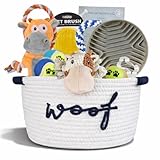
- HIGH QUALITY AND NON-TOXIC MATERIALS: Our premium Puppy Gift Basket features items made from high-quality, non-toxic materials, ensuring the safety and durability of all included toys and accessories. Perfect for your new puppy or as a thoughtful Dog Gift Basket.
- PROMOTE HEALTH AND WELL-BEING: With items like the silicone slow feeder bowl and brush, our dog gift basket promotes healthy eating habits and grooming. These products help maintain your pet's overall health and well-being, making it an ideal gift for dog lovers.
- INTERACTIVE AND STIMULATING TOYS: This Doggie Birthday Gifts set includes a variety of interactive and stimulating toys: two squeaky plush toys, one circle dog rope, and three assorted play balls. These toys are designed to keep your pet engaged and entertained for hours.
- VERSATILE, PRACTICAL & FUN: This versatile and practical gift basket includes everything your dog needs for playtime and beyond. The handwoven premium basket (14x7x7in) can be used for storage, while the toys and accessories provide endless fun and utility.
- THOUGHTFUL EXTRAS: Homemade Dog Treat Recipes & Cookie Mold: Our Puppy Gift Basket includes a special touch with three simple homemade dog treat recipes and a complimentary cookie mold. This added bonus makes it a unique and thoughtful gift for any dog owner..
Meet the parents when possible
Meeting the mother and, when available, the father can provide useful clues about adult size, behavior and sociability. It does not guarantee a particular outcome, but it lets you see the parents’ health, temperament and living conditions. A responsible breeder should be transparent about health information, veterinary care and early handling, remain available as a resource, and avoid fully weaning puppies before eight weeks except for medical or behavioral reasons. Rescue organizations should likewise explain the puppy’s known history and current care.
Plan the move at an appropriate age
AVMA identifies eight to ten weeks as a general ideal age for a puppy to move to a new home. Individual welfare, medical circumstances and local rules still matter. A puppy should be physically ready, eating reliably and transferred with clear records and care instructions rather than rushed to meet a convenient date.
Prepare the home before arrival
Puppy-proof each area
- Secure electrical wires, charging cables and cords out of reach.
- Store medicines, cleaning products, pesticides, small objects and human foods that may be dangerous behind closed doors.
- Block stairs, balconies, fireplaces, fragile displays and rooms that are not ready.
- Check fences, gates, windows and doors for escape routes.
- Remove accessible plants, trash and items that could be swallowed or chewed.
- Ask your veterinarian about hazards specific to your home, yard and region.
Create a simple base camp
Set up a quiet sleeping area and a separate place for food and water. A crate can provide a secure resting space and help with brief, supervised confinement when introduced positively; it should never be used as punishment or as a substitute for interaction and bathroom breaks. A pen or gated area can add room for safe movement. Keep the first area uncluttered so you can see what the puppy is doing.
Outdated Drivers Are Slowing You Down
One free scan finds every outdated or missing driver and matches the right update for your exact hardware.Free scan · exact hardware matchWindows Errors? Fix Them Before They Spread
Repair common Windows errors and clear accumulated junk for a smoother, more stable PC - no reinstall needed.Free scan · no reinstallBuy categories of supplies, not random equipment
| Supply | Purpose and selection notes |
|---|---|
| Collar, leash and identification tag | Use properly fitted equipment and add current contact details to the tag. Check fit as the puppy grows. |
| Food and water bowls | Choose stable, easy-to-clean bowls sized for the puppy; use the diet and portions advised by the veterinarian or current caregiver. |
| Puppy food | Start with the existing diet when practical, then change gradually if your veterinarian recommends another food. |
| Crate or pen | Provides a safe rest area and supports management when the puppy cannot be watched directly. |
| Puppy-safe toys | Offer toys suited to the puppy’s size and chewing style. Inspect them frequently and supervise play. |
| Enzymatic urine cleaner | Breaks down accident odors so the same spot is less likely to attract repeat toileting. |
| Grooming and care tools | Have a brush, nail-care plan and any coat-specific tools appropriate for the puppy. |
Plan the first day and the first week
- Bring records and familiar information home. Take the vaccination and deworming history, feeding instructions and contact details for the breeder or rescue.
- Keep the arrival calm. Show the puppy the prepared area, water, sleeping space and bathroom location before introducing a large number of people or rooms.
- Start the routine immediately. Feed, rest, play, train and offer bathroom opportunities on a predictable schedule. Take the puppy to the designated toilet area after waking, eating, drinking, playing and sleeping.
- Supervise or safely confine. When nobody can watch the puppy, use a prepared pen or crate for a short, appropriate period and provide a bathroom break before and after.
- Clean accidents thoroughly. Use enzymatic cleaner and avoid punishment, which can create fear without teaching the desired behavior.
- Log observations. Note appetite, stool, urination, sleep, coughing, vomiting, energy and any unusual behavior so you can report changes accurately to the veterinarian.
Arrange veterinary care and preventive medicine
Book an early examination
Schedule a veterinary visit soon after bringing the puppy home. Bring all health records, including vaccination and deworming history. The veterinarian can assess the puppy’s current health and create an individualized plan for immunizations, parasite control, nutrition, sterilization timing, socialization, training and grooming.
Rank #3
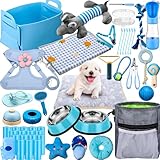
- Cute and Essential Puppy Starter Kit: Our blue themed puppy essentials starter kit is beautifully designed to fulfil both functional needs and quaint aesthetics; The comprehensive package includes 1 felt storage basket, 12 chew toys, 1 training bag, 1 dog leash, 1 TPR finger brush with case, 2 stainless steel bowls, 1 soft cotton towel, 1 blue blanket, 1 pet pad and more, ideal for male dogs
- Properly Sized Accessories: our dog essentials for small dogs are mindfully sized to ensure your pup's comfort; The felt storage basket measures 14.17 x 9.84 x 9.06 inches, providing ample space for neatly organizing your puppy's tools and toys; For your dog's sanitary needs, we provide a 19.29 x 12.6 inches/ 49 x 32 cm pet pad; To keep your puppy warm and comfy, we include a 23.62 x 15.75 inches blue blanket and an 11.81 x 11.81 inches blue towel, making your puppy feel right at home
- Grooming Essentials and Interactive Toys: the dog essentials for puppies kit comes packed with 12 fun and engaging dog chew toys of varying materials, 6 double sided pet toothbrushes, a finger brush and a pet hair remover for grooming needs, and a bone shaped dog poop bag dispenser with 16 rolls of poop bags; This kit ensures your puppy's hygiene and dental health are taken care of while simultaneously providing an array of chew toys that will stimulate and entertain your pup
- Well Prepared Travel Pack: these puppy accessories for male dogs are more than just a home starter kit; It also doubles as your travel package with a convenient car seat belt for dogs, portable water dispenser, and lightweight yet durable training bag; With our pack, you need not fret about forgetting any of your puppy's essentials, making your travel experience more pleasant and worry free
- Ideal for Training and Adaptability: assisting your new puppy to get accustomed to its surroundings will be easier with our puppy starter kit for small dogs; The kit includes items like order bell for training purposes and an assortment of chew toys to help reduce anxiety levels; These features make the transition more manageable while fostering an interactive bond between you and your pup; Also included is a medium size dog leash, ideal for training sessions across various sports
Use a tailored vaccination plan
Vaccination timing depends on age, previous doses, health and local disease exposure. AVMA guidance for canine distemper advises asking a veterinarian to design a program for the individual dog rather than copying a generic online schedule. Until the initial series is complete, ask exactly which places and contacts are considered high risk in your area. Follow the veterinarian’s instructions about dog parks, daycare, grooming facilities, classes and contact with unfamiliar dogs.
Balance disease prevention with development
Do not assume that avoiding every outside experience is the safest choice. The veterinarian can help you choose low-risk ways to expose the puppy to people, surfaces, sounds and environments while reducing infection risk. Keep a written record of medications, vaccine dates, weight and follow-up appointments.
Independent reader supportYour contribution helps us test, update, and keep practical guides available for everyone.Socialize safely during the early window
The American Veterinary Society of Animal Behavior (AVSAB) identifies the first three months as the primary socialization period. During this time, provide gentle, positive exposure to a variety of people, calm animals, household sounds, surfaces, handling and locations. The goal is not to force interaction; it is to help the puppy experience new things without becoming frightened or overwhelmed.
Use a gradual exposure method
- Choose a stimulus that is unlikely to frighten the puppy.
- Start far enough away that the puppy can remain relaxed and take treats.
- Pair the sight or sound with food, play or calm praise.
- End the session while the puppy is still comfortable.
- Increase distance, duration or complexity only when the puppy remains loose-bodied and willing to engage.
Watch for freezing, hiding, frantic escape, persistent barking, tucked posture or refusal of food. Give the puppy distance and a break rather than forcing contact. Ask your veterinarian about local disease patterns and whether a reward-based puppy class with appropriate vaccination and deworming requirements is suitable. AVSAB describes classes as an organized way to support socialization when health precautions are addressed.
Rank #4

- Super Luxury Puppy Toys for Teething Small Dogs: Including 4 squeaky plush toys, 3 tough rope toys, 1 treat ball, extra a dog bag roll. Great size for small puppy and just pay less to get more toys than others
- Cute Design & Intellect Training: The no-stuffed fox toy has built-in squeaker and crinkle paper, which will be more attractive to the puppy. Besides, the treat ball can improve puppy's intellect by learning how to roll the ball to get treats fall out
- Good-quality & Long-lasting: Made of natural and good-quality material, safe for your pet. Designed tighter weaves with hundreds of fibers and made of tough plush to be more long-lasting and bite-resistant
- Protect Your Furniture & Clean Teeth: Dogs are natural chewers. These toys will keep puppies busy chewing from destroying your furniture. Plus, it is great for dental health that help puppies soothe gums and promote clean teeth
- Satisfaction Choice & Kindly Reminder: Our dog chew toys will be great for your puppy. Meanwhile, we suggest only use under supervision if your dog is extremely aggressive chewer, and not for large breed
Train with rewards and consistent rules
AVSAB’s 2025 public statement recommends reward-based methods for all dog training, including behavior problems. Reward the behavior you want with food, play, access to something enjoyable or calm praise. Mark the desired moment promptly, keep sessions brief and repeat them often. Avoid intimidation, physical punishment and frightening corrections.
Teach the essentials first
- Responding to the puppy’s name and orienting toward you.
- Coming when called in safe, low-distraction settings.
- Settling on a mat or in the crate.
- Accepting gentle handling of paws, ears, mouth and coat.
- Walking on a loose leash without pulling toward hazards.
- Trading an object for a reward instead of guarding it.
- Waiting briefly at doors and food bowls.
Agree on house rules before training begins. If one person allows jumping on guests while another punishes it, the puppy receives confusing feedback. Reinforce calm greetings by rewarding four paws on the floor and managing visitors so the puppy can succeed.
Respond to persistent problems early
Occasional accidents, mouthing and nighttime waking are common parts of puppy care, but persistent fear, aggression, distress when alone, guarding or sudden behavior changes deserve professional attention. Start with your veterinarian, who can check for medical contributors and refer you to a qualified behavior professional when needed.
Budget for routine and unexpected care
No single total represents the cost of raising every puppy. Prices vary by location, dog size, health, food, training options and household choices. Build a local estimate before committing.
| Cost area | What to include in your estimate |
|---|---|
| Initial care | First examination, vaccinations, deworming or other parasite control, identification, supplies and any recommended tests. |
| Routine care | Food, preventive medications, periodic examinations, grooming, licensing and replacement equipment as the puppy grows. |
| Training and enrichment | Classes, private help if needed, toys, chews and activities that provide safe physical and mental exercise. |
| Unexpected care | Illness, injury, emergency visits, diagnostics, medication and recovery support. |
| Risk management | A savings reserve or pet health insurance. AVMA notes that insurance may help defray unexpected expenses from illness or injury; review exclusions, deductibles, limits and waiting periods before enrolling. |
Call local veterinary practices for current examination, vaccine, sterilization and emergency-service prices. Ask training providers about class requirements and fees, and price food and preventive medication for the puppy’s expected adult size rather than only the first small bag.
Use this readiness checklist
Before you commit
- Everyone in the household agrees to the dog and understands assigned tasks.
- The puppy’s expected size, energy and care needs fit your space and schedule.
- You have considered travel, housing, work changes, health changes and other future obligations.
- You have reviewed health, vaccination, deworming and temperament information.
- You know who will provide care if you are ill, away or working longer hours.
Before pickup
- A safe sleeping and confinement area is assembled.
- Wires, chemicals, medicines, toxic foods, escape routes and other hazards are addressed.
- Food, bowls, collar, leash, identification tag, toys and enzymatic cleaner are ready.
- A veterinary appointment is scheduled and record-keeping is prepared.
- The household agrees on feeding, bathroom, sleeping, training and visitor routines.
During the first weeks
- Bathroom breaks, meals, naps, play and training follow a predictable pattern.
- New experiences are brief, positive and adjusted to the puppy’s comfort.
- High-risk dog contact and crowded areas are handled according to veterinary advice.
- Weight, appetite, stool, energy and behavior are monitored.
- Fear, illness, injury or escalating behavior is discussed promptly with a veterinarian.
Make the decision with the dog’s whole life in mind
A well-prepared start reduces preventable accidents and gives a puppy the foundation for health, confidence and reliable behavior. The right choice is the one that your household can sustain through the demanding early months and the many years of food, companionship, training, medical care and adaptation that follow. If the time, space or financial plan is not ready, waiting or choosing an adult dog is more responsible than bringing home a puppy you cannot adequately support.
Quick Recap
Product prices and availability are accurate as of the date/time indicated and are subject to change. Any price and availability information displayed on Amazon at the time of purchase will apply.
Do these 3 things before closing this tab:
1Clear out junk files and repair common Windows errors2Scan for outdated or missing drivers - takes under a minute3Repair Windows errors before they cause bigger problems




Leave a Reply