Free tools Windows power users keep installed
One-click scans. No signup required.
For a healthy bearded dragon, well-fitted textured slate or rough stone tile is a durable, easy-to-clean flooring choice. Plain paper towels are more practical when you need to replace flooring frequently or monitor waste, such as during quarantine or recovery. There is no single consensus on loose substrate: the RSPCA permits suitable sand or sand-and-soil mixes for healthy adults, while UC Davis and NC State advise against sand. Choose according to your dragon’s health and setup, and make cleaning and access to digging part of the decision.
How to choose flooring for a bearded dragon
Compare flooring on five practical points: how easily you can remove waste, how often it needs replacing, whether loose material could be eaten, whether the surface provides secure footing, and whether it gives your dragon a chance to dig. No controlled head-to-head clinical comparison establishes one material as best for every bearded dragon.
- For a durable solid floor: choose textured slate or rough stone tile that fits securely and gives your dragon traction.
- For easy replacement and monitoring: use plain paper towels, particularly for quarantine, illness, injury, or recovery.
- For digging and a more naturalistic setup: consider suitable loose substrate only after weighing the disagreement between veterinary and specialist husbandry guidance.
Flooring options compared
| Flooring | Useful for | Trade-offs and cautions |
|---|---|---|
| Textured slate or rough stone tile | Durable, solid flooring that is relatively straightforward to clean. | Does not allow digging; secure fit and texture matter. Consider a separate dig box. |
| Plain paper towels | Frequent replacement, waste monitoring, quarantine, or recovery. | Requires regular replacement and does not provide a digging surface. |
| Suitable sand or sand-and-soil | Digging and a naturalistic floor; the RSPCA permits suitable options for healthy adults. | UC Davis and NC State advise against sand because of ingestion concerns. Setup and cleaning require care; it is not risk-free. |
| Reptile carpet | A reusable floor covering listed by UC Davis and NC State. | Guidance conflicts: some sources raise cleaning and nail-snagging concerns, so it is not an unqualified default. |
Textured slate or stone tile
Rough slate or stone tile is a good solid-floor choice when it is sized to the enclosure, lies flat, and provides grip. Avoid assuming that every tile is suitable: a smooth surface may offer poor traction, and a loose or unstable piece can be impractical. Reptile & Rescue describes thin slate cut to fit as a durable option.
Tile makes it easier to remove visible waste than loose substrate, but it takes away the floor as a digging area. The RSPCA recommends adding a digging box when slate is the main substrate. A separate box can provide a digging opportunity without making the entire enclosure a loose-substrate setup.
Recommended Free Tools
#1 Best Overall

- Ultimate Substrate for Bearded Dragons: Specifically designed substrate that provides an authentic environment for bearded dragons and other Australian desert dwelling reptiles
- Ethically Sourced from Central Australia: Collected responsibly from the natural habitat regions of Central Australia where bearded dragons originate
- Natural Environment Replication: Authentic substrate that is part of the natural wild environment of bearded dragons in their native Australian desert habitat
- Environmental Enrichment Benefits: Promotes natural behaviors and stimulates instinctive activities through authentic substrate interaction
- Superior Heat Retention Properties: Retains warmth for extended periods due to its unique geological composition and natural mineral content
Paper towels for monitoring, quarantine, and recovery
Plain paper towels are useful when you want to replace soiled flooring quickly or see droppings clearly. Veterinary and specialist husbandry sources list them as an option, and Reptile & Rescue and ReptiFiles recommend them for sick, injured, or quarantined dragons. They are a practical temporary surface when close observation or frequent sanitation matters.
Paper towels do not provide a natural digging surface, and they need replacing whenever soiled or wet. Their main advantage is convenience and visibility, rather than durability or enrichment.
Rank #2

- CREATE A NATURAL DESERT HABITAT: Transform your reptile enclosure with real desert sand that mimics natural desert environments; Made from 100% natural sand with no added dyes or chemicals for a more authentic terrarium setup
- CLEAN, CONSISTENT TEXTURE: Carefully sifted to remove impurities and provide a uniform grain size throughout the substrate; Creates a neat, natural-looking foundation for reptile tanks and desert terrariums
- ENCOURAGES NATURAL REPTILE BEHAVIORS: Supports instinctive digging, burrowing, and tunneling activities that help keep reptiles engaged and enriched; Ideal for species such as leopard geckos, bearded dragons, and other desert-dwelling reptiles
- HELPS MAINTAIN PROPER HEAT DISTRIBUTION: Natural sand acts as an excellent heat conductor, helping distribute warmth throughout the enclosure to support a comfortable and natural habitat environment
- VERSATILE SUBSTRATE FOR DESERT REPTILES: Suitable for use as a terrarium substrate, nesting area, and egg-laying medium; Includes one 10-pound bag of Exo Terra Red Desert Sand for reptile habitats and terrarium setups
Loose substrate: guidance differs
Recommendations on sand are not uniform. UC Davis advises against sand, wood chips, and gravel, noting that bearded dragons may eat small-particle bedding. NC State Veterinary Hospital also lists sand, wood chips, and gravel among materials to avoid. By contrast, the RSPCA says healthy adult dragons may use reptile-safe play sand or a sand-and-soil mix.
If you are considering loose substrate, treat the choice as conditional rather than settled. The RSPCA warns against builders’ sand with sharp edges, calci-sand in unsuitable conditions such as inadequate temperatures, and large loose materials—including bark, wood chips, crushed walnut, or corn cob—that may cause problems if eaten. These cautions do not erase the more conservative veterinary-school advice against sand overall.
The Tool Desk
Outbyte PC Repair FREEClear out junk files and repair common Windows errorsFree Scan →Outbyte Driver Updater FREEFix the driver behind crashes, sound loss and screen glitchesFind Drivers →Rank #3

- Ultimate Substrate for Bearded Dragons: Specifically designed substrate that provides an authentic environment for bearded dragons and other Australian desert dwelling reptiles
- Ethically Sourced from Central Australia: Collected responsibly from the natural habitat regions of Central Australia where bearded dragons originate
- Natural Environment Replication: Authentic desert substrate that is part of the bearded dragon's natural wild environment, bringing their native home directly to their enclosure
- Environmental Enrichment Benefits: Promotes natural behaviors and instincts by stimulating your reptile's connection to their ancestral habitat
- Superior Heat Retention Properties: Retains warmth for extended periods due to its unique geological composition, helping maintain optimal temperature gradients in the habitat
ReptiFiles recommends fine sand or sandy soil packed at least 4 inches deep for its naturalistic approach. That is ReptiFiles’ husbandry recommendation, not a universal veterinary standard. Its guide also recommends paper towels for sick or wounded dragons until recovery. The sources do not establish a quantified impaction risk for each flooring type or a clinical trial proving one option superior.
Why reptile carpet is a mixed choice
UC Davis and NC State list reptile carpet among possible flooring options, while the RSPCA treats it as a possible underlay. Other husbandry sources caution that carpet can be difficult to clean or snag nails. Since the recommendations conflict, assess the particular material’s cleanability and texture rather than assuming that all reptile carpets are safe or easy to maintain.
Rank #4
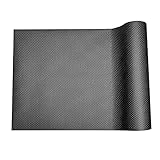
- Each reptile tank mat is made with easy-to-clean, waterproof, and reptile-safe material that is both stylish and durable
- Reptile Liners do not absorb your pet's waste. This means that spot cleaning takes less time and is more effective at keeping the enclosure safe and hygienic between deeper cleans
- Non-adhesive and non-abrasive material is gentle on paws, claws and bellies alike. Textured surface is great for your pet because it helps prevent slipping and joint injury.
- Designed to be easy to cut and install, making it suitable for a wide range of reptile tanks, terrariums, and enclosures
- Perfect for leopard geckos, bearded dragons, lizard, hermit crab, aquatic turtle and many other reptile species
Cleaning and replacement
Cleaning needs depend on the material. NC State advises daily enclosure checks and replacing substrate that is wet or soiled. Remove visible waste promptly, and do not let the choice of a reusable floor become a reason to delay cleaning.
- Tile: remove waste and clean the surface regularly; check that tiles remain stable and clean beneath them as needed.
- Paper towels: replace promptly when wet or soiled, and use their visibility to monitor droppings.
- Loose substrate: spot-clean waste consistently. ReptiFiles recommends complete replacement every 4–6 months depending on spot-cleaning diligence; this is that publisher’s interval, not a universal veterinary schedule.
- Reptile carpet: make sure it can be cleaned thoroughly and inspect it for wear or snagging.
Feeding and flooring safety
Because dragons may eat small particles along with food, UC Davis advises feeding in a dish to reduce substrate ingestion. This is especially relevant when using loose material. Follow your veterinarian’s guidance for a dragon that is ill, injured, or having difficulty eating or passing waste; flooring alone cannot determine or treat a health problem.
Quick wins for a faster PC:
Scan for outdated or missing drivers - takes under a minuteDriver Scan →Repair Windows errors before they cause bigger problemsFix Now →Fix the driver behind crashes, sound loss and screen glitchesFind Drivers →Quick Recap
Best Value
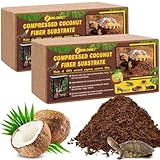
- Package Includes - You will get 2 packs of 7.8 x 3.9 x 1.97 inch coconut fiber substrate, each weighs about 1.4 LB, ideal for animal bedding, making your pet cleaner and more comfortable while sleeping, eating and growing
- 100% Natural - Reptile substrate is made from 100% natural coconut fiber, breathable, biodegradable, Low EC & PH balanced. It breaks down naturally after use and you can dispose of it outside in your garden area, naturally and non-toxic.(This coco fiber substrate is low in salt, but washing a few times before use is better for worms)
- Odor and Waste Absorber- Our coconut husk substrate can absorb liquids, water and waste quickly while safely breaking down odors or waste to reduce pungent odors. This can make the animal living environment clean, comfortable and healthy
- Easy to Use and Store - Premium compostable brick are compact and lightweight when compressed, making them easier to store. It is also very easy to use, just soak the coir bricks in water, it will expand after absorbing water, you can accelerate its decomposition and expansion by mixing tools, and then it can be used as animal bedding
- Wide Range of Applications - Great for reptiles, amphibians and invertebrates, including snakes, frogs, lizards, turtles, tarantulas and other common indoor pet types, as well as for growing plants, flowers, herbs, vegetables and other garden plants.
A practical default setup
- Choose a floor: for a healthy dragon, start with textured slate or rough stone tile that fits securely and provides grip.
- Provide a digging opportunity: if tile covers the enclosure floor, consider a separate dig box. The RSPCA describes suitable sand or sand-and-soil as possible choices for that purpose.
- Use paper towels when monitoring matters: switch to plain paper towels for quarantine or recovery when easy replacement and visible waste are priorities.
- Set a cleaning routine: check the enclosure daily, remove waste, and replace wet or soiled material.
- Reassess for your dragon: if health, temperatures, or husbandry conditions are not adequate, consult a reptile veterinarian before using loose substrate.
Product prices and availability are accurate as of the date/time indicated and are subject to change. Any price and availability information displayed on Amazon at the time of purchase will apply.




