
The best food for a cat with diarrhea depends on why the diarrhea is happening. A veterinarian may use a therapeutic gastrointestinal (GI) diet for an otherwise healthy adult cat, but a food change cannot diagnose or treat every cause. Parasites, infection, sudden diet changes, food intolerance, inflammatory disease, organ problems and cancer can all produce diarrhea. Severe or bloody stool, dehydration, weakness, fever, abdominal pain, repeated vomiting, weight loss or poor appetite needs veterinary attention rather than a food experiment.
This guide explains the nine diet profiles a veterinarian may consider, how to choose between them, what is actually verified about named veterinary lines, and how to feed safely while your cat is being assessed. They are not a ranked list of nine products: the available evidence does not establish nine current US products, identical formulations, comparative outcomes or a defensible “top pick.”
As an Amazon Associate I earn from qualifying purchases.
Why there is no single best cat food for diarrhea
Diarrhea is a sign, not a diagnosis. The same loose stool can follow an abrupt diet change in one cat and signal parasites, infection, food allergy, inflammatory bowel disease, pancreatitis, liver or kidney disease, or cancer in another. Treating all of those situations with one food would be unsafe.
Quick wins for a faster PC:
Scan for outdated or missing drivers - takes under a minuteDriver Scan →Repair Windows errors before they cause bigger problemsFix Now →VCA Animal Hospitals notes that veterinarians may suggest small amounts of a veterinary GI diet for an otherwise healthy adult cat and emphasizes access to water. Cornell Feline Health Center likewise advises veterinary assessment when diarrhea persists, particularly when other signs are present. Food selection should therefore follow the suspected cause, the cat’s age and health, hydration status, appetite and previous diet history.
#1 Best Overall
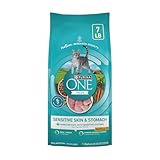
- Real turkey is the first ingredient in our high protein cat food to help support strong muscles, including a healthy heart in adult cats
- Made for cats with sensitive systems, this Purina ONE sensitive stomach cat food features an easily digestible formula with added prebiotic fiber
- Crunchy cat food with calcium supports strong teeth and healthy gums, and four antioxidant sources help support a healthy immune system
- With deliciously crunchy bites, this turkey cat food delivers a great taste and is made with no artificial flavors or preservatives
- Purina sensitive skin and stomach cat food is crafted in Purina-owned, U.S. facilities
Veterinary GI diets are not interchangeable. VCA’s nutrition guidance says they differ in digestibility, fat level, fiber, allergy strategy and energy density. A highly digestible, moderate-fiber formula may suit short-lived uncomplicated upset, while a hydrolyzed or novel-protein diet may be considered when food allergy or chronic intestinal inflammation is suspected. A cat that is vomiting, dehydrated or systemically ill may need fluids, testing and medication before diet becomes the main intervention.
When diarrhea means “call the veterinarian”
Do not wait for a new food to work if your cat has any of the following:
- Severe, frequent or bloody diarrhea.
- Weakness, collapse, fever, obvious abdominal pain or marked lethargy.
- Repeated vomiting, inability to keep water down or signs of dehydration.
- Refusal to eat, rapid weight loss or a generally ill appearance.
- Diarrhea lasting more than a day or two together with poor appetite, lethargy or vomiting.
- A kitten, senior cat or cat with a known chronic disease that is deteriorating.
VCA recommends prompt care for severe or bloody diarrhea and generalized signs such as weakness, fever, vomiting, abdominal pain, dehydration, appetite loss or weight loss. Cornell advises veterinary care when diarrhea lasts longer than a day or two while systemic signs such as poor appetite, lethargy or vomiting are present. Call the clinic for guidance even if the stool is only moderately loose when your cat is not eating or drinking normally.
The Tool Desk
Outbyte Driver Updater FREEFix the driver behind crashes, sound loss and screen glitchesFind Drivers →Outbyte PC Repair FREEClear out junk files and repair common Windows errorsFree Scan →Nine diet profiles a veterinarian may consider
The profiles below are decision categories, not a product ranking. A veterinarian chooses among them after considering the likely cause. A food can fit more than one profile, and the same cat may need a different profile as the diagnosis changes.
| Profile | When it may fit | What to verify before feeding |
|---|---|---|
| 1. Highly digestible veterinary GI diet | Short-term GI upset in an otherwise stable adult cat, when the veterinarian wants nutrients that are easier to digest. | That the formula is intended for cats, is complete and balanced for the stated life stage, and is appropriate for your cat’s medical status. |
| 2. Fiber-directed GI diet | Some cats whose stool consistency responds to a carefully selected fiber level. | The type and amount of fiber, plus whether the veterinarian wants more, less or a different fermentability profile. More fiber is not automatically better. |
| 3. Fat-controlled GI diet | A case in which the veterinarian wants to avoid an unnecessarily high fat load or is investigating fat-related intolerance. | Fat content and calorie density on the exact country-specific label. Do not infer suitability from the word “digestive” alone. |
| 4. Energy-dense therapeutic diet | A cat eating small quantities, losing weight or needing concentrated calories under veterinary supervision. | Calories per can or cup and a feeding amount that accounts for the cat’s weight, hydration and disease. |
| 5. Hydrolyzed-protein diet | Food allergy or chronic intestinal inflammation is suspected and the veterinarian wants proteins broken into smaller components. | Strict ingredient control, the exact protein source and whether treats, supplements or flavored medicines would defeat the trial. |
| 6. Novel-protein diet | A controlled elimination trial when the cat has not previously eaten the selected protein. | Whether the protein is genuinely novel for that individual cat and whether every other edible item can be controlled. |
| 7. Wet therapeutic GI food | A cat that needs additional dietary moisture or prefers canned texture. | Complete-and-balanced status, calorie content and storage instructions. Wet food supports fluid intake but does not replace veterinary treatment for dehydration. |
| 8. Dry therapeutic GI food | A cat that reliably eats kibble or needs a practical measured format. | Water access, calorie density and whether dry texture affects intake. A dry diet should not be forced on a cat that is refusing food. |
| 9. A complete maintenance diet after recovery | Stools have normalized and the veterinarian is ending a therapeutic or elimination trial. | A gradual transition plan and a complete-and-balanced label for the cat’s life stage. Returning abruptly to the old diet can trigger another episode. |
These categories explain why online “best food” lists can mislead. Digestibility, fiber, fat, allergy strategy, energy density, texture and hydration are separate design choices. A diet that helps one mechanism can be wrong for another.
Named veterinary lines: what is and is not established
Purina Pro Plan Veterinary Diets EN Gastroenteric
Purina’s US veterinary diet catalog lists EN Gastroenteric wet cat foods and EN Gastroenteric Naturals. Those catalog entries establish that the line is offered in the US veterinary-diet range; they do not establish that every formula suits every cause of diarrhea, nor that one recipe is superior to another. Product listings and formulations can change, so check the current package and your veterinarian’s directions.
Rank #2

- Real turkey is the first ingredient in our high protein cat food to help support strong muscles, including a healthy heart in adult cats
- Made for cats with sensitive systems, this Purina ONE sensitive stomach cat food features an easily digestible formula with added prebiotic fiber
- Crunchy cat food with calcium supports strong teeth and healthy gums, and four antioxidant sources help support a healthy immune system
- With deliciously crunchy bites, this turkey cat food delivers a great taste and is made with no artificial flavors or preservatives
- Purina sensitive skin and stomach cat food is crafted in Purina-owned, U.S. facilities
Other frequently mentioned lines
Hill’s Prescription Diet i/d and Royal Canin Gastrointestinal are named in veterinary-diet discussions and search results. The available evidence here does not verify their exact current US formulas, indications or availability. Treat any recommendation as a request to confirm the specific product, country, life-stage statement and veterinary direction—not as proof that a particular bag or can is the right choice.
Free tools Windows power users keep installed
One-click scans. No signup required.
A European search result describes EN St/Ox Gastrointestinal as a highly digestible dietetic food, but the page itself was not available for verification and that description is not evidence of US availability. Never substitute a similarly named regional product without checking its label and asking the clinic.
How to choose and feed a diet safely
1. Triage the illness first
Record when the diarrhea began, how often it occurs, its color and whether there is mucus or blood. Note vomiting, appetite, drinking, energy, weight change, recent medications, access to plants or garbage, travel, new pets and every food or treat. Bring a fresh stool sample if the clinic requests one. These details help the veterinarian decide whether diet alone is reasonable or whether testing and treatment are needed.
2. Ask what the diet is meant to accomplish
Use a specific question: “Are we targeting uncomplicated GI upset, fiber response, suspected allergy, chronic inflammation, or another disease?” Ask whether the recommendation is temporary or a complete long-term diet, whether wet, dry or a combination is preferred, and how many calories your cat should receive. If a hydrolyzed or novel-protein trial is prescribed, ask which treats, supplements and flavored medicines are allowed.
3. Confirm the exact product
Write down the manufacturer, full product name, wet or dry format, flavor or protein, life-stage statement and country of manufacture. Compare the label you have with the clinic’s instructions; similar names can hide different formulas. Check the expiration date and storage requirements. Do not assume a retail “sensitive stomach” food is equivalent to a therapeutic diet.
4. Introduce it without creating another abrupt change
Unless the veterinarian gives different instructions, transition gradually by mixing increasing amounts of the new food with the old food. A sudden switch can itself cause loose stool, making the original problem harder to interpret. If your cat refuses the mixture, call the clinic rather than allowing prolonged fasting. Cats that stop eating are at risk of serious complications, especially when overweight or already ill.
Rank #3

- Real turkey is the first ingredient in our high protein cat food to help support strong muscles, including a healthy heart in adult cats
- Made for cats with sensitive systems, this Purina ONE sensitive stomach cat food features an easily digestible formula with added prebiotic fiber
- Crunchy cat food with calcium supports strong teeth and healthy gums, and four antioxidant sources help support a healthy immune system
- With deliciously crunchy bites, this turkey cat food delivers a great taste and is made with no artificial flavors or preservatives
- Purina sensitive skin and stomach cat food is crafted in Purina-owned, U.S. facilities
5. Offer small, measured meals and fresh water
Follow the veterinarian’s calorie and portion instructions rather than leaving an unlimited supply. Several small meals may be easier to tolerate than one large serving, but the appropriate schedule depends on the diagnosis. Keep clean water available at all times. Wet food can increase dietary moisture, yet it cannot correct clinically important dehydration on its own.
6. Remove confounding extras
During a prescribed trial, stop table scraps, milk, new treats, flavored supplements and unapproved toppers. Record exactly what the cat eats. Otherwise, an improvement or relapse cannot be attributed confidently to the diet.
7. Monitor defined outcomes
Track stool frequency and consistency, appetite, vomiting, energy, water intake and body weight. Contact the veterinarian if stool becomes bloody, vomiting develops, appetite falls, lethargy increases or there is no improvement within the time the clinic specified. Do not extend a restrictive elimination or therapeutic diet indefinitely without follow-up.
Outdated Drivers Are Slowing You Down
One free scan finds every outdated or missing driver and matches the right update for your exact hardware.Free scan · exact hardware matchPC Slower Than It Used to Be?
A free scan shows the junk files, broken settings and background clutter dragging Windows down - then fixes them in one click.Free scan · Windows 10 & 11Why chicken and rice is not a complete cat diet
A homemade chicken-and-rice mixture is often described as a bland remedy, but VCA’s nutrition guidance states that this mixture is deficient in more than 10 essential nutrients for dogs and cats. It is therefore not nutritionally complete and balanced as a full diet. It also may be inappropriate for a cat whose diarrhea is caused by an ingredient intolerance, high fat, infection or another disease.
If your veterinarian permits a short, temporary homemade feeding plan, ask for the exact recipe, duration and transition instructions. Do not add supplements on your own: VCA advises consulting a veterinarian before giving them because quality and effectiveness may be unknown. A cat that will eat only chicken and rice, or that refuses all food, still needs professional guidance.
Match the food decision to possible causes
Recent diet change or dietary indiscretion
The priority is identifying and removing the trigger, restoring hydration and avoiding another abrupt switch. A veterinarian may use a highly digestible GI diet temporarily, but persistent or recurrent diarrhea requires investigation rather than repeated food changes.
Rank #4
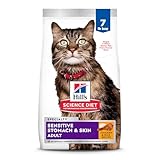
- UPDATED FORMULA: Triple support for stomach, skin and immune system health
- Highly digestible formula with prebiotic fiber that is gentle on the stomach for optimal nutrient absorption
- Enriched with Vitamin E and Omega-3 & 6 fatty acids, for healthy skin and lustrous fur
- Clinically proven antioxidants, Vitamin C+E, for a healthy immune system
- 29 key nutrients, including essential vitamins, minerals, and omega 3 & 6 fatty acids. Complete and balanced nutrition for adult cats’ health
Food allergy or intolerance
The usual dietary logic is controlled exposure, often with a hydrolyzed or genuinely novel protein selected by the veterinarian. Every treat, supplement and flavored medication matters. Improvement cannot be judged if multiple proteins are being offered at once.
What’s actually slowing this PC down?
Pick the symptom - the matching free tool is one click away.
Inflammatory bowel disease or chronic enteropathy
Cornell notes that there is no single best treatment for feline inflammatory bowel disease; a veterinarian may need to try different combinations of diet or medication. A hydrolyzed, novel-protein, fiber-adjusted or other therapeutic plan may be considered, but the choice depends on examination findings and testing.
Parasites, infection or systemic disease
Food cannot eliminate a parasite or treat organ dysfunction. Stool testing, bloodwork, imaging, fluids or medication may be needed. Use diet as supportive care only when the veterinarian says it is appropriate.
Independent reader supportYour contribution helps us test, update, and keep practical guides available for everyone.Label and shopping checklist
Before buying a veterinary GI food, confirm:
- The label is for cats, not dogs, and states whether it is complete and balanced.
- The intended life stage matches your cat.
- The exact wet or dry formula matches the veterinarian’s recommendation.
- Calories per can, pouch, cup or gram are available so portions can be measured.
- The ingredient and protein strategy fits any elimination trial or known intolerance.
- The product is available in your country and has not been replaced by a reformulated version.
- Your veterinarian has explained whether authorization, follow-up or a limited feeding period is required.
Palatability matters because a therapeutic diet cannot help if the cat will not eat it. However, the evidence available for this topic does not provide comparative feeding results, success rates, prices or tested performance for ranking products. Choose based on indication and safety, not online star ratings or a “best” badge.
What improvement should look like
Improvement means more formed stool, normalizing frequency, stable appetite and energy, and no new vomiting or dehydration. It does not necessarily mean one perfect bowel movement immediately after the first meal. Follow the clinic’s review window. If diarrhea recurs whenever the old diet returns, tell the veterinarian; that pattern may support a food-related investigation, but it is not a diagnosis by itself.
Recommended Free Tools
Once the underlying problem is controlled, the veterinarian may continue a therapeutic diet, complete a structured elimination trial or transition to a maintenance food. Make that transition deliberately and keep a written record of foods and symptoms so future flare-ups are easier to assess.
Best Value
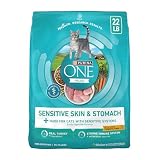
- Real turkey is the first ingredient in our high protein cat food to help support strong muscles, including a healthy heart in adult cats
- Made for cats with sensitive systems, this Purina ONE sensitive stomach cat food features an easily digestible formula with added prebiotic fiber
- Crunchy cat food with calcium supports strong teeth and healthy gums, and four antioxidant sources help support a healthy immune system
- With deliciously crunchy bites, this turkey cat food delivers a great taste and is made with no artificial flavors or preservatives
- Purina sensitive skin and stomach cat food is crafted in Purina-owned, U.S. facilities
Frequently Asked Questions
Can I buy a gastrointestinal cat food without seeing a veterinarian?
Some products may be sold through ordinary retailers, but the correct profile depends on the suspected cause. A veterinarian should guide the choice when diarrhea is severe, persistent, recurrent or accompanied by poor appetite, vomiting, lethargy, weight loss or dehydration.
Is wet food better than dry food for diarrhea?
Neither format is universally better. Wet food can contribute dietary moisture, while dry food may be practical for a cat that reliably eats kibble. The therapeutic indication, calorie density, complete-and-balanced status and your cat’s willingness to eat matter more than format alone.
How long should I feed a veterinary GI diet?
Use the duration specified by your veterinarian. Some cats need a short supportive course; others require a longer therapeutic or elimination plan. Continuing or changing the diet without follow-up can obscure the diagnosis.
Do these 3 things before closing this tab:
1Scan for outdated or missing drivers - takes under a minute2Repair Windows errors before they cause bigger problems3Fix the driver behind crashes, sound loss and screen glitchesShould I give probiotics or anti-diarrhea medicine with the food?
Ask your veterinarian first. VCA advises consultation before supplements because quality and effectiveness may be uncertain, and human anti-diarrhea medicines can be unsafe for cats.
What if my cat refuses the recommended food?
Call the clinic for an alternative texture, flavor or formulation rather than allowing prolonged fasting or repeatedly switching foods. A cat that is not eating, especially if overweight or ill, needs prompt veterinary advice.
Quick Recap
Product prices and availability are accurate as of the date/time indicated and are subject to change. Any price and availability information displayed on Amazon at the time of purchase will apply.





Leave a Reply