
The Tool Desk
Outbyte PC Repair FREERepair Windows errors before they cause bigger problemsFix Now →Outbyte Driver Updater FREEScan for outdated or missing drivers - takes under a minuteDriver Scan →The best food for an old cat is a palatable, complete-and-balanced diet that supplies enough calories and high-quality protein to maintain muscle. For a generally healthy cat about 10 years or older, wet food is often helpful because it is soft and typically 70–80% water, but dry or mixed feeding can work when the cat prefers it and stays hydrated. A “senior” label is not a treatment: kidney disease, diabetes, obesity, hyperthyroidism, dental pain and other diagnoses require a diet chosen with your veterinarian.
What “old” or “senior” means for a cat
Cornell University College of Veterinary Medicine uses 10 years and older as a practical senior threshold for feeding guidance. AAHA/AAFP notes that some cats may be considered senior earlier or later because biological aging varies between individuals. Age alone does not tell you which formula your cat needs. A healthy 10-year-old at an ideal weight has different priorities from a 14-year-old losing muscle, and both differ from a cat with chronic kidney disease (CKD).
As an Amazon Associate I earn from qualifying purchases.
Think of senior status as a life stage that calls for closer monitoring, not as a diagnosis. Your cat’s body condition, muscle mass, appetite, dental comfort, hydration and laboratory results are more useful than the word “senior” on a package.
The nutrients that matter most in a healthy older cat
Adequate protein protects lean muscle
Healthy mature and senior cats should not automatically be put on low-protein food. AAHA/AAFP gives 30–45% protein on a dry-matter basis as a moderate range for healthy mature and senior cats. The right amount depends on the whole formula, calorie density, activity and medical status, but unnecessary restriction can make it harder to preserve muscle as a cat ages.
#1 Best Overall

- Purina indoor cat food made with real chicken as the number 1 ingredient to support strong muscles, including a healthy heart
- High fiber cat food made with high-quality nutrients and glucosamine helps support the health of cats age 7+
- A natural fiber blend in Purina indoor dry cat food helps minimize hairballs
- Adult cat food includes four antioxidant sources to help support a strong immune system in a crunchy kibble with calcium for strong teeth and healthy gums
- Hairball control cat food features a great taste and deliciously crunchy bites with no artificial flavors or preservatives
When comparing labels, distinguish “protein percentage” as-fed from dry-matter protein. Wet food contains substantial water, so its as-fed percentage will look lower than that of kibble even when the dry-matter protein is similar. If a package does not make the basis clear, ask the manufacturer or your veterinary team rather than comparing numbers directly.
Calories must match the cat’s body condition
Older cats can become overweight, underweight or both at different points in life. Use the package’s calorie statement and feeding directions as a starting point, then adjust with your veterinarian according to weekly weight and muscle changes. A cat that is eating less, losing weight or showing visible muscle loss needs a medical assessment; simply buying a “high-calorie” food can mask a problem.
Moisture supports hydration and easier eating
Cornell reports that wet cat food is typically 70–80% water. That moisture can help a cat whose thirst is subtle or whose water intake is difficult to measure. Soft textures may also be easier for cats with sensitive teeth, missing teeth or mouth discomfort. Moist food is useful, not mandatory: a cat that reliably drinks and maintains healthy weight on dry food can continue it, and mixed feeding is a reasonable compromise.
Rank #2

- Purina indoor cat food made with real chicken as the number 1 ingredient to support strong muscles, including a healthy heart
- High fiber cat food made with high-quality nutrients and glucosamine helps support the health of cats age 7+
- A natural fiber blend in Purina indoor dry cat food helps minimize hairballs
- Adult cat food includes four antioxidant sources to help support a strong immune system in a crunchy kibble with calcium for strong teeth and healthy gums
- Hairball control cat food features a great taste and deliciously crunchy bites with no artificial flavors or preservatives
Phosphorus and sodium become medical considerations
For a healthy cat, do not select a food solely because it advertises a low mineral level. Phosphorus and sodium become especially important when a veterinarian has diagnosed kidney disease, heart disease or another condition. Ask for condition-specific targets instead of assuming a generic senior recipe is therapeutic.
Wet, dry or mixed feeding: which is best?
| Feeding style | Potential advantages for older cats | Watch-outs |
|---|---|---|
| Wet food | Typically 70–80% water; soft pâté, mousse or minced textures can be easier to chew; strong aromas may improve acceptance. | Some cats reject a texture change; opened food needs safe storage and measured portions; calorie density varies widely. |
| Dry food | Convenient to measure and store; some cats prefer the crunch; can be used in food puzzles when chewing is comfortable. | Contains little water compared with wet food; hard kibble may be uncomfortable with dental disease; free-choice feeding can encourage excess calories. |
| Mixed feeding | Combines moisture and palatability with the convenience of kibble; can make a gradual transition easier. | Both foods must be counted toward daily calories; switching between textures still needs a slow introduction. |
There is no universal winner. Choose the format your cat will eat consistently, that keeps hydration and weight on target, and that fits any diagnosed condition. If chewing seems painful, arrange a dental examination rather than relying on a softer food to conceal the pain.
How to evaluate a senior cat food
1. Confirm nutritional adequacy
Look for an AAFCO nutritional-adequacy statement saying the food is complete and balanced for the relevant life stage. This is more meaningful than front-of-package words such as “premium,” “natural” or “senior.” A food intended only for intermittent or supplemental feeding should not be the main diet unless your veterinarian has a specific plan.
Rank #3

- 100 percent complete and balanced nutrition for adult cats 7 and older. Includes antioxidants to support immune system health
- Contains taurine, an essential amino acid for cats. High levels of vitamin E support a healthy coat
- High protein cat food recipe supports strong muscles. Our Fancy Feast Senior 7+ recipes are crafted in U.S. facilities
- From the number 1 gourmet cat food brand in the U.S.. The delectable flavors and appealing textures you expect from Fancy Feast
- Convenient pull-tab cans for easy feeding. Tailored nutrition to help meet senior cats’ special needs
2. Check the life-stage claim and calories
Confirm whether the formula is for adult maintenance, all life stages or a senior-specific purpose, and note calories per can, pouch or cup. Feeding directions are estimates. Compare the amount your cat actually eats with changes in weight, body condition and muscle rather than following a cup or can number blindly.
Recommended Free Tools
3. Assess protein in context
For a healthy senior, look for adequate protein and a formula your cat digests and accepts. Do not reject a food solely because the ingredient list places a named grain or another carbohydrate before a meat ingredient; ingredient order does not reveal digestibility, amino-acid balance or dry-matter protein by itself. If kidney disease is present, your veterinarian may intentionally prescribe a lower-protein, phosphorus-controlled diet.
4. Consider the manufacturer’s nutrition support
AAHA Senior Care Guidelines Toolkit contributor Vicky O’Grain, MBA, RVT, VTS (Nutrition), advises: “I would absolutely recommend calling the company.” Ask whether the company employs qualified nutritionists, conducts feeding trials, can provide calorie and nutrient data, and can explain how the formula is controlled for consistency. A responsive manufacturer is more useful than a long ingredient list with no technical information.
Rank #4

- Veterinarians Recommend IAMS: Feed your favorite feline IAMS Proactive Health dry cat food to support their whole-body health
- Discover the Proactive 5 Difference: The Proactive 5 health benefits for IAMS Proactive Health are scientifically designed to support five key areas of your cat’s health, keeping them full of life, for more of life
- #1 Ingredient is Real Chicken. This nutrient-rich senior cat food is made with real chicken, contains high-quality protein sources, and supports a healthy body
- Maintains Healthy Digestion: A specialized fiber blend and prebiotics help nourish the intestinal cells and improve the absorption of nutrients
- Healthy Immune System: IAMS Proactive Health Senior dry cat food contains an elevated level of vitamin E, which helps restore immune response to that of a healthy adult cat
5. Match texture to teeth and preference
Offer pâté, mousse, minced food, gravy-based pieces or softened kibble according to what your cat can comfortably eat. Warming wet food slightly can increase aroma; never serve it hot. A separate dish beside the current food lets the cat investigate without making the familiar meal unavailable.
6. Compare the real daily cost
Prices per can or bag are not directly comparable because calorie density differs. Divide the package price by the calories it contains, then estimate the amount your cat needs each day. Include wasted food, special storage and any veterinary authorization requirement. The least expensive food is not a bargain if your cat refuses it or needs a later diet change.
Do these 3 things before closing this tab:
1Repair Windows errors before they cause bigger problems2Fix the driver behind crashes, sound loss and screen glitches3Clear out junk files and repair common Windows errorsChoose by your cat’s current situation
| Cat’s situation | Most useful starting point | What not to assume |
|---|---|---|
| Healthy, normal weight and eating well | Complete-and-balanced adult-maintenance or senior food with adequate protein; monitor weight and muscle. | A senior label automatically improves the diet or that protein should be restricted. |
| Thin, losing muscle or eating less | Prioritize palatability and calorie intake, try softer or gently warmed wet textures, and schedule a veterinary examination. | Reduced appetite is normal aging. It can signal dental disease, kidney disease or another illness. |
| Dental pain or missing teeth | Pâté, mousse or softened/smaller-kibble textures while arranging dental care. | Changing texture treats the underlying dental problem. |
| CKD or high phosphorus | Ask about a prescription kidney-support diet and a monitored transition. | A generic senior food is equivalent to a renal diet. |
| Overweight or diabetic | Obtain individualized calorie and carbohydrate guidance from your veterinarian. | Any senior formula is automatically suitable for weight or glucose control. |
When kidney disease changes the answer
CKD is the clearest example of why “best food for old cats” has no single brand answer. VCA Animal Hospitals describes veterinary therapeutic diets for CKD as “kidney support” or “kidney friendly” products. These diets generally restrict phosphorus and often protein, while providing a nutrient profile designed for reduced kidney function. They are not interchangeable with ordinary senior food.
Best Value
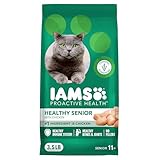
- Veterinarians Recommend IAMS: Feed your favorite feline IAMS Proactive Health dry cat food to support their whole-body health
- Discover the Proactive 5 Difference: The Proactive 5 health benefits for IAMS Proactive Health are scientifically designed to support five key areas of your cat’s health, keeping them full of life, for more of life
- #1 Ingredient is Real Chicken. This nutrient-rich senior cat food is made with real chicken, contains high-quality protein sources, and supports a healthy body
- Maintains Healthy Digestion: A specialized fiber blend and prebiotics help nourish the intestinal cells and improve the absorption of nutrients
- Healthy Immune System: IAMS Proactive Health Senior dry cat food contains an elevated level of vitamin E, which helps restore immune response to that of a healthy adult cat
Cornell reports that some studies found cats with CKD lived two to three times longer when eating prescription kidney diets than when eating standard commercial food. That figure comes from the cited studies and does not predict an individual cat’s survival; stage, concurrent illness, treatment and diet acceptance all matter.
How to introduce a kidney diet
- Ask your veterinarian which therapeutic formula, texture and calorie target fit the cat’s kidney stage and body condition.
- Place the new food in a separate adjacent container, as AAHA/AAFP recommends, so your cat can express a preference without losing access to the familiar diet.
- Change gradually over about 7–10 days when the cat is stable. Start with roughly 75% old food and 25% new food, then increase the new portion every day or two.
- Use texture, flavor and temperature strategically. A slightly warmed, moist texture may be accepted better than a cold or chunky one.
- Monitor intake closely. Cornell stresses that a cat with CKD must continue eating during a therapeutic-diet transition. Contact the veterinary team promptly if intake falls rather than allowing a prolonged fast.
How to switch an old cat to a new food
A slow change is gentler on digestion and gives a selective cat time to accept a new smell. PetMD’s 2026 veterinarian-reviewed guidance recommends a transition over about 7–10 days, beginning around 75% old food and 25% new food.
- Days 1–2: Offer approximately 75% of the current food and 25% of the new food. For a highly cautious cat, use the new food in a separate dish instead of mixing.
- Days 3–4: Move toward a 50/50 split if appetite and stools remain normal.
- Days 5–6: Offer about 25% old food and 75% new food.
- Days 7–10: Complete the change if the cat is eating willingly and tolerating it. Extend each stage when necessary.
Do not force a therapeutic diet by removing all alternatives from a cat that is refusing food. For CKD or any cat already eating poorly, call the veterinary team for a safer plan. Keep bowls clean, serve small fresh portions and record what is actually eaten, not merely what was offered.
Quick wins for a faster PC:
Repair Windows errors before they cause bigger problemsFix Now →Fix the driver behind crashes, sound loss and screen glitchesFind Drivers →Product examples and what they do—and do not—tell you
PetMD’s July 10, 2026 veterinarian-reviewed senior-food guide names Royal Canin, Hill’s Science Diet and Purina Pro Plan as commonly veterinarian-recommended examples. These names are reasonable comparison starting points, not universal prescriptions. Formulas differ by country, life-stage statement, texture, calorie density and medical purpose, so verify the exact package.
| Buying check | Why it matters |
|---|---|
| AAFCO complete-and-balanced statement | Confirms the food is formulated to meet recognized nutrient requirements for its stated life stage. |
| Calorie information | Allows a daily portion to be matched to body condition rather than measured by volume alone. |
| Protein and dry-matter context | Helps protect muscle in healthy seniors and prevents inappropriate restriction. |
| Phosphorus data when CKD is present | Supports a veterinarian’s renal-diet decision; a generic senior label is not enough. |
| Texture and acceptance | Determines whether the cat can chew and will eat enough to maintain health. |
| Manufacturer nutrition expertise and feeding-trial information | Provides evidence about formulation quality and consistency beyond marketing language. |
| Veterinary authorization | Some therapeutic diets should be selected and monitored through a veterinary practice. |
Common mistakes to avoid
- Putting every senior on low protein: healthy older cats need adequate protein; restriction is a medical decision.
- Treating “senior” as a diagnosis: the label does not treat CKD, diabetes, hyperthyroidism, obesity or dental disease.
- Choosing from the ingredient list alone: adequacy, calories, dry-matter nutrients, feeding evidence and manufacturer support are more informative.
- Ignoring appetite loss: eating less, losing weight or dropping muscle warrants a veterinary check.
- Changing food abruptly: rapid switches can cause refusal or digestive upset and are especially risky when a therapeutic diet is needed.
- Assuming raw is healthier: Cornell notes that evidence of benefit is lacking for raw or unsterilized diets and that infection risk exists. They should not be a default senior feeding strategy.
- Leaving dry food available without measuring: free-choice calories can quietly drive weight gain, particularly in less-active cats.
A simple monitoring routine
- Weigh the cat regularly using the same scale and conditions.
- Feel along the spine, hips and shoulders for changes in muscle, not just fat covering.
- Record appetite, water intake, vomiting, stool quality and comfort while chewing.
- Measure portions and include treats in the daily calorie total.
- Arrange veterinary examinations and recommended blood or urine testing, especially when appetite, thirst, urination or weight changes.
Bring the food package or a clear photo of its adequacy statement and calorie panel to the appointment. That lets the veterinary team evaluate the exact formula rather than a product family name.
Bottom line for choosing your cat’s food
Start with a complete-and-balanced food your older cat will reliably eat, enough calories to maintain a healthy body condition, and adequate protein to preserve muscle. Wet or mixed feeding is often useful for moisture and chewing comfort, while dry food remains acceptable for cats that prefer it and stay hydrated. The moment CKD or another diagnosis enters the picture, stop shopping by the word “senior” and work with your veterinarian on the appropriate therapeutic diet and transition.
Quick Recap
Product prices and availability are accurate as of the date/time indicated and are subject to change. Any price and availability information displayed on Amazon at the time of purchase will apply.





Leave a Reply