Do these 3 things before closing this tab:
1Clear out junk files and repair common Windows errors2Fix the driver behind crashes, sound loss and screen glitches3Repair Windows errors before they cause bigger problemsThe best freshwater aquarium cleanup crew depends on what needs cleaning: nerite snails are useful for glass and hardscape, Amano shrimp forage among plants and crevices, and otocinclus graze on plant leaves in suitable, mature tanks. No animal eats every kind of waste or algae, and none replaces water testing, sensible feeding, or routine maintenance.
Choose a cleanup crew by the job
Think of these animals as helpers with particular diets and habitats, not as a general-purpose cleaning team. Algae type, tank conditions, and the fish already in the aquarium all affect whether an option is suitable.

As an Amazon Associate I earn from qualifying purchases.
| Animal | Useful for | Important considerations |
|---|---|---|
| Nerite snail | Grazing glass, rocks, and wood; some guides also describe them eating tough green spot algae. | Not every algae type is eaten. Nerites may leave visible eggs, and shell health depends on suitable minerals. BRS Fresh suggests one nerite per five gallons as a practical stocking guideline, not a universal rule (BRS Fresh, updated August 10, 2026). |
| Amano shrimp | Algae grazing and scavenging through planted areas and small crevices. | They still need compatible tankmates, good water quality, and appropriate food; copper exposure is dangerous (Aqueon). |
| Cherry and other dwarf shrimp | Grazing biofilm and small food remnants across plants and substrate. | Their small size makes them vulnerable to fish that can swallow them. Populations can grow, and water needs vary among shrimp species (Aqueon). |
| Otocinclus | Grazing algae from plant leaves and other flat surfaces. | They are shy, social fish. OATA recommends groups of five or more and clean, highly oxygenated water; larger or boisterous tankmates can put them at risk (OATA tropical algae-eater care sheet). |
| Ramshorn and Malaysian trumpet snails | Grazing and scavenging; Malaysian trumpet snails also burrow through substrate. | Snail species differ in breeding and behavior, so check what a particular species may mean for plants, substrate, and population size (Aquarium Co-Op). |
Which options are safest for a planted aquarium?
For planted tanks, Amano and dwarf shrimp can forage among plants, while nerite snails graze hard surfaces and otocinclus feed from leaves and other flat surfaces. The right choice is the one whose needs fit the aquarium—not simply the animal that is most often called a cleanup crew member. Aquarium Co-Op describes these different algae-eating roles in its algae-eater guide.
Outdated Drivers Are Slowing You Down
One free scan finds every outdated or missing driver and matches the right update for your exact hardware.Free scan · exact hardware matchWindows Errors? Fix Them Before They Spread
Repair common Windows errors and clear accumulated junk for a smoother, more stable PC - no reinstall needed.Free scan · no reinstallCheck the species’ diet and behavior before adding it. A grazing animal is not guaranteed to eat the algae you have, and shrimp or snails can be eaten by compatible-looking fish with the right appetite or mouth size. Puffers and some loaches may prey on snails; fish able to fit a shrimp in their mouths may eat shrimp. Otocinclus are particularly vulnerable to large or boisterous tankmates (Aquarium Co-Op; OATA).
#1 Best Overall
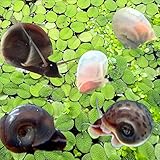
- Hatched and raised in USA
- Small Business that grew from the love of fishkeeping
- Snails are great at consuming brown and green algae, fish food, and fish waste- creating balance in your aquarium and reducing maintenance
- Snails only eat decaying plants, will not eat healthy plants in your planted aquarium
- Are adaptable to different pH levels, but optimal between 7 and 8 for clear shell development
Check water conditions and tank maturity first
OATA gives these broad water-condition recommendations for freshwater shrimp and snails. They are general guidance, not a recipe for every species; confirm the needs of the exact animal you plan to keep.
| Measure | OATA general guidance for shrimp and snails |
|---|---|
| Temperature | 17–27°C |
| pH | 6.5–8.0 |
| Ammonia | 0 mg/L |
| Nitrite | 0 mg/L |
| Nitrate | No more than 20 mg/L above normal tap-water levels |
| General hardness (GH) | 4–18°dH |
| Carbonate hardness (KH) | 3–15°dkH |
These ranges are published in OATA’s freshwater shrimp and snails care sheet, which advises checking species-specific requirements. Shrimp needs can differ substantially: Aqueon notes that many crystal and bee shrimp require soft, low-pH water (Aqueon).
Do not add dwarf shrimp to a newly set-up aquarium. Aqueon recommends an established, stable tank, while OATA advises a filter, regular water testing, gradual acclimation, and adding livestock slowly (Aqueon; OATA). For shrimp in tanks with hang-on-back or canister filters, Aqueon recommends a sponge pre-filter over the intake.
The Tool Desk
Outbyte PC Repair FREEClear out junk files and repair common Windows errorsFree Scan →Outbyte Driver Updater FREEFix the driver behind crashes, sound loss and screen glitchesFind Drivers →Feed them without fouling the water
Grazing may not provide enough food. OATA suggests supplementing shrimp and snails with algae wafers or commercial shrimp pellets, and warns against excess food. Aqueon notes that shrimp accept many foods, but portions still need to be controlled (OATA; Aqueon).
Rank #3

- Known for their unique appearance and adaptability, Swimming Creatures Amano Premium High Grade Shrimp are a fantastic addition to any freshwater aquarium. These shrimp are highly valued for their hardy nature and are suitable for both novice and experienced aquarists. Their translucent bodies with subtle markings make them a visually intriguing part of your aquatic environment.
- Each order includes 10 premium-grade Amano shrimp, selected for their excellent health and overall quality.
- Unique Translucent Appearance: Features a subtle, translucent body with distinctive markings, adding elegance to your aquarium. Premium High Grade Shrimp: Carefully selected for their top-tier health and quality, ideal for any shrimp enthusiast. Hardy and Adaptable: Perfect for both beginners and seasoned aquarists, thriving in a variety of freshwater setups.
- Optimal Water Temperature: 68°F - 78°F (20°C - 25.5°C) pH Range: 6.5 - 7.5 Water Hardness: 4-8 dGH (soft to moderately hard water) TDS (Total Dissolved Solids): 200-350 ppm
- DOA Coverage: We cover any Dead on Arrival (DOA). Please contact us using the information provided on the package to resolve any issues.
Feed according to the animal and what is available in the tank. Do not rely on hunger to make an animal eat algae it would not otherwise choose. Uneaten food can degrade water quality, which is especially important for sensitive invertebrates.
Protect shrimp and snails from copper
OATA and Aqueon warn that copper-containing treatments or products can harm shrimp. Read medication and product labels before use, and check with an aquatic veterinarian or knowledgeable fish-care professional if you are unsure whether a treatment is safe for invertebrates (OATA; Aqueon).
Rank #4
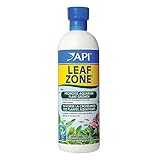
- Contains one (1) API LEAF ZONE Freshwater Aquarium Plant Fertilizer 16-Ounce Bottle
- Promotes strong, hardy and colorful leaves and prevents yellow, decaying leaves
- Contains essential nutrients including chelated iron and potassium
- Formulated for rapid absorption in freshwater aquarium plants
- Dose your aquarium weekly with 5 ml of API LEAF ZONE per 10 US gallons of aquarium water
Keep up normal aquarium maintenance
A cleanup crew can help control nuisance algae and scavenge some leftovers, but it cannot remove every kind of waste or correct the conditions that caused a problem. Continue routine maintenance, test water regularly, and avoid overfeeding. Aquarium Co-Op makes the same core point in its cleanup crew guide: there is no animal that eliminates the need for aquarium care.
Quick wins for a faster PC:
Fix the driver behind crashes, sound loss and screen glitchesFind Drivers →Repair Windows errors before they cause bigger problemsFix Now →Scan for outdated or missing drivers - takes under a minuteDriver Scan →Quick Recap
Best Value

- SHIPPING ALERT: If your local temp is below 35 or above 85 degrees F your package will ship "HOLD FOR PICK UP" at your local post office. You will be notified where and when your package has shipped
- You'll receive 100+ (combination of juveniles and adults) Freshwater Scuds ranging in length from 1/16” and up
- Scuds breed rapidly and require no special food or water treatments
- They’re omnivores feeding on left over fish food, algae, fish fesses and organic matter in and around their habitat
- There are no better algae eaters than Scuds. They will quickly devour all algae in their habitat; LIVE ARRIVAL GUARANTEE !!!
Product prices and availability are accurate as of the date/time indicated and are subject to change. Any price and availability information displayed on Amazon at the time of purchase will apply.




